
Reviewed · WALKING TOURS
Pune Walking Tour with a Punekar
This Pune Walking Tour with a Punekar is interesting because it moves through the city’s oldest lanes, mixing major landmarks with real daily life like temple visits and market browsing in Kasba Peth. It is also private, so the route can feel more like a guided neighborhood walk than a rushed checklist.
I love the local guide factor, especially the way English-speaking guides like Sankit and Koustubh seem to explain both religion and history behind what you see. I also like that the itinerary balances the famous with the everyday, including Phule Market, plus heritage stops like Lal Mahal Chitra and Vishram Bagh Waada Palace.
One thing to consider is timing: it runs about 2 hours 30 minutes, and it requires good weather, so plan around heat, rain, or crowds that can change how comfortable the walk feels.
Quick highlights before you lace up
- Private for your group means you can ask questions and adjust the pace.
- Shaniwar Wada first sets the tone with stories tied to Pune’s older identity.
- 126-year-old Ganesha idol at Shrimant Dagdusheth Halwai Ganpati Mandir makes the temple stop feel specific, not generic.
- Phule Market pairs fruit and vegetable shopping with older Victorian-style architecture.
- Lal Mahal Chitra connects you to Chhatrapati Shivaji Maharaj through a childhood home site.
- Short, focused stops keep you moving through five meaningful places in one outing.
How a Punekar private walk changes what you notice
This is the kind of tour that works because you are not just looking at buildings, you are learning how locals relate to them. The guide is there to point out what matters in the moment, from temple practices to the meaning of historic neighborhoods.
Because it is private, you get a big practical advantage. You are not trapped behind a large group. If you want to slow down for photos, ask why a certain name shows up, or understand what you are seeing at a temple and its surroundings, you can do it without feeling like you are holding everyone back.
You will also feel the difference in how the places are framed. The walk is not only about “what it is.” It is about why Pune grew the way it did, using stops that cover politics, religion, and commerce in the city’s older quarters.
More Walking Tours in Pune:
- Pune: Old City & Camp Cultural Walking Tour with Local Snack
★ 4.9 · 65 reviews - Fontainhas Heritage Walk by Make It Happen
★ 5.0 · 2,834 reviews - The Great Indian Food Tour: Old Delhi Food and Heritage Walk
★ 5.0 · 1,698 reviews
Shaniwar Wada: start where old Pune politics still echoes
The tour begins at Shaniwarwada Kasba Peth, and the first stop is Shaniwar Wada. This is a strong opening choice. Shaniwar Wada is often described as a centerpiece of Pune’s earlier power, and starting here helps you understand the rest of the day as part of one story, not separate sightseeing blocks.
You get about 20 minutes here, and admission is not included. That matters for planning. If you want to go inside, check what ticket you need and bring cash or confirm what is accepted on the ground. If you mostly want the exterior and the guide’s context, you can still get a lot out of the time.
What makes this stop especially valuable is the way your guide can connect the site to the people who lived around it. In past walks, the conversation around Shaniwar Wada has been detailed, with discussion of the occupants and how the complex helped put Pune on the map. If you like history that explains cause and effect, you will enjoy this start.
Dagdusheth Halwai Ganpati: a 126-year-old idol you can actually focus on
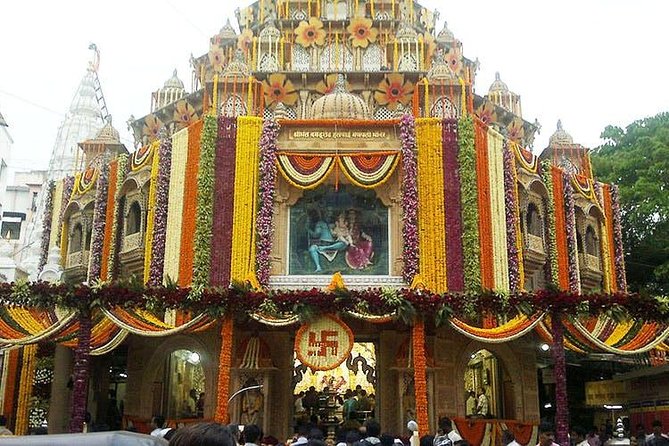
Next comes Shrimant Dagdusheth Halwai Ganpati Mandir, a temple visit with a very concrete detail: it houses a 126-year-old Ganesha idol. That kind of specific fact helps your brain lock onto what you are seeing, especially when you are walking through multiple religious spaces in a single outing.
You get about 10 minutes here, and admission is included. This is one of the easier parts to plan, because the tour handles entry for you.
The best part of this stop is usually the guide’s ability to explain the religious context. Temples in India are not just photo stops, they are places with rhythms and rules. A guide who speaks clear English, like Sankit, can help you feel at ease with what is going on and what to do without making you feel lost.
Practical tip: if you notice shoe-watching or a small system around footwear near the entrance, ask your guide what they prefer you do. It avoids that awkward scramble later.
Phule Market and Victorian-era bones in the middle of daily life
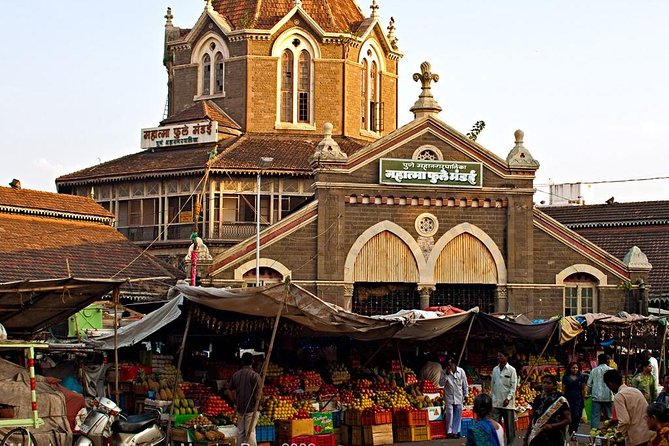
Then the tour shifts into the most locally alive segment: Phule Market. This is described as Pune’s oldest fruit and vegetable market, and it is also where you can spot older Victorian architecture in the city.
You spend about 10 minutes here, and admission is included. The short time is enough to see the scale, watch how people move through the market space, and understand why this market matters beyond shopping. It is also a great contrast after the temple stop, because the mood changes from reverent stillness to real commerce and chatter.
One reason I think this stop earns its place is that it is not a “manufactured tourist market.” If you like places that feel used every day, Phule Market delivers. If you are shopping-minded, you might find yourself wanting to pick up small items. And if you are a foreign visitor, expect extra curiosity. That can feel like a bonus if you are open to conversation, because the guide can help you interpret what you are seeing.
Line these Pune options up side by side
Lal Mahal Chitra: a childhood home tied to Chhatrapati Shivaji Maharaj
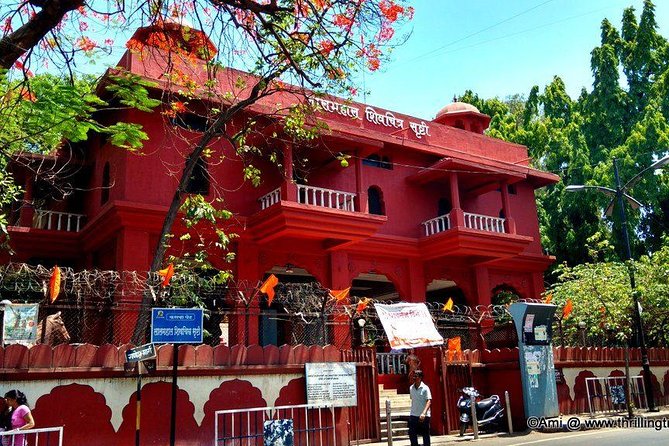
From market energy, you head to heritage again with Lal Mahal Chitra, the childhood home of Chhatrapati Shivaji Maharaj. It is a quick stop at about 10 minutes, and admission is included.
The value here is how the guide links the place to the person. When a site is connected to a founder figure, you can easily end up with generic “great man” storytelling. A good guide makes it tangible, connecting architecture and location to the idea of formative years and why certain places gained symbolic weight in later history.
If you enjoy royal-era history and want a viewpoint beyond museum walls, this is a strong middle stop. Just be ready for it to feel like a brief visit rather than a long, slow museum moment.
Vishram Bagh Waada Palace: where Bajirao could rest
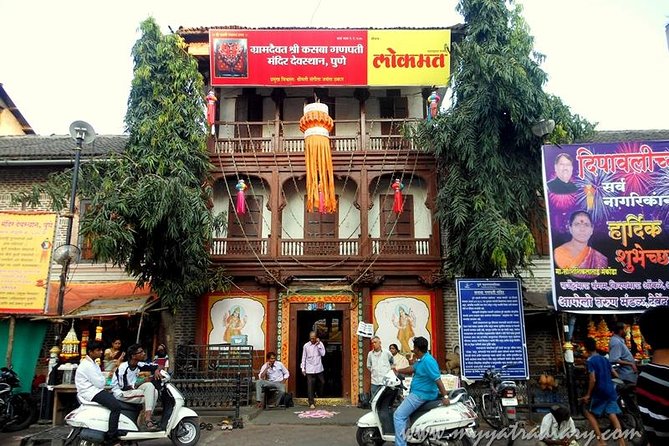
The final major heritage stop is Vishram Bagh Waada Palace, described as the holiday home of Peshwa Bajirao. Again, you get about 10 minutes, and admission is included.
This stop works when you want more than forts and temples. “Holiday home” is a reminder that historic rulers were also human, and it helps balance the day. The guide’s context can also help you see the waada style and understand why certain palace spaces were designed for breaks from formal life.
Because it is only ten minutes, focus on what the guide tells you during that time. Ask one or two questions instead of trying to read everything yourself. In these short heritage stops, your questions often make the biggest difference to what you remember later.
What a 2.5-hour pace feels like on the street
The total duration is about 2 hours 30 minutes. That is a comfortable length for people who want a meaningful outing without losing the whole day.
You are walking through multiple areas in Pune’s older parts, and you should expect urban foot traffic, some uneven walking sections, and lots of sights close together. Because the tour runs on foot, the timing matters. Morning often feels easier for walking and photos, while afternoon can mean more heat depending on the season.
The tour also needs good weather. If you book when rain is likely, you may have to shift dates. If you hate changing plans, pick a day with stable forecasts.
One other pace note: because it is private, your stop length can feel a touch flexible. In some cases, a guided walk can start strong and then feel less structured toward the end. To avoid that, keep your questions coming early, then ask the guide how much time you will have at each stop so you end with the experience you want.
Price and value: what $53 really buys
The price is listed at $53. For that, you get a local guide plus five structured stops that combine history, religion, and everyday market life.
Here is the value logic that matters. You are paying not only for access, but for interpretation. Without a guide, Shaniwar Wada can be just a historic site you pass through, Phule Market can be just another market, and temples can blur together. With a guide, the tour connects dots and helps you understand why these places are linked to Pune’s identity.
Entry fees are mixed. Shaniwar Wada admission is not included, while the later stops are included. That means you should budget a bit extra if you want to go into Shaniwar Wada specifically. Still, the included admissions on the other stops help balance the cost.
For solo travelers, this kind of private tour can feel like an easy upgrade. One past walker even reported booking the same day and being the only person on the walk, which made it feel especially comfortable.
Guide quality, English, and how to get the most out of your questions
The reviews point to a clear pattern: the guide experience is a major part of why people rate this tour so highly. Guides such as Sankit and Koustubh are described as having clear English and knowing the history and religion tied to the buildings and temples.
That matters because you are seeing religious and historic sites in a short window. A guide who can explain the meaning behind what you see helps you avoid two common problems: you either rush and miss context, or you stand there staring at details without understanding what they represent.
If you want the best payoff, come with a few simple question starters:
- What is the main role of Shaniwar Wada in Pune’s older story?
- What makes the Ganpati idol dated to 126 years feel significant?
- Why does Phule Market remain important as Pune’s oldest fruit and vegetable market?
Also, pay attention to confirmation and contact. One earlier booking experience included WhatsApp messages confirming details, and that sort of clarity makes it easier to meet the guide on time.
Best times to book, and who this walk suits
This tour runs with morning and afternoon options, which is great because you can match it to the rest of your Pune plans. Choose the time of day that best fits your energy for walking and your comfort with crowds.
This works well if you:
- Want a focused introduction to Pune’s oldest areas without planning a self-guided route.
- Enjoy religion explained respectfully, not just photographed.
- Like markets as cultural places, not shopping traps.
It might be less ideal if you strongly prefer a slow, standalone museum day. This walk is built around short visits at five places, so you get breadth, not deep immersion at one single site.
It also helps if you are open to being noticed. One review described how, as a Westerner, you can become the attention point in markets and temple areas. That can feel flattering and fun if you are comfortable smiling, greeting, and letting the guide steer the interaction.
Should you book the Pune Walking Tour with a Punekar?
If you want a practical first look at Pune with a guide who can explain what you are seeing, this is an easy yes. The itinerary hits the city’s older core, adds real daily market life at Phule Market, and includes temple context that helps the day feel coherent. The private format is a real quality-of-life upgrade, especially if you like asking questions.
Book it if you have about half a day, you can handle walking for around 2 hours 30 minutes, and you are traveling at a time when weather is likely to be good. If you dislike walking in heat or want a very long, slow visit to one big museum site, you might prefer a different style of tour.
Latest reviews in from Pune
- Skip the Line: Meher Retreat Day Picnic Ticket, Near Pune★ 3.5 · 57 reviews
- Private 2-Day Tour to The Taj Mahal and Agra with Both Side Commercial Flights★ 5.0 · 63 reviews
- Guided Highlights of Pune Car Tour with a local (4 Hrs Sightseeing in AC Car)★ 4.5 · 88 reviews
- Pune: Sacred Sites Half Day Tour with Snacks (AC Car Tour)★ 5.0 · 16 reviews
- Pune: Old City & Camp Cultural Walking Tour with Local Snack★ 4.9 · 65 reviews
Walking Tours, compared.


The Great Indian Food Tour: Old Delhi Food and Heritage Walk
Read our review →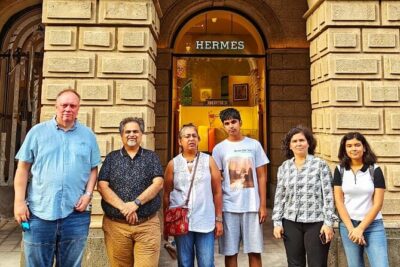
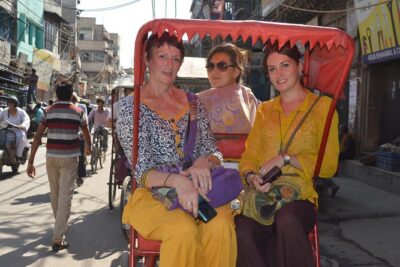
Old Delhi Food, Heritage&Cultural Walk with Rickshaw ride to Masterji Kee Haveli
Read our review →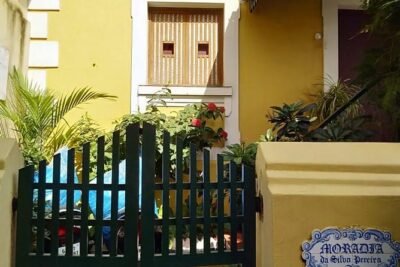
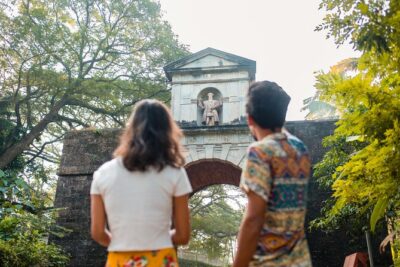
Fontainhas Heritage Walk At Latin Quarters of Goa
Read our review →Browse the lists this tour appears in