
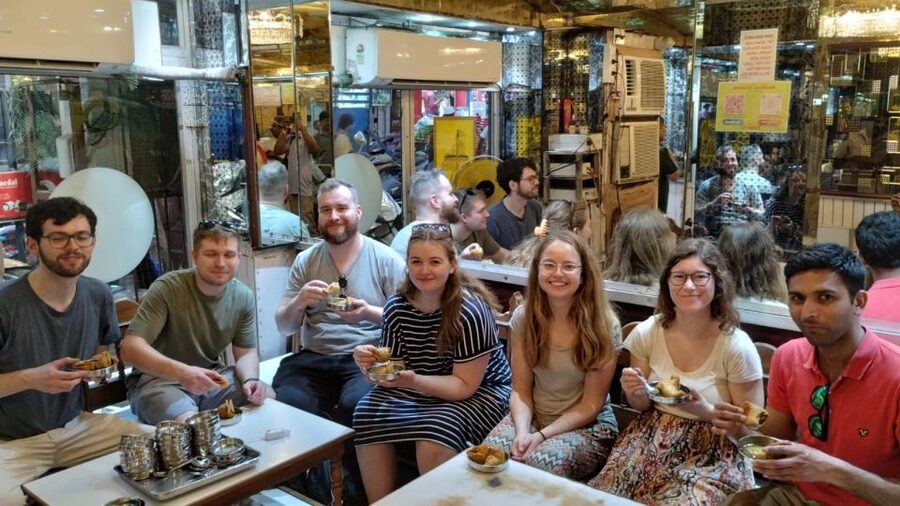
Reviewed · WALKING TOURS
Chennai: George Town Origins Guided Walking Tour
George Town in Chennai is the kind of place where the streets explain the past. In just 3 to 3.5 hours, you move from the Fort St George area, tied to the British East India Company era, to market streets that grew out of that trade world.
I especially like the way the tour anchors big events in specific stops, starting at Fort St George and continuing through institutions shaped by British rule. I also like the Armenian angle, where you learn how Armenian refugees set up trade for silk, spices, and gems, and you can visit the Armenian Church along the way. Guides such as Hareesh and Satish are a big part of that, because they keep the story clear and answer questions directly.
One thing to plan for: the museum visit is closed on Fridays, and there is a strict dress code (no shorts, short skirts, or sleeveless shirts). If you show up in summer gear that works everywhere else, you’ll need a quick change plan.
Quick hits before you go
- Start at Fort St George and get the story from British East India Company roots to Indian independence.
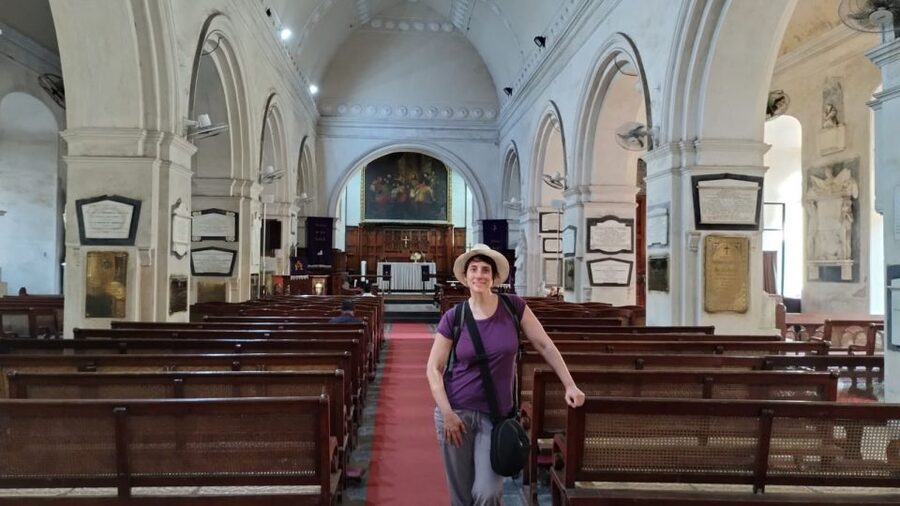
- St Mary’s Church is part of the route, and it is described as the oldest Anglican Church of India.
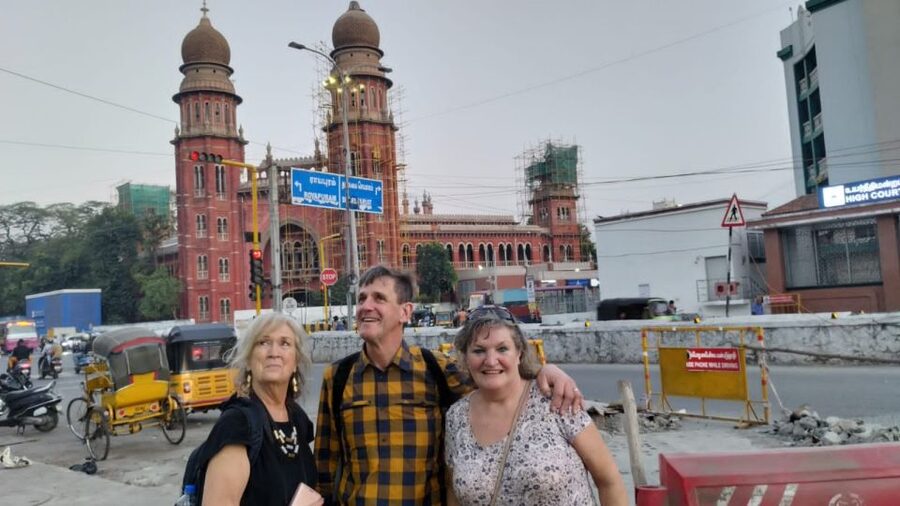
- Madras High Court shows Queen Victoria’s 1862 legal legacy, with Gothic architecture you can spot up close.
- Dare House links Parrys business history to an iconic art deco landmark.
- China Bazaar Road is where you’ll see the market world for utensils, cosmetics, and clothes.
- Armenian trade streets and the Armenian Church add a migration story to the shopping streets.
Fort St George: the 1644 East India Company starting point
The tour starts at the entrance of Fort St George, the first English fortress built in 1644 by the East India Company. That matters because you’re not just looking at pretty old buildings. You’re standing where European trade ambitions turned into long-term control, and your guide connects the dots step by step.
From there, the route follows a timeline. You’ll learn how the British came to dominate India, how their rule worked, and how India eventually won independence. It’s a lot for a morning walk, but it’s paced by real locations, not lecture-style history.
You also get a museum stop as part of the experience. The museum is included, except on Fridays when it is closed, so your day of the week can slightly change the exact flow. If you’re the type who likes to read every placard and take your time, arrive with a mindset that the tour is structured for history, then streets, then markets.
Entrance is included, so you’re not juggling ticket math while you’re trying to keep up. And because the group is small, limited to 10 participants, you get a better chance to hear explanations clearly without standing behind a crowd.
More Walking Tours in Chennai
- Gods of Mylapore walking tour- tourism ministry approved company
★ 5.0 · 267 reviews - Georgetown heritage walking tour in Chennai about the founding of Chennai
★ 5.0 · 144 reviews - Mahabalipuram walking tour by tourism ministry approved company
★ 5.0 · 102 reviews
From St Mary’s Church to Madras High Court in Queen Victoria’s shadow
After Fort St George, you head toward some of the area’s most visible “power buildings.” First up is St Mary’s Church, described on the tour as the oldest Anglican Church of India. Even if you’re not religious, churches like this often show how new communities tried to recreate their world after arriving far from home.
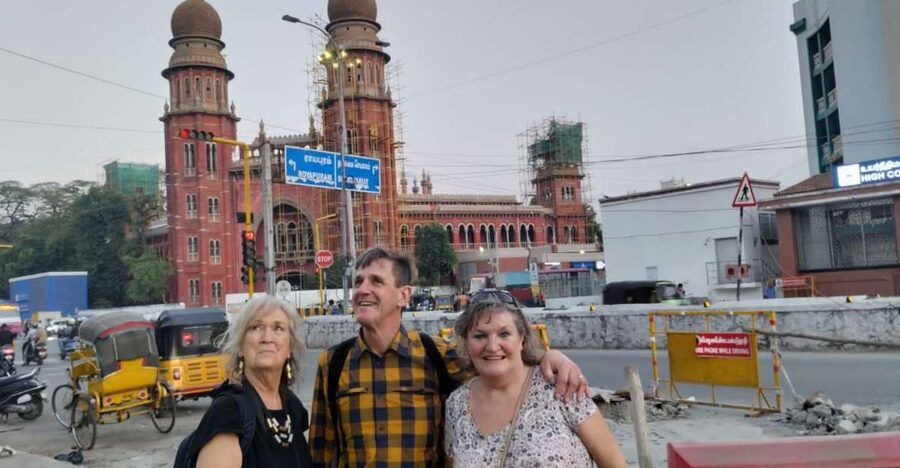
Then the walk brings you to the Madras High Court. This is set up in 1862 by a decree from Queen Victoria, and it still serves Tamil Nadu today. That continuity is one of the best parts of this tour: it shows how nineteenth-century decisions can still shape what you see on the street.
Architecturally, the tour frames the High Court as a great specimen of Gothic design. The practical value for you is simple. When you can name what you’re looking at, the building stops being just “an old government structure” and starts being a readable symbol of the era that produced it.
This is also a good section for questions. One of the most praised parts of the experience is how the guides handle curiosity, whether you’re asking about church origins, colonial administration, or why a court building looks the way it does. If you like to understand what you’re seeing, this is where the guide’s style really pays off.
Dare House and Parrys Corner: art deco meets free merchants
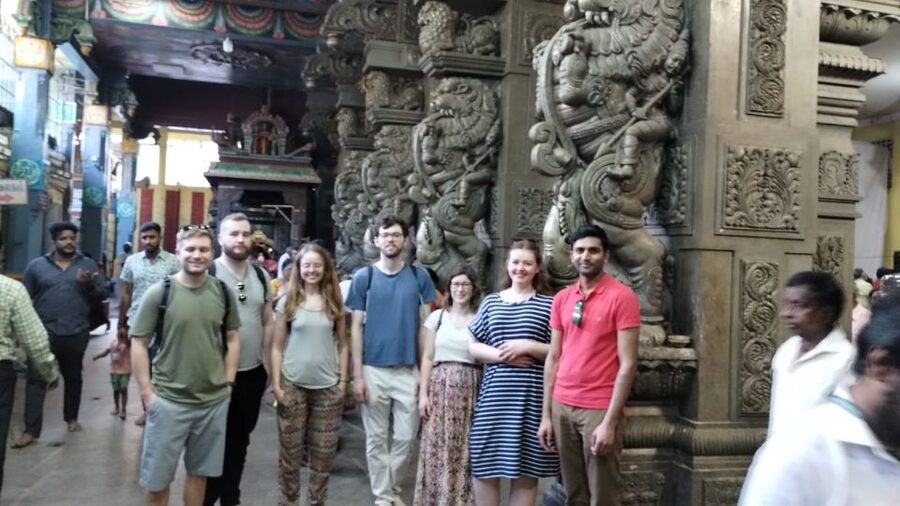
Next comes Dare House, an art deco building that the tour presents as iconic and heavily tied to local business history. It served as the headquarters of Parrys company, named after Thomas Parry, a Welsh free merchant of Chennai.
The name “Dare” in Dare House connects to John Dare, Parry’s business partner. That detail is more than trivia. It gives you a human thread through the architecture, like you’re spotting the personalities behind the walls.
What I like about this stop is the shift in tone. You start the tour with the fortress and political story, then you move into religion and law, and now you’re in the commercial world. Chennai’s old center isn’t only about rulers. It’s also about merchants, supply chains, and the people who organized trade.
The route position is also smart. After the larger institutional buildings, Dare House gives you a more visually distinct landmark, so you can keep your mental map. In a walk like this, it helps to have at least one or two “anchor buildings” that you remember later when you’re back in a taxi trying to explain what you saw.
China Bazaar Road: utensils, cosmetics, clothes, and street chatter
From there, you head to Netaji Subhash Chandra Bose Road, also called China Bazaar Road. On this stretch, the tour shifts from monuments to commerce. You’ll walk past a market area famous for utensils, cosmetics, and clothes, so you get a sense of what people actually buy and use day to day.
The tour also frames this as the evolution from a small trading post into a larger city over just a couple centuries. That’s a helpful interpretation to carry while you’re looking at shopfronts. Instead of seeing a row of stores, you start noticing patterns, like how goods cluster in the same places for years.
One of the points highlighted is the energy of the bazaar, including a sense of color and lively street sound. You’ll get time to see it, not just march through it. And since this is a walking tour, you’ll feel the pace of the area, including how shoppers move and how stalls are arranged along the road.
Food is not listed as included, but this is the part of the walk where you’ll likely want a small break. The route naturally gives you opportunities to grab a local snack or a regional beverage on your own terms and budget. If you’re keeping your stomach calm, plan a quick stop here and save full meals for later.
A different shape of Chennai day:
- Mahabalipuram tour by Tourism Ministry approved company
★ 5.0 · 405 reviews - Mahabalipuram & Kanchipuram by tourism ministry approved company
★ 5.0 · 264 reviews - Chennai tour in car with guide-winner of traveller’s choice award
★ 5.0 · 258 reviews - Mahabalipuram Private tour from Chennai by car with guide and lunch by Wonder
★ 5.0 · 137 reviews
Armenian trade streets and the Armenian Church stop
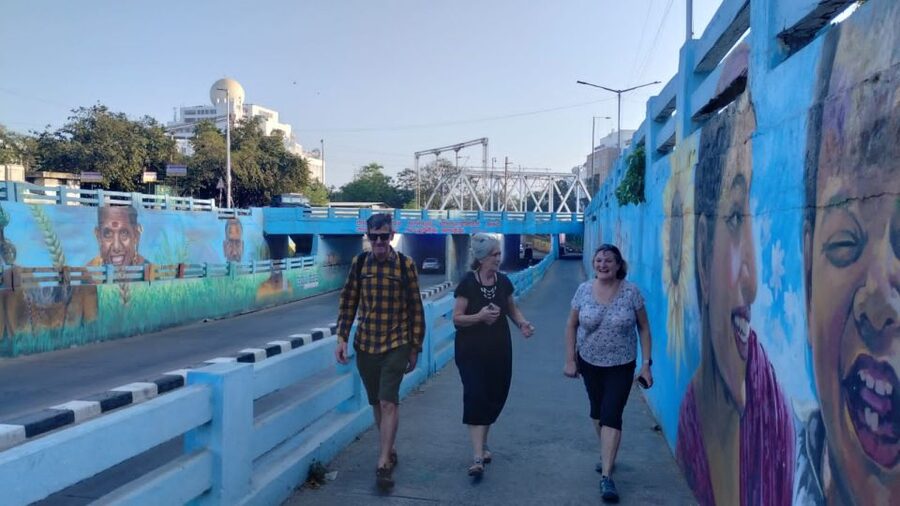
One of the most memorable sections is the Armenian story. The tour takes you past a street where Armenian refugees set up trade for silk, spices, and gems about 300 years ago. That is a specific detail, and it changes how you read the market.
When migration shows up in a place like this, it leaves traces. Not only in surnames or a church name, but in what kinds of goods connect to certain streets. This stop helps you understand why marketplaces can feel multicultural even when you’re not thinking about history.
Then you visit the Armenian Church. The tour positions it as a unique stop for a more immersive experience, which in practice means you slow down a touch and focus on place, not shopping. For many people, this is the moment when the tour stops feeling like a list of landmarks and starts feeling like a complete story about who lived here, who traded here, and how they built community.
If you like the “people behind the buildings” angle, this is where you’ll feel the most payoff. Even if your history knowledge is basic, the route makes it easy to connect Armenian trade to the bigger Chennai trading network you’re learning about at Fort St George.
How long the walk feels, what to wear, and where to grab a snack
The total time is 3 to 3.5 hours, and it’s a walking tour, so comfort matters. You’ll be moving between sites that are close enough to do in one half-day, but it is still a commitment if you’re coming from a long flight day or packing in other activities right afterward.
Dress code is part of your planning. Shorts, short skirts, and sleeveless shirts are not allowed. That’s not just a formality. Churches and older religious sites usually have stricter expectations, so bring something that covers your legs and shoulders. If you’re traveling in hot weather, choose lightweight long pants and a breathable top.
Food is not included, so don’t expect meals to be baked into the price. Still, the route includes a food street and time to taste a local snack, with your own purchases likely happening during the bazaar portion. The practical approach is to carry a light appetite and then pick one snack rather than trying to sample everything at once.
Also note the Friday museum closure. If your trip lands on a Friday, you still get the walking and the major stops like St Mary’s Church, Madras High Court, Dare House, and the market areas. The only shift is that museum piece.
Price and value: what $49 covers in a small group of 10
At $49 per person, this tour is priced like a practical history walk rather than a long, ticket-heavy day tour. You’re paying for a live English guide, small group time, and included entrance for the stops on the itinerary.
The small group size is a real value driver. Limited to 10 participants, it’s easier to hear explanations and keep momentum without feeling like you’re constantly dodging other groups. The guide quality is also heavily emphasized, with people praising how guides handle questions and keep the pace unhurried.
So is it worth it? If you want to understand Chennai beyond modern street life, and you like learning while you walk, yes. You’re getting a compact route that connects political history (British East India roots, independence), architecture (Gothic High Court, older Anglican church), business landmarks (Parrys and Dare House), and market street economics (China Bazaar and trade networks).
If you only want shopping and don’t care about context, you might find a pure market experience cheaper. But for most visitors, the story layer is the reason this feels like more than just walking around old streets.
Who this George Town tour suits best
This is a strong choice for history-minded visitors who still want to be out on the streets, not trapped in a car with a soundtrack. It also suits people who like architecture, because the route includes recognizable landmarks and gives you a way to understand why they look the way they do.
It’s also a good fit if you’re traveling with limited time. A half-day format means you can do it early, then return to markets later on your own with better context.
If you’re traveling with someone who hates churches or who cannot handle dress code rules, you may need to rethink. The tour is built around religious and civic sites, and it expects covered clothing.
Should you book the Chennai George Town Origins walk?
Book it if you want a guided walk that connects the big colonial story to the everyday market streets of George Town. The included entrance, the small group size, and the guided explanations tied to specific places make it feel like solid value for the time.
Skip it only if history context is not your thing, or if you know you can’t follow the dress requirements. Otherwise, this is one of the easiest ways to see Chennai’s layers in a single, focused morning or early afternoon window.
FAQ
Where is the meeting point?
You meet your guide at the entrance of Fort St George.
How long is the tour?
The tour runs about 3 to 3.5 hours.
Is food included in the price?
Food is listed as not included. The route passes market and food areas where you can buy snacks on your own.
What happens if I book for a Friday?
The museum stop is excluded on Fridays because it is closed that day.
Are there dress requirements?
Yes. Shorts, short skirts, and sleeveless shirts are not allowed.
Is the tour guide English-speaking?
The tour offers a live guide in English.
Is pickup available from a hotel?
Pickup is optional from the hotel lobby.
Latest reviews in from Chennai
- Marina Beach walking tour by tourism ministry approved company★ 5.0 · 45 reviews
- Following the foot steps of St Thomas in Chennai★ 5.0 · 45 reviews
- Private Peacock Trail Walking Tour in Mylapore★ 5.0 · 50 reviews
- British Architecture Walk, an immersive walking tour in Chennai★ 5.0 · 60 reviews
- Private Bazaar Trail Walking Tour in George Town★ 5.0 · 66 reviews
- Full-Day Private Tour to the Kanchipuram Temples from Chennai★ 5.0 · 73 reviews
- Total Chennai city tour in Private car with guide & lunch by Wonder tours★ 5.0 · 79 reviews
- Sowcarpet Street Food Walking Tour in Chennai with guide★ 5.0 · 83 reviews
Walking Tours, compared.

The Great Indian Food Tour: Old Delhi Food and Heritage Walk
Read our review →
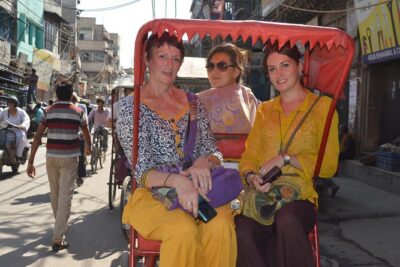
Old Delhi Food, Heritage&Cultural Walk with Rickshaw ride to Masterji Kee Haveli
Read our review →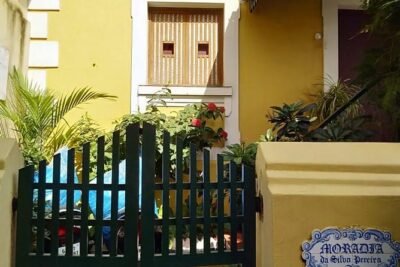
Fontainhas Heritage Walk At Latin Quarters of Goa
Read our review →Browse the lists this tour appears in