
Reviewed · HERITAGE WALKS
Exploring Georgetown: A Heritage Walking Tour of Chennai
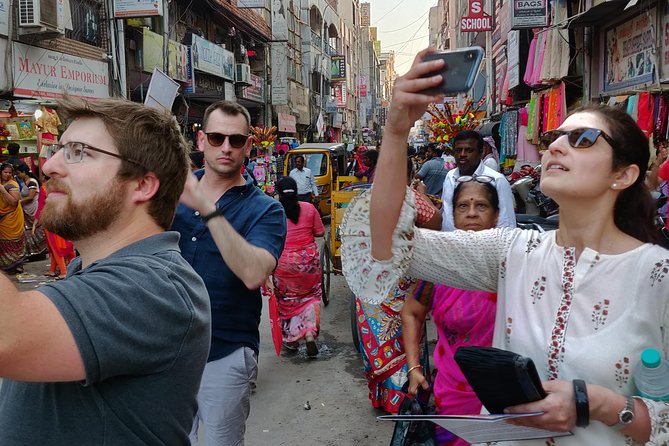
George Town in Chennai is one of those places where history isn’t in a museum, it’s in the street life. This 2.5-hour walking tour turns that maze of bazaars and landmarks into a clear route you can follow, with a guide to connect the dots. I especially like the market start at Kotwal Chavadi Market and the way the walk includes major sights like Madras High Court, not just street scenery. One thing to consider is that shop activity in the bazaar can run later in the day, so arriving on time matters for what you’ll actually see.
I also like that this isn’t a long, exhausting hike. It’s paced for a real neighbourhood feel, with bottled water and snacks and site admission tickets included along the way. And since it’s private, you won’t be shuffled into a random crowd, you’ll move as your group with the guide.
Key points to know before you go
- George Town’s Black Town origins: the area’s story runs from Fort St. George trade to the 1910 renaming.
- Kotwal Chavadi Market first: start in a wholesale-style shopping world where you’ll spot the area’s trading DNA fast.
- Madras High Court stop: the 1862 Queen Victoria connection and Indo-Saracenic architecture give you a real landmark anchor.
- Armenian Church context: a trade history linked to Armenian refugees and long-running commerce.
- Dare House #234 and Parry’s: an Art Deco building tied to Thomas Parry, a Welsh founder of Parry’s.
- Value at $29: guided, timed stops plus admissions, water, and snacks, all wrapped into one straightforward price.
George Town’s street markets plus real landmarks in 2.5 hours
If you like travel that feels grounded, George Town works. You’re walking through a working trading district with lanes, warehouses, wholesale stalls, and retail shops, not a themed version of one. The big win here is that the guide keeps the neighbourhood readable, from its old Black Town roots to today’s practical shopping.
This area came together in the late 1600s after the founding of Fort St. George. Local residents moved in to trade and do business with the fort, and a portion of the original Black Town was later flattened in the 1700s to create an open area just outside the fort. People resettled beyond that open space, and the area you see today carries that layered history.
By the mid-1800s, the open area (old Black Town) became the site for the grand Madras High Court building. Then in 1910, when King George visited India, Black Town was renamed Georgetown. The name change is one neat marker, but the more interesting part is how the trading economy stayed. You can still picture how the whole place functioned: the market lanes, specialty shopping, and the way commerce spills onto the street.
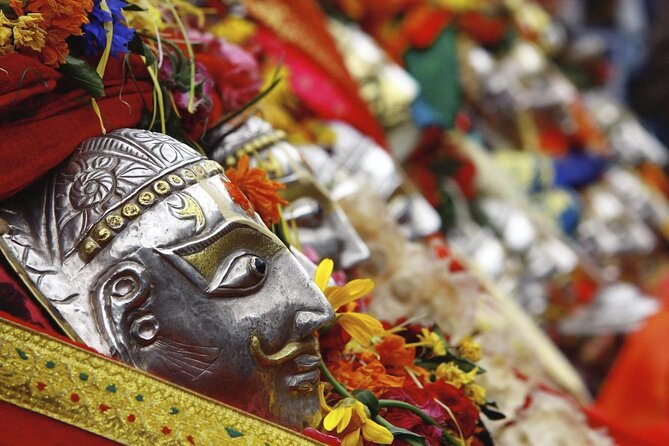
For your planning, think of this as a history walk with shopping district energy. You’ll get context, but you’ll also get the sensory stuff: spice colors, fabric textures, and the overall rhythm of a market neighbourhood.
More Walking Tours in Chennai
- Gods of Mylapore walking tour- tourism ministry approved company
★ 5.0 · 267 reviews - Georgetown heritage walking tour in Chennai about the founding of Chennai
★ 5.0 · 144 reviews - Mahabalipuram walking tour by tourism ministry approved company
★ 5.0 · 102 reviews
Starting at Kotwal Chavadi Market, where wholesale energy sets the tone
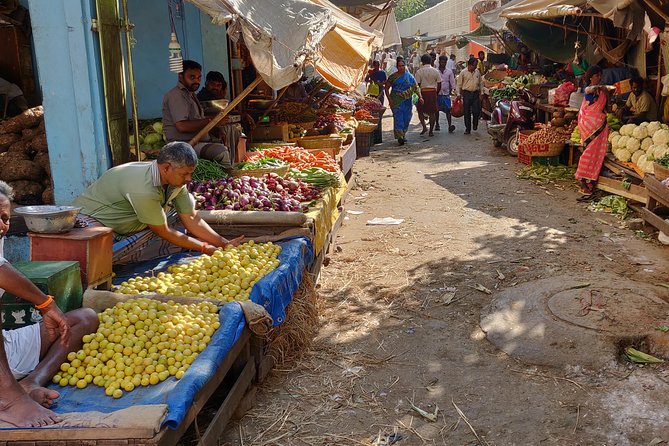
The walk begins at Kotwal Chavadi Market. This is where George Town shows its true character: a busy wholesale-style market area where practically anything that can be legally sold is for sale, if you can find the right stall and ask the right questions.
You’ll have about an hour here, and that’s the right length. Long enough to get your bearings, short enough that you won’t end up exhausted before the landmark stops.
What I like about this start is that it gives you a living context. Before you look at buildings, you understand why the area exists. You’re seeing the trading logic that drove the settlement patterns, the market setup, and the later institutional buildings.
A practical note: bazaar life can be timing-sensitive. One past issue pointed out that the meeting point plan can shift, and shop activity may be limited at first. Even if the official plan is set, you can help yourself by showing up promptly at the meeting spot so your guide can place your group where the day’s momentum is.
Tip for you: wear comfy shoes with grip. This is a market walk, so expect uneven surfaces and lots of foot traffic. Also, keep your water bottle handy until the tour’s bottled water and snacks kick in during the route.
Madras High Court: Indo-Saracenic architecture you can read on foot
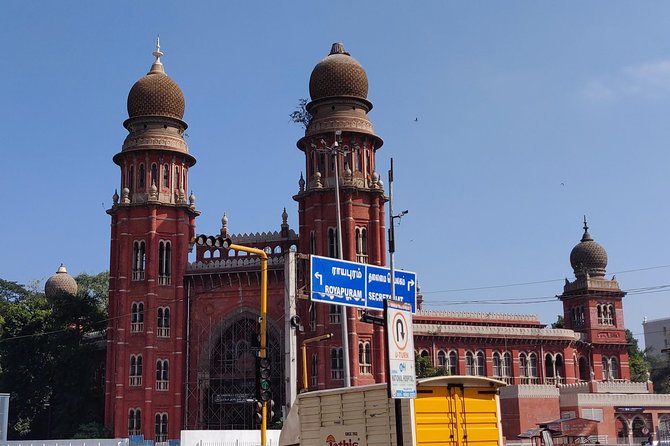
After the market, you move to the Madras High Court, one of Chennai’s most recognizable buildings. You’ll get around 30 minutes here, with admission included.
This stop matters because it connects George Town’s commercial roots to the formal power of the colonial era. The court was originally established in 1862 by a decree from Queen Victoria, and the building’s look reflects that grand 19th-century ambition.
Architecturally, it’s described as Indo-Saracenic. On a guided walk, that phrase is more than trivia. It helps you notice how the design blends different influences rather than copying one style. You’ll likely be asked to look at details like the massing, the way the building frames space, and the overall grandeur compared with the market lanes you just left behind.
What you’ll enjoy most is the contrast. The court building gives you scale and symmetry, while the bazaar gives you density and movement. Together, they make Georgetown feel like one coherent story: trade grew, institutions formed, and the landscape evolved around both.
A small consideration: this is one of those spots where your time flies because there’s a lot to see, and you’ll probably want photos. Keep your camera ready, but don’t block the flow. Move with the group, then take a second look if your guide points out specific architectural features.
Armenian Church: a trade neighborhood with overseas connections
The next stop is the Armenian Church. You’ll have about 30 minutes here, again with admission included.
This is a different kind of landmark stop, more reflective, more human-scale. The area’s Armenian connection comes from refugees who established trade in silk, spices, and gems over 300 years ago. That’s a strong detail, and it helps explain why an Armenian church belongs in a Chennai market district story. It’s another piece of the trading network puzzle, with ties that reached beyond the local shoreline economy.
When you’re walking, look for how the street setting supports the church’s role. Even if you’re just passing through a neighbourhood lane, you’ll feel that this wasn’t only about commerce. It was also about community, belonging, and institutions built by people who expected to stay.
What I like for you: this stop slows the pace just enough to reset your senses. After market noise, you get a calmer atmosphere, and the context about trade in high-value goods makes the whole Georgetown story feel more global.
If you’re the type who likes asking small questions, this is a good moment to do it. Your guide can often connect the church with the broader trading patterns of the area, including how specialties moved through market streets.
More Heritage Walks in Chennai:
- Fontainhas Heritage Walk by Make It Happen
★ 5.0 · 2,834 reviews - The Great Indian Food Tour: Old Delhi Food and Heritage Walk
★ 5.0 · 1,698 reviews - Old Goa Heritage Walk by Make It Happen
★ 5.0 · 797 reviews - Fontainhas Heritage Walk At Latin Quarters of Goa
★ 5.0 · 531 reviews
Dare House #234 and Parry’s: Art Deco commerce in a market quarter
The final heritage landmark stop is Dare House #234. Plan on about 15 minutes here, with admission included.
Dare House is known for its Art Deco look, and it has a very specific history tied to Parry’s company. The building once served as headquarters for Parry’s, founded by Thomas Parry, a Welshman and one of Chennai’s first free merchants.
This is one of those stops that makes a market district feel layered in time. You started in the old trading geography, walked through a major legal institution, then met a church tied to overseas trade communities. Now you end with an Art Deco corporate marker from a later era, when trade power showed up in office architecture too.
With only 15 minutes, the goal isn’t to get lost in a building tour. It’s to notice the style, connect it to the Parry’s story, and understand how business life shaped Georgetown’s built environment.
A quick practical thought: if you’re the kind of visitor who wants long photo pauses, this is your time to compromise. Take a few quick shots, then listen for the guide’s key points so you get the meaning, not just the view.
Price and value: what $29 covers and why that matters
At $29 per person for about 2 hours 30 minutes, this tour is priced like a focused guided experience, not a long sightseeing day. What makes it feel like good value is how much is bundled in.
You’re getting:
- A guide
- Bottled water and snacks
- Admission tickets included for the listed stops
- All fees and taxes included
- A mobile ticket
- Pickup offered (based on the tour option)
Those details add up, especially admission. If you were to plan these sites on your own, you’d likely spend time figuring out where to go, when to arrive, and how to coordinate entry. Here, your route is already stitched together into a workable flow.
The other value layer is logistics simplicity. Mobile ticketing cuts down on friction at check-in. Group discounts are offered too, which can help if you’re travelling with friends.
And since it’s a private tour/activity, you’re not stuck with a random mix of walking speeds. That matters in a market area, where people naturally move at different tempos and distractions.
How pickup, meeting point, and timing affect what you see
Pickup is offered, and you start at C1 Flower Bazaar Police Station, 37QJ+8MW, Rattan Bazaar Rd, Rattan Bazaar, George Town, Chennai, Tamil Nadu 600001. The tour ends in George Town.
That start location is fairly specific. I’d treat it as your anchor, not a suggestion. If you’re coming by public transportation, plan to arrive a little early so you can meet your guide without stress. When markets are involved, small delays can change what shops are open and how lively the streets feel.
There’s also a practical reality: market stalls and shops can open later depending on the day and the specific trade areas. If you’ve got flexible expectations, you’ll enjoy this more. You’re not just checking boxes at attractions, you’re walking through a working trade neighbourhood. Some storefronts may be ready to show off, others may be winding up.
Who should book this George Town walking tour
This is a great choice if you:
- Want a guided route that makes George Town feel understandable
- Like architecture and landmark stops, even in the middle of a market district
- Prefer a moderate walk that still gives you real neighbourhood atmosphere
- Appreciate context, like how Black Town became Georgetown and how trade shaped the area
It’s especially suitable for couples, small groups, and first-timers who want a structured start. Because it’s private, families and friends also benefit if you’re comfortable walking through busy streets for a couple of hours.
If you dislike crowds or are very sensitive to dense street traffic, you might find market areas challenging. This one is built around the market rhythm, so your comfort level with that kind of environment should be a factor.
Final call: should you book?
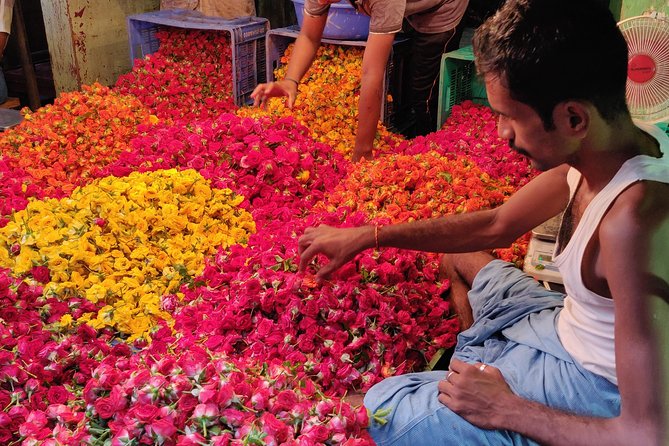
I’d book this tour if you want the best of George Town in one short, well-guided walking loop. The combination of market context plus landmark stops like Madras High Court, the Armenian Church, and Dare House gives you a fuller picture than a pure street stroll.
It’s also a smart value at $29 because admission is included and the tour provides bottled water and snacks. The one caution I’d keep in mind is timing. Show up on schedule so you get the most active market experience, and be ready for the fact that a working bazaar can be uneven in how open it feels at different times of day.
If that sounds like your kind of Chennai, this walk will help you see the neighbourhood as a story, not just a collection of places.
More Historical Tours in Chennai
- Chennai Heritage & Cultural Walk (2 Hours Guided Walking Tour)
★ 3.5 · 32 reviews - Old Delhi Food, Heritage&Cultural Walk with Rickshaw ride to Masterji Kee Haveli
★ 5.0 · 742 reviews - Blue City Heritage Private Walking Tour With Pickup and Drop-Off
★ 5.0 · 441 reviews - Kolkata Heritage Tram Tour
★ 4.0 · 395 reviews
Latest reviews in from Chennai
- Chola trail to the Golden Triangle of South India from Chennai★ 5.0 · 16 reviews
- Pondicherry in a day from Chennai to experience french legacy★ 5.0 · 16 reviews
- South Indian Vegetarian Cooking Class in Chennai with Meena★ 5.0 · 17 reviews
- Delicious Food Trail: Explore Sowcarpet Market’s Culinary Delight★ 5.0 · 18 reviews
- Experience Mylapore: Enriching Walking Trail Tour★ 5.0 · 18 reviews
- Food Walk Tour Chennai★ 4.0 · 19 reviews
- Explore Chennai City: Guided Walking Tour on Foot★ 4.3 · 22 reviews
- Shopping and Bazaar trail in Chennai★ 5.0 · 23 reviews
Heritage Walks, compared.
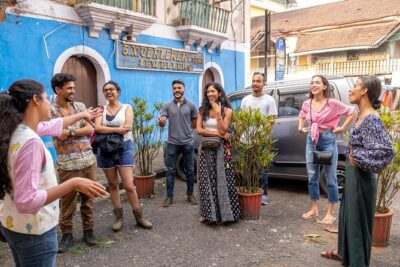

The Great Indian Food Tour: Old Delhi Food and Heritage Walk
Read our review →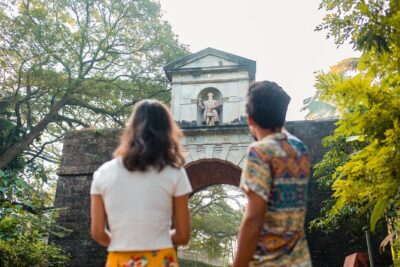
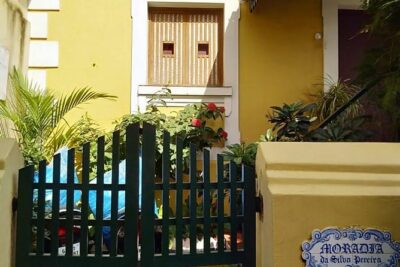
Fontainhas Heritage Walk At Latin Quarters of Goa
Read our review →
Private Heritage Walking Tour in Jaisalmer Fort and Old Bazaar
Read our review →

Browse the lists this tour appears in