
Reviewed · WALKING TOURS
Spiritual Walk Tour Trivandrum (Guided Walking Experience)
Trivandrum’s fort area can feel like a neat map of temples and walls. This experience makes it more interesting by turning the walk into a guided story about spiritual practice, with links to local life and even science. When guides like Gokul or Siddharth lead the route, the city starts to feel organized around faith, not just landmarks.
I especially like two things here. First, the guide keeps the pace human, with time for questions and for you to actually look at what’s in front of you. Second, you get inside access to places most people only see from the roadside, including the main temple focus at Sree Padmanabhaswamy.
One consideration: the temples have real dress rules. If you show up in shorts, sleeveless tops, or short skirts, you’ll spend part of your 2 hours adjusting your outfit instead of enjoying the meanings behind what you’re seeing.
Key things I’d put on your radar
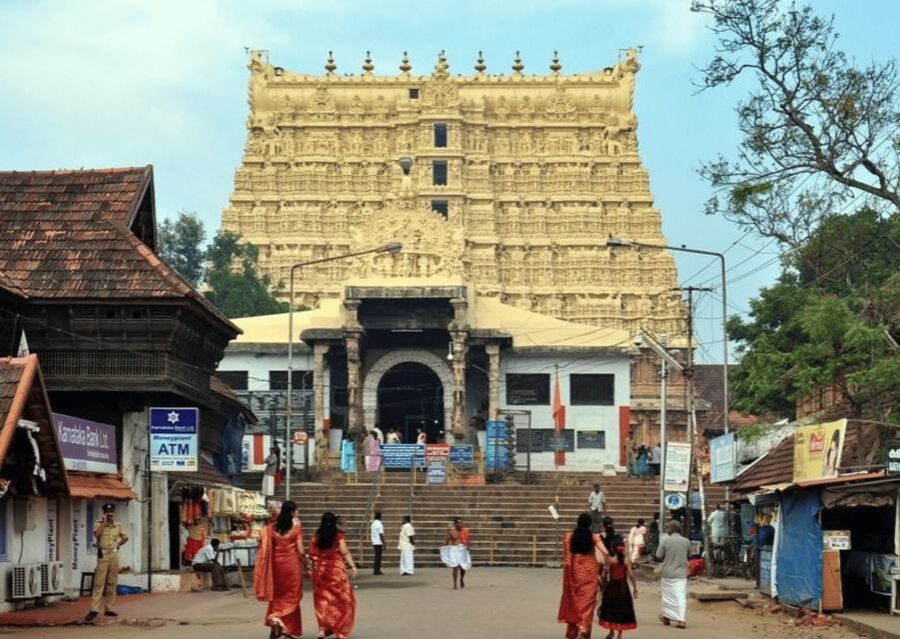
- Fort-area walking route that stitches together temples, palace spaces, and quieter lanes
- Temple time that’s not rushed, with chances to pause, ask questions, and take photos when allowed
- A guide-led connection of spirituality and everyday logic, not just dates and dates
- Sree Padmanabhaswamy Temple visit, often described as the world’s richest temple in popular talk
- Palace museum stop tied to royal Trivandrum culture, not only religious sites
- Helpful local tips for saving money and planning what to do next in the city
Why Trivandrum’s fort zone feels different with a guide
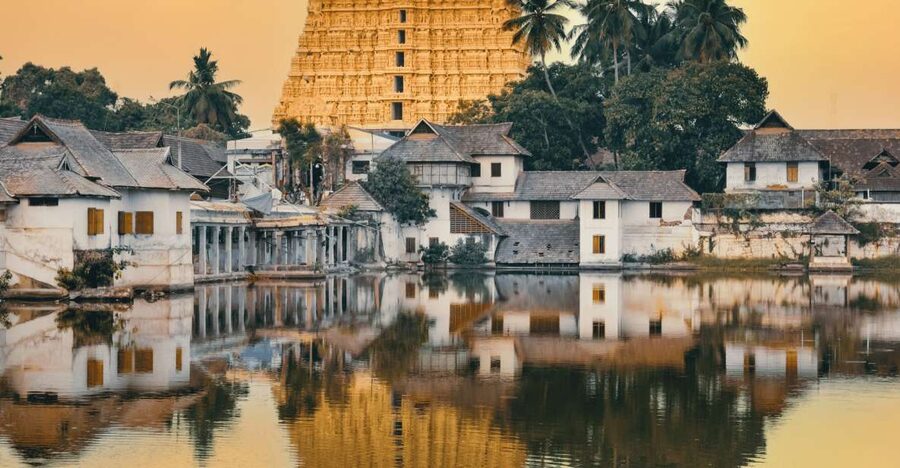
This walk works because it’s built around “how to see.” You’re not just checking off sacred buildings. You’re learning what to notice: how people move through a temple space, why certain areas matter, and how the city’s layout supports devotion.
The guide approach is more like storytelling with a point. They share facts, but they also explain how rituals function and what they mean in daily life. It’s the kind of explanation that helps you connect the dots, even if you do not consider yourself a temple person.
At $14 for a 2-hour experience, it’s also one of the easier add-ons if you want something meaningful without committing a full day. You’ll walk enough to feel like you did something, and you’ll get enough context that it does not turn into a blur of stone and incense.
More Walking Tours in Trivandrum:
- Heritage & Cultural Walk of Trivandrum 2 Hour Guided Walking Tour
★ 4.5 · 29 reviews - Heritage & Cultural Walk of Trivandrum Guided Walking Tour
★ 4.4 · 19 reviews - Fontainhas Heritage Walk by Make It Happen
★ 5.0 · 2,834 reviews
The guide style: infotainment, questions, and calm pacing
What I like about this setup is how it handles attention. The tour is designed to stay interesting whether you’re into religion, history, or neither. You’ll hear explanations that link spirituality, religion, and science, presented in a way that makes the ideas feel less distant.
You’re also encouraged to slow down when you need to. Multiple guides mentioned in past groups are patient, willing to repeat things, and careful about timing. That matters in temples, where your best “wow” moments often happen when you’re not being marched along.
If you pick a slot like the popular evening timing, you might get extra atmosphere. One guide-led group experience described starting at 5 pm for colored lights and a strong temple mood. That doesn’t mean every departure will feel the same, but it’s a good reason to check what time works for you.
East Fort start: getting oriented fast
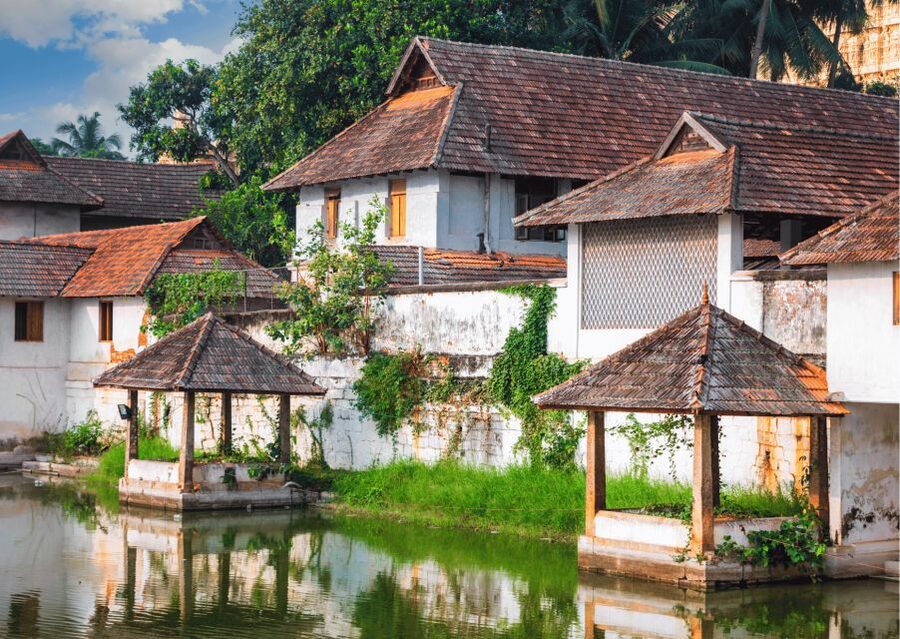
Starting at East Fort is smart. It quickly pulls you out of the mindset of a single temple visit and into the reality of a fort-shaped city. This area helps you understand how Trivandrum developed, where power and faith expressed themselves, and why so many important spots cluster close together.
The walking begins with guided direction, which helps you navigate the smaller lanes and side spaces without getting lost. That local routing is one of the practical advantages of a guide, because fort areas can look simple on maps but feel confusing on foot.
If you’re the kind of traveler who likes to understand a city’s “logic” early, you’ll enjoy this part. It sets you up to recognize patterns later, like how temple routes, palace structures, and community spaces relate to one another.
Ananthankadu Sree Nagaraja Temple Trust: a quieter kind of sacred
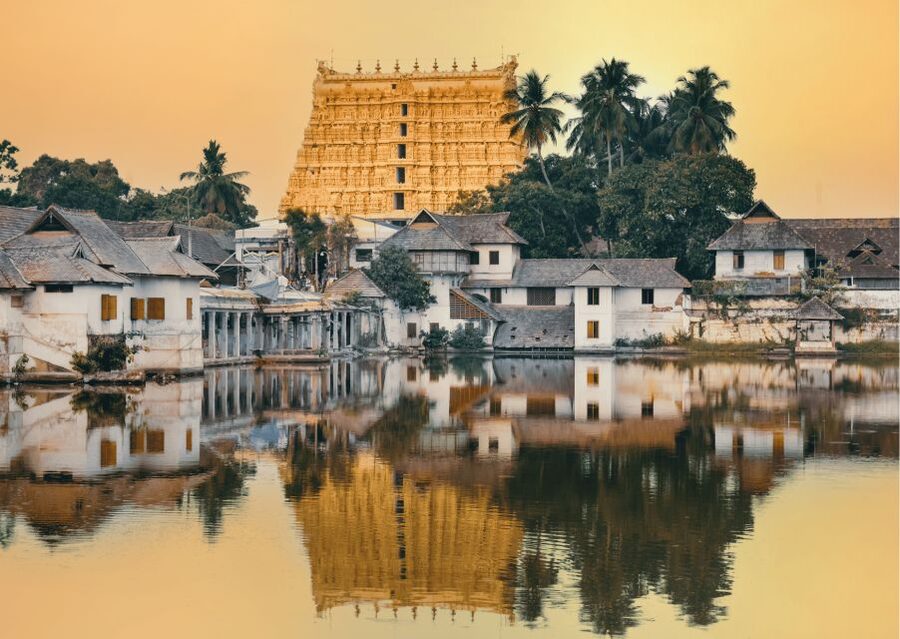
The first real temple stop on the route is Ananthankadu Sree Nagaraja Temple Trust. This is where the tour starts shaping your perspective around local belief systems, not just famous names.
You’ll get a guided segment here (about 30 minutes), which is enough time to ask questions without feeling like you have to hurry through. That’s important, because sacred spaces often have details that mean more when someone explains them at the right moment.
The drawback is simple: quiet temples can also mean fewer English or Hindi cues you would notice on your own. If you rely only on signage, you might miss some context. With this tour, the guide fills that gap by pointing out what to watch for, and what behaviors the space expects from you.
Kuthira Maliga Palace Museum and royal Trivandrum culture
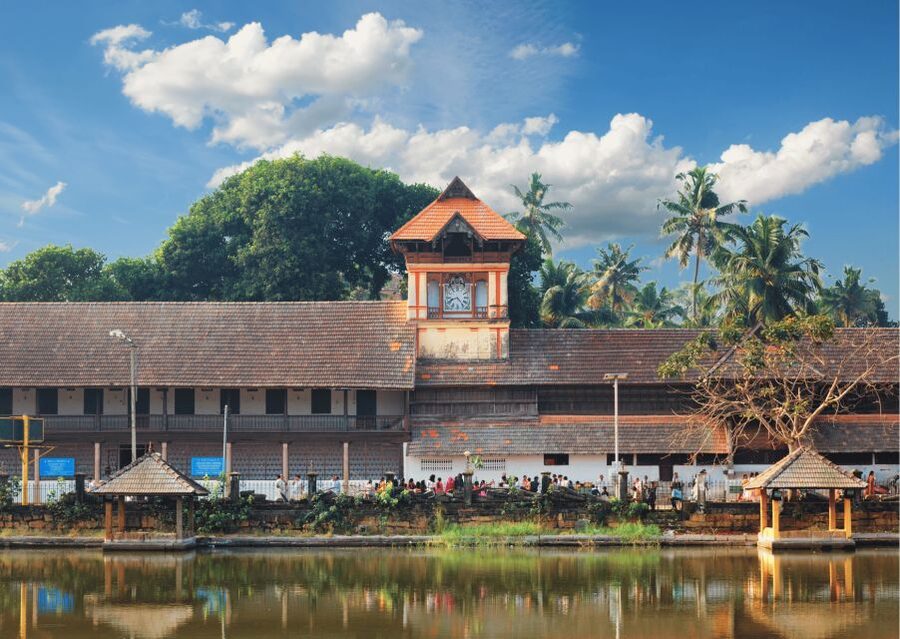
A big part of what makes this experience more than a temple walk is the palace side of the story. The tour includes Kuthira Maliga Palace Museum, where you’ll get a guided visit and time to take in the royal context.
This is where you learn that Trivandrum’s spirituality did not exist in isolation. Royal residences, museum spaces, and court-linked cultural traditions shaped the public face of faith and patronage. The highlight list also frames this stop as part of Maharaja Swathi Thirunal’s former royal residence museum world, which makes the connection feel very grounded.
One practical benefit: a museum or palace space gives you a different pace inside a short walk. Temples are about ritual and atmosphere. Palace museum time is about objects, rooms, and explanations that help you build a bigger picture of who influenced what, and why.
Methan Mani: a stop that turns small details into meaning
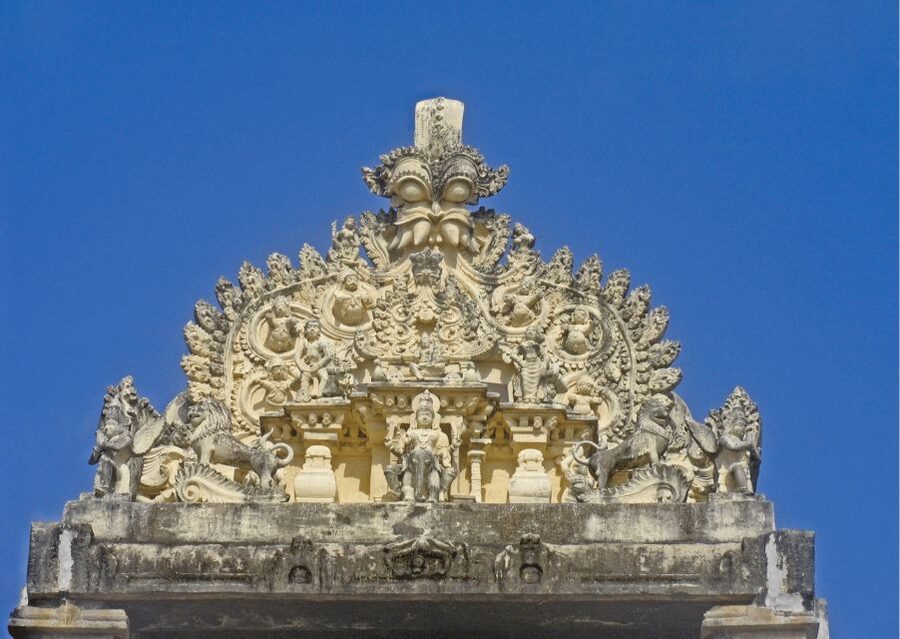
Methan Mani is included as a guided stop (about 30 minutes). The name alone does not tell you much if you only know famous tourist sites, so I like that the guide uses this part to teach you how to read the city.
When you’re in walking mode, small landmarks can become important because you start noticing transitions. A gate. A lane turn. A change in sound. A shift from open road to sacred quiet. This stop helps you notice those transitions, and it fits the tour’s theme of learning to see inward, not just outward.
Because details for Methan Mani are not the same kind of obvious as a major temple monument, this is the part of the tour where you’ll get the most benefit from asking questions. If you want a passive sightseeing experience only, you might find this segment less instantly satisfying than the main temple. But if you like stories and context, it can become one of the more memorable parts.
Sree Padmanabhaswamy Temple: the world-richest legend, handled with respect
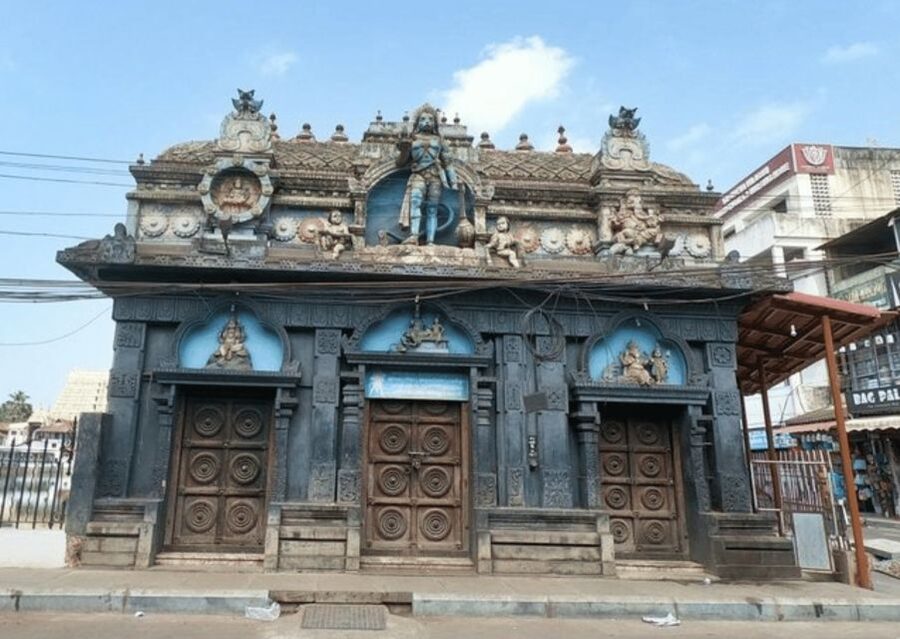
The main spiritual centerpiece is Sree Padmanabhaswamy Temple, a visit widely considered to be the world’s richest. That famous label can sound like trivia, but the tour focuses on the real point: what devotion looks like in practice.
You’ll have guided time here (about 30 minutes). One of the best practical aspects is that you get more than a quick look from outside. The walk is designed to help you experience temple spaces properly, including how to move through and what to pay attention to.
Photo rules are something to respect here. In past experiences, guides issued gentle warnings about when to take photos. That’s normal in temple environments, and it’s part of being a respectful guest.
If you can time your visit for an evening slot, you might catch extra atmosphere, including the mood around puja periods and colored lighting. But even without that timing, the sheer scale and ritual focus of Sree Padmanabhaswamy is enough to make the stop feel like the heart of the walk.
Sundara Vilasom Palace, West Fort, and the big-picture city read
After the main temple focus, the route brings you through more of the fort zone, including West Fort. You’ll also see Sundara Vilasom Palace mentioned as a highlighted part of the experience, and that palace context matters because it explains how royal culture and sacred culture coexisted in the same urban space.
This section of the walk is good for building a “city mental map.” You start linking what you saw in earlier stops to what you’re seeing now. Instead of thinking of temples as isolated buildings, you understand them as points in a wider urban design.
West Fort, in particular, helps you land the experience with a sense of completion. You finish here at the Pazhavangadi area, where the walk turns toward final temple-linked stops and the end point.
It’s also where you’ll feel the benefit of having insider routing. Fort areas can make you second-guess directions. A guide removes that stress so you can focus on observation.
Pazhavangadi Ganapathi Temple and Padmatheertha Pond: closing on place and ritual
The highlight list includes Pazhavangadi Ganapathi Temple and Padmatheertha Pond. Near the finish, these stops give the tour a satisfying balance between deity-focused worship and the significance of surrounding sacred spaces.
Ganapathi temple visits are often a big deal in Kerala devotion patterns, and it helps that this tour includes it inside a walking circuit. You’re not repeating the same kind of view. You’re seeing how another form of reverence shows up in this part of Trivandrum.
Padmatheertha Pond adds another layer, because ponds and water features are typically tied to ritual life in temple areas. Even if you do not know the background, a guide can explain what the pond’s place means in the overall experience you just followed.
By the time you reach the finish near West Fort in Thiruvananthapuram, you should feel like you understand the area as a whole. That is the real win. You leave with more than photos.
Price and time: is $14 actually good value?
Let’s be practical. This is a 2-hour walking experience for $14 per person, with a trained English and Hindi guide. In that time, you cover multiple major points, including Sree Padmanabhaswamy Temple plus palace museum culture and additional temple-linked stops.
What makes the cost feel fair is the combination of three things:
- You get guided access inside temple spaces, not only a quick look.
- You get explanations tailored to what you’re standing in front of.
- You get local tips for saving money and deciding what to do next.
Also, the duration matters. Two hours is short enough that you can do it on a travel day without losing half the afternoon. Yet it’s long enough for the guide to build context and let you ask questions.
The main trade-off is you are walking. There’s no hotel pickup included, so you’ll need to get yourself to East Fort and back to the West Fort finish point on your own.
What to bring, what to wear, and what will slow you down
The tour asks you to wear comfortable clothes. You also have clear restrictions: no short skirts, no shorts, and no sleeveless shirts. That dress rule is not a minor detail. It affects your comfort, especially in temples where you may be standing, walking at a slow pace, or waiting for the right moment to move.
Plan for temple norms too. One past group noted removing shoes and being ready to walk barefooted. Another mentioned avoiding hats. These are not written into every line of the tour info, but temple etiquette in India often follows that pattern, so treat it as likely.
One more practical thing: a water bottle is not included. If you’re doing this in warmer hours, bring water and consider a small snack if you know you get hungry while walking.
If you like to carry lots of stuff, you might want a light day bag. You’ll want your hands free for photos and for following the guide’s instructions.
Who this tour suits best, and who might not love it
This experience is ideal if you want a spiritual and cultural orientation to Trivandrum without spending days chasing separate attractions. It’s also a strong fit if you enjoy explanations and want to ask questions in English or Hindi.
I’d also recommend it if you get annoyed by tours that only point and move on. Here, the emphasis is on spending time inside sacred spaces and learning what to notice.
On the other hand, if temples make you uncomfortable, or if you want strictly secular sightseeing, this might feel too religious. If you dislike walking in dress-restricted environments, the clothing rules could make it less enjoyable.
If you are a solo traveler, this can be a calmer way to visit complex temple sites, since the guide helps with access and etiquette. And if you’re traveling with family, the pacing is described as patient and thoughtful in past experiences, which usually helps when people move at different speeds.
Should you book the Spiritual Walk Tour in Trivandrum?
Book it if you want your Trivandrum day to feel connected. You’ll leave with a better mental map of the fort area, a deeper sense of how devotion works, and practical guidance for where to go next.
Consider skipping if you only want the biggest iconic sights with minimal explanation, or if you know you won’t handle temple dress rules comfortably. Also, go in knowing this is a walking route with a start at East Fort and a finish near West Fort and Pazhavangadi.
If you like guided context and calm temple time, $14 for a 2-hour guided route is a solid value.
FAQ
What is the duration of the Spiritual Walk Tour Trivandrum?
The tour runs for about 2 hours.
Where does the tour start and where does it end?
It starts at East Fort and finishes at West Fort, Pazhavangadi, Thiruvananthapuram, Kerala, India.
What languages are the guides available in?
The live tour guide speaks English and Hindi.
What is included in the tour price?
Included are a friendly English and Hindi guide, local tips and recommendations to save money and explore the best of the city, access to hidden lanes and places, and conversations and stories during the walk.
What is not included?
Hotel pickup and drop are not included. A water bottle is not included, and drinks and food other than what is mentioned are not included.
Do I need to bring anything specific?
Wear comfortable clothes. It’s also a good idea to be prepared for temple rules, since certain clothing and behaviors are required.
What clothing is not allowed?
Short skirts, shorts, and sleeveless shirts are not allowed.
What is the cancellation policy?
Free cancellation is available up to 24 hours in advance for a full refund.
Is reserve now, pay later available?
Yes. You can reserve your spot and pay nothing today, depending on availability.
Latest reviews in from Trivandrum
- Heritage & Cultural Walk of Trivandrum 2 Hour Guided Walking Tour★ 4.5 · 29 reviews
- Kayaking in Mangrove Forest of Paravur Backwaters near Varkala and Kollam★ 4.5 · 36 reviews
- Heritage & Cultural Walk of Trivandrum Guided Walking Tour★ 4.4 · 19 reviews
Walking Tours, compared.


The Great Indian Food Tour: Old Delhi Food and Heritage Walk
Read our review →
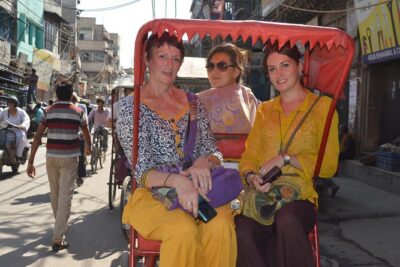
Old Delhi Food, Heritage&Cultural Walk with Rickshaw ride to Masterji Kee Haveli
Read our review →
Fontainhas Heritage Walk At Latin Quarters of Goa
Read our review →Browse the lists this tour appears in