
Reviewed · HISTORICAL TOURS
Heritage & Cultural Walk of Trivandrum 2 Hour Guided Walking Tour
A heritage walk that starts at Kanakakunnu Palace and ends near the Kerala Government Secretariat is a smart way to get your bearings fast in Trivandrum. It is built for people who feel like they are just passing through, because you get guided context as you move from landmark to landmark, including museum stops and places of worship.
What I like most is the story-first guiding style, with a storyteller who can speak English and Hindi, and the way the route mixes famous sights with quieter streets. You also get very practical payoff, like where to eat and shop without wasting your time wandering.
One thing to consider: this is still a walking tour, so you should expect some road crossing and street walking between major stops. Also, it does not include bottled water or snacks, so plan accordingly.
Key things to know before you go
- Kanakakunnu Palace flag area sets the tone immediately, right at the start point
- Napier Museum is specifically included, with details ranging from bronze idols to ivory carvings
- Two museum stops plus churches and a cathedral give you religion and culture context side-by-side
- You move through named local pockets like Rama Rao Lamp and old houses of Kerala
- Connemara Market is part of the walk, including the arched entrance and street-vendor variety
- Most days can work for most travelers, since the route is designed as a short 2-hour introduction
Why this 2-hour Trivandrum walk works as your first outing
If your Trivandrum plan is still flexible, this is the kind of tour that helps you make better decisions the rest of your trip. In two hours, you are not trying to see everything, you are learning how the city is put together, which neighborhoods feel related, and how the landmarks connect.
I like that the focus is on orientation plus stories. You are not just collecting photos at monuments, you are getting commentary about architecture, history, and culture while you walk. That matters in a city where some of the most rewarding bits are often just a few steps off the main road.
You also get a guide who can speak English and Hindi. In practice, that usually means you can ask follow-up questions without the conversation getting stuck, and you can understand the little details that make the stops feel real rather than generic.
More Walking Tours in Trivandrum:
- Spiritual Walk Tour Trivandrum (Guided Walking Experience)
★ 4.6 · 87 reviews - Heritage & Cultural Walk of Trivandrum Guided Walking Tour
★ 4.4 · 19 reviews - Fontainhas Heritage Walk by Make It Happen
★ 5.0 · 2,834 reviews
The walking route: from Kanakakunnu Palace to Palayam
The tour begins at the Kanakakunnu Flag Post (near Kanakakunnu Palace Road) and ends at the Kerala Government Secretariat Main Block area in Palayam, close to the statue landmark. That end point is useful because it often lines up with other sightseeing plans around central areas.
Since it is a walking tour with a set start and end, you should think about how you will get to the beginning on time. It also lists that it is near public transportation, so you should be able to reach the starting point without a long detour.
Time-wise, you are looking at around 2 hours. That is long enough to feel like a complete experience, but short enough to fit after arrival day or before a later activity. If you are staying near central Trivandrum, you will probably find the walking time comfortable. If you are coming from farther out, a quick transport check ahead of time will save you stress.
Kanakakunnu Palace flag stop: a strong start point you can spot
The first stop is the tallest national flag in India flying at Kanakakunnu Palace. It is a clean way to orient you from the first minute, because you have a clear visual marker and a place that feels ceremonial rather than random.
This kind of opening matters on a walking tour. It sets expectations for the tone of the walk, from big public symbolism to the smaller, human-scale details you will see next. You are also starting at a location that is easy to find and easy to regroup around if your group gets separated briefly.
If you like photos that show scale, this is the kind of landmark that delivers without effort. Just remember to be respectful of how people move around the palace area, and keep your pace steady so the group does not stretch too far out.
Napier Museum: art, natural history, and serious artifacts
Next up is the Napier Museum, an art and Natural History Museum built in the 19th century. The stop is not only about the building or collections in general, it is specifically described as home to historical artefacts such as bronze idols, ancient ornaments, a temple chariot, and ivory carvings.
That mix is part of what makes this stop valuable. You get a sense that Trivandrum’s cultural world includes both religious and everyday objects, and you can spot how items move between art, craft, and belief. It is also a good break in the walking rhythm, because museum time lets you slow down and look properly.
One practical consideration: museums can vary in how much you are allowed to photograph and how much time you get inside. Even if you only get a short visit, it is still worth it because the tour frames what you should notice. The guide’s storytelling is what turns a museum into a story, not just a room of items.
Keralam: Museum of History and Heritage plus Mateer Memorial Church
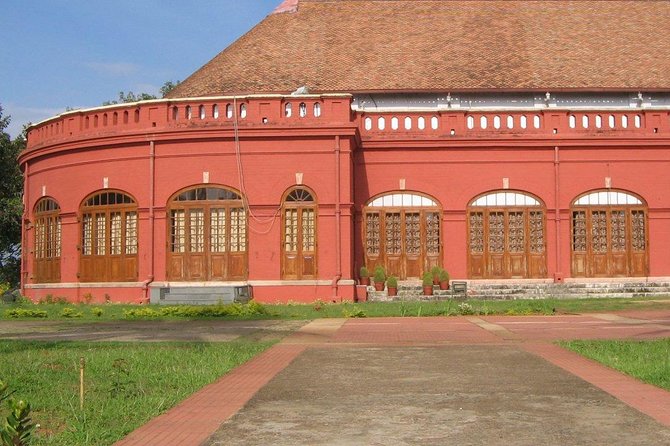
After Napier, the tour includes Keralam, Museum of History and Heritage, paired with Mateer Memorial Church. Seeing these two stops close together helps you read the city in layers.
Museums like Keralam give you context for how local heritage gets shaped and presented, while the church stop adds a real-world religious and community dimension. Even if you are not going deep into architecture, you will likely come away with clearer ideas about how different kinds of history sit side-by-side in Trivandrum.
I also like that this stop is not framed as only one religion or only one kind of culture. It is a reminder that the city’s identity shows up in multiple places: galleries, churches, and the daily street life that connects them.
Rama Rao Lamp, old Kerala houses, and the state library area
The tour continues with Rama Rao Lamp, described as old houses of Kerala, along with the state library and an old university. This is one of those segments that often becomes the highlight for people who love streets as much as monuments.
Old houses and street-scale history are where you start noticing details you would miss while driving or rushing between larger landmarks. The tour naming these places helps you understand that there is structure to the city’s older fabric, and you get pointed attention instead of generic wandering.
Because you are walking, this segment also gives you a chance to look at how modern city life fits next to older architecture. The guide’s framing is what usually makes it click, because you are not just seeing old buildings, you are learning what they represent.
Places of worship: the 150-year-old Latin Rite cathedral
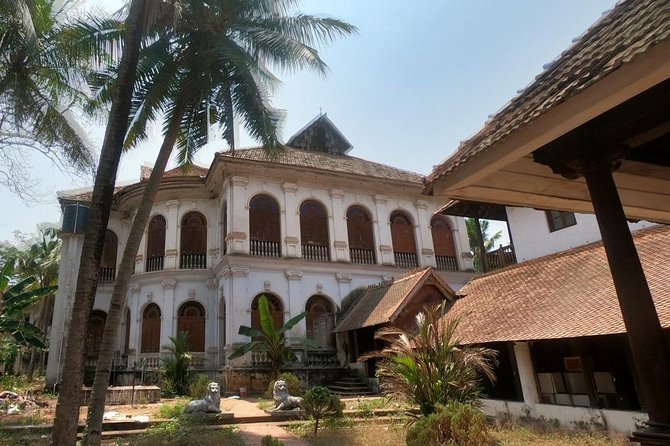
Another listed stop is an Roman Catholic Latin Rite cathedral of the Archdiocese of Trivandrum, built about 150 years ago. This is a big cultural signal. When a walking tour includes a cathedral with a clear construction timeframe, it gives you a timeline anchor for how religious communities developed and how they remain visible.
This stop is also useful if you like architecture and details. Even if you are not an architecture fanatic, cathedrals are often easy to read from the outside because of their scale and layout.
A practical note: when you enter or linger near active religious buildings, keep voices down and dress appropriately. The tour style here is usually respectful since the stops are integrated into cultural storytelling, not treated like quick photo checkpoints.
Connemara Market: the arched entrance and street-vendor variety
The final major stop in the itinerary is the oldest Connemara Market. The description calls out the arched entrance and the variety of items sold by street vendors.
I like this market stop because it turns the tour outward. After you have learned about museums and institutions, you get a taste of everyday commerce. Markets like this are also great for understanding local routines, because sellers and shoppers create the real atmosphere of a place.
If shopping is on your list, this is where the tour’s local tips can pay off. The guide is positioned to tell you what is worth your money, where to pause, and how to avoid common mistakes when you are new to the area.
Guides make the difference: what the best sessions feel like
The tour is led by a highly trained storyteller/guide who can speak English and Hindi, and the vibe depends heavily on that person. From the guide names connected with the walk, you can see a pattern: people like Suresh, Sureshkumar, Gokul, Vijay, Biju, Hareesh, Naveen, and Siddharth show up as guides, and the consistent thread is clear communication and friendly patience.
In particular, I would pay attention to the fact that the tour format can flex to the group size. One-person days happen, which means you are more likely to get a truly guided experience instead of a rushed lecture. That is especially useful if you have questions about what to do next, or if you want the route customized a little, like shopping stops at a slower pace.
The best guides also add small, real-life suggestions. For example, one guide helped set up a quiet coffee stop in the middle of the walk, which is the kind of practical pacing you only get when the guide is paying attention to comfort, not just ticking items off a list.
How to make the most of the tour stops without rushing
This is a short tour, so you will get the most value if you show up ready to look and ask. I recommend you carry a phone with enough battery for photos and quick notes. Then, during each stop, pick one thing to focus on: an object mentioned at the museum, a building detail at the cathedral, or a street layout around the old houses segment.
At markets, keep your expectations flexible. You are there to understand how the city trades and how vendors work, not to do a full shopping expedition in 20 minutes. If you want to buy something, this is a good time to ask the guide what is typical and what is overpriced.
Also, since bottled water and snacks are not included, plan a small hydration strategy. If you sweat easily, bring a refill option you can access near the route, or save water until you hit the market area. The tour duration is only about 2 hours, but the comfort factor still matters.
Price and value: $11.35 for a guided, story-led circuit
At around $11.35 per person for approximately 2 hours, the cost looks low for the amount of structured stopping you get. You are paying for a guide who connects multiple institutions and landmarks into one narrative, plus you are getting help with local tips for food, shopping, and what to revisit later.
Value is not just about the price. It is about whether the tour reduces your decision fatigue. If you are only in Trivandrum briefly, a short guided loop can save you hours of figuring out where to go and what you should actually pay attention to. That is the kind of bargain that matters more than a few dollars saved on transportation.
The tour also includes access to hidden lanes and places, which is where the story value usually shows up. If you are the type who wants more than a postcard itinerary, that extra street-level access is a big part of why the tour is worth it.
Possible drawback: road segments and the pace of a city walk
I want you to go into this with clear expectations. This is not a stroll where every step is scenic. It includes city walking between major points, which can mean stretches that feel more like getting from one landmark to the next.
If you are sensitive to road noise or you dislike walking near traffic, build in a buffer mindset. The guide may keep you moving efficiently, so you do not spend the entire two hours in transit, but you should still expect normal street conditions.
The upside is that the guide’s commentary often makes those travel segments feel less empty. When the walk has good storytelling, the gaps between sights become part of the education, not just time passing.
Who should book this walk, and who should skip it
This is a strong pick if you want a first introduction to Trivandrum’s major cultural markers, and you like context as you walk. It also fits well if you enjoy a mix of museums, churches, and market life rather than only one theme.
It can be especially helpful if you are traveling solo or as a small group, because the tour can work well even when group size is low. The guide style is designed for conversation, so you can get more from it than a passive sightseeing loop.
You might want to skip or consider another option if you dislike short museum stops and prefer long time inside air-conditioned spaces, or if you have very limited mobility and do not want street walking. Since bottled water and snacks are not included, people who plan around comfort and nutrition should bring what they need.
Should you book the Heritage & Cultural Walk of Trivandrum?
I would book it if you want a guided, story-led orientation in about two hours, especially if you are curious about how museums, churches, older neighborhoods, and markets connect in daily life. The combination of Napier Museum, Keralam Museum, the Mateer Memorial Church area, the Latin Rite cathedral, and Connemara Market gives you a compact route that is more than a photo run.
I would hesitate if you expect a car-free, lane-by-lane walking fantasy with no road transitions, or if you want food built into the itinerary. This tour is about cultural bearings and local context, with tips that help you eat and shop after the walk, not a full meal experience during it.
If you are ready to walk, ask questions, and let a guide set the frame for what you are seeing, this is a smart use of time in Trivandrum.
FAQ
How long is the Heritage & Cultural Walk of Trivandrum?
The tour lasts about 2 hours.
Where does the tour start and end?
It starts at the Kanakakunnu Flag Post near Kanakakunnu Palace Road, and ends at the Kerala Government Secretariat Main Block area (near the statue) in Palayam.
What languages does the guide speak?
The included guide can speak English and Hindi.
What is included in the tour price?
Included items are a trained English and Hindi storyteller/guide, local tips and recommendations, access to hidden lanes and places, and conversations with interesting stories.
What is not included?
Bottled water and snacks are not included, and there is no hotel pickup or drop-off.
What happens if the weather is bad or you cancel?
The experience requires good weather. If it is canceled due to poor weather, you are offered a different date or a full refund. You can cancel for a full refund up to 24 hours before the start time.
More Historical Tours in Trivandrum
- The Great Indian Food Tour: Old Delhi Food and Heritage Walk
★ 5.0 · 1,698 reviews - Old Goa Heritage Walk by Make It Happen
★ 5.0 · 797 reviews - Old Delhi Food, Heritage&Cultural Walk with Rickshaw ride to Masterji Kee Haveli
★ 5.0 · 742 reviews - Fontainhas Heritage Walk At Latin Quarters of Goa
★ 5.0 · 531 reviews
Latest reviews in from Trivandrum
- Kayaking in Mangrove Forest of Paravur Backwaters near Varkala and Kollam★ 4.5 · 36 reviews
- Spiritual Walk Tour Trivandrum (Guided Walking Experience)★ 4.6 · 87 reviews
- Heritage & Cultural Walk of Trivandrum Guided Walking Tour★ 4.4 · 19 reviews
Historical Tours, compared.
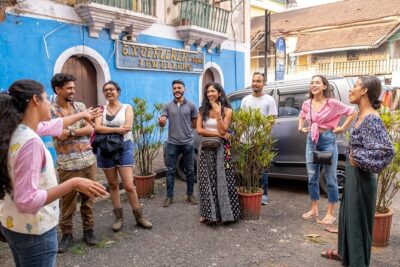

The Great Indian Food Tour: Old Delhi Food and Heritage Walk
Read our review →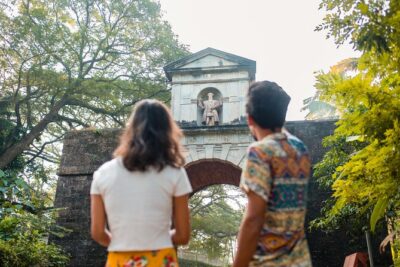
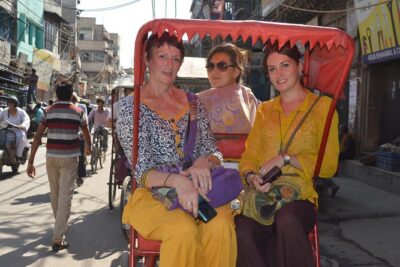
Old Delhi Food, Heritage&Cultural Walk with Rickshaw ride to Masterji Kee Haveli
Read our review →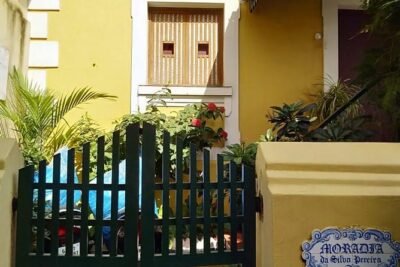
Fontainhas Heritage Walk At Latin Quarters of Goa
Read our review →
Blue City Heritage Private Walking Tour With Pickup and Drop-Off
Read our review →

Private Heritage Walking Tour in Jaisalmer Fort and Old Bazaar
Read our review →Browse the lists this tour appears in