
Reviewed · DHOBI GHAT TOURS
Mumbai: Private Dhobi Ghat Laundry & Slum Tour with Pickup
This experience is interesting because it pairs two Mumbai worlds that most visitors only see from a distance. You get the open-air laundry spectacle of Dhobi Ghat, then you head into Dharavi to see how daily life, work, and community connect on the ground.
I especially like how the day is guided by insiders, with clear English and human scale stories. Guides such as Alkama and Mohammad (names that show up again and again) help you look past stereotypes and understand what people are really building and surviving.
One consideration: you should go in mentally prepared for tough topics. You will witness industries like plastic recycling, leather, garment/textile work, and metal trades, and it can feel heavy if you expected a casual, only-light-photo kind of outing.
Key highlights you should actually care about
- Dhobi Ghat as a living workplace: the world’s largest outdoor laundry, still operating as a daily rhythm for years.
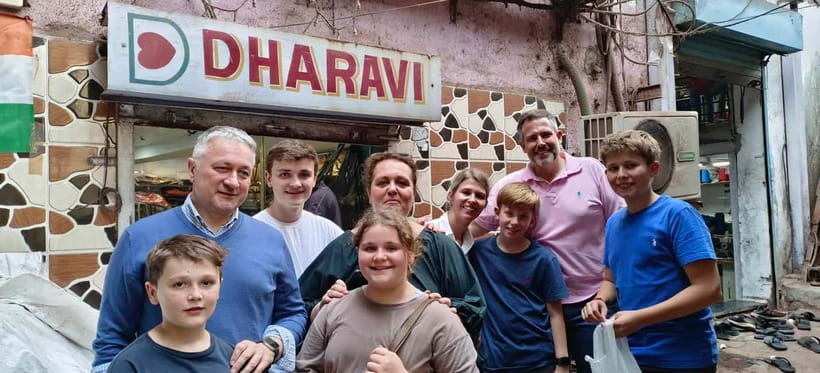
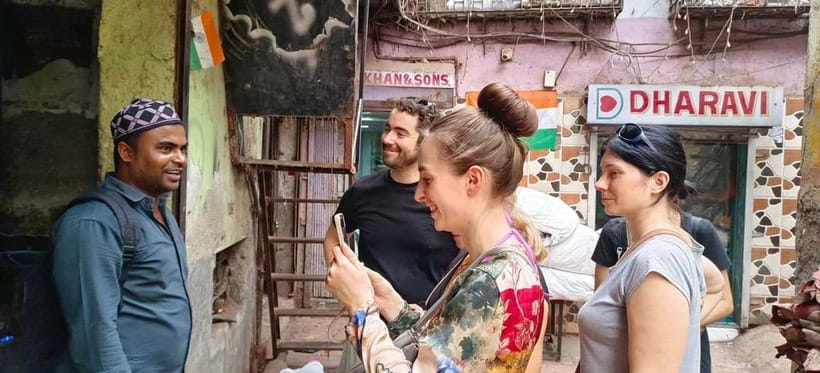
- Dharavi with a local English speaking guide: you see homes, daily routines, and community life through people who live there.
- Industries up close: plastic recycling, leather, garment/textile, metal work, and related small businesses.
- A Slumdog Millionaire filming connection: you visit the area connected with the movie’s production inside Dharavi.
- Stereotypes challenged on purpose: the tour aims to show the real textures of life, not movie-style caricatures.
- Private tour plus hotel pickup and drop-off: simpler logistics so you can focus on what you’re seeing.
Entering Dhobi Ghat, Mumbai’s biggest outdoor laundry system
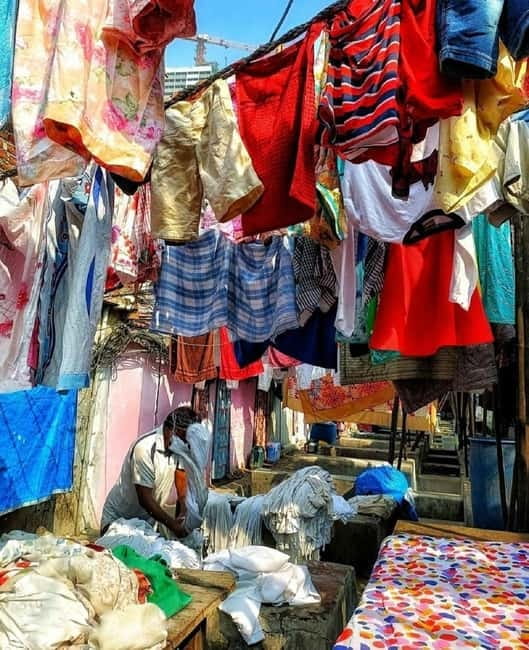
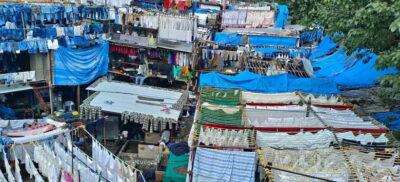
Dhobi Ghat is one of those places where you quickly realize this city runs on routines you never see from tourist hotels. Laundry is not just a service here. It’s a long-running public workplace where people bring dirty clothes from across Mumbai, including from hotels, hospitals, and hostels.
What I like about starting at Dhobi Ghat is that it gives you a grounded baseline for the day. Before Dharavi, you watch hands and schedules and a whole supply chain in motion. People move, lift, sort, wash, and return garments for fresh, crisp results, day after day.
You should also expect sensory intensity. Open-air laundry means noise, water sounds, and lots of activity at close range. If you’re the type who gets overwhelmed easily, take it slow, ask questions, and keep your pace steady. Also, wear shoes you don’t mind getting dusty, because Dhobi Ghat and nearby streets are not polished museum floors.
The good news: your guide helps you make sense of what you’re seeing. In the best tours, you’re not left standing there guessing. You get the story of why Dhobi Ghat matters to Mumbai’s history and culture, and how the system keeps working because people show up for shifts and treat the process like skilled labor, not a sideshow.
More of Dhobi Ghat:
- Mumbai: Dhobi Ghat Laundry and Dharavi Slum Tour with Local
★ 5.0 · 469 reviews - Mumbai: Dharavi Slum & Dhobi Ghat Laundry Tour
★ 5.0 · 352 reviews - Mumbai: Dharavi Slum and Dhobi Ghat Laundry Tour
★ 5.0 · 317 reviews
How the Dharavi part works with an insider guide
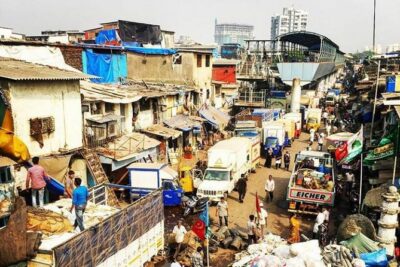
Dharavi is where most people’s mental picture collides with reality. The tour is built to break that gap. You visit with a local guide and, as described, you move through the area by way of residents, not outsiders doing a drive-by.
That matters because Dharavi is not one blank “slum view.” It’s neighborhoods where people live close to where they earn, and where children play and families relax in the same broader footprint. Your guide helps you notice those details, like which spots feel more social, which areas are linked to specific trades, and how everyday life continues even with major challenges.
Guides like Alkama are repeatedly praised for communication and attitude. One theme from the experiences you’ll hear is that the guide does not sugarcoat hardship, but still speaks with maturity and care. You get both the hard parts and the community pride, and you learn how people interpret their own world.
A useful tip for you: go with a question mindset. Ask how a routine works, what a family does during a normal day, or how a small business stays alive. When you ask, you often get the kinds of answers that make the whole place click.
Also, be ready for the tour to challenge simple storytelling. The tour’s goal is to dispel notions people might carry about Dharavi. That can be uncomfortable at first, but it is also why this kind of visit can change how you see Mumbai, and how you see poverty, work, and dignity.
Witnessing plastic recycling, leather, garment, and metal work
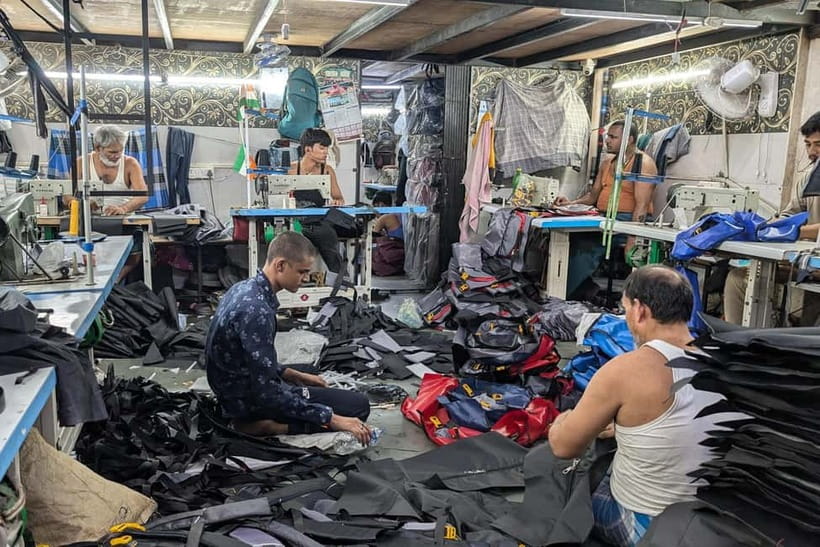
This is one of the most specific and powerful parts of the itinerary: the tour shows where people do business. In Dharavi, you may see plastic recycling, leather industry activity, garment and textile work, and metal industries, along with related trades that feed the broader economy.
Why this matters for you is that it shifts the conversation. Instead of only seeing lack, you see production. You see how raw materials get transformed, how items get repaired or processed, and how people build income through hands-on skills.
It can also be a reality check. Some areas involve difficult working conditions, and you may witness the labor side that rarely makes it into travel brochures. If you’re expecting a purely aesthetic experience, you may find this part emotionally blunt. But if you want to understand how the city functions, this is where you start to connect the dots.
A good guide helps you keep context, so you don’t just stare. The tour information points out that Dharavi’s yearly income is described as around 1 billion US dollars, which tells you the scale of commerce happening here. Even if you don’t focus on the exact number, it frames the visit as an active economic zone, not a static backdrop.
Practical advice: dress respectfully and keep your phone use sensible. If you are filming or taking lots of pictures, pause and ask first when you can. It’s not about fear or rules. It’s about staying human in a working neighborhood.
The Slumdog Millionaire filming spot, and why guides matter
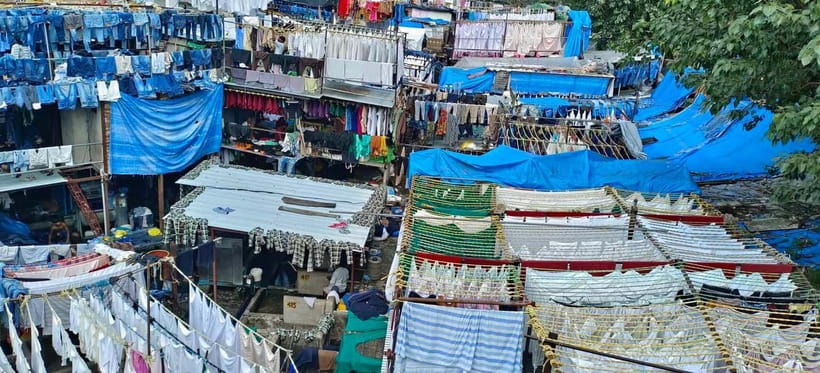
One of the standout promises of this tour is that you visit an area connected with where Slumdog Millionaire was filmed inside Dharavi. For many people, that’s a direct curiosity hook, because the movie is famous and easy to recognize.
The smart way to approach this stop is not to treat it like a theme park. A well-run tour uses the movie connection as a starting point for deeper understanding, then nudges you into real daily life beyond the cinematic version. The tour aims to go beyond depictions in the film and help you learn what life is really like, with fewer myths and more specifics.
If you choose this tour, you’ll get a guide-led explanation of what you’re seeing and how it relates to the neighborhood’s routines. That guidance is the difference between getting distracted by movie scenes and actually learning from the space itself.
One more thing I appreciate: the best guides balance storytelling with reflection. People share that guides speak with maturity about both bad and good sides of the slum, and that the tone can be serious without turning gloomy. That balance helps you leave with understanding, not just shock.
Line these Mumbai options up side by side
- Dharavi slum tour in Mumbai by Female tour guides of the slum
★ 5.0 · 1,976 reviews - Mumbai: Full-Day Sightseeing Tour of Mumbai
★ 4.9 · 1,822 reviews - Private Mumbai Sightseeing Tour (Traveller’s Choice Award Winner)
★ 5.0 · 1,565 reviews - Elephanta Caves & Island Guided Private Tour
★ 5.0 · 1,327 reviews
Traveling between Dhobi Ghat and Dharavi, train option and street reality
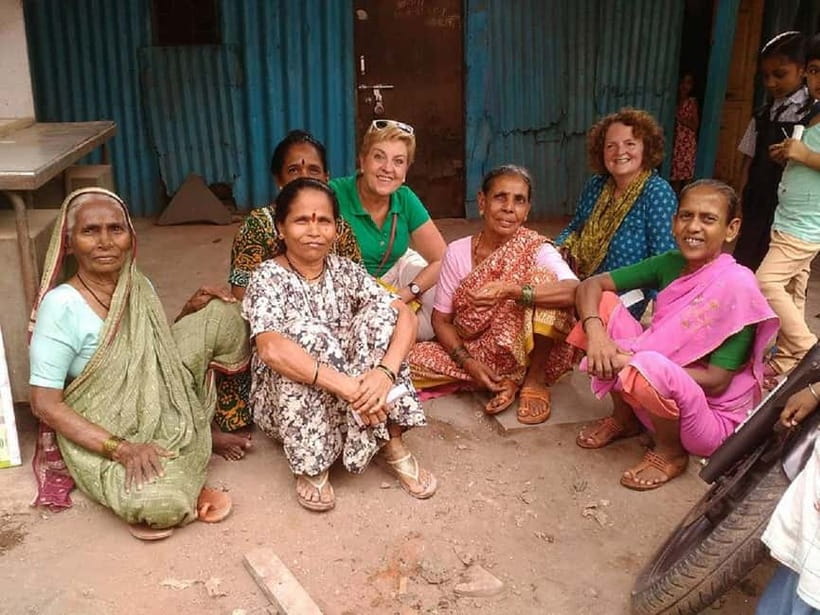
Logistics can make or break a half-day type plan, and this tour is designed around simplicity. You get hotel pickup and drop-off, plus the tour includes entrance fees and a water bottle. So you are not scrambling for tickets or paying extra “gotchas” just to see the core places.
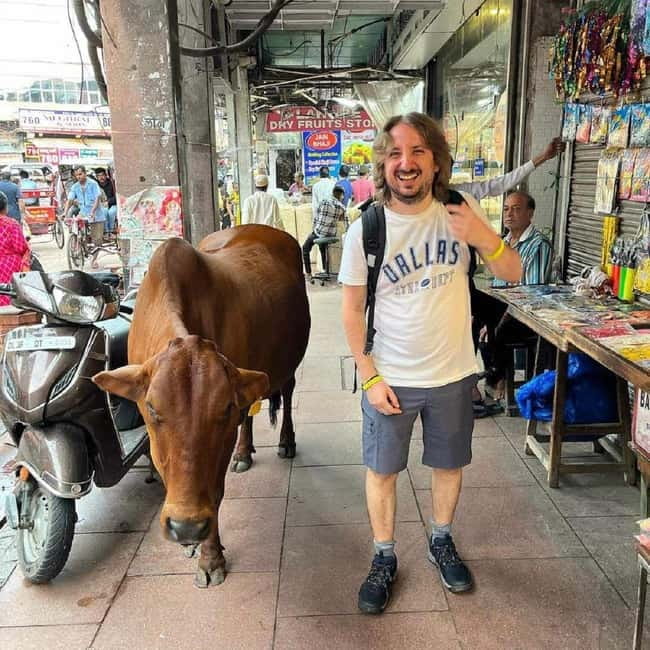
One detail that stands out in real experiences is that you might have the chance to experience local transit. For example, some participants opted to use the local train as part of the day, and they described it as an adventure. That can be a fun way to feel Mumbai’s rhythm and not just sit in a car looking out the window.
Since the exact transport choice can depend on the day and your guide’s plan, my advice is simple: ask what the option is before you move. If you have a tight schedule, say so. If you want the train experience, say that too.
Either way, remember you are moving through real streets. That means you might walk on uneven surfaces and you should expect crowding at times. Wear comfortable shoes and keep your belongings secure. Also, bring a light layer. Mumbai can shift in temperature, and you’ll likely spend time outdoors at Dhobi Ghat.
Price and value for a private Mumbai reality tour at about $19
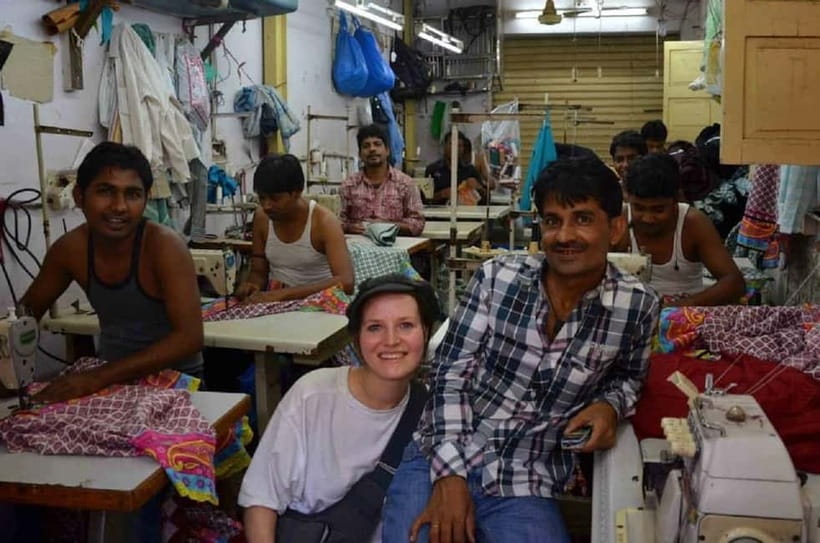
At about $19 per person, this tour is priced to feel accessible, especially because it’s private and includes several essentials. You get a private tour, a local English speaking guide, hotel pickup and drop-off, entrance fees, and a water bottle.
Here’s the value math I’d use if you’re deciding quickly. The guide time alone is typically the biggest cost driver in any private sightseeing experience. Then you add pickup and drop-off, which saves you the hassle of navigating from your hotel. Entrance fees also add up in cities where attractions are not always free.
The other value factor is less easy to price: safety and access through residents. The tour information says it is completely safe to visit inside and around, and that you visit by a residence in Dharavi because the operators are locals. I can’t promise the world, but I can say this is the kind of access that usually takes local relationships to do properly. If you want to avoid awkward outsider moments, this structure is a big part of the point.
Who is it best for? It’s a strong fit if you:
- want more than a photo stop and actually want explanations
- care about understanding how work and community interact
- prefer a private guide who can answer your questions without rushing you
It may be a weaker fit if you are only seeking something light and purely entertainment-based. You should also think twice if you dislike talking about inequality and hard realities. This tour is designed to show both sides, and it does not pretend the world is easy.
What makes the guides stand out: English, patience, and pride
A big reason this experience earns strong marks is the guide quality. Names like Alkama and Mohammad show up in multiple accounts, and the repeated themes are communication, friendliness, and a sense of pride in what they’re showing.
That pride is not about pretending everything is fine. It’s about respecting the neighborhood’s complexity. People describe guides as attentive and fun, with the ability to keep the experience engaging while still being thoughtful about the brutal and unfair parts of life.
Another practical advantage: the pace. Some accounts highlight that you are not rushed, and you get time to look at each part of the tour. That matters because both Dhobi Ghat and Dharavi are crowded with details. If someone hustles you through, you miss what makes it worth it.
If you are the kind of traveler who asks lots of questions, you’ll likely appreciate guides who can handle them well. Several experiences emphasize that guides answered questions and kept the conversation flowing naturally.
My advice to you: in the first few minutes, tell your guide what you want most. Understanding work? Family life? How the movie connection fits in? A good guide will shape the day based on your curiosity.
The emotional balance: seeing hardship without losing humanity
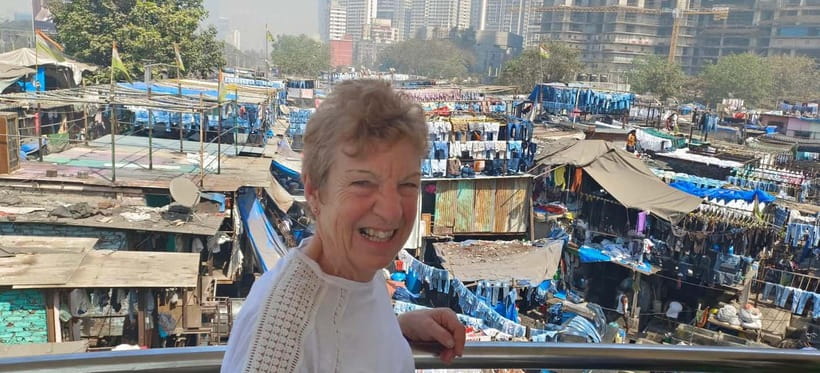
This is not a tour where you watch suffering like a spectacle. The tour’s stated aim is to dispel perceptions and show the real spirit of community. In practice, that means the visit includes daily routines, where people live, work, and play, not just industry and infrastructure.
You might come in expecting only harsh conditions. But the tour information and the way guides talk suggests a more complete story, including community life and the fact that people are not defined only by struggle.
That emotional balance is what helps this tour land differently than stereotypes. You may still feel the weight of difficult labor and unfair circumstances. But you also get glimpses of friendliness, pride, and resilience in the way people explain their own world.
If you want the best outcome, bring a respectful mindset. Look first, listen second, ask third. If something feels intense, take a breath and step back for a moment. A good guide will understand, adjust, and keep you on track.
Should you book this Dhobi Ghat and Dharavi private tour?
Book it if you want a structured, guide-led way to see Mumbai beyond the usual viewpoint. At around $19, for a private format with hotel pickup, entrance fees, and a local English speaking guide, the value is strong. And if you care about understanding how work, housing, and community connect in Dharavi, this tour is built for that goal.
Skip it only if you want a purely upbeat, low-emotion sightseeing day. This experience includes real industries and tough realities. It’s also more rewarding if you’re curious and willing to ask questions, because the guide is the key to turning what you see into understanding.
If you do book, do one smart thing beforehand: plan to bring respectful energy. Wear comfortable shoes, keep your expectations flexible, and let the tour guide your pace. With that, you’ll likely leave with a sharper, more human picture of Mumbai.
FAQ
What’s the language for the tour?
The tour uses a local English speaking guide.
What does the price include?
The tour includes a private tour, local English speaking guide, hotel pickup and drop-off, all entrance fees, and a water bottle.
What will I see at Dhobi Ghat?
You’ll visit Dhobi Ghat, described as the world’s largest open-air laundry, and see how dirty clothes are brought from across Mumbai and washed through daily shifts.
What will I see inside Dharavi?
You’ll see where people live, work, and play, plus businesses and industries such as plastic recycling, leather, garment/textile, and metal industries.
Is the Dharavi visit safe?
The tour information states that it is completely safe to visit inside and around Dharavi, and that you will be visiting by a local/resident approach.
Can I pay later, and what about cancellation?
You can reserve and pay later, and cancellation is available up to 24 hours in advance for a full refund.
Latest reviews in from Mumbai
- Mumbai Spice Markets and Bazaars Tour with Guide and Transport★ 5.0 · 42 reviews
- Mumbai Dharavi Slum, Dhobi Ghat & Dabbawala Lunchbox Tour★ 5.0 · 43 reviews
- Private Dharavi Slum Tour with Mumbai Sightseeing★ 5.0 · 43 reviews
- Private Guided Tour in Kanheri Cave with Transfers★ 5.0 · 44 reviews
- Private Guided Walking Tour in Dharavi Slums★ 5.0 · 44 reviews
- Bollywood Tour with Original founder★ 4.5 · 44 reviews
- Mumbai Private Cultural Tour with Lunch and Transport★ 5.0 · 44 reviews
- Unveiling Bollywood: Grand Tour of Iconic Real Sets & Their Story★ 4.5 · 44 reviews
Dhobi Ghat Tours, compared.
Dhobi Ghat Laundry and Dharavi Slum Tour with Local
Read our review →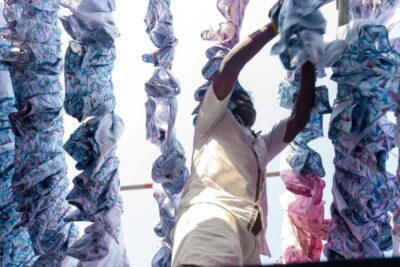
Private Combo Tours Sightseeing + Dharavi Slum + Dhobi Ghat & Dabbawalas
Read our review →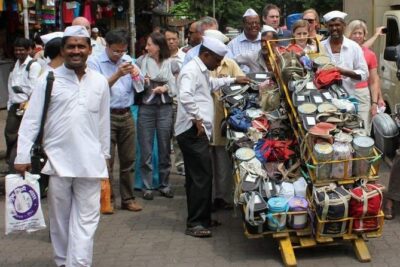
Dabbawala, Dhobi Ghat & Dharavi slum Tour with Local Train Ride
Read our review →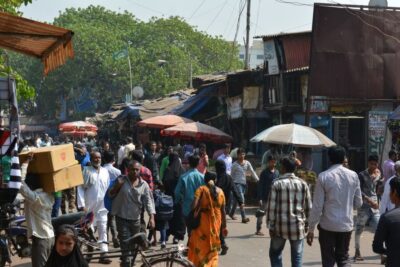
Dharavi Slum Tour with Dhobi Ghat (Open-Air Laundry)
Read our review →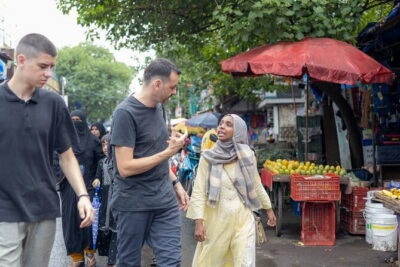
Mumbai Dharavi Slum, Dhobi Ghat & Dabbawala Lunchbox Tour
Read our review →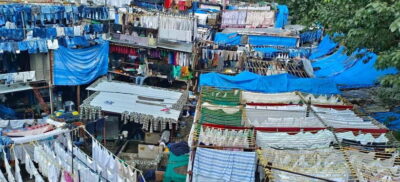
Slum Tour Dharavi & Dhobi Ghat Laundry with a Local
Read our review →Browse the lists this tour appears in