
Reviewed · DHARAVI TOURS
Mumbai: Dharavi Slum Tour with Dhobi Ghat (Open-Air Laundry)
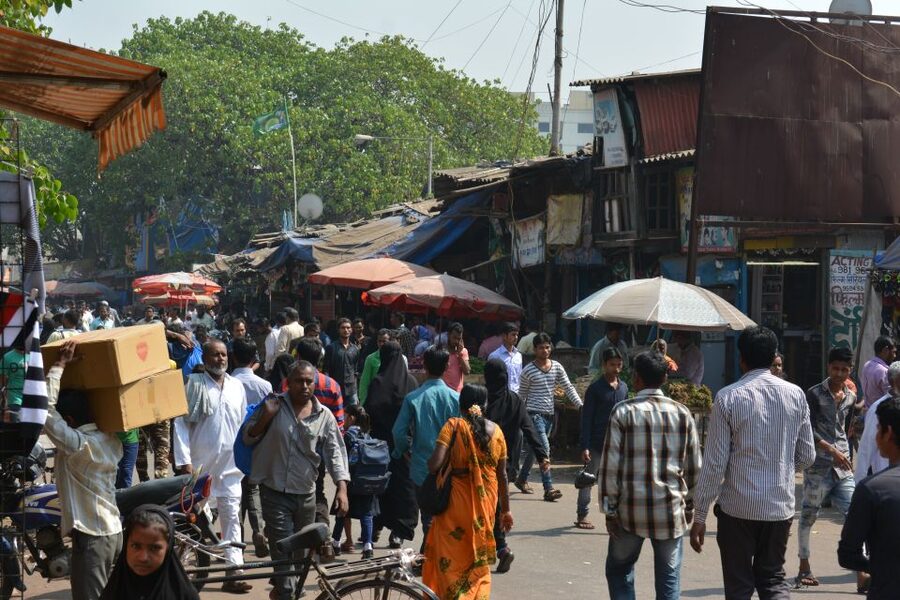
This is the kind of Mumbai tour that changes how you think about work. You spend the morning moving through Dharavi lanes and then you watch clothes processed the old-fashioned way at Dhobi Ghat, an open-air laundry where hundreds of washermen work in tight rhythm. It is real, practical, and not staged.
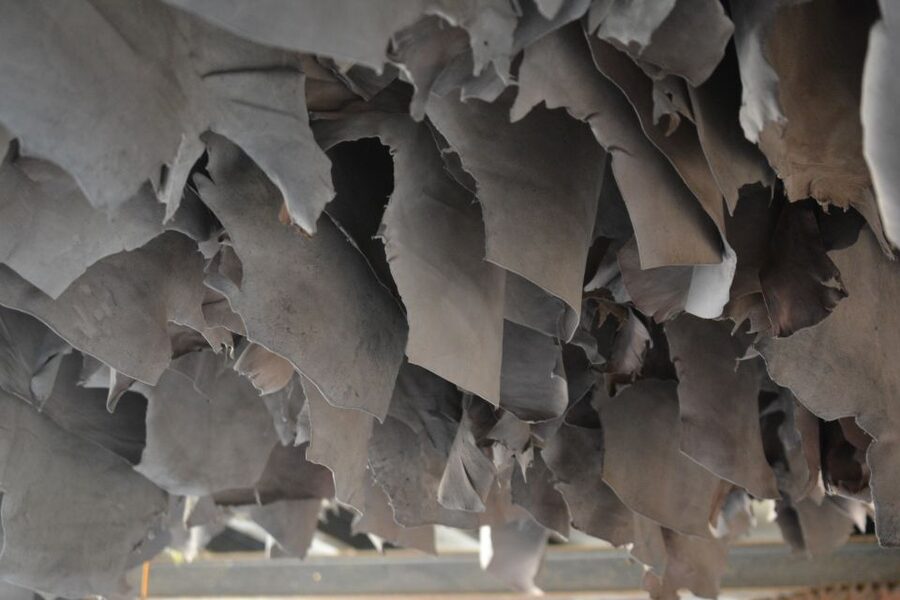
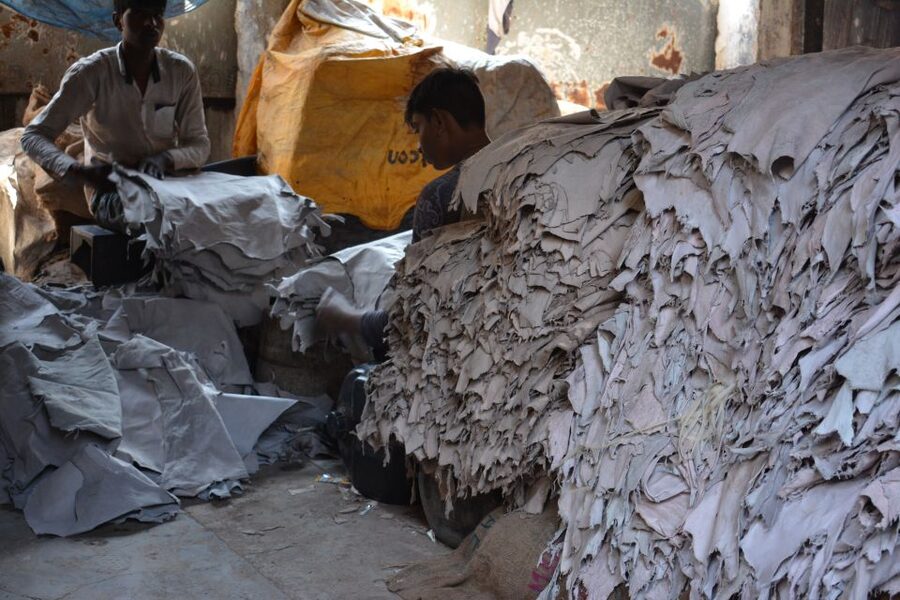
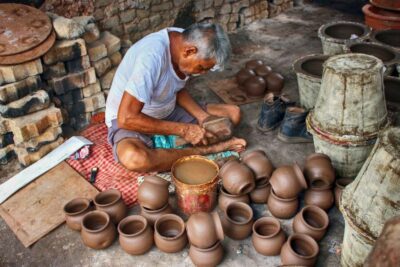
What I love most is the focus on how people turn materials into income. In Dharavi, you get a ground-level look at industries like pottery, leatherwork, recycling, and small production units tied to everyday skills. I also like the guides, because names like Pooja, Anushka, and Varsha are repeatedly praised for clear explanations, good pacing, and knowing when photography is appropriate.
One drawback to plan for: this is walking in narrow lanes and busy streets, with limited restroom options and no stroller or large-bag allowance. If you prefer lots of sitting breaks or a very controlled, quiet route, this may feel intense.
Key highlights worth your time
- Handwork turned into business, from textiles and crafts to recycling and small factories
- Recycling practices that turn waste materials into usable goods and income
- Local guide energy, with guides like Pooja and Varsha using clear explanations and humor
- Dhobi Ghat in action, with hand-washing, drying, ironing, and sorting visible from the viewing deck
- Respect-first visiting rules, since Dharavi is people’s homes, not a museum
Why this Dharavi and Dhobi Ghat combo changes how you see work
Most “city sightseeing” shows you buildings. This route shows you labor, decisions, and daily problem-solving. Dharavi is often reduced to a single word, but on this walk you’ll see how many different activities fit inside the same neighborhood, from handcrafted goods to recycling and small-scale production.
Then you shift to Dhobi Ghat, where the work is public and rhythmic. Clothes get washed, dried, ironed, and sorted by hand, and you can watch the workflow without needing to imagine it. It is a sharp contrast with Dharavi, and that contrast is part of the value. You learn to connect systems, not just sights.
I also like that the tour stays practical about the economy side of Dharavi. You are not just told that people are resilient. You see what they produce, how waste becomes value, and how the neighborhood contributes to Mumbai’s wider economic engine.
This tour is only about 3 hours, so it is not trying to cover everything in the city. It gives you a focused slice that feels complete: a walk through working lanes followed by a look at one of the most unusual laundries you’ll ever see.
Other Dharavi walks:
- Dharavi slum tour in Mumbai by Female tour guides of the slum
★ 5.0 · 1,976 reviews - Mumbai: Dharavi Slum, DhobiGhat, and Dabbawallas Tour
★ 4.9 · 689 reviews - Dharavi Slum Tour
★ 5.0 · 625 reviews
Meeting at Third Wave Coffee, then getting ready for narrow lanes
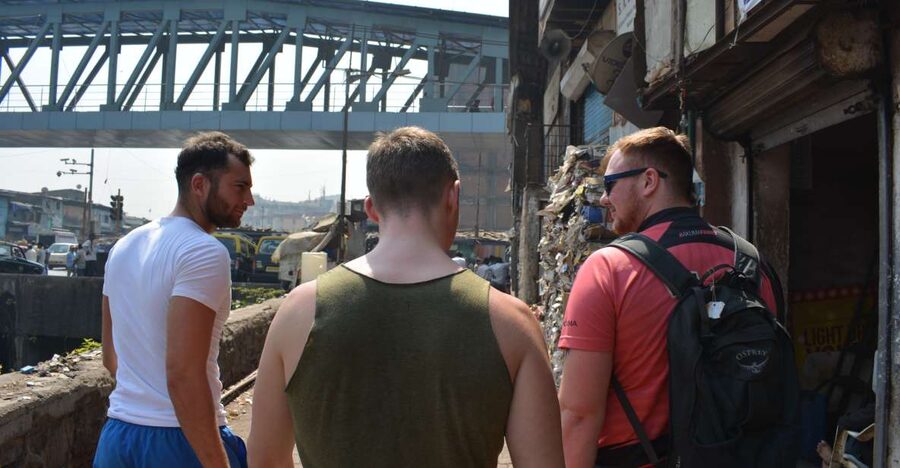
You meet your guide outside Third Wave Coffee. That matters because it sets expectations early: this is a neighborhood walk, not a bus tour. Once you’re in motion, you’ll be dealing with narrow lanes, street activity, and close proximity to homes and workplaces.
The most important planning move is your footwear. Comfortable shoes are non-negotiable. You’re also encouraged to bring a hat and water, since the tour runs rain or shine. Restrooms can be limited during the walk, so if you can, use facilities before you start.
I’d also treat this as a camera-and-people tour, not a photo spree. Photography is allowed, but privacy and dignity come first. Your guide will coach you on what is appropriate and what is not. That guidance is one reason the experience tends to score well, especially with guides known for thoughtful instructions around photo moments.
One more practical note: no baby strollers and no luggage or large bags. The lanes are tight. If you travel light, you’ll enjoy the tour more.
Walking Dharavi’s working lanes: industries, artisans, and real income
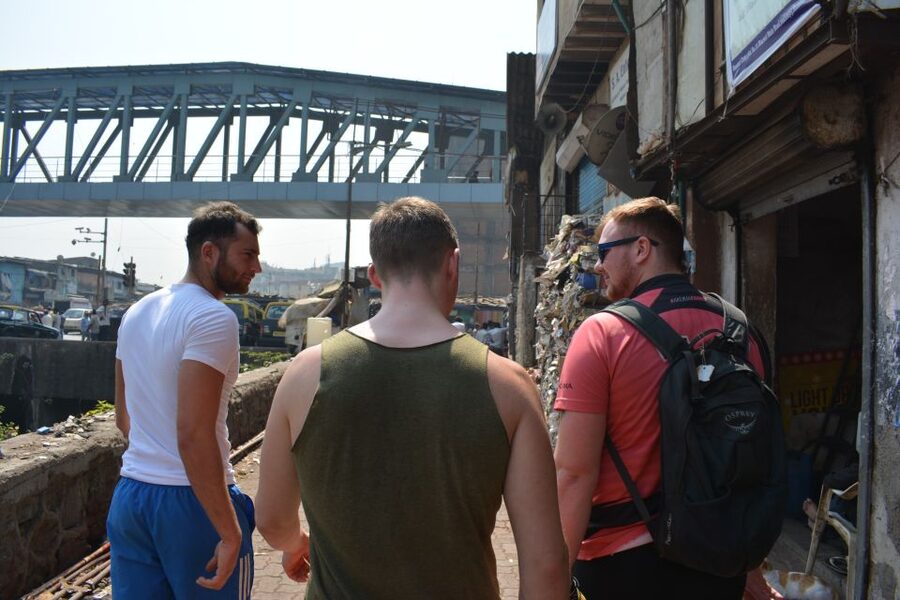
Your Dharavi time is a guided walk plus time to explore. Expect lots of small, everyday scenes: people at work, crafts being made, and business happening at human scale. The tour description frames Dharavi as a place of skilled artisans, small-scale industries, and lively communities, and the on-the-ground feel matches that.
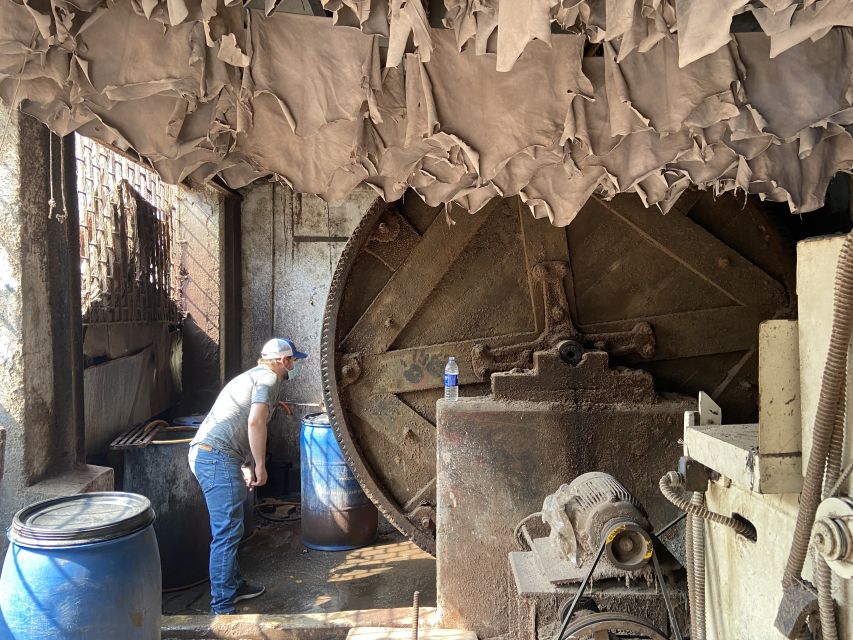
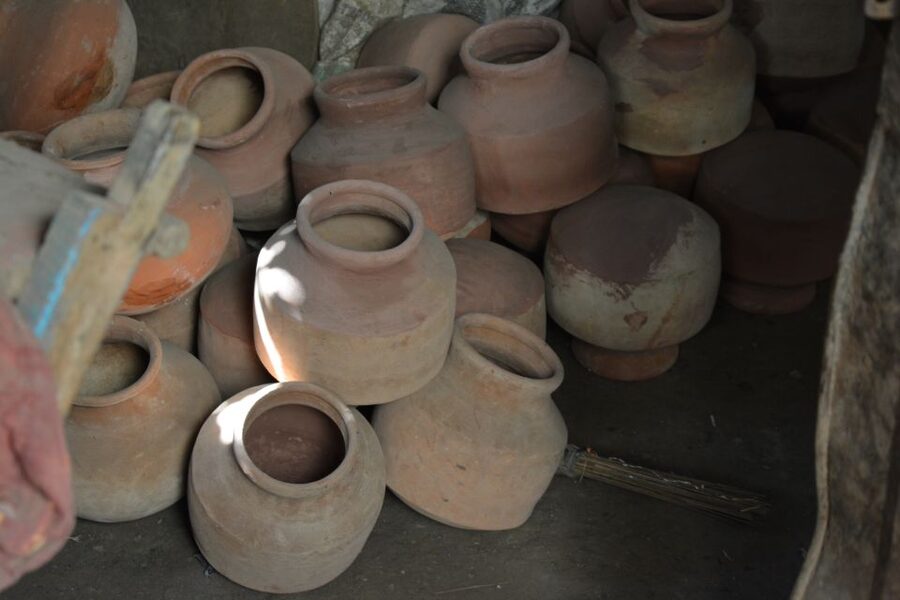
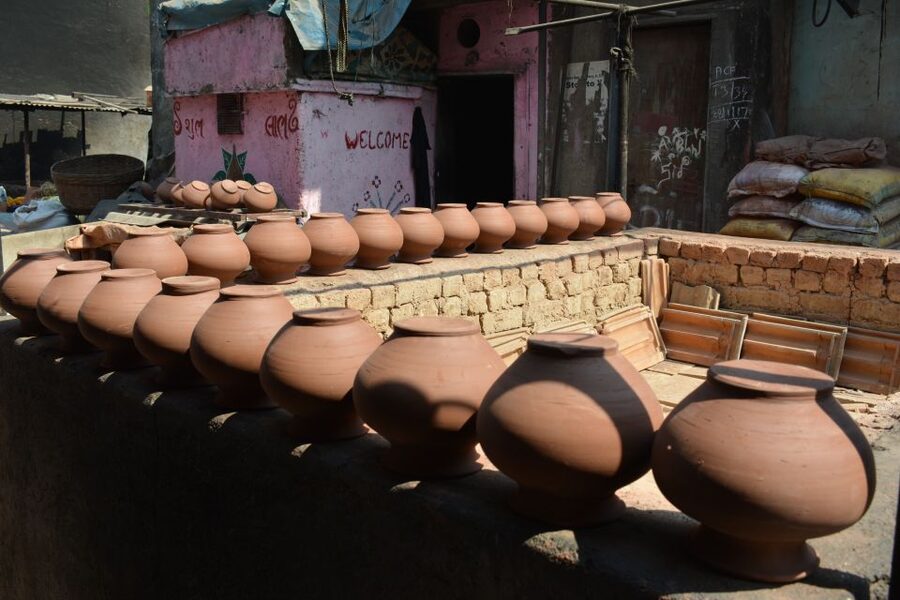
You’ll hear how Dharavi supports Mumbai through production across multiple categories. The tour focuses on practical outputs like pottery, leatherwork, recycling, and bakery units, plus textiles and handicrafts. Even if you’re not shopping, it’s useful to connect what you’re seeing with how the neighborhood turns skills into income.
A key part of why this matters: it interrupts the common poverty-tour mindset. Instead of centering on hardship as the only story, the walk emphasizes economic activity and how people organize work. That shift is exactly what makes the tour feel respectful and worthwhile.
From the guide side, the experience seems to depend heavily on explanation and pacing. Guides such as Pooja and Varsha are repeatedly praised for knowing where to take you and what to explain. You’ll likely get industry context as you move, including how materials flow into products and how recycling fits into that chain.
One consideration: Dharavi is also residential. Even when you’re focused on industries, you are passing through homes. That’s why your guide’s instructions on safety and photography are not optional.
Recycling and textiles: when waste becomes products you can recognize
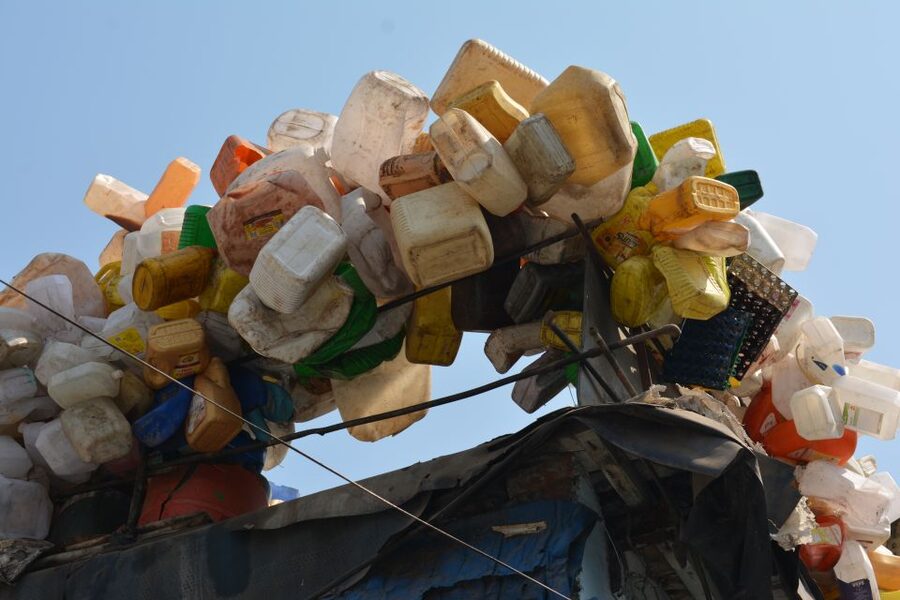
One of the most interesting things you can learn on this route is how recycling becomes actual manufacturing, not just sorting trash. In Dharavi, you’ll see the kinds of materials and processes connected to turning waste into something usable. Plastic recycling is specifically called out, and you’ll also connect it to broader production like textiles and other small goods.
Textiles and handicrafts are often where visitors can immediately connect the work to finished results. You might notice how materials become cloth, trims, or related items that can be packaged and sold. The tour also points you toward the bigger picture, where recycling supports supply chains that feed both local and wider markets.
I like that the tour treats this as skill-based work. It’s not random or chaotic. There are practical workflows, and you can usually understand them by watching the flow of people and materials. If you pay attention to how products are made and how items are categorized, you’ll come away with a more realistic view of how the neighborhood operates.
There’s also an important human angle. Some guides tell stories about how workers live close to or within the production areas, which can change how you interpret what you’re seeing. It can feel surprising, but it also explains how production keeps moving.
If you’re the kind of traveler who likes to understand systems, you’ll get a lot from this part. If you only want broad sightseeing, you might find it too work-focused. That is fine. This tour is built for people who enjoy learning how cities really run.
More of Dhobi Ghat:
- Mumbai: Dhobi Ghat Laundry and Dharavi Slum Tour with Local
★ 5.0 · 469 reviews - Mumbai: Dharavi Slum & Dhobi Ghat Laundry Tour
★ 5.0 · 352 reviews - Mumbai: Dharavi Slum and Dhobi Ghat Laundry Tour
★ 5.0 · 317 reviews - Private Combo Tours Sightseeing + Dharavi Slum + Dhobi Ghat & Dabbawalas
★ 5.0 · 245 reviews
Dhobi Ghat viewing deck: hand-washing in a rhythm you can watch
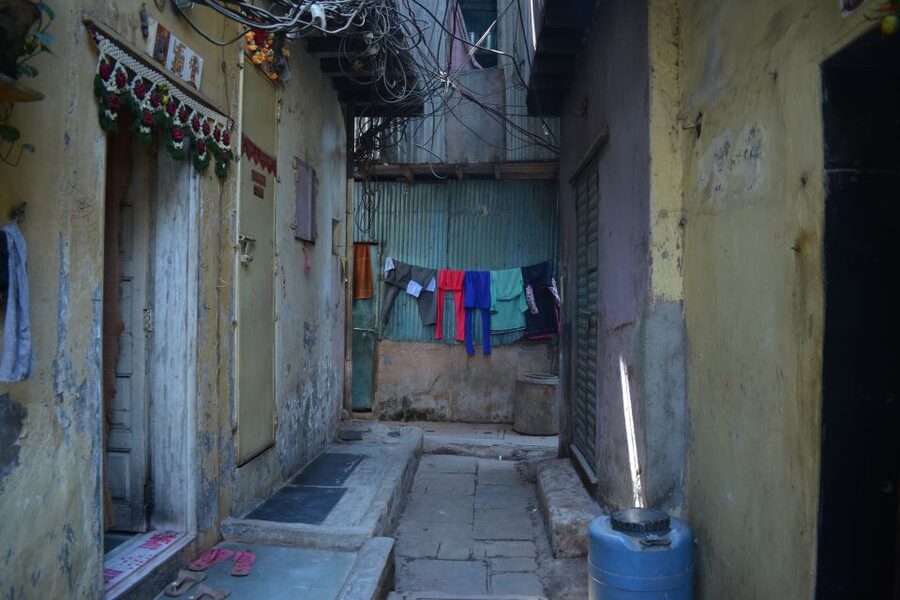
After Dharavi, the tour finishes at Dhobi Ghat with time at the viewing deck. This is where Mumbai’s laundry tradition becomes visual. You can watch clothes being washed, dried, ironed, and sorted by hand, and the scale is the point.
The tour’s framing is clear: Dhobi Ghat is described as the world’s largest open-air laundry, and it is also called India’s largest traditional laundry. You’ll see hundreds of washermen working in coordinated rhythms. It’s not just about “washing clothes.” It’s about workflow, timing, and labor organization in a public space.
From a practical standpoint, the viewing deck is your best bet. You get a broad view of activity without needing to navigate into areas where operations are ongoing. That also keeps the experience safer and more respectful to workers.
What you’ll likely notice most is the precision of sorting. Items don’t appear randomly. They’re handled in stages, and you can often see patterns in how clothes move through the process. It’s almost like a visible assembly line, just powered by hands.
I recommend bringing your camera, but keep your head up and your focus on the work. If you rush to take photos, you might miss the rhythm and the logic of the steps. Take a few photos, then watch for 2 to 3 minutes at a time. You’ll start to recognize the sequence.
Photography, respect, and what to bring for rain or shine
This tour gives you permission to photograph, but it also asks you to act like a guest. In Dharavi, photography is allowed with respect for privacy and dignity, and you should follow your guide’s photography instructions.
Here’s my practical rule: ask yourself if your photo would be obvious and comfortable for the person in it. If not, skip it. Guides often decide the right moments to shoot, and that guidance is part of keeping the experience respectful.
What to bring:
- Comfortable shoes for narrow lanes
- A hat for sun and general comfort
- A camera if you want photos
- A reusable water bottle, since you’re encouraged to stay hydrated
What not to bring:
- Baby strollers
- Luggage or large bags
Weather reality:
- The tour operates rain or shine, so you’ll want appropriate clothing or an umbrella if needed.
- The walk may be physically demanding in wet conditions, so footwear with grip helps.
Restrooms:
- Restroom facilities may be limited, so using them before the tour is a smart move.
If you keep those points in mind, you’ll spend your energy on the right things: seeing the work, listening to your guide, and understanding how both Dharavi and Dhobi Ghat operate day to day.
Price and value: what you get for about $5
At $4.94 per person for a 3-hour tour, this is priced like a budget-friendly introduction, and the value comes from what’s included. You get entry tickets for Asia’s largest slum Dharavi and an English-speaking guide. You also get a structured route that combines Dharavi with Dhobi Ghat, so you’re not piecing together two separate experiences.
What’s not included:
- Hotel pickup and drop-off
- Food and drinks
That means you should plan your day around walking time and meal timing. Eat before you go, or plan a post-tour snack or meal. Since the tour is only 3 hours, skipping a full meal might feel fine for some people, but I’d still rather you arrive fueled.
The best value angle here is the guide. Reviews highlight that guides like Pooja, Anushka, and Varsha provide deep, practical explanations, answer questions, and manage sensitive moments like when to take photos. If you’re paying for a guide, you want that guide to do more than point at things, and that’s what the best sessions seem to deliver.
Finally, compare effort to reward. For the price, you’re getting two highly specific Mumbai experiences in one morning block: Dharavi’s work economy and Dhobi Ghat’s open-air laundry workflow. That combination is harder to replicate on your own without local knowledge and careful respect.
Who should book this tour, and who should skip it
This tour is a strong fit if you:
- Want to understand Mumbai through real work, not just landmarks
- Like guided explanations about industries, recycling, and production
- Enjoy active walking and don’t need constant comfort breaks
- Want a short, focused cultural stop that still feels meaningful
It may not suit you if:
- You need wheelchair access, since it is not suitable for wheelchair users
- You are 95 or older, since it is noted as not suitable for people over 95
- You travel with strollers or large bags, since these are not allowed
- You dislike close-quarters walking in narrow lanes and busy streets
If you’re traveling with expectations, set them early. This is not a quiet photography tour and it is not a sit-down museum visit. It is a guided walk through working spaces, with your guide acting as both educator and safety manager.
Should you book this Dharavi slum tour with Dhobi Ghat?
If you’re curious about how cities work from the ground up, I think you should book it. The main reason is the pairing. Dharavi shows how skills and materials create income in a dense neighborhood. Dhobi Ghat shows a different kind of labor, visible and rhythmic, where handwork stays central.
Book it if you like practical stories, clear explanations, and the chance to see recycling and textiles tied to everyday business. And book it with the right mindset: you’re visiting homes and workplaces, so follow your guide, respect privacy, and keep your pace steady.
Skip it only if you need high accessibility, long comfort breaks, or if the idea of walking narrow lanes feels stressful. For everyone else, this is a low-cost way to get a memorable, work-focused look at Mumbai that you’ll remember long after the 3 hours end.
FAQ
Where do I meet the guide?
Meet your guide outside the Third Wave Coffee shop.
How long is the tour?
The tour lasts 3 hours, including the guided walking portion in Dharavi and the visit to Dhobi Ghat.
What’s included in the price?
Your price includes entry tickets for Dharavi and an English-speaking tour guide.
Are meals or drinks included?
No. Food and drinks are not included, so it’s best to plan a meal before or after the tour.
Can I take photos during the tour?
Photography is allowed, but you must respect the privacy and dignity of residents and follow your guide’s photography instructions.
Is the tour wheelchair accessible?
No. This tour is not suitable for wheelchair users.
What should I bring, and what can’t I bring?
Bring comfortable shoes, a hat, and a camera. Baby strollers and luggage or large bags are not allowed.
Latest reviews in from Mumbai
- Mumbai Spice Markets and Bazaars Tour with Guide and Transport★ 5.0 · 42 reviews
- Mumbai Dharavi Slum, Dhobi Ghat & Dabbawala Lunchbox Tour★ 5.0 · 43 reviews
- Private Dharavi Slum Tour with Mumbai Sightseeing★ 5.0 · 43 reviews
- Private Guided Tour in Kanheri Cave with Transfers★ 5.0 · 44 reviews
- Private Guided Walking Tour in Dharavi Slums★ 5.0 · 44 reviews
- Bollywood Tour with Original founder★ 4.5 · 44 reviews
- Mumbai Private Cultural Tour with Lunch and Transport★ 5.0 · 44 reviews
- Unveiling Bollywood: Grand Tour of Iconic Real Sets & Their Story★ 4.5 · 44 reviews
Dharavi Tours, compared.
Dharavi slum tour in Mumbai by Female tour guides of the slum
Read our review →

Dharavi Slum Slumdog Millionaire Tour with a Local
Read our review →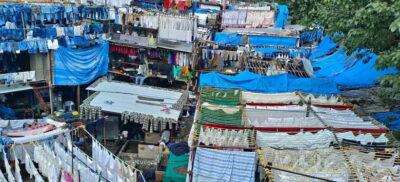
Dhobi Ghat Laundry and Dharavi Slum Tour with Local
Read our review →
Browse the lists this tour appears in