
Reviewed · HIKING & TREKKING
Kashmir Great Lakes Trek
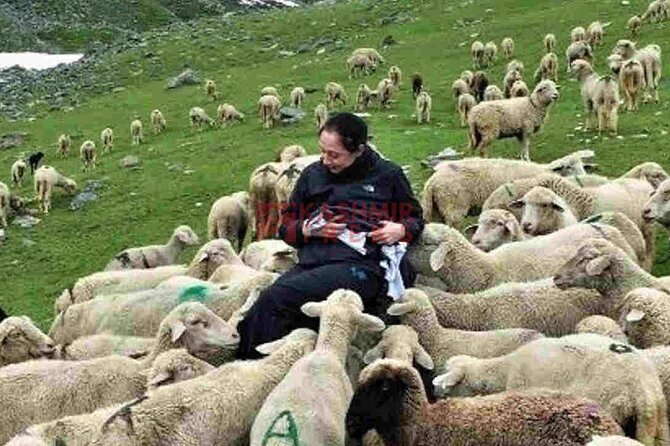
This is a hands-on mountain trip where you sleep in tents and spend your days walking through high passes, alpine lakes, and wide meadow stretches in Kashmir. You also get the satisfying mix of big scenery plus a cultural finish at the Naranag Temple.
What I especially like is how much is handled for you, like permits, cooking setup, and trekking gear. I also like the lighter-feeling hiking thanks to horses carrying the heavy gear (you keep only your day pack). A possible drawback is the altitude and early starts, so you should come with a moderate fitness level and realistic weather expectations.
Key things to know before you go
- Private, personal guide on a Sonamarg to Naranag route, so you do not feel like a number in a crowd
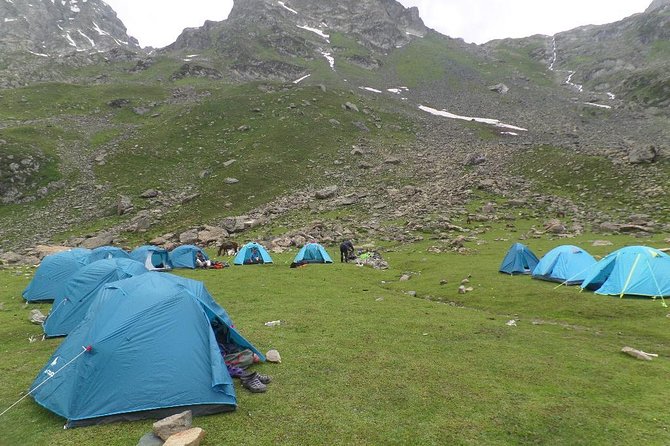
- Gear and permits included, including tents, sleeping bags, mats, trekking poles, and stove cooking equipment
- Horses carry most gear while you hike with a day pack, which matters on longer altitude days
- High pass days with routes touching around 4,080m and 4,180m, built into a clear multi-day plan
- Srinagar comfort at the end, with a deluxe houseboat or hotel included after days in the hills
- Weather dependent trek, meaning your day-to-day experience depends on conditions, especially in the higher sections
Why the Sonamarg to Naranag Great Lakes route feels different
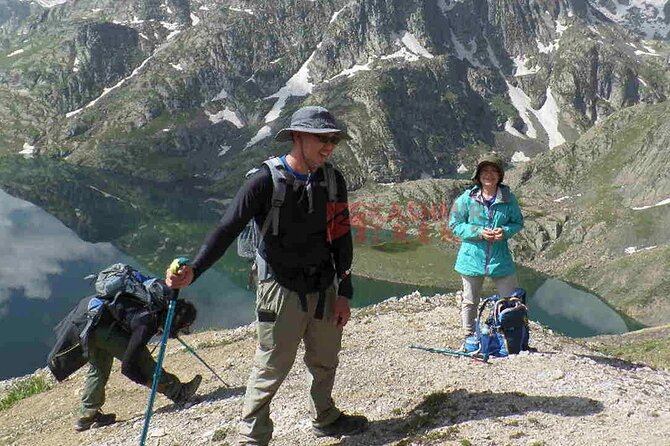
This trek is built around a classic ridge and pass itinerary, linking Sonamarg’s mountain air to a string of lakes and saddles, and then down to Naranag. What makes it interesting is the variety in only eight days: riverbank camps, big-height lake basins, and then a noticeable altitude drop on the last trek day.
You also get a private setup. That means your pace can match your group, and your English-speaking guide can help you understand what you are seeing and where you are heading next. You will not be stuck waiting on a big herd of strangers.
Finally, the finish at the Naranag Temple adds meaning. After walking past lakes and snow peaks, you end your trek in a place tied to a Hindu pilgrimage site, which gives the last day a different tone than a typical hike.
More Hiking & Trekking in Srinagar:
- Mountain Hiking in Munnar (half day) By Munnar Info
★ 5.0 · 390 reviews - Half day trekking (munnar valley Trekking & Tours )
★ 5.0 · 310 reviews - Full day in hiking in Munnar (By Munnar Info)
★ 5.0 · 176 reviews
Price and logistics: what you are really paying for
At about $112 for the full 8-day experience, the value comes from what is bundled. You are not just buying a route map. You are getting private transport, a deluxe houseboat or hotel in Srinagar for one night, and six nights in mountain tent camps with full-board meals.
The included list is where the price becomes believable. You get the tents, poles, sleeping bags, mats, blankets, cooking utensils, and even the LPG stove setup for meals. Permits and trekking or wildlife permits are included, plus first aid.
Two things to keep in mind. Personal clothing and equipment are not included, so you still need to show up prepared. And tips for staff and guides are not included, which is common on treks like this, but you should factor it into your total budget.
The rhythm of a private trek: your guide, your pace, your safety
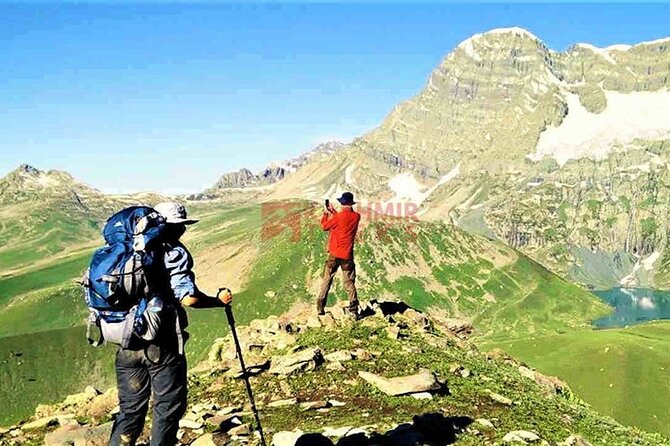
You travel as a private group. That matters because the itinerary is physically demanding in places, with multiple days around 6 to 8 hours of walking, plus altitude changes that can feel quicker than the clock suggests.
Your guide is English-speaking and personal, not a roaming driver. In past experiences with this company, guides like Wajid and Ali were specifically mentioned for professionalism and good care of safety and comfort, especially when trekking with families or mixed groups. That same emphasis on safety also shows up in how people described the service as friendly and efficient.
Safety support is built into the package with first aid included. That does not remove the need for sensible pacing and good judgment, but it does mean you are not going unsupported.
Day 1: Srinagar pickup and the Sonamarg basecamp night
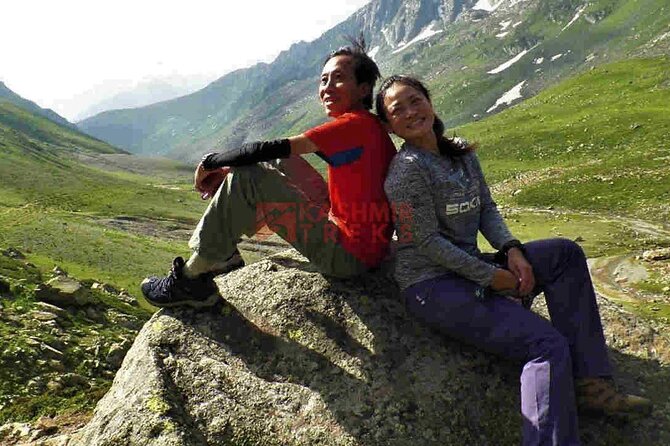
Your day starts with an 8:00 am meeting time. From Srinagar, you transfer about 100 km to Sonamarg in roughly 3 hours, with a few stops along the way for the journey.
Altitude shifts right away: you leave Srinagar at about 1600m and reach Sonamarg around 2610m. Your first campsite is at the Sind riverbank, which is a classic place to feel the change in air and temperature after the drive.
You get transport plus tea and dinner on day 1. I like this setup because it prevents the first day from feeling like a cold start. After that, you are ready for real trekking without scrambling for arrangements.
Line these Srinagar options up side by side
- Private 5-Day Kashmir Package Tour from Srinagar
★ 5.0 · 179 reviews - Kashmir Family Tour – 07 Days Includes Accommodation and Private Transport
★ 5.0 · 164 reviews - 6 Days Private Tour in Kashmir Valley
★ 5.0 · 140 reviews - Private 5-Day Charming Kashmir Package Tour from Srinagar
★ 5.0 · 138 reviews
Day 2: Sonamarg to Nichnai, 11 km and 7 hours of steady ascent
Day 2 is your first big trekking day: Sonamarg (2610m) to Nichnai (3450m). It is listed as 11 km and about 7 hours, with breaks built into the rhythm of breakfast, lunch, tea, and dinner.
This is where you learn how your body handles altitude during an active day. The route is not just a distance hike. It is a gradual experience of thinner air and a higher pace of effort. Take your time early, because the first hour often sets the tone for the rest of the climb.
One small highlight that stands out from people’s experiences is a Nichnai moment around 5:30 pm, when they described a brief light show. The detail is random, but the lesson is real: your best views and memorable moments are not only on the trail, they also happen around camp when conditions make the mountains feel even more dramatic.
Day 3: Nichnai to Vishansar Lake via Nichnai Pass
Day 3 climbs from about 3450m up to 3650m, and it includes the Nichnai Pass area around 4080m. The trekking distance is around 12 km, estimated at about 7 hours.
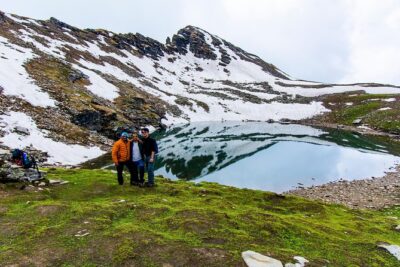
This day tends to be about payoff. You go from a pass to a lake basin, and the scenery often changes from ridge views to water-focused stillness. Vishansar Lake is not just a photo stop. It is a moment where you feel why high-altitude trekking matters: the air is cleaner, the light is sharper, and the mountains look closer even when they are still far away.
You will have full meals again, so you are not stuck making decisions about food. Stove-cooked vegetarian meals are included, which is a practical advantage when you are tired and altitude makes everything feel slower.
Day 4: Vishansar Lake to Gadsar via Gadsar Pass, about 8 hours
Day 4 is longer at about 14 km and around 8 hours. You drop slightly from 3650m toward 3550m, but you still cross a pass zone around 4180m, the highest pass figure in the itinerary.
That pass number is the main thing I want you to respect. When you see a day like this, it usually means the trail will feel steeper than you expect, and weather can change quickly. Keep breathing steady, keep moving at a pace you can sustain, and do not feel pressured to match anyone else’s speed in a private group.
Gadsar itself becomes your next camp point. This section is often where the trek stops feeling like a sequence of stops and starts feeling like one continuous high-mountain story.
Day 5: Gadsar to Satsar, shorter day, still high altitude
Day 5 drops your load a bit. It is 9 km and about 5 hours from Gadsar at around 3550m to Satsar around 3650m.
That shorter walking time is not just a scheduling mercy. It is a chance to let your legs recover, and it is also a good window to adjust to how sleep feels at elevation. If you have any stiffness building up, this is usually the day you notice it least.
Expect the same full-board meals and tea breaks. The consistent food schedule matters here because hunger at altitude feels sharper than it does at sea level.
Day 6: Satsar to Gangabal Lakes via Zajibal Pass
Day 6 brings you to Gangabal Lakes. You trek about 11 km in around 6 hours, from roughly 3650m down to about 3580m, again crossing a pass area around 4080m.
This is the kind of day where lake names start to feel less like labels and more like geography you remember. The trail style often shifts between open views and mountain edges, and the climb toward the pass changes how the lake basin looks in the distance.
Zajibal Pass is the piece to take seriously. You do not need to sprint, you need to manage effort. If weather is clear, this day can be spectacular for views. If it is not, you still get the structure of a route and the comfort of having equipment and camp logistics handled.
Day 7: Gangabal to Naranag, then the drive back to Srinagar
Day 7 is your big descent day. Trekking is about 15 km for roughly 6 hours, moving from around 3580m down to about 2250m, then you drive back to Srinagar.
This is where the trek turns into a celebration day. Your body is still working, but you are lowering altitude, and that can feel like a switch flipping. It is also your transition into the cultural side of the trip, with arrival near the Naranag Temple, a Hindu pilgrimage site.
After the trek, you get transport plus lunch and dinner. If you are trying to plan a relaxed evening in Srinagar, day 7 is when you want that mindset, because day 8 is mostly travel and leaving.
Day 8: Srinagar drop, airport or bus stand
Day 8 is a shorter day by design. You have breakfast and transport, plus a quick drive to either Srinagar bus stand (about 20 minutes for 5 km) or Srinagar airport (about 30 minutes for 12 km).
It is a practical ending. After eight days, you want to avoid another long, unnecessary transfer. This schedule gives you a clean exit.
Houseboat or hotel night in Srinagar, why it matters
You get one deluxe night in Srinagar at either a houseboat or a hotel. That matters because after days in sleeping bags and camp setup, you get a real break from camp routine.
In one set of experiences, people specifically called out a houseboat stay on Dal Lake. You should not assume every group gets the exact same style, but you can count on the idea: you are coming down from the mountains into comfort before you leave the region.
This is also where you can mentally decompress. The trek is physical, but it is also intense. Srinagar becomes the counterbalance.
What to pack when the important gear is already included
The tour includes a lot of trek gear: tents, sleeping bags, mats, blankets, trekking poles, and camp cooking equipment. That means your packing list can stay focused on personal needs.
I would plan for three buckets. First, warmth for high altitude nights and early mornings, even if the day feels mild. Second, comfortable footwear made for uneven trails. Third, a day pack sized for your personal items only, since horses handle the heavy gear.
If you have dietary needs, you should tell the operator at booking. The itinerary notes stove-cooked vegetarian meals, so it helps to communicate so your meals match what you need.
Season and weather: when you should time this trek
This experience requires good weather. That is not a small footnote. It means your route comfort, pass conditions, and safety depend on conditions.
From people’s experiences, early March and April were described as very good times. Monsoon timing was described as difficult for crossing boulder areas, and clear weather was mentioned as a big factor in how enjoyable the trek felt. October also came up as late in the season, with the trip still working well when weather cooperated.
So here is my practical advice: if you want a calmer trekking experience, aim for early spring or other stable-weather windows. If you are traveling in wetter or later periods, build in flexibility and do not expect perfect trail conditions.
Who this trek is for, and who should skip it
This trek fits you if you want a guided, private mountain experience with clear structure. It is also a good match if you like the idea of camp life without handling all the logistics, since gear, permits, and cooking are included.
It is not the best fit if your fitness level is below moderate. The itinerary includes multiple days around 7 to 8 hours of walking, and pass days include altitude zones above 4,000m.
You also want the right mindset. This is a trekking trip with real altitude days. If you mainly want a casual stroll with minimal effort, you will likely be disappointed.
Should you book the Kashmir Great Lakes Trek?
If you want a value-forward trek that covers the hard parts for you, this is a strong choice. The combination of gear included, private guidance, horses carrying most gear, and full-board mountain camps makes the $112 price feel realistic for what you get.
Book it if you are comfortable hiking several hours a day, you handle altitude as a priority, and you are okay with weather-based changes. Skip it if you want a low-effort itinerary or if you are not ready for pass days that reach above 4,000m.
FAQ
Where does the trek start and end?
The trek starts in Sonamarg and finishes at Naranag, after which you drive back to Srinagar. On the last day, you are dropped at either Srinagar airport or the bus stand.
How long is the Kashmir Great Lakes Trek?
It runs for about 8 days, with a mix of private transport days and around 6 nights in tented mountain camps.
Do I get picked up in Srinagar?
Yes. Pickup from Srinagar is offered at the start, and private transportation is included.
What trekking gear and camping equipment are included?
Tents, poles, sleeping bags, mats, blankets, and trekking poles are included. Cooking utensils and a cooking LPG stove are also included.
Does the trek include horses to carry gear?
Yes. Offloading by horses is included, and horses carry all gear except your day pack.
Are meals included?
Yes. Meals are included as breakfast, lunch, and dinner, along with coffee and/or tea and bottled water.
Do I need a passport?
Yes. A current valid passport is required on the day of travel, and passport details are required at booking.
What happens if the trek cannot run due to weather?
The experience requires good weather. If it is canceled due to poor weather, you are offered a different date or a full refund.
Latest reviews in from Srinagar
- Kashmir Tulip Festival★ 5.0 · 43 reviews
- Private Sedan Cab to and from Srinagar Airport and Dal Lake★ 5.0 · 46 reviews
- Pahalgam Gulmarg Srinagar Tour★ 4.5 · 47 reviews
- Fascinating Kashmir 4 Nights / 5 Days★ 5.0 · 112 reviews
- Private Kashmir Family 7-Day Tour★ 5.0 · 122 reviews
- Amazing Kashmir Tour – 03 Nights & 04 Days★ 5.0 · 127 reviews
- Private 5-Day Kashmir Package Tour from Srinagar★ 5.0 · 179 reviews
- Private 5-Day Charming Kashmir Package Tour from Srinagar★ 5.0 · 138 reviews
Hiking & Trekking, compared.
Mountain Hiking in Munnar (half day) By Munnar Info
Read our review →
Half day trekking (munnar valley Trekking & Tours )
Read our review →
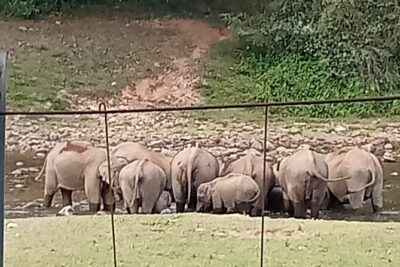
Wild Elephant Anakulam & Waterfalls Tour(munnar valley Trekking)
Read our review →
Browse the lists this tour appears in