
Reviewed · HIKING & TREKKING
Friendship Peak Trek
Friendship Peak Trek is interesting because you are hiking into the Pir Panjal range, aiming for a real summit at 17,348 ft, then sleeping in tents with a team that handles the heavy lifting. Two things I really like about this trip are the included gear and safety kit (yes, proper rescue equipment is part of the package) and the way the route is paced for an actual high-altitude push.
My main caution is that Friendship Peak is not for beginners. The climb demands prior high-altitude trekking experience and a high fitness level, so if you are still building your stamina, this one can feel like an uphill lesson you did not sign up for.
If you want a supported, private trek where you go at your own pace, but you still get structure, this is a strong fit. You also do not get total freedom on weight, because you carry your own bags while the team carries common supplies, which is a fair trade for lighter coordination stress.
Key Things I Would Pack My Day Around
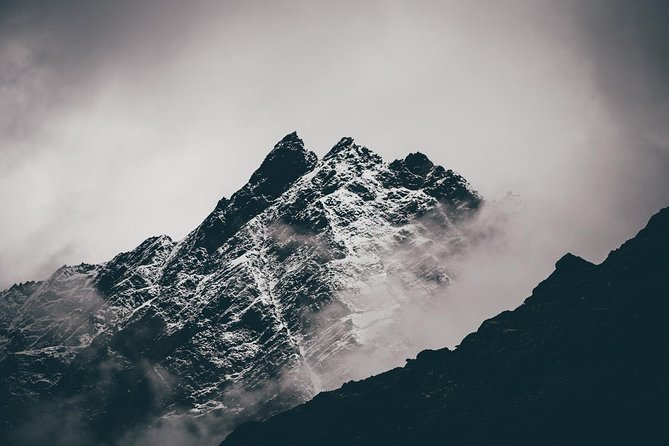
- Real summit altitude and big views from Friendship Peak across the Pir Panjal, Dhauldhar, and the Great Himalayan range
- High-altitude focused itinerary with acclimatization at Camp 1 and a reserve day before you commit
- Included tent setup and meal service so you can focus on walking, not logistics
- Safety gear is included, including static rescue rope, harness, pulleys, snow stake, and dead man or boy
- You carry your own bags, but porters handle common supplies, which keeps the trek moving
- Staff support is consistently praised, especially for food timing and summit encouragement
Heading Up the Pir Panjal Toward Friendship Peak
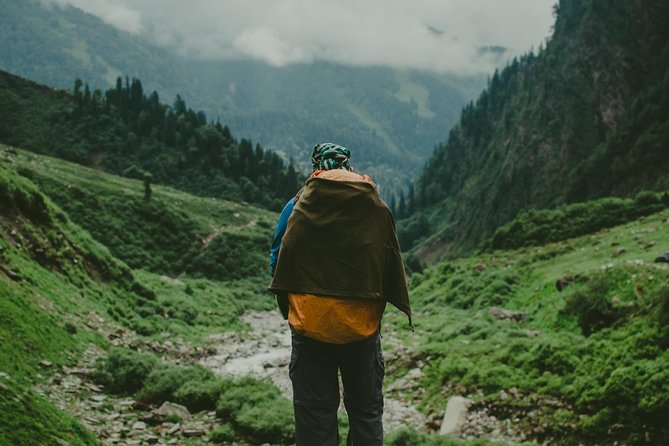
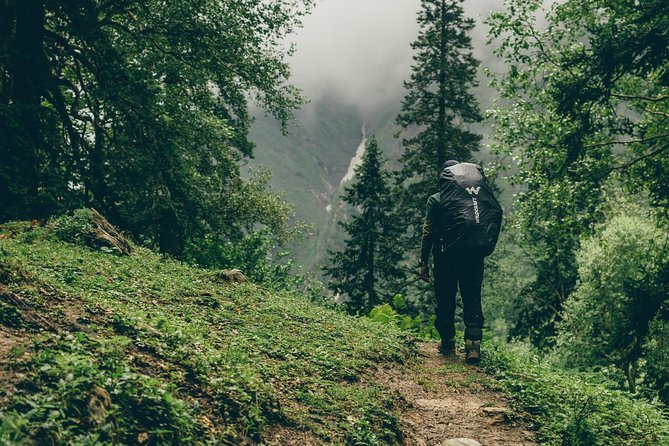
This is the kind of trek that feels like it has a job to do. You start around Manali, then gradually work your way into the Pir Panjal range. The trail goes through dense forests and alpine meadows, plus plenty of streams to cross along the way. Expect varied flora and fauna, and a lot of changing scenery day to day, even when the weather keeps you guessing.
The summit is Friendship Peak, one of the most famous trekking summits in India. At 17,348 ft, you are not just walking in the mountains, you are dealing with thin air and fatigue that builds step by step. The reward is a panoramic view that can include the Pir Panjal range, the Dhauldhar range, and the Great Himalayan range. You may also get sights of peaks such as Hanuman Tibba, Shitidhar, Indra Asan, and Deo Tibba.
And here is the practical part people often forget: the summit is famous, but it is also demanding. The trek package explicitly warns that you need prior experience with high altitude treks. So if you have only done low-elevation hikes, plan to level up first.
More Hiking & Trekking in Manali:
- Bhrigu Lake and Alpine Meadow Trek
★ 5.0 · 121 reviews
Price and What You Truly Get for About $898.79
At $898.79 per person, this trek is not cheap in the way a basic hike is cheap. But it includes a lot that usually costs extra on self-organized trips or bare-bones group trips.
Here is where the value shows up:
- Accommodation in Manali: two nights in hotel or guest house (Day 1 and the last day)
- Tents and sleeping setup: tents on twin sharing basis, plus sleeping bags and sleeping mats
- Meals on the trek: meals start with lunch on Day 2 and continue through dinner on the last day in Manali
- Gear for winter conditions: snow boots, helmet, gaiters, and ice-axe are listed as included personal equipment
- Safety and rescue gear: static rescue rope, harness, carabiners, pulleys, snow stake, and dead man or boy
- A trained team: expedition guide, cook, helpers, and porters for common supplies, plus a mountaineering course certified trek leader with first aid and special rescue training
- Permits and camping charges (if applicable)
- IMF fees for foreign nationals
Two money notes I find important. First, they provide a lot of the equipment that can be both expensive and hard to source in a hurry. Second, they make portage clearer: you handle your personal bags, but porters carry common supplies. That design usually means fewer chaotic moments on the trail.
If you are comparing prices, do not just look at dollars per day. Look at whether you are getting tents, sleeping gear, meal service, and rescue-ready equipment.
Gear, Tents, and the Carrying Rules You Will Feel Day 3
This trek is “supported,” but it is not a blanket-carry everything style of adventure. Your team provides equipment and logistics. You still carry your own personal bags.
The package includes:
- Tents for night camps (twin sharing), plus sleeping bags and sleeping mats
- Snow boots, helmet, gaiters, and ice-axe as personal equipment
- Safety gear such as harness and rope systems, plus rescue-related hardware
- First aid capability and rescue training through the trek leader and guide team
What this means for you in real life is simple. You should pack like you are going to be managing your own small load every day. If you bring extra bulky items, you will feel it. If you pack smart, you will spend more energy on the climb and less on reorganizing mid-trek.
One more practical point: because the safety system gear is listed explicitly, it signals they are not treating this trek as a casual walk in the snow. That matters for peace of mind, especially when conditions turn slick or visibility drops.
The 8-Day Route, Day by Day: Manali to Summit and Back
This itinerary has clear “walking days” and clear “breathing days,” which is exactly what you want near a summit.
Day 1: Arrive in Manali, Overnight in a Hotel
You arrive in Manali and sleep in a hotel or guesthouse. This is your buffering day. Use it to get your gear sorted, eat something normal, and hydrate. If you have never done a high-altitude trek before, sleep and hydration matter more than you think.
Day 2: Manali to Solang, Then Trek to Bakarthatch
You drive from Manali to Solang, then start trekking to Bakarthatch. This is a classic ramp-up day. It lets your legs wake up before you get serious about altitude.
On this day, lunch on the trek starts after the travel segment, so you shift quickly from driving energy to trail energy. Also, this is where your pace control begins. If you rush, you pay later.
Day 3: Bakarthatch to Advance Base Camp
You move from Bakarthatch to Advance Base Camp. At this stage, the route is doing more than stringing scenery together. It is positioning you for a summit attempt with acclimatization built into the schedule.
Expect more effort as the trek continues. Even if the distance is not crazy, altitude fatigue is the sneaky part.
Day 4: Ferry Load to Camp 1, Then Back to ABC
This day is different. You load ferry to Camp 1, then you go back to ABC. Think of it as logistics plus acclimatization support.
The pattern is helpful: you do not just jump to higher ground and hope for the best. You get repeated exposure to the climbing zone while keeping the overall day manageable. This is where the “supported” part really helps.
Day 5: Acclimatization and Moving to Camp 1
Now you acclimatize and move to Camp 1. This is a key day, because acclimatization is not theory here. You are preparing your body for the summit push on Day 6.
If you have read any high-altitude advice, it always says to take it slow. That advice is not polite. It is survival. You might feel fine, then feel awful later. So keep your effort steady.
Day 6: Summit Attempt, Then Back to Base Camp
This is the commitment day. You attempt the summit and then return to Base Camp.
Even when you train, summit day has a mental component. You are working against fatigue, cold, and thin air. The good news is that you have a trained trek leader and support team. In other trek feedback from this operator, people have praised summit push encouragement, including credits to trek leaders like Nitin sir for keeping teams moving. You should still assume you control your pace, but strong leadership makes a difference when motivation dips.
Day 7: Reserve Day
You get a reserve day. That is not just a “spare in case of weather” line. It is your safety valve for real trekking conditions, like slower acclimatization or discomfort that needs extra time.
From a planning standpoint, this reserve day is a big deal. It reduces the odds that one rough day forces a rushed summit attempt.
Day 8: Base Camp to Solang, Drive Back to Manali
You head from Base Camp to Solang, then drive back to Manali. This is your decompression day. Your legs will feel it, but it is usually less intense than summit day.
Then you finish with another hotel or guesthouse night in Manali, so you are not stuck in limbo after the trek.
Acclimatization, Weather, and Why the Reserve Day Matters
Two things set this trek up well for altitude management. First, there is a dedicated acclimatization day and Camp 1 exposure. Second, there is a reserve day.
If you are the type who hates uncertainty, this may sound annoying. But in high-altitude trekking, uncertainty is part of the job. Weather can change quickly. Bodies can react differently even if you trained the same way.
Also, the peak is not beginner-friendly. That means the trek team is likely watching for warning signs, and the itinerary helps prevent pushing beyond safe limits just because the calendar says so.
On weather: this experience requires good weather. If it is canceled due to poor weather, you are offered a different date or a full refund. That policy is comforting because summit treks really do depend on conditions.
Food in Camp and the Crew That Keeps It Moving
I love that this trip takes meal timing seriously. Trek days can feel long, and being hungry makes everything harder, including decision-making.
The key food details:
- Meals on the trek are provided, starting with lunch on Day 2
- Freshly cooked meals happen through camp life
- Your camp chef is part of the operation
- In feedback, people specifically call out that food and snacks are provided on time
This matters for more than comfort. When you are at altitude, your body uses more energy and you need more consistent fuel. A trek team that keeps food organized is basically helping you climb better.
Also, the trek includes guides, cook, helpers, and porters for common supplies. That reduces the “who is hauling what” stress on your side. You carry your own bags, but the team handles enough that you are not running logistics in parallel with your oxygen levels.
Staff and Safety: What the Package Says, and What Reviews Confirm
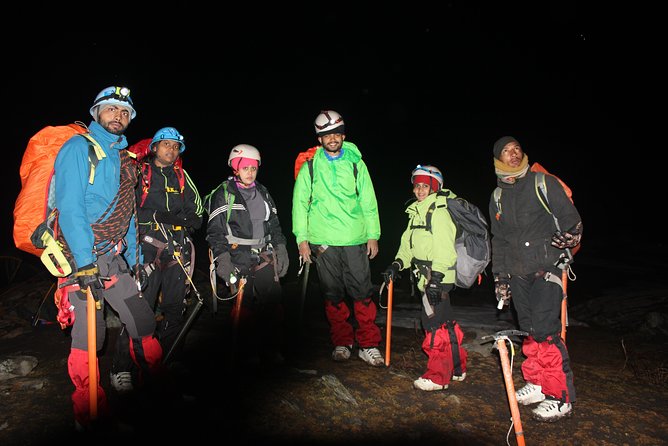
This trek includes:
- A first aid certified expedition guide, cook, helpers, and porters
- A mountaineering course certified trek leader with first aid certification and special rescue course
- Safety hardware like static rescue rope, harness, pulleys, and anchors (snow stake, dead man or boy)
That is the kind of safety list that you usually only see on trips run by operators who expect challenging terrain.
In the feedback you provided, the most praised operational themes include:
- Food quality and timing
- Supportive trek leaders
- Professional, safe organization
- Multiple local guides handling different pieces of the trek
So while you should never treat any trek as risk-free, this one appears built around real mountain operations, not casual guiding.
Fitness Requirements You Should Not Ignore
The trek includes pretty direct fitness expectations. If you can hit these, you are starting in a better place:
- Jog or run 5 km in 25 to 30 minutes, or
- Walk continuously 10 km with 3 to 4 small breaks on plain terrain (slight incline is better)
It is not just about strength. It is about your ability to keep moving without losing control of your breathing. High altitude adds stress, so your baseline matters.
If you do not meet those benchmarks, you can still train, but you need time. Plan on building endurance and doing some stair or incline work before you come to Manali.
Who Should Book Friendship Peak Trek, and Who Should Skip
This trek is best for:
- Experienced high-altitude trekkers who want a supported summit attempt
- Active travelers who like structure, but still want to go at their own pace
- People who appreciate hotel comfort before and after, since Manali bookends the trip
It may not be for you if:
- You are new to altitude, or you have not done multiple challenging treks in higher regions
- You do not have strong conditioning yet
- You want a totally low-commitment experience. This is a real summit, not a stroll
Practical Tips for Training and Packing (Based on What Is Included)
Since the package includes key winter gear like snow boots, helmet, gaiters, and ice-axe, you can focus packing on essentials rather than scrambling to buy specialized equipment last-minute.
Still, pack smarter than lighter only. You will be carrying your own bags. So keep what you bring:
- Essential
- Easy to access
- Not bulky
Before you go, train with the provided fitness standards in mind. Then add altitude preparation if you can, but do not fake it. A summit attempt is not the time to experiment with your limits.
Also, check that your winter layer system works for cold nights in tents. You are sleeping in tents with sleeping bags, which helps, but your comfort still depends on what you wear inside that setup.
Should You Book Friendship Peak Trek with Bikat Adventures?
Book it if you match the profile. This is for hikers who already know how to move through altitude, who are ready for a summit day, and who want a team that brings both logistics and safety systems to the table. The included tents, sleeping gear, meal service, and rescue-ready equipment make it feel like a well-run expedition rather than a DIY scramble.
Do not book it if you are hoping this is a beginner climb. Friendship Peak is explicitly positioned as not meant for beginners, and the fitness requirements are clear. If you do not have prior high-altitude trek experience, consider training and doing a step-up trek first.
If you book, your best move is to treat the itinerary seriously. Respect the acclimatization, keep your pace controlled, and take the reserve day as a gift. The summit is impressive, but the real win is coming down feeling like you handled the mountains instead of fighting them.
FAQ
Where does the Friendship Peak Trek start and end?
The trek is based in Manali, India. You stay in a hotel or guest house in Manali on Day 1 and again on the last day after the trek ends.
How long is the trek?
It runs for about 8 days, with a Day 6 summit attempt and a reserve day on Day 7.
What is Friendship Peak altitude?
Friendship Peak is listed at 17,348 ft.
When is the best time to do this trek?
The best months are May to June and September to October.
Is the summit suitable for beginners?
No. The trek is not meant for beginners, and you should have prior experience with high altitude treks.
What gear and safety equipment are included?
The package includes tents (twin sharing), sleeping bags, sleeping mats, and personal winter equipment such as snow boots, helmet, gaiters, and an ice-axe. Safety equipment like static rescue rope, seat harness, carabiners, pulleys, snow stake, and dead man or boy is also included.
Are meals included?
Yes. Meals are provided on the trek starting with lunch on Day 2, and continuing through dinner on the last day in Manali.
Do I carry my own bags during the trek?
You carry your own bags. Portage of personal bags is listed as not included, though porters are included for carrying common supplies.
What if the trek is canceled due to poor weather?
If it is canceled because of poor weather, you will be offered a different date or a full refund. The experience is otherwise non-refundable and cannot be changed for any reason.
Latest reviews in from Manali
- Bhrigu Lake and Alpine Meadow Trek★ 5.0 · 121 reviews
Hiking & Trekking, compared.
Mountain Hiking in Munnar (half day) By Munnar Info
Read our review →
Half day trekking (munnar valley Trekking & Tours )
Read our review →
Wild Elephant Anakulam & Waterfalls Tour(munnar valley Trekking)
Read our review →
Browse the lists this tour appears in