
Reviewed · HIKING & TREKKING
Har Ki dun Trek by Himalaya Shelter
Har Ki Dun hits a sweet spot that’s hard to find in India trekking: big mountain scenery, plus a plan that takes the stress out of logistics. This is a small-group guided trek (cap 11) where you get transport from Dehradun, camping equipment rental, forest entry charges, and a cook and guide team that keeps you fed and on track, including guides like Surendra and chefs like Sanju.
I love that the experience is built around safety and guidance on remote trails, not just “good luck out there.” I also like the steady rhythm of included meals, from day 1 dinner to day 7 breakfast, so you spend energy on the hike instead of figuring out food.
One consideration: you’ll do long travel days by road, with about 8 hours of driving on day 1 and day 7. If you’re sensitive to time on a vehicle or altitude, plan your fitness and pacing accordingly.
Key highlights before you go
- Small group size (max 11): easier communication, tighter pacing, and less chaos on narrow sections.
- Meals included all the way: from day 1 dinner through day 7 breakfast, plus snacks along the trek.
- Camping gear rental is handled: so you’re not shopping for tents and sleeping bags at the last minute.
- Guides and cooking support: named guide teams like Sonu and Surendra, plus chefs such as Sanju, show up again and again in feedback.
- Optional-ish extra effort on the route: Marinda Tal is part of the day 4 effort, so you get more than one “wow” moment.
Why Har Ki Dun works so well as a first serious trek
If your worry is choosing a safe trekking plan in the Himalaya, this route is designed to reduce guesswork. You start with a big, scripted road transfer from Dehradun into the hills, then you hike in a sequence that gradually builds altitude. Your guide is also there for the not-so-fun parts: route finding, timing, and adjusting when weather or conditions change.
And the “included” part matters more than it sounds. You’re not just buying a hike. You’re buying a system that supplies food and gear, plus the people who make it all run. That turns a potentially intimidating trek into something you can actually enjoy day by day.
More Hiking & Trekking in Rishikesh
- Top Tibba Trek – Mussoorie
★ 5.0 · 61 reviews - Chopta Trek
★ 5.0 · 52 reviews - 5 Days Kedarkantha Trek
★ 5.0 · 51 reviews
Getting to Dehradun early, then riding out to the mountains (Day 1)
Day 1 is Dehradun to Sankri by road for about 8 hours. The early start is real too. You meet at Egg and maggi stall near Saharanpur Rd, Lakkhi Bagh, Dehradun and the start time is 6:30 am.
What I’d plan for here:
- Bring patience for the drive. It’s long enough that you’ll want water, a snack, and something to pass the time.
- Treat this day as altitude prep. Even though you’re not trekking yet, your body is already starting to adjust to the region.
Why this road day is still worth it: Sankri becomes your staging point. Once you’re based there, the trek starts to feel focused and real.
Possible drawback: if you hate being in a vehicle for hours, day 1 may feel like it steals time from the trek itself. The upside is that it gets you into position without you doing your own complicated transfers.
Sankri to Osla (Day 2): first real hike at around 2,700 meters
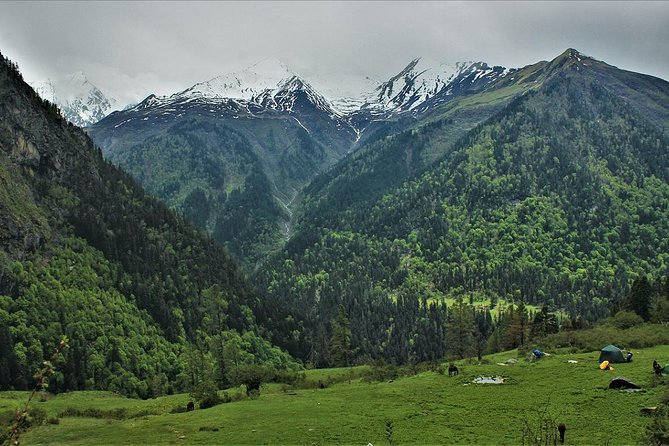
Day 2 is a short drive plus a longer trek, Sankri to Osla at about 2,700 m. After the drive (about 1 hour), you hike for roughly 5 to 6 hours.
This is a good “first climbing day” because:
- You’re not jumping straight to the highest point.
- Your day is long enough to feel accomplishment, but guided enough that you’re unlikely to wander into trouble.
What you should bring into this day mentally: you’ll likely walk slower than you think. In the Himalaya, especially early on, pacing is everything. Let the guide set the rhythm and save your legs.
Also, you’ll want to be ready for cold mornings. Even if the air feels okay at lower elevations, mornings in the hills can bite. Feedback from past treks includes how warm sleeping gear helped people handle cold nights, and that same lesson applies on the trail too.
Osla to Kalkatidhar (Day 3): pushing to about 3,300 meters in a 3-hour move
Day 3 is Osla to Kalkatidhar (about 3 hours), reaching around 3,300 m. This day is shorter than day 2, which is useful. It gives you time to settle at the higher base, rest, and recover so you’re ready for the big day 4.
If you’re a careful planner, you’ll notice the pattern:
- Day 2 hikes longer.
- Day 3 hikes shorter but gains altitude.
- Then day 4 hits the higher highlights.
That progression is what makes the trek feel doable for “moderate physical fitness” rather than “only for hardcore climbers.”
A different shape of Rishikesh day:
- Day Rafting in Rishikesh- 16km
★ 5.0 · 328 reviews - Half Day Rafting in Rishikesh – 26 Km.
★ 5.0 · 300 reviews - Day Rafting in Rishikesh – 26km
★ 5.0 · 292 reviews - Landour Infinity Walk – A Guided Walking Tour Of Landour
★ 5.0 · 80 reviews
Kalkatidhar to Har Ki Dun and Marinda Tal (Day 4): the headline day
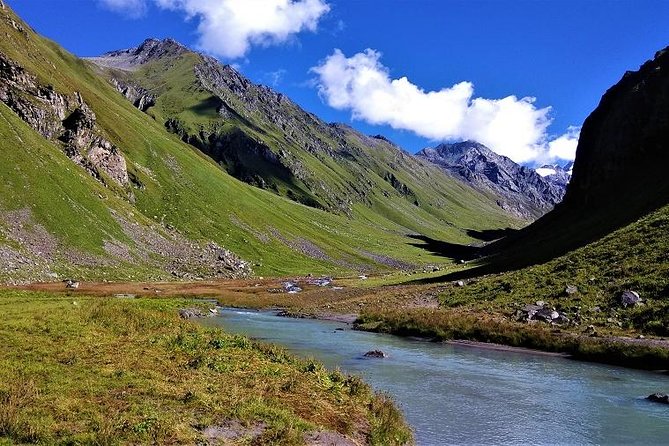
Day 4 is the main effort. You go from Kalkatidhar to Har Ki Dun (about 3,510 m) and also to Marinda Tal (about 3,794 m), then return back to Kalkatidhar.
The route description is clear, but the emotional impact is bigger. This is where you trade quiet valley walking for those sharper, alpine-feeling moments. The extra altitude to Marinda Tal means you get more than just one look at the high peaks.
Here’s the practical value of making this day part of the itinerary:
- It packs your “big day” into the middle of the week, so you’re not wasting the whole trek waiting for highlights.
- Your guide can manage effort levels on a day when everyone gets excited and tempted to push too hard.
Possible drawback: day 4 can feel demanding because it combines multiple high points. If you’ve never done altitude hiking before, listen closely to your guide’s pace and take breaks when suggested, even if you feel like you can keep moving.
The recovery loop back: Kalkatidhar to Osla (Day 5)
Day 5 is Kalkatidhar to Osla (about 3 hours). This is basically your “absorb the altitude” day in reverse. You’re going down slightly in elevation, so breathing and legs often feel better than on the higher days.
This is the day you appreciate having a guide and camp support. When you’re not struggling with navigation or gear, the route becomes more about enjoying the walk rather than surviving it.
Osla to Sankri (Day 6): a trek day that ends with a return road ride
Day 6 is Osla to Sankri by trek (about 4 to 5 hours), then a 1-hour drive. In other words, it’s another full movement day, then you regain the comfort of being closer to base.
Why this day matters: it sets up a calmer finish on day 7 because you’re not hiking on your last day. You still need energy, but you’re not facing the longest road day and a summit push together.
If you want to travel smarter, focus on day 6 recovery:
- Keep your hydration consistent.
- Don’t treat this like a race, even if the downhill feels easy.
Day 7: Sankri to Dehradun and back to the real world
Day 7 is about an 8-hour drive from Sankri back to Dehradun. The trek ends back at the meeting point, so you’re not stuck guessing where you’ll be dropped off.
I like how this finish is laid out. You get one last long view from the road, then you’re done. No complicated add-ons.
Practical note: after an altitude week, sitting for hours again can make you feel stiff. Stretch during breaks, and plan a gentle evening plan back in the city.
Meals, chef support, and what “included” really gives you
You get all meals from day 1 dinner through day 7 breakfast, plus snacks. That’s a major value factor because mountain treks often turn into an expensive food hunt, even when you’re trying to be frugal.
What stands out in feedback:
- People consistently talk about tasty food and helpful cooking support.
- Warm gear matters for sleep quality, and the same operation that handles tents and bags also handles daily comfort.
A realistic expectation: food can be excellent some nights and more basic some nights. That said, the big point is you’re not making decisions every day. You wake up, hike, eat, repeat, and you stay focused on the scenery and the trail.
Camping gear rental and cold-night comfort
This trek includes camping equipment rental, so you’re not hauling gear or buying a sleeping setup you’ll never use again. Multiple feedback points mention warm sleeping gear that made very cold temperatures manageable, even around -10°C.
What to expect practically:
- Tents and sleeping bags are provided via rental arrangements.
- You’re still outside, so you need to dress in layers and use your gear the way it’s intended.
If you’re the type who always worries about sleep quality, this is one of the reasons the trek feels less stressful. One group even reported receiving The North Face tents on their departure, which hints at the general seriousness around shelter.
Safety, guides, and the value of having people who know the route
The whole structure is built around guided trekking and support. You’re not alone on the trail.
In feedback, you’ll see names come up again and again, including Surendra, Sonu, and Rocky Rana/Rocky Bhai, plus a strong chef presence like Sanju. That matters because you’re looking at continuity. When a team is practiced, you get fewer surprises.
Safety here is not just “be careful.” It’s also:
- knowing pacing,
- adjusting plans when needed,
- and making sure you’re fed and rested.
Also, some trekkers mention mule support for transport. Even if you don’t think about it, it affects how tired you feel when your energy matters most.
The itinerary is scenic, but the real win is rhythm
Har Ki Dun is famous for its scenery, but for you, the real win is rhythm.
- You start with a long transfer so you’re not spending the trek days figuring out logistics.
- You hike multiple days in a row, but the plan alternates effort and recovery.
- You hit the highest, most exciting points on day 4 when you’re already acclimating a bit.
- You finish with the road ride, not one more summit push.
That’s why this works as a guided “do it right” trek. It gives you a clear plan, and it removes the temptation to improvise.
Price and value: why $231 can make sense here
At $231 per person for a roughly 7-day trek, the real question isn’t the number. It’s what you’re getting for it.
Included items that usually cost extra if you DIY:
- Round-trip transport support between Dehradun and the trek base (pickup day 1, drop day 7).
- Guide support and cook fees.
- All meals from day 1 dinner through day 7 breakfast, plus snacks.
- Forest entry charges.
- Camping equipment rental (tents, sleeping gear).
- Insurance for Indian citizens only.
What’s not included matters too:
- You pay to get to Dehradun on your own.
- Personal expenses like tips, medicines, and phone use are on you.
- There’s no extra transport support during the trek beyond what’s included, and no stated Dehradun accommodation.
So when does this feel like a good deal?
- If you’d otherwise spend money and time coordinating permits, gear rental, and a guide.
- If you want to focus on hiking, not logistics.
- If you appreciate fixed planning with a small group cap.
If you already have trekking gear and you love DIY organizing, it might not feel as cost-effective. But most people don’t have the full system ready, especially the cold-night shelter side.
Who this trek suits best
This is best for:
- People with moderate fitness who want a structured trek with support.
- First-timers who don’t want to gamble on logistics or safety.
- Travelers who want a small group and a clear daily plan.
It might feel like a mismatch if:
- You strongly dislike long driving days.
- You’re unprepared for altitude hiking, including the day 4 higher points.
- You’re expecting a totally flexible route with no pace control, since guided trekking is designed around group safety.
Also, a practical culture note from feedback: one person mentioned concerns about plastic waste. On a trek like this, it helps to be the kind of participant who keeps things clean and reduces what you carry out.
Should you book Har Ki Dun with Himalaya Shelter?
If you want Har Ki Dun without turning your trip into a second job, I think this is a smart choice. The strongest reasons are practical: meals included, camp gear rental, and a small-group guided setup with real support for safety and comfort.
Before you book, ask yourself two quick questions:
- Can I handle two long road days plus several trekking days?
- Am I okay with a moderate fitness pace led by a guide?
If your answers are yes, you’ll likely enjoy the trek for what it is: a guided, well-fed way to reach Har Ki Dun and Marinda Tal, with fewer unknowns and more time to actually enjoy the hike.
FAQ
What is the duration of the Har Ki Dun trek?
It is listed as 7 days (approx.).
Where does the trek start and when?
You meet at Egg and maggi stall near Saharanpur Rd, Lakkhi Bagh, Dehradun, Uttarakhand 248001, starting at 6:30 am.
How big is the group?
The trek has a maximum of 11 travelers.
What’s included in the price?
Included items are transport support between Dehradun and the trek, a guide and cook fees, all meals from day 1 dinner to day 7 breakfast, camping equipment rental, forest entry charges, and insurance for Indian citizens only.
What camping gear will I get?
The trek includes rental for camping equipment, so you should not need to bring camping gear yourself.
What meals are provided?
Meals start from day 1 dinner and continue through day 7 breakfast.
What is not included?
Not included are transport to reach Dehradun from your hometown, personal expenses (tips, medicines, phone calls), and accommodation in Dehradun.
What is the highest altitude on this trek?
The itinerary includes Marinda Tal at about 3,794 m and Har Ki Dun at about 3,510 m, with Osla at about 2,700 m and Kalkatidhar at about 3,300 m.
Latest reviews in from Rishikesh
- 5 Days Kedarkantha Trek★ 5.0 · 51 reviews
- Hathipaown Heritage Walk – A guided walk to Mini Everest★ 5.0 · 58 reviews
- Landour Infinity Walk – A Guided Walking Tour Of Landour★ 5.0 · 80 reviews
- Day Rafting in Rishikesh – 26km★ 5.0 · 292 reviews
- Half Day Rafting in Rishikesh – 26 Km.★ 5.0 · 300 reviews
- Top Tibba Trek – Mussoorie★ 5.0 · 61 reviews
- Benog Tibba Day Hike – Mussoorie★ 5.0 · 38 reviews
- Chopta Trek★ 5.0 · 52 reviews
Hiking & Trekking, compared.
Mountain Hiking in Munnar (half day) By Munnar Info
Read our review →
Half day trekking (munnar valley Trekking & Tours )
Read our review →
Wild Elephant Anakulam & Waterfalls Tour(munnar valley Trekking)
Read our review →
Browse the lists this tour appears in