
Reviewed · HISTORICAL TOURS
Walking tour of historic Old Nashik and Panchwati
Old Nashik feels special because you experience it on foot, along narrow lanes where vehicles do not belong. This walk turns familiar landmarks into something you can actually picture, from the Kala Ram Temple area to the older pockets of Panchavati you would likely miss on your own.
What I like most is that the tour is built for real street walking. You get a steady mix of medieval temples, old housing complexes called wadas, and riverside scenery, guided by local Amrita, who shares stories that make the places feel lived-in.
One thing to consider is the terrain. Even though the total time is short, you will be on uneven, tight lanes for most of the 2.5 hours, so plan for a moderate fitness level.
Key points worth knowing before you go
- Small group size capped at 10 people, so you get time to ask questions instead of being rushed
- Snacks included: misal pav and hot kadak chai to keep your energy up during the walk
- State Archaeology Museum entrance included, so your ticket covers more than just street time
- Wadas and foot-only lanes show you the older neighborhood fabric, not just the big sights
- Stops like Kalaram, Goraram, and Na Ro Shanker Shiva help you connect multiple religious sites in one loop
- Tour ends at Saraf Bazar Road, near a major heritage area where you can keep browsing afterward
Why Old Nashik looks different when you walk it instead of drive it
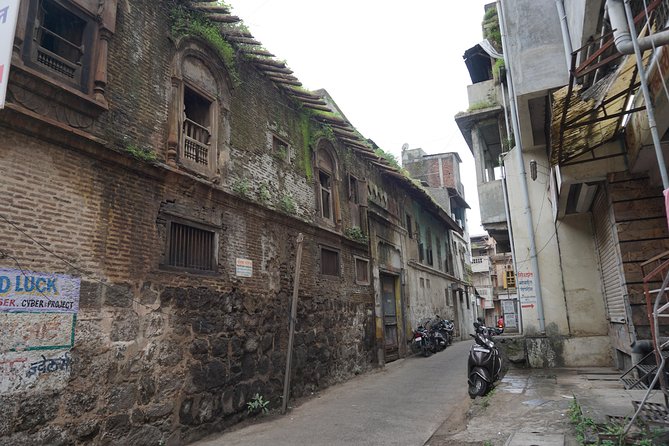
Nashik’s old core has a rhythm that disappears when you arrive by car. Streets get narrow fast, and that is exactly the point of this tour. You spend your time where locals actually move, past older building lines and doorways that would be easy to overlook if you only did a quick photo stop.
I also like that this is not just a list of temples. The walk threads together the town’s religious landmarks with the residential history around them. You are not only seeing places of worship, you are also learning how families lived in older housing complexes known as wadas, and how the neighborhood layout supports community life.
The guide matters here. Amrita is a local from the Panchavati side of town, and it shows in how she points out details. In my experience, the best walking tours do two jobs at once: they help you understand what you are looking at, and they help you understand how people used it day to day.
One more practical win: this is a compact half-morning style outing. With a total duration of about 2 hours 30 minutes, it fits neatly into a longer Nashik plan without turning your day into a full travel project.
The 2.5-hour route: from Kalaram Temple to the heritage end point
The walking tour starts at the Shree Kalaram Sansthan Mandir meeting area, specifically opposite the Kala Ram Temple East door in Panchavati. The start time is 8:00 am, which is a smart choice because the streets feel calmer and you get more comfortable walking conditions.
If you are staying outside the old area, you will likely use a cab or rickshaw to get to the meeting point. This matters because bringing a vehicle into the older street network is usually a hassle. The good news is you can find services like Ola and Uber around town, and the tour setup also allows for arranging pickup and drop from your hotel for extra charges if you want less stress.
From the moment you step into the foot-only lanes, you will notice the pacing. The route is designed around narrow streets, so you do not keep doubling back to cars or meeting points. You keep moving, and the guide uses that flow to connect what you are seeing to the bigger story of Nashik’s older neighborhoods.
The tour ends near Saraf Bazar Road, at a landmark heritage building on that heritage stretch. That is a nice touch because you can finish with a natural segue into shopping time in the old area, instead of feeling like your day stops the minute the walk ends.
Stop 1: Shree Kalaram Sansthan Mandir, the start that sets the tone
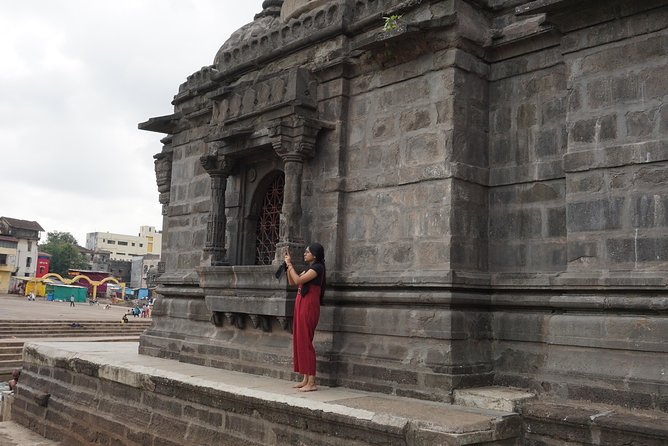
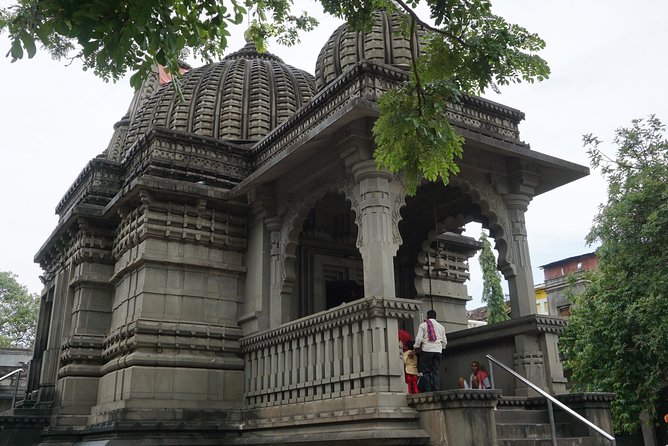
Your walk begins around Shree Kalaram Sansthan Mandir and the Kala Ram Temple landmark area. This is the kind of starting point that works well for visitors because it is recognizable even before you fully understand the neighborhood.
Expect more than a quick exterior look. The guide uses this first stop to get your bearings, then turns the conversation toward why this area matters in the old Nashik layout. You will be able to connect what you see later, especially when the route moves from the temple zone into smaller lanes where older houses and foot traffic take over.
One useful thing: because the tour starts at a major temple area, your local navigation is easier. If you do arrive by rickshaw, the driver can usually get you close to the right entrance. That reduces the chance of arriving late or confused.
After this, the walk shifts into the network of narrow lanes where the whole point becomes obvious. You are not just touring sites, you are learning how to read the neighborhood as a set of connected spaces.
Temples and wadas: what you see on the foot-only lanes
This is where the tour earns its value. You move through the older streets with a guide who grew up in the Panchavati area, so her explanations tend to sound like you are talking to someone who knows the neighborhood, not someone reciting slides.
In the course of the walk, you will visit or pass by multiple temple stops, including Goraram and Na Ro Shanker Shiva Temple. Each one helps you see how different religious spaces sit within the same neighborhood fabric.
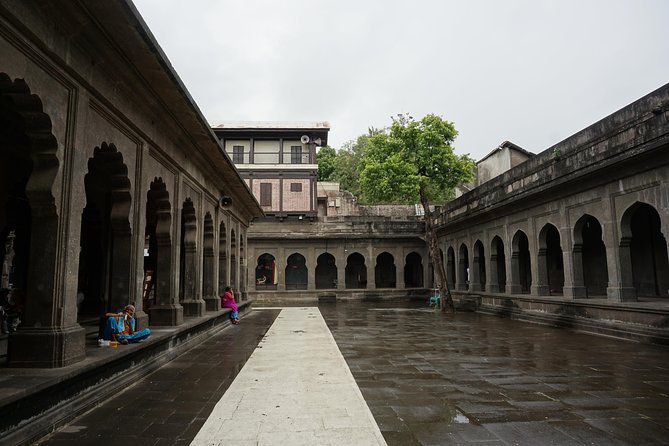
You will also notice old housing complexes called wadas. These are more than attractive architecture. The layout helps you understand how communities formed, how families grouped their living spaces, and why foot access mattered. In older areas like this, doors, alleys, and courtyards all shape daily movement.
If you like history, you will probably enjoy how the guide mixes facts with local folklore. People often assume temple stories are just decoration, but here they function like a map. They help you connect buildings, names, and practices across different spots.
Possible drawback: because the route favors older lanes and foot access, you should be ready for short stretches of slower walking. If you are expecting a quick, effortless stroll on wide sidewalks the whole time, this will feel more like a neighborhood walk than a park promenade.
The Godavari side stops and why the river matters here
A major highlight of this walk is time near the Godavari river bank and the Rama kund area. Even if you have seen riverside scenes before, the difference here is that you are seeing it as part of the town’s older everyday life, not as a separate sightseeing zone.
Rivers in religious cities are rarely just scenery. They connect rituals, daily routines, and local identity. During the tour, the guide’s framing helps you understand why a spot like Rama kund matters in the larger religious landscape of Nashik.
You will likely also see the idea of a riverside promenade through the way the route opens up after tighter lanes. That contrast is useful, it gives your legs a break while also changing what you notice. One moment you are reading old doorways and lanes, the next you are oriented toward water and the wider space around it.
If you are the type who likes photos, this section gives you better angles. If you are more into atmosphere than pictures, it also gives you that quiet, grounded feeling that makes a town feel real.
State Archaeology Museum: the indoor stop that adds context
The walk includes an entrance to the State Archaeology Museum, and that fee is part of what you pay. That is important value-wise because it means you are not buying a museum ticket separately later.
What the museum stop does for you is simple. Street tours can stay mostly at the surface level unless there is a context anchor, and a museum helps. It gives you a factual baseline that complements the stories you hear outside among temples and older streets.
Even without getting into specific galleries, you can treat this as your “reset” moment. You move from walking pace to indoor pace, you cool down if needed, and you return to the street stops with sharper context for what you see.
One practical plus: because the museum is included, you do not have to figure out opening times, ticket lines, or additional payments mid-trip. You just follow the guide’s timing.
Snacks and chai: the small inclusion that keeps the tour enjoyable
You will get snacks during the walk, including misal pav and a cup of steaming kadak chai, described as strong tea. This is one of those details that sounds minor until you are halfway through a walking route in the morning.
I like the combination. Misal pav is filling, and chai gives you a warm boost. It also makes a nice cultural moment because you are eating something local in the middle of exploring local spaces, rather than treating snacks as an afterthought.
Timing-wise, this kind of inclusion usually helps energy and mood. If you tend to get hangry, this is a smart setup.
Price and value: why $24 can work for your whole morning
At about $24 for a roughly 2.5-hour small-group walk with museum entrance included, this is priced like a real activity, not a budget shortcut. The value comes from the combination of things you would otherwise have to pay for or piece together yourself.
You are getting:
- a max group size of 10
- museum entrance fees included
- snacks included
- a route that prioritizes foot-only lanes and lesser-seen street paths, not just quick stops
If you would normally pay for a guide plus an entrance ticket, it often turns into a bigger total than you expect. This package keeps things simple. It also saves time, because the tour handles the flow of stops in a way that fits the neighborhood.
Where it may not be perfect: if you are already deeply confident navigating old Nashik on your own and you have a specific checklist of only a few sights, you might find the walk feels broader than your exact interest. But if you want a guided path that connects the dots, it is a strong bargain.
Who this walking tour suits best
This tour is a great match if you:
- like walking tours that focus on neighborhood layout, not just monuments
- want temple and local storytelling in the same morning
- enjoy small groups where the guide can answer questions
- want a short trip that still feels substantial
It may be less ideal if you:
- need mostly vehicle access due to physical limitations (the route has narrow lanes and uneven walking)
- prefer long museum time over street time, because the walk structure includes multiple outdoor stops plus an included museum visit
- want a full day plan with flexible stop durations, since this is designed to run in about 2.5 hours
Practical tips so you get the most out of your walk
I recommend you show up early enough to settle in before the start time. With the meeting point near the Kala Ram Temple East door area, it is easy to feel oriented once you arrive, but you still want a smooth transition into the group.
Wear comfortable shoes. This is the non-negotiable. Old lanes and foot paths are part of the experience, and good shoes let you focus on what the guide is showing rather than on your feet.
If you are tempted to bring a bag, keep it light. You are walking, moving between outdoor and indoor sections, and you do not want something bulky slowing you down.
Also, plan your morning around the tour. The included snack and museum entry already take care of the “activity” part, so you can then use the end point area near Saraf Bazar Road for shopping and strolling after.
Should you book this Old Nashik and Panchavati walking tour?
Yes, I think you should book it if you want Nashik in a way that feels grounded and local. The small group size, the included museum entrance, and the fact that the route is built around foot-only lanes make it more than a casual stroll. Add Amrita’s local perspective and the day becomes a guided walk through how the town actually connects temples, older homes, and the Godavari river area.
Skip it only if you want minimal walking, or if your plan is so tight that you cannot comfortably spend about 2.5 hours on narrow streets. If that sounds like you, consider a vehicle-based tour instead.
For most people doing Nashik for a few days and wanting one “this feels like the real place” morning, this is a solid choice at a fair price.
More Historical Tours in Nashik
- Old Goa Heritage Walk by Make It Happen
★ 5.0 · 797 reviews - Old Delhi Food, Heritage&Cultural Walk with Rickshaw ride to Masterji Kee Haveli
★ 5.0 · 742 reviews - Fontainhas Heritage Walk At Latin Quarters of Goa
★ 5.0 · 531 reviews - Blue City Heritage Private Walking Tour With Pickup and Drop-Off
★ 5.0 · 441 reviews
More Walking Tours in Nashik
- Fontainhas Heritage Walk by Make It Happen
★ 5.0 · 2,834 reviews - The Great Indian Food Tour: Old Delhi Food and Heritage Walk
★ 5.0 · 1,698 reviews - Group Guided Walking Tour in Fort and Colaba
★ 5.0 · 1,073 reviews - Spiritual City Walking Tour-THE Pushkar Route
★ 5.0 · 907 reviews
Historical Tours, compared.


The Great Indian Food Tour: Old Delhi Food and Heritage Walk
Read our review →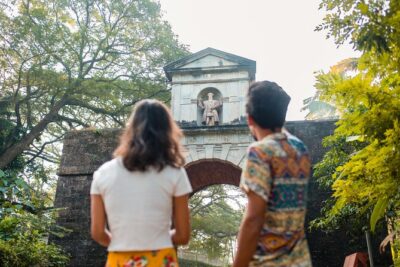
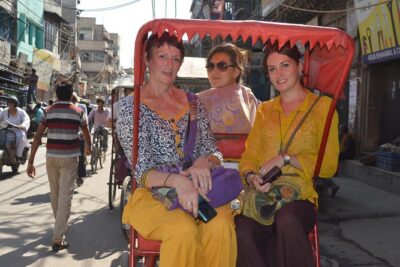
Old Delhi Food, Heritage&Cultural Walk with Rickshaw ride to Masterji Kee Haveli
Read our review →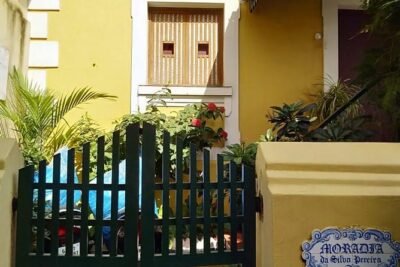
Fontainhas Heritage Walk At Latin Quarters of Goa
Read our review →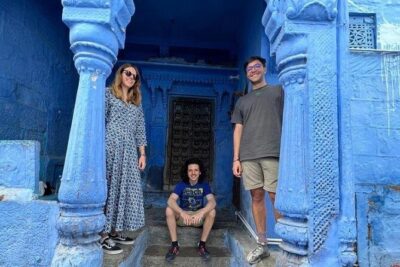
Blue City Heritage Private Walking Tour With Pickup and Drop-Off
Read our review →

Private Heritage Walking Tour in Jaisalmer Fort and Old Bazaar
Read our review →Browse the lists this tour appears in