
If you like real, everyday Mumbai, this Dharavi Slum & Dhobi Ghat walking tour hits hard in the best way. You get a close look at how people make a living in Dharavi’s workshops and how Dhobi Ghat keeps moving with hand-washed laundry day after day. I especially like the combo of small-scale industries in Dharavi plus the sheer practicality of Dhobi Ghat, where the work is visible and ongoing.
Two details I really appreciate: a local, English-speaking guide who can answer questions in plain terms, and the included 15-minute local train ride that adds motion to the story. One thing to consider is that the guide experience can vary by person, so if you strongly need clear English throughout, it is worth paying attention to guide notes and choosing your timing carefully.
Key Things You’ll Notice on This Mumbai Tour
- Dharavi’s working map, from residential lanes to production areas, so you see more than one slice of daily life
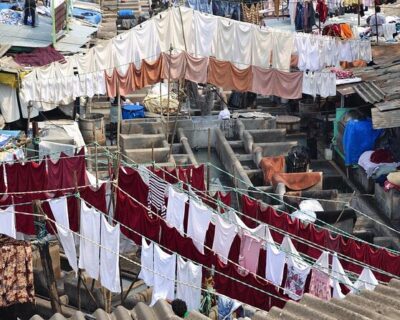
- Dhobi Ghat’s outdoor laundry process, with hand-washing techniques that still operate at scale
- A short local train ride, which helps you feel how Mumbai moves between neighborhoods
- Small group size (max 15), which keeps questions from piling up and fights the chaos
- Guide quality shows up repeatedly, with several guides praised by name (Priti, Ruba, Subhan, Ruqaiyya)
Entering Dharavi and Dhobi Ghat, One City, Two Realities
Mumbai has a talent for holding different worlds close together. This tour puts you in contact with two of them fast: Dharavi, a dense area where many small businesses operate, and Dhobi Ghat, the famous outdoor laundry where washing happens in open view.
The point is not to turn poverty into a museum exhibit. It is to understand how people adapt, organize work, and keep life going. That theme comes through in how guides lead the route, how the pace stays manageable, and how the tour frames industry as something people run every day, not something visitors rubber-stamp from a distance.
Other Dharavi walks:
- Dharavi slum tour in Mumbai by Female tour guides of the slum
★ 5.0 · 1,976 reviews - Mumbai: Dharavi Slum, DhobiGhat, and Dabbawallas Tour
★ 4.9 · 689 reviews - Dharavi Slum Tour
★ 5.0 · 625 reviews
Your 3-Hour Route From Mahim, With a Local Train Lift
The whole experience runs about 3 hours. You meet at Third Wave Coffee, Tip Road, Unit 58, Ground floor, Ram Mahal, Senapati Bapat Marg, Marinagar Colony, Station, Mahim, Mumbai. The tour ends back at the meeting point.
Logistics matter here because you are mixing walking with one short public transit segment. The good news: the meeting area is near public transportation, so you are not stuck hunting for a taxi that may or may not want to play along.
Also, there is a small group limit of 15. That is a big deal in a place like this, where tight lanes and active work areas need room to move without turning the group into a traffic jam. You will also get a mobile ticket, which makes entry smoother on the day.
Stop 1: Dharavi, Where Work Lives Inside the Neighborhood
Dharavi is often described in headlines, but on this tour you experience it as a working place. The stop lasts about 2 hours, and there’s no entry ticket listed for this part, so you are not waiting on fees or lines.
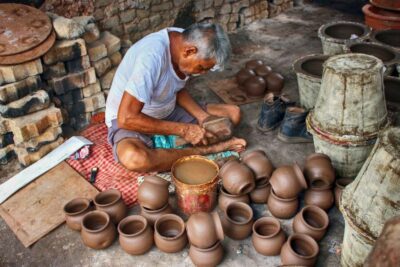
What you will likely notice in Dharavi is the way daily life and business overlap. You might see residential areas moving right into working spaces, and you get a sense of the entrepreneurial spirit that shapes the local economy. The tour description also points to specific industry examples you may encounter or hear about, including leather production, plastic recycling, and a community connected to pottery in Kumbhar Wada.
Here is what makes this stop valuable for you: Dharavi is not presented as a single story. It is shown as connected systems. One lane can feel like home, and a few turns later you are watching work that depends on skill, repetition, and constant demand. That contrast is exactly what helps people understand why Dharavi functions the way it does.
The Best Part of Dharavi: The Guides Who Set the Tone
The strongest praise in the feedback focuses on guides. Names that come up again and again include Priti, Ruba, Subhan, and Ruqaiyya.
- Priti is praised for very good English and for explaining life and businesses in a way that makes sense fast.
- Ruba is described as confident, with a route that takes you through both residential zones and working parts, which matters because it prevents the tour from becoming one-note.
- Subhan earns credit for being friendly, keeping a good group pace, and showing different working areas while maintaining a sense of safety and respect.
- Ruqaiyya is highlighted for being calm and patient, answering questions directly, and making the whole experience feel thoughtful rather than rushed.
If you care about tone, this is where you should pay attention. One person mentioned feeling a little awkward as a Westerner with a camera, and the guide helped frame what you are seeing so you do not turn the whole thing into a photo sprint. That is practical advice you can use on your end too.
More of Dhobi Ghat:
- Mumbai: Dhobi Ghat Laundry and Dharavi Slum Tour with Local
★ 5.0 · 469 reviews - Mumbai: Dharavi Slum and Dhobi Ghat Laundry Tour
★ 5.0 · 317 reviews - Private Combo Tours Sightseeing + Dharavi Slum + Dhobi Ghat & Dabbawalas
★ 5.0 · 245 reviews - Dabbawala, Dhobi Ghat & Dharavi slum Tour with Local Train Ride
★ 5.0 · 102 reviews
How to behave in Dharavi (so it stays respectful)
- Keep your camera use brief and intentional.
- Ask before taking close-up photos.
- Stick with your group. If you wander for a better shot, you create problems for both people and the guide’s flow.
Stop 2: Dhobi Ghat Outdoor Laundry, 100,000 Clothes Worth of Routine
After Dharavi, the tour shifts to Dhobi Ghat, the world-famous outdoor laundry. This stop is about 1 hour, and the admission ticket is included for this part.
The headline feature is scale and method. Dhobi Ghat is described as washing over 100,000 clothes daily using time-honored hand-washing methods. You are not just watching people work. You are watching a system that has a rhythm: sorting, soaking, scrubbing, rinsing, and moving laundry through a shared workspace.
For you, the value here is that Dhobi Ghat turns an abstract idea, laundry, into something you can actually understand. You see why the location became iconic, and you get a clearer sense of why the neighborhood around it grew the way it did. Dhobi Ghat also works well on people who are not into slum tourism for shock value. If you like everyday industry and human labor, this section can be deeply satisfying.
What it feels like on the ground
Dhobi Ghat is active. Expect visual intensity, lots of movement, and the hum of work happening in open air. If you prefer calm sightseeing, this might feel like a lot. If you like real life, it is part of the point.
The Included 15-Minute Local Train Ride, Fast Mumbai Between Stops
One of the smartest inclusions here is the 15-minute local train ride. It is short, so it does not dominate your schedule, but it adds something that a pure walking tour cannot: the feeling of Mumbai in transit.
The tour description frames it as a glimpse into the city’s fast-paced life, and you will likely notice how quickly neighborhoods shift when people move. One guide also gave practical train and platform advice, which is useful if you plan to keep traveling after the tour.
Why you should care about this segment: it helps you understand distance and time in Mumbai. Even when a place feels close on a map, the city’s real geography is experienced by movement, queues, and timing.
Price and Value: $9.29 for Dharavi Plus Dhobi Ghat
At $9.29 per person, this tour can feel almost too reasonable, especially because it includes both major experiences plus a short transit segment. You also get bottled water and a local English-speaking guide.
Here is where the value math gets interesting. You are paying for:
- a guided route through complex public space
- Dhobi Ghat admission included
- a local train ride included
- a small-group format (max 15), which tends to cost more than mega-bus tours
- practical context so you do not just look, you understand
The one cost-related catch is that private transportation is not included. That is not a flaw, it is just how this tour stays affordable. You are expected to use public transit and walk with the group.
If you are budgeting tightly, this is one of those options that gives a lot of meaning for the money. If you are the type who hates any crowding or likes fully private, car-based touring, then you may find the format less comfortable.
Safety, Comfort, and the Pace That Keeps It From Becoming Chaos
Safety is something people explicitly mention in the feedback. Multiple notes say the tour felt safe and well guided, and that the pace was appropriate for the group.
Comfort is also about how long you are moving. Three hours is manageable for many people, especially with a guide who keeps the group together. Still, Dharavi’s layout can involve uneven footing and tight lanes. Wear shoes you trust, not your best “city sandals.”
Also, think about patience. This tour is not staged like a show. If Dhobi Ghat is busy, you will wait sometimes. Your guide will help manage timing, but you should mentally allow for the reality of a working neighborhood.
Who This Tour Fits Best (And Who Might Want a Different Style)
This tour fits best if you:
- want a real-world look at how Mumbai works beyond the usual postcards
- like learning from local guides who can explain industries and daily routines
- enjoy public transit as part of the travel story
- care about respect and context, not just photos
It may be less satisfying if you:
- need very consistent, high-level English all the way through (one feedback item mentioned gaps and a more fact-list feel)
- expect a slower, calmer sightseeing vibe
- prefer guided experiences that do not involve active, crowded work spaces
If you are unsure, you can use this rule of thumb. If the idea of seeing Dhobi Ghat’s hand-washing process makes you curious, you will probably enjoy the tour. If that idea feels stressful, you might want a different Mumbai neighborhood with less constant work activity.
Tips to Make It Easier on Yourself
A few practical things will improve your day.
- Arrive early enough to find the meeting point calmly. One person had trouble locating the Third Wave Cafe right after landing. Give yourself a buffer so you start the tour unhurried.
- Bring water or plan to use what’s provided. Bottled water is included, but you may still want to pace yourself.
- Wear closed-toe shoes. You are walking in active areas.
- Keep your camera mindset flexible. Ask, be respectful, and don’t block work for long.
These small choices help you focus on what matters, the human work and the city logic behind it.
Should You Book the Dharavi Slum & Dhobi Ghat Laundry Tour?
Yes, I think you should book this tour if you want a meaningful, well-structured introduction to two sides of Mumbai that most visitors only hear about. The guide quality is consistently praised by name, the included train ride adds momentum, and the price is hard to beat for what you get.
I would book with a small note of caution if you are extremely language-sensitive or want a perfectly scripted experience. As with any guided tour, guide differences can affect how smooth the storytelling feels.
If you want a Mumbai tour that trades fluff for everyday reality, this one is worth your time.
FAQ
How long is the Dharavi Slum & Dhobi Ghat Laundry Tour?
It runs for about 3 hours (approx.).
What does the tour cost?
The price is $9.29 per person.
What is included in the tour?
The tour includes bottled water, a local English-speaking guide, and the Dhobi Ghat admission ticket. It also includes a 15-minute ride on Mumbai’s local train.
Is private transportation included?
No, private transportation is not included.
Where do I meet for the tour?
The meeting point is Third Wave Coffee, Tip Road, Unit no. 58, Ground, Ram Mahal, Senapati Bapat Marg, Marinagar Colony, Station, Mahim, Mumbai, Maharashtra 400016, India.
What is the end point of the tour?
The tour ends back at the meeting point.
Is the tour near public transportation?
Yes, it is near public transportation.
How many people are in the group?
The tour has a maximum group size of 15.
Do I need to pay admission for Dharavi or Dhobi Ghat?
Dharavi is listed as free (admission ticket free). Dhobi Ghat’s admission ticket is included.
What is the cancellation policy?
You can cancel for a full refund up to 24 hours in advance of the experience start time. After that, the amount paid is not refundable.
Latest reviews in from Mumbai
- Mumbai Spice Markets and Bazaars Tour with Guide and Transport★ 5.0 · 42 reviews
- Mumbai Dharavi Slum, Dhobi Ghat & Dabbawala Lunchbox Tour★ 5.0 · 43 reviews
- Private Dharavi Slum Tour with Mumbai Sightseeing★ 5.0 · 43 reviews
- Private Guided Tour in Kanheri Cave with Transfers★ 5.0 · 44 reviews
- Private Guided Walking Tour in Dharavi Slums★ 5.0 · 44 reviews
- Mumbai Private Cultural Tour with Lunch and Transport★ 5.0 · 44 reviews
- Unveiling Bollywood: Grand Tour of Iconic Real Sets & Their Story★ 4.5 · 44 reviews
- Bollywood Tour with Original founder★ 4.5 · 44 reviews
Dharavi Tours, compared.
Dharavi slum tour in Mumbai by Female tour guides of the slum
Read our review →

Dharavi Slum Slumdog Millionaire Tour with a Local
Read our review →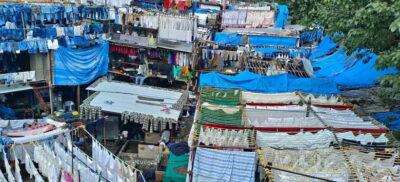
Dhobi Ghat Laundry and Dharavi Slum Tour with Local
Read our review →

Private Full-Day Mumbai Sightseeing Tour with Dharavi Slums
Read our review →Browse the lists this tour appears in