
Reviewed · DHARAVI TOURS
Small Group Tour of Dharavi Slum
This small-group tour of Dharavi gets you into the real rhythm of Mumbai life, not just a quick look from the edge. You walk through neighborhoods and working areas where local people make things, study, and raise families in the same tight space.
I especially love that you go with local guides who can explain daily life in plain terms. I also like the practical touch of mineral water provided, plus seeing work areas tied to industries you will recognize from Mumbai’s global supply chains. A possible drawback: the tour involves moving around the area, and the operator notes that the start and final points can be far, so you may want to plan a taxi for your next stop.
Key highlights at a glance
- Local guide experience with English plus regional language help, and examples from guides like Sneha, Divya, Rahul, and Pooja
- Mineral water bottles included so you can focus on the walk and the stories
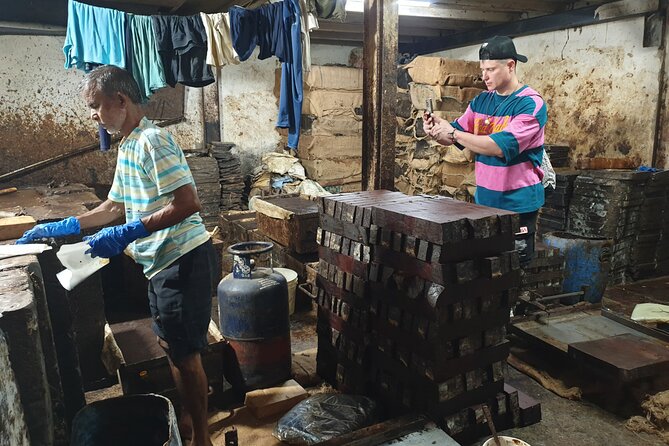
- Factories and workshops you can actually see, including work linked to suitcases and Hindu shrines
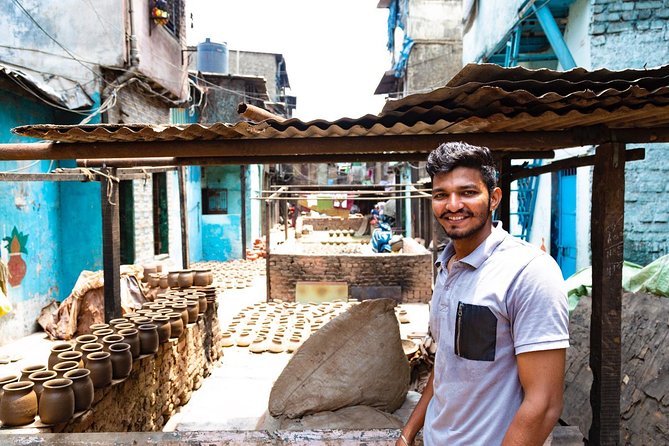
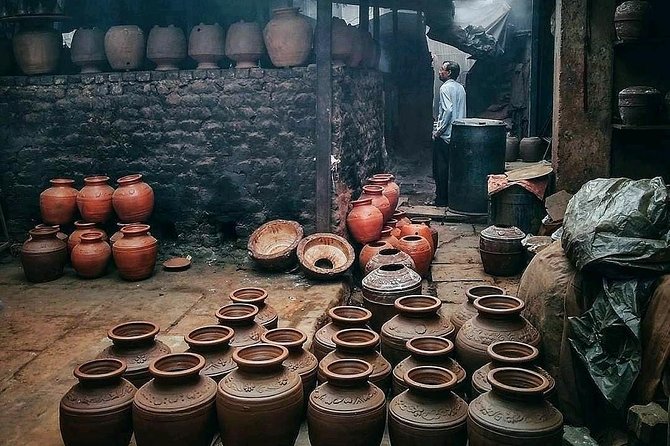
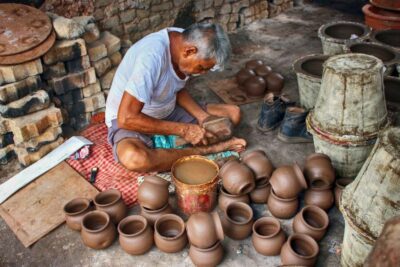
- Kumbharwada pottery area stop (about 15 minutes) for a different kind of local production
- Transport from Churchgate included via train transportation when you start from Churchgate
What This Dharavi Slum Tour Really Shows You
Dharavi in Mumbai has a reputation that tends to get flattened into stereotypes. This tour is built to push back against that shortcut by focusing on day-to-day life, work, and community spaces you can understand with your own eyes.
The day is timed at about 2 hours 15 minutes, and it is not rushed through a single viewpoint. Instead, you get a sense of how life and work overlap in one compact area. Dharavi is described as one of the world’s largest slum localities, with an area just over 2.1 square kilometres, around 700,000 people, and extremely high density. That context matters because it explains why the neighborhoods feel close, and why you see so many trades happening side by side.
What I like about the approach is that you are not only there for scenes. You are also there for explanations. You visit working spaces tied to production, including factories making items such as suitcases, plus places connected to Hindu shrines. Then you shift to more residential life and even a school. That mix is the whole point. It helps you understand Dharavi as a functioning community, not just a dramatic postcard.
Other Dharavi walks:
- Dharavi slum tour in Mumbai by Female tour guides of the slum
★ 5.0 · 1,976 reviews - Mumbai: Dharavi Slum, DhobiGhat, and Dabbawallas Tour
★ 4.9 · 689 reviews - Dharavi Slum Tour
★ 5.0 · 625 reviews
Local Guides Matter, and You Get One Who Lives There
The guide is the difference between a tour you remember and a tour you actually understand. This experience relies on a local guide who can translate what you are seeing into everyday reality.
The review record makes it pretty clear that the guides are not just hired narrators. Names like Sneha, Rahul, Divya, and Pooja show up repeatedly, and the common thread is firsthand perspective from people who live in Dharavi. You can also expect them to answer questions in more than one style of English, including regional languages. That matters because Dharavi is not simple to summarize in a few sentences.
Here’s what you should look for when you meet your guide: a calm, matter-of-fact explanation of how daily schedules work, how people fit work and family life into the same lanes, and how the local economy is structured. The better guides also help you ask the right questions, because your first instinct might be to ask only the most shocking things. A good local guide tends to steer that curiosity toward how the system actually runs.
If you want a tour that feels personal, this one also has a built-in advantage: it is set up for very small groups. The listing info says the maximum is 1 traveler, so you should expect a pace that does not revolve around herding a large crowd.
Two Stops That Change the Way You See Dharavi
This tour is built around two main stops. Together, they cover both the broad idea of Dharavi and one concrete production area you can picture even after you leave.
Stop 1: Dharavi, where daily life and production overlap
You start in Dharavi itself. The focus here is the day-to-day, not a single monument. You will see a mix of residential areas, working spaces, and community institutions like a school. The guided portion also includes visits to factories and workshops linked to production such as suitcase making and areas connected to Hindu shrines.
Why that matters: Dharavi is often discussed in terms of poverty. This tour shifts the conversation to work, skills, and local enterprise. When you can see how items are made and how people organize their routines around small spaces, you get a more accurate picture of why the neighborhood keeps functioning.
Also, this stop is where you are most likely to feel the reality of scale and density. Dharavi’s population and compact area are not trivia. They explain why lanes are tight, why buildings feel close, and why the neighborhood carries multiple roles at once.
A practical note: wear comfortable shoes. You are walking through areas where smooth, wide sidewalks are not the norm. If you have knee issues or expect “easy strolling,” this is the part to think about.
Line these Mumbai options up side by side
- Mumbai: Full-Day Sightseeing Tour of Mumbai
★ 4.9 · 1,822 reviews - Private Mumbai Sightseeing Tour (Traveller’s Choice Award Winner)
★ 5.0 · 1,565 reviews - Elephanta Caves & Island Guided Private Tour
★ 5.0 · 1,327 reviews - Group Guided Walking Tour in Fort and Colaba
★ 5.0 · 1,073 reviews
Stop 2: Kumbharwada pottery area, about 15 minutes
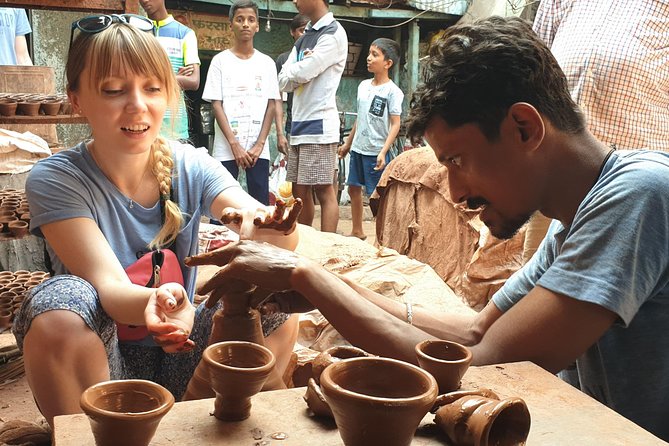
Kumbharwada is the shorter second stop, timed at roughly 15 minutes. It is specifically described as the pottery area, which gives you a useful contrast to the broader industry you see in Dharavi.
This pottery stop is valuable because it grounds the economy in something tangible and familiar. Pottery is slower-moving in your brain than factory production, so you may notice details more: how materials are handled, how work spaces are arranged, and how craft fits into the neighborhood rhythm.
The time is short, so treat it like a taste, not a full workshop visit. You will get enough to recognize the craft connection, but you should not expect a long demonstration unless your guide sets it up during your walking time.
Price and Value for a $15 Mumbai Neighborhood Walk
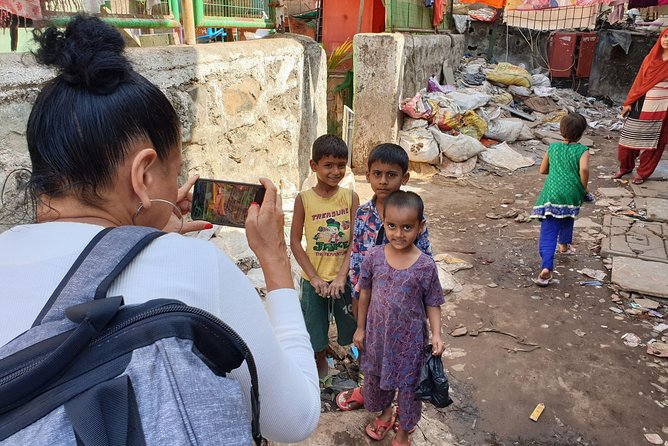
At $15 per person, the price is low enough that you should think of this as a value-for-time experience rather than a “buffet of attractions.” You are paying for three main things:
- A local guide who can explain what you are seeing and answer questions
- Access into working and residential areas that you likely would not find on your own safely or respectfully
- Included basics like mineral water bottles and transportation support depending on where you start
The transport detail matters. If you are picked up from Churchgate, the info says train transportation is included. For many visitors, Churchgate is a common rail hub in Mumbai, so that can cut down the cost and stress of getting positioned for the tour.
Two things are not included: food/cold drinks and any taxi or Uber charges. That is normal for a neighborhood tour, but it affects how you plan your day. If you are going hungry, you will need to eat before you start. If you come in expecting a snack along the way, you might be disappointed.
The big value point is that the tour combines explanation with real-world sights in a short window. If you only have a day to make sense of the city beyond beaches and monuments, this is a smart use of time.
Getting There from Churchgate and Handling the Finish Point
Logistics in Mumbai can make or break your day, so I like that this tour directly addresses transport.
If you start from Churchgate, train transportation is included. That helps you avoid one of the most annoying parts of city touring, the back-and-forth of figuring out how to get to the exact neighborhood on time.
Your meeting point is listed at:
Young Tours & Travel, 90 Feet Rd, Muslim Nagar, Kumbhar Wada, Dharavi, Mumbai, Maharashtra 400017, India
The tour finish is also described as at the guide’s office, the same address. Still, there is an important planning note: the operator says the starting point and the final point are quite far from each other, and recommends taking a cab to your next destination. That is a key heads-up. Even if the office address is the official end, your practical route out of the area may involve transit.
If you need to reach the nearest railway station, the guide will accompany you back to the station. That is a comfort feature worth using, especially if you do not want to navigate dense lanes right after the tour.
My practical advice: plan your next appointment as something flexible. Give yourself breathing room, and do not schedule a tight transfer right at the finish time.
What to Expect Walking Through Lanes, Workshops, and School Areas
This is not a museum. You are moving through everyday space where people live, work, and learn. That means your pace, your questions, and your attention matter more than ticking boxes.
The itinerary content you should expect includes:
- Visits to factories producing items like suitcases
- Visits connected to Hindu shrines
- A look at a residential area
- A visit to a school
- A stop at the Kumbharwada pottery area
The best tours tend to include time for questions, because Dharavi is too complex to understand instantly. The guide component is what makes that possible. Reviews highlight that guides like Sneha, Rahul, Divya, and Pooja were strong at explaining how the area works and taking questions in a way that feels grounded.
If you are the type who likes clear, direct explanations, this format fits. If you prefer a more passive sightseeing approach, you might need to adjust your expectations. The tour is designed for understanding, not for “stand and look.”
One more practical point: mineral water is provided. That helps, because you do not have to carry water for the full 2 hours 15 minutes. You still may want to bring small cash or a card for later meals, since food is not included.
Small Group Size, Mobile Ticket, and Other Details That Affect Your Day
A few small details help you plan:
- Mobile ticket: you can keep things simple on your phone.
- Max of 1 traveler: your time with the guide is more flexible, and you are less likely to feel rushed by a large group.
- Admission ticket free for the listed stops: that reduces surprise costs.
- Most travelers can participate: it is not framed as an extreme sports activity, but you should still consider walking through tight neighborhood lanes.
If you are coming from far outside Mumbai, this tour can be a good first taste of the city’s everyday texture. If you already know Mumbai’s major sights, this is a different angle that helps you balance out the day.
Who This Tour Suits Best
This tour is a good fit if you want:
- A budget-friendly guided experience with a clear focus
- A local perspective from guides who live in Dharavi
- A chance to see both work areas and community spaces like a school
- A short, efficient use of time, at about 2 hours 15 minutes
It is also a good fit if you appreciate people who answer questions directly. The guide culture here seems to be built around explanation and conversation, not scripted monologues.
Who might want a different style: if you want a tour that feels like a polished sightseeing circuit, or you do not enjoy dense urban neighborhoods, you may find the experience challenging. You can still go, but keep your expectations grounded.
Should You Book This Dharavi Slum Tour?
I think you should book this tour if you want a real-world Mumbai experience that is guided by someone who knows the place from inside. For $15, the combination of local guide time, mineral water, and transport support from Churchgate, plus meaningful stops in Dharavi and Kumbharwada, is strong value.
Book it if you are curious and willing to ask questions. The whole design is about understanding how life and work overlap in one of Mumbai’s most densely populated areas.
Skip it, or at least adjust expectations, if you want a low-walking, low-thinking “sights only” outing. This is more of a guided learning walk than a classic attraction circuit.
If you are planning your day in Mumbai, pick a time when you are not rushing to catch the next connection. Then go in with a respectful mindset, and you will likely get far more than just a glimpse.
FAQ
How long is the Small Group Tour of Dharavi Slum?
It runs for about 2 hours 15 minutes.
Is mineral water included?
Yes. Mineral water bottles are included.
Do you include transportation from Churchgate?
Yes. If you are picked up from Churchgate, train transportation is included.
Where does the tour start and end?
The meeting point and the end point are listed as Young Tours & Travel, 90 Feet Rd, Muslim Nagar, Kumbhar Wada, Dharavi, Mumbai, Maharashtra 400017, India. The guide also helps you get back to your location by taxi, bus, train, and walk.
Is food included?
No. Food and cold drinks are not included.
Can I cancel and get a full refund?
Yes. Free cancellation is allowed up to 24 hours in advance for a full refund. If you cancel within 24 hours of the experience start time, the amount paid will not be refunded.
Latest reviews in from Mumbai
- Mumbai Spice Markets and Bazaars Tour with Guide and Transport★ 5.0 · 42 reviews
- Mumbai Dharavi Slum, Dhobi Ghat & Dabbawala Lunchbox Tour★ 5.0 · 43 reviews
- Private Dharavi Slum Tour with Mumbai Sightseeing★ 5.0 · 43 reviews
- Private Guided Tour in Kanheri Cave with Transfers★ 5.0 · 44 reviews
- Private Guided Walking Tour in Dharavi Slums★ 5.0 · 44 reviews
- Mumbai Private Cultural Tour with Lunch and Transport★ 5.0 · 44 reviews
- Unveiling Bollywood: Grand Tour of Iconic Real Sets & Their Story★ 4.5 · 44 reviews
- Bollywood Tour with Original founder★ 4.5 · 44 reviews
Dharavi Tours, compared.
Dharavi slum tour in Mumbai by Female tour guides of the slum
Read our review →
Dharavi Slum Slumdog Millionaire Tour with a Local
Read our review →
Dhobi Ghat Laundry and Dharavi Slum Tour with Local
Read our review →
Browse the lists this tour appears in