
Reviewed · DHARAVI TOURS
Private Guided Walking Tour in Dharavi Slums
Few Mumbai experiences challenge stereotypes like a Dharavi walking tour that links work, homes, and small industries in one short loop. I like the local-host perspective that makes the story feel grounded, not like a show, and I like that you see how waste turns into usable materials. The main drawback is emotional, not practical, since this area includes poverty you cannot ignore, so go with respect and a steady mindset.
The walk runs about 2 hours and is private, meaning it stays focused on your group instead of feeling like a rushed crowd scene. It can also be a great family option, including kids, as long as you expect questions, real conversation, and no sugarcoating.
At $44.75 per person, it is not the cheapest thing you can do in Mumbai, but the value comes from intimate access to places most visitors would never find on their own, plus free admission at the stops. If you need bottled water and snacks, plan ahead because they are not included.
Key highlights you should actually care about
- Start at Mahim, on the city edge where Dharavi began developing
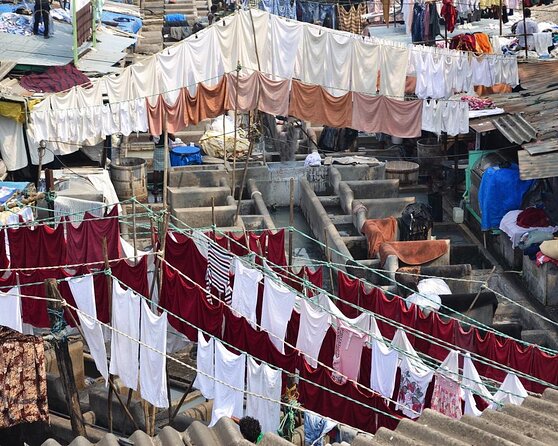
- See waste recycled inside an informal industrial setup
- Walk bylanes and viewpoints into daily life, then reach the tannery work tied to Dharavi leather
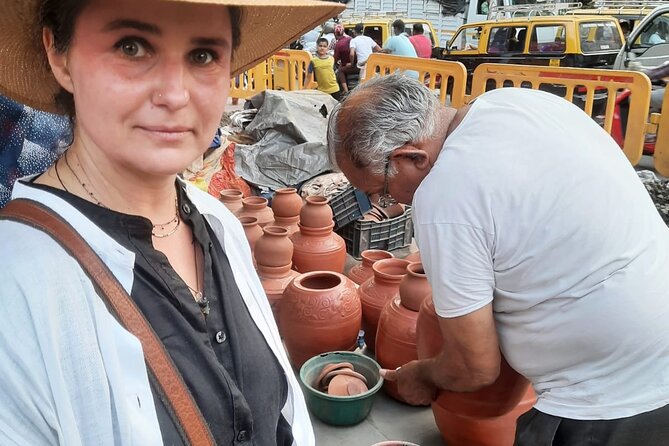
- Visit Kumbharwada, a potters settlement where craft is part of everyday living
- Private pacing for your group, with local context woven into each segment
- Small extras add up, like group discounts and a mobile ticket
Why this Dharavi walk feels different from a typical city tour
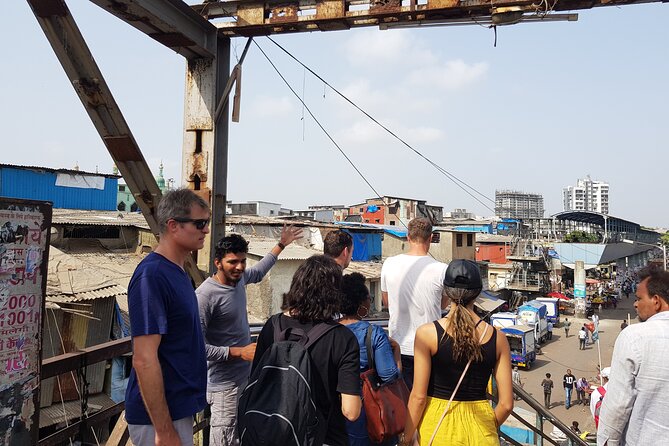
A lot of tours sell a big emotion and a quick photo. This one works differently. You’re walking through a real working place where production, recycling, and neighborhood life share the same streets, so your brain has to shift from scenery to systems.
I like that the focus stays on how people live and work, not just what looks striking from the outside. You also get a mix of background and present-day reality, so the day doesn’t stop at impressions. When you have a guide like Jimmy or Kamlesh, the flow tends to connect Mumbai history with what’s happening now, which helps the whole place make more sense.
There is one consideration you should take seriously: some people find this kind of tour uncomfortable because they fear it could be exploitative. The best way to keep it respectful is simple. Treat it like meeting neighbors, not sightseeing. Ask before photographing. Don’t demand access. And remember you’re there to learn, not to collect a shock.
More Walking Tours in Mumbai
- Group Guided Walking Tour in Fort and Colaba
★ 5.0 · 1,073 reviews - Private Guided Walking Tour in Fort & Colaba
★ 5.0 · 895 reviews - Private Guided Walking Tour in Bandra Queen of Suburbs
★ 5.0 · 383 reviews
Price and logistics, and what $44.75 really buys you
You pay $44.75 per person for a private guided walking tour that takes about 2 hours. That sounds short, but the value is in how much is packed into a focused, guided route: recycling work, bylanes with everyday life, tannery production, and potters’ living craft in Kumbharwada.
Two small details matter for practical travelers. First, admission is free for the stops listed, so you are not hit with ticket costs at each location. Second, you get a mobile ticket, which makes it easier to show up without hunting for paper.
What is included is also clear. The price covers hosting charges, but it does not include bottled water or snacks. If you’ll be out in Mumbai heat or want a buffer for kids or anyone sensitive to long walks, bring your own water. The tour also requires good weather, so if conditions are bad, you may be offered a different date or a full refund.
Finally, the tour is near public transportation, which helps if you want to tack this onto a longer day in Mumbai.
How the tour flows: Mahim to Dharavi to Kumbharwada
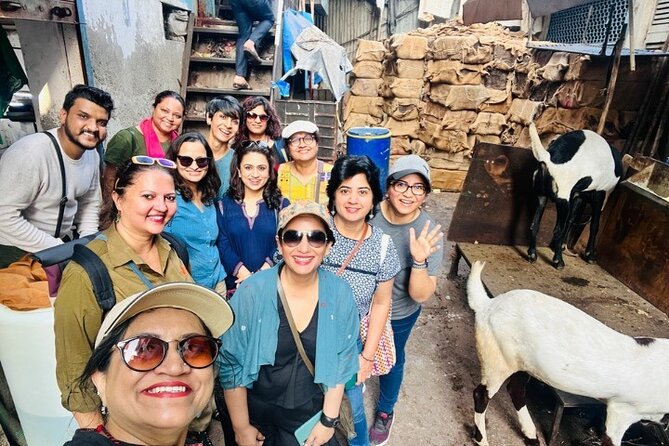
This tour is structured as a short arc across neighborhoods and work zones. It starts in Mahim, moves into Dharavi for both industrial recycling and neighborhood bylanes, then ends in Kumbharwada for the potters’ settlement.
That flow matters because it teaches you the area as a system. Mahim frames where Dharavi’s development began. Dharavi then shows the informal industrial engine that connects raw materials to consumer products. Kumbharwada adds a second lens, craft production, where skill and home life overlap.
It is also worth noting that the day is described as covering more than work alone. Expect stops that touch on community spaces like temples and schools, plus market areas and alleys. That’s the point. You’re not just hunting for an industry. You’re seeing how neighborhood life runs alongside it.
Stop 1 in Mahim: where Dharavi’s story starts
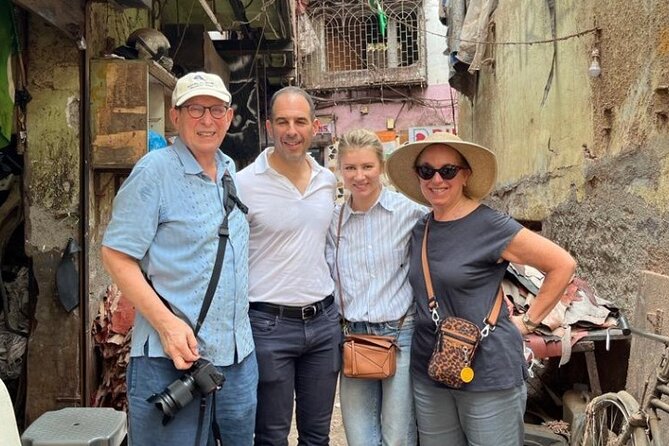
You begin in Mahim, described as the edge of the city where Dharavi’s development began. This opening stop is brief, around 10 minutes, but it does a lot of work for your understanding.
Why it helps: without some context, Dharavi can feel like it appeared out of nowhere. Mahim gives you a starting point so what you see later feels connected to Mumbai’s growth patterns, not random geography.
This stop also functions as a mental warm-up. You get oriented before walking into tighter bylanes and active workplaces. If you’re bringing kids, this early framing can reduce the shock factor because you’re giving them a “why” before the “wow.”
Other Dharavi walks:
- Dharavi slum tour in Mumbai by Female tour guides of the slum
★ 5.0 · 1,976 reviews - Mumbai: Dharavi Slum, DhobiGhat, and Dabbawallas Tour
★ 4.9 · 689 reviews - Dharavi Slum Tour
★ 5.0 · 625 reviews - Dharavi Slum tour in Mumbai by local resident
★ 5.0 · 572 reviews
Stop 2 in Dharavi: the recycling industries that turn waste into inputs
Next you spend about 30 minutes in Dharavi focused on how Mumbai’s waste gets recycled in an informal industrial complex. This is one of the most practical parts of the day because it turns a huge city problem into a human-scale process.
What you’re learning, in plain terms, is that recycling here is not abstract. It’s organized work, done by people with roles, tools, and routines. Watching this side of Dharavi can also change how you think about “waste” back home. In this ecosystem, materials don’t end their journey. They get sorted, processed, and sent back into production loops.
A good guide keeps the explanations concrete. You might hear about how materials move through different stages, how businesses survive in a tight space, and why informal industry matters to the city’s larger supply chain. If your host is the kind of guide who mixes history with contemporary info, this stop tends to be where it clicks.
Drawback to plan for: this section is about work and industry, so keep expectations realistic. This is not a showroom. It can feel busy and intense because it is. Dress for walking and bring extra patience.
Stop 3 in Dharavi bylanes: daily life plus tannery work and leather production
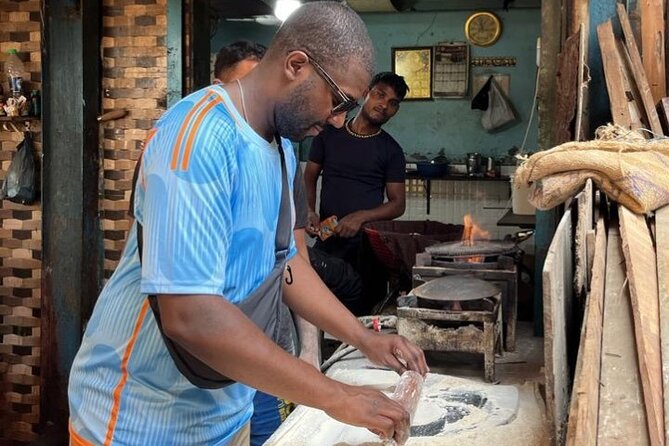
Stop 3 is another 30 minutes, and it’s the emotional core for many people. You walk through bilanes to see the conditions where residents live, then you reach the area where Dharavi’s well-known leather products are manufactured, linked to tanneries.
This is where your perspective shift becomes real. Dharavi is not just an industrial zone and it’s not just housing either. It’s a close overlap where daily routines, neighborhood spaces, and business operations share the same geography.
The tannery angle is also important because it explains why products leave Dharavi. You’re not just seeing small-scale craftsmanship. You’re seeing industrial processes tied to a famous export category for the area. The tour’s balance matters here, too. You should come away understanding work and daily life together, rather than treating production as the only story.
From a personal comfort standpoint, this is the part where your respect and boundaries matter most. If you’re thinking about photos, decide your approach before you arrive. Ask first. Avoid blocking footpaths. And do not treat people like props.
If you’re lucky enough to get a guide like Bharti, or another local host with deep community ties, you may notice a careful tone that centers residents’ explanations instead of outsiders’ reactions.
Stop 4 in Kumbharwada: potters’ settlement and how craft lives next door
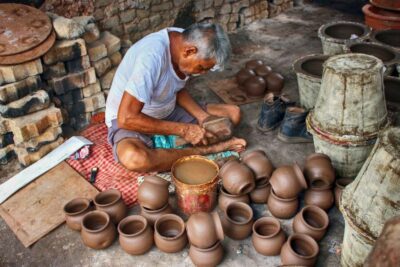
The final stop takes you to Kumbharwada, a potters’ settlement. You spend about 30 minutes here, focused on how potters work and live.
This section changes the day’s rhythm. After industrial recycling and tannery production, pottery brings you back to craft and physical skill. It also helps you understand that Dharavi is more than one industry. It’s a cluster of work types that coexist with family life.
Kumbharwada is often the easiest stop to talk about afterward because it’s easy to connect craft to tangible outcomes. You can ask questions about materials, workflow, and what daily production looks like in a settlement where work and living spaces overlap.
Potential drawback: if you’re expecting a hands-on workshop experience, the provided info does not promise that. What you should expect is walking, observation, and explanation focused on living and working. So set your expectations to learning mode, not classroom mode.
What to bring, how to stay comfortable, and how to be respectful
This tour is about being present. It’s also about staying comfortable enough to pay attention.
Bring comfortable walking shoes and plan for a full 2 hours of movement. Since bottled water and snacks are not included, I recommend carrying water and something small, especially if you’re traveling with kids or anyone who gets tired easily.
Because the tour requires good weather, check conditions before you go out. If weather turns, don’t assume you can reschedule instantly, just plan for the possibility of a date change.
Respect is the real “gear.” This is a place where people live and work. A respectful approach looks like this:
- Keep your pace with the group and don’t wander off during explanations
- Ask before taking close photos, especially near homes or active work
- Treat questions as conversation, not interrogation
- Follow your guide’s lead on what is appropriate to see and discuss
One more practical tip: choose the right mental framing. You’re not collecting misery points. You’re learning how an entire local economy runs, and how dignity shows up through daily work.
Which guides can you meet, and what their style adds
The tour is hosted by M/s Khaki Tours, and the guides can vary by day and availability. Still, the names that show up in local hosting often share one theme: they explain both the past and the present in a way that feels personal.
You might meet hosts like Jimmy and Kamlesh, where one guide tends to add history and context and the other brings local, on-the-ground understanding. You could also get a local host such as Bharti, described as a fourth-generation resident, which can make the neighborhood feel less like a subject and more like a community with continuity. Other names you may see include Siddhesh and Bharti, Sonniya and Maiyur, Mickey and Sonya, Sultan, and Palak with Bharathi.
Because this is a private tour, guide differences matter. If your guide is good at storytelling, the same streets will feel more understandable, and you’ll ask smarter questions. If your guide keeps it practical, you’ll leave with a clearer picture of how the economy functions.
Who should book this private Dharavi walking tour
This experience is a strong fit if you want more than a “quick look.” It works best for people who like guided context and who don’t mind walking through neighborhoods where life includes both work and hardship.
You’ll probably enjoy it if:
- You want to understand recycling industries, tannery work, and craft production in one short walk
- You value local perspective over tourist scripts
- You’re traveling with family and can handle a serious, human conversation for about 2 hours
It might be less ideal if:
- You want a relaxed, comfort-first sightseeing day with minimal emotional weight
- You’re hoping for an attraction-style experience with fixed viewpoints and minimal interaction
The good news is the private format helps. Your group can set the pace, and your guide can steer attention toward what you are ready to process.
Should you book this private Dharavi walking tour?
If you’re open-minded, respectful, and ready for real context, I think this is a smart booking. The route covers major themes in a tight 2-hour loop: Mahim context, Dharavi recycling, bylanes and tannery production, and Kumbharwada potters. Because admission at the stops is free and you don’t need to do the navigation alone, the day is efficient.
One final decision point: check your own comfort level with poverty-adjacent settings. If you can show up with empathy and treat the experience like learning from people, not consuming a spectacle, this tour offers real value for the money and a perspective you won’t get from Mumbai’s standard postcard route.
FAQ
How long is the Private Guided Walking Tour in Dharavi Slums?
It lasts about 2 hours.
What is the price per person, and is it a private tour?
The price is $44.75 per person, and it is private, meaning only your group participates.
Where do we meet and where does the tour end?
You start at Third Wave Coffee, Tip Road, Unit no.58, Ground, Ram Mahal, Senapati Bapat Marg, Marinagar Colony, Station, Mahim, Mumbai. It ends at Kumbhar Wada, Dharavi, Mumbai.
What stops are included on the walk?
The walk includes Mahim (about 10 minutes), Dharavi for recycling industries (about 30 minutes), Dharavi for bylanes plus tannaries and leather manufacturing (about 30 minutes), and Kumbharwada for the potters’ settlement (about 30 minutes). Admission tickets for the listed stops are free.
What is included in the tour price, and do I need to bring anything?
The tour includes hosting charges. Bottled water and snacks are not included, so you may want to bring them.
Do I get a mobile ticket?
Yes, the tour includes a mobile ticket.
When will I receive confirmation after booking?
Confirmation is received within 48 hours of booking, subject to availability.
Is cancellation free, and what happens if weather is bad?
Cancellation is free, with a full refund if you cancel up to 24 hours before the experience starts. If it’s canceled due to poor weather, you’ll be offered a different date or a full refund.
Latest reviews in from Mumbai
- Mumbai Spice Markets and Bazaars Tour with Guide and Transport★ 5.0 · 42 reviews
- Mumbai Dharavi Slum, Dhobi Ghat & Dabbawala Lunchbox Tour★ 5.0 · 43 reviews
- Private Dharavi Slum Tour with Mumbai Sightseeing★ 5.0 · 43 reviews
- Private Guided Tour in Kanheri Cave with Transfers★ 5.0 · 44 reviews
- Bollywood Tour with Original founder★ 4.5 · 44 reviews
- Mumbai Private Cultural Tour with Lunch and Transport★ 5.0 · 44 reviews
- Unveiling Bollywood: Grand Tour of Iconic Real Sets & Their Story★ 4.5 · 44 reviews
- lively Markets of Mumbai (2 Hours Guided Walking Tour)★ 4.4 · 44 reviews
Dharavi Tours, compared.
Dharavi slum tour in Mumbai by Female tour guides of the slum
Read our review →
Dharavi Slum Slumdog Millionaire Tour with a Local
Read our review →
Dhobi Ghat Laundry and Dharavi Slum Tour with Local
Read our review →
Browse the lists this tour appears in