
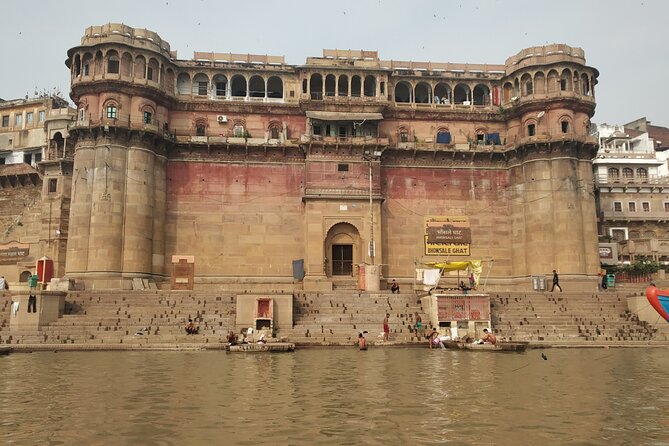
Reviewed · WALKING TOURS
Private Cultural Walking Tour of Varanasi with Guide
Varanasi is the kind of place where daily life and sacred ritual sit side by side, sometimes in the same few steps. This private cultural walking tour takes you through the old city lanes and down to the ghats so you understand what people mean when they talk about Varanasi in plain, practical terms.
I especially like two things. First, the guide, often listed as Ashok (Ashok Kumar), is described as calm, patient, and gentle, which matters when you are walking through intense sights. Second, you get real structure for a short visit, with a focused route and included bottled water, so you spend your time looking, not figuring.
One consideration: the ghats include public cremation areas, so if you are sensitive to sights and smells, this tour might be harder to take in.
Key things that make this tour worth your time
- Old Town orientation fast, so you can understand how people live generation to generation in the same place
- Ashok’s calm approach, helpful when navigation gets tricky in narrow lanes
- Kathwala (Nepali) Temple stop, including a wooden Shiva temple and its erotic sculpture details
- Manikarnika Ghat and Harishchandra Ghat, where you see the Hindu way of cremation in public
- Dashashwamegh Ghat in the evening rhythm, with pilgrim bathing, prayer, candles, and ancestor rituals
- Small-lane market time, for local color beyond the main waterfront steps
Why Varanasi makes more sense on a short walking route
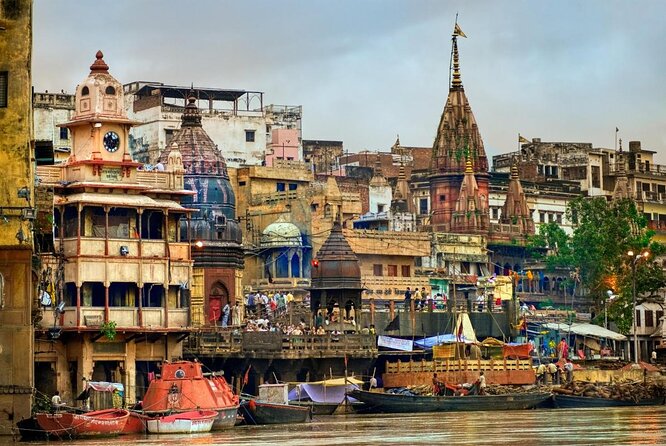
Varanasi can overwhelm you fast, mostly because the city is layered. You’re moving through tight lanes, meeting places, and ritual zones all in one walk. This is why I like the idea of doing this on foot for a couple of hours. You do not just see famous spots, you also pick up the flow of how people move and why the ghats matter.
This tour is built for “more in less time.” In practice, that means you are not wandering around hoping to stumble upon the right streets or the most relevant viewpoint on the river. Instead, you follow a guided path that connects daily life, religion, and the public nature of cremation.
Also, because it is private, you can set the pace. If you want to slow down for photographs, ask questions, or take a breath before stepping into a busier area, you can. You are not stuck with a group that keeps walking no matter how you feel.
More Walking Tours in Varanasi
- Private Heritage and Spiritual Walk Tour – Varanasi Kashi
★ 5.0 · 172 reviews - 3 Hour Walking Tour of Buddhism in Sarnath
★ 5.0 · 160 reviews - Cultural & Spiritual Trails of Old Town Varanasi Guided Walking Tour
★ 4.5 · 73 reviews
The guide matters most: calm, patient, and flexible
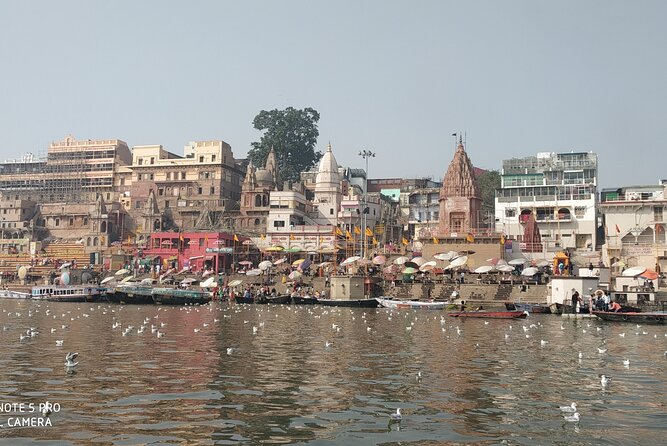
In Varanasi, the guide is not an optional extra. The old city lanes can be confusing even when you have a map. Having someone who can handle the route, explain what you are seeing, and keep the group steady changes the whole experience.
The biggest praise about Ashok is his temperament. Multiple guests describe him as calm and gentle, patient with questions, and professional in how he manages the walk. That combination matters because some parts of the route are emotionally heavy, especially the cremation ghats.
Another big theme is flexibility. People report that he can adjust the plan to fit needs, and that he is helpful with related add-ons if you want to expand your day. For example, some guests mention boat trips, Ganga Aarti timing, and help with seats for evening ritual. That is not listed as part of the base itinerary here, but it matches the kind of guide you want in Varanasi: someone who thinks ahead.
Price and what you truly get for $55
At $55 for a private 2-3 hour walk, this is positioned as good value because you are buying three things at once: a guide, a practical route, and small included comforts.
What is included:
- An experienced guide
- Bottled water, 500 ml per person
What is not included:
- Admission at the Nepali Temple (Kathwala Temple), listed as ₹20 per person
The key point is not the exact dollars and rupees. The value comes from reducing friction. A short private walk with a clear sequence saves you from wasted time in the wrong lanes or waiting around without context. And the water inclusion helps you stay comfortable for the full duration, especially if you are walking in warmer weather.
If you are traveling with family or someone who finds Varanasi hard to navigate, this price often feels more reasonable because it replaces stress with guidance.
Getting started at Hotel Ganges Grand and ending where you began
The tour starts in front of Hotel Ganges Grand in Varanasi, at the front of the Marwari Hospital Building on Dashashwamedh Ghat Road. After the walk, it ends back at the meeting point.
This “start here, end here” style is underrated. You avoid the hassle of figuring out your way out after you have seen the ghats and the old city. It also makes it easier to plan dinner or an evening activity right after, since you are not stranded across town.
The meeting point is also described as near public transportation, which helps if you need to arrive early or change plans.
Time-wise, the overall duration is listed as about 2 to 3 hours. One portion of the walk is about 1 hour 30 minutes for the old town segment, with smaller stops at the temples and ghats.
A different shape of Varanasi day:
- Varanasi : Full Day City Highlights Day Tour & Ganges Cruise
★ 4.8 · 520 reviews - Hidden Secrets of Varanasi: lively Tradition (Guided Tour)
★ 5.0 · 429 reviews - Varanasi: Sunrise Boat Tour with Arti Ceremony
★ 5.0 · 375 reviews - Banaras Wala Tours
★ 5.0 · 329 reviews
Stop 1: the Old Town walk that teaches you how people live
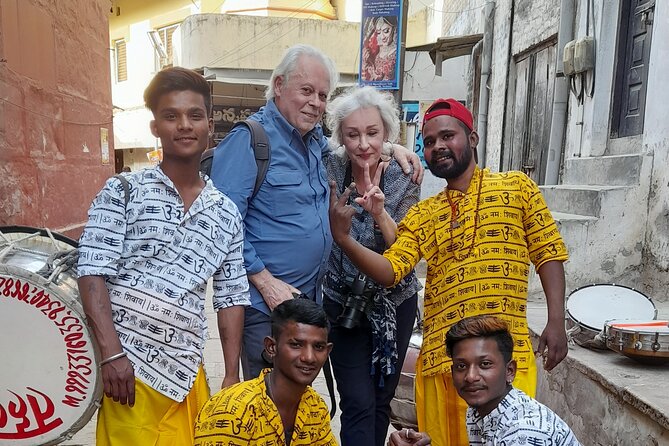
The first major segment is the Varanasi old town tour, focused on how people live in the old city, generation after generation, in the same place. The feeling here is less about monuments and more about rhythm: crowds, daily movement, and narrow streets shaped by long-term life.
You begin by seeing a colorful crowd. Then you walk through tight lanes where the scale feels different from the wider ghats. This is the part where a guide’s explanations make the difference. Without context, old city streets can look like simple maze. With context, you start to notice patterns: where people gather, where they pause, and how the built environment supports routine.
One practical upside of this early placement in the route: you get oriented before you head toward the more intense riverfront zones. Think of it like warming up your eyes and learning how Varanasi “reads” from street level.
If you have limited time in the city, this opening stop is a strong use of it because it sets the cultural frame for everything that follows.
Stop 2: Kathwala (Nepali) Temple and the Shiva wood details
Next is the Nepali Temple, also called Kathwala Temple. This stop is short, around 10 minutes, and it is here that the tour adds a distinct artistic and symbolic layer.
You will see a wooden temple of Shiva. The description also notes erotic sculpture. This is one of those moments where it helps to have a guide who can point out what you are looking at and how it fits into the broader spiritual ideas of the place.
Admission for this specific temple is not included, and it is listed as ₹20 per person. So if you are budgeting, keep that small extra cost in mind.
Because this stop is brief, it also works well if you are pairing the walk with other plans later in the day. You get the cultural signal without losing time.
Stop 3: Manikarnika Ghat and the public cremation reality
Then you reach Manikarnika Ghat, where you can see the Hindu way of cremation. This is described as a cremation ground where around 150 bodies are cremated in public each day.
Let that sink in. This is not a “pretty viewpoint stop.” It is a place where ritual is ongoing and visible. The experience can be emotionally intense, and it can also feel very practical, because the ceremonies are carried out in full view.
If you choose to do this tour, go in with one expectation: you are not watching a distant performance. You are seeing a working cremation process.
A guide helps here in two ways. First, they can explain what you are looking at so your brain has something solid to hold onto. Second, they help you navigate respectfully within a space that has strict cultural meaning for locals.
If you are sensitive to strong sights and smells, this is the moment to decide how much time you want to spend close to the action. You can stay a bit back and still learn the story, without forcing yourself into the most intense frame.
Stop 4: Dashashwamegh Ghat for pilgrim bathing and ancestor rituals
Dashashwamegh Ghat is described as one of the most active places in Varanasi. Here, pilgrims come for bathing and prayer with priests.
You may also see rituals like floating candles and taking off hair for ancestor-related rites. In the evening, the area is noted as especially lively, which is when a lot of people want to be on the ghats.
This stop works because it adds life to the story you started at Manikarnika Ghat. If the cremation areas show Varanasi’s public reality about death, Dashashwamegh Ghat shows the other side, the daily flow of belief, prayer, and offerings.
Another practical reason this stop is valuable: it is a good place to absorb how the ghats function as social space, not just scenery. People gather, priests conduct, and families follow routines that have meaning in their own lives.
If you are doing this tour as part of a longer Varanasi trip, this is also the kind of place where you can later return on your own with a lot more understanding than you started with.
Stop 5: Harishchandra Ghat for a calmer view of the cremation process
Harishchandra Ghat is listed as less crowded than Manikarnika. The benefit is that you can see the cremation process more peacefully.
The tour highlights specific details you may be shown or pointed out:
- How family members buy wood and what types it is
- How the funeral pyre is made
- Lighting the fire
This is where the tour shifts from shock to comprehension. When you understand the steps, the experience stops feeling like random chaos and starts feeling like a structured ritual with roles, materials, and sequence.
Because it is less crowded, the guide can also help you maintain control over your pace. You can take in one part at a time, rather than getting pushed along by crowds.
Still, keep your expectations realistic. This is a crematorium. Even in a “less crowded” setting, you are not visiting a quiet museum.
The narrow-lane market stop: color, locals, and quick context
At one point in the walk, the route includes a market situated in a narrow lane with several small colorful shops that are always crowded with locals.
This stop matters because it gives you a break from the riverfront intensity and adds texture to your understanding of Varanasi. A market like this is not just where people buy things. It is where local life stays visible, hour after hour.
If your brain has been focused on spiritual and ritual meaning, the market is a helpful reset. You see daily commerce, small signage, and the kind of crowd that forms when a neighborhood needs its basic supplies close by.
You do not need to buy anything to get value from it. Just use it to notice how the old city supports everyday routines alongside religious events.
Pickup, private format, and how to get the most from 2-3 hours
This is a private tour, meaning only your group participates. That matters in Varanasi more than in many cities, because you will likely want short pauses for explanation and small moments to adjust your comfort level.
Pickup is offered, and you also get a mobile ticket. Those are practical conveniences that reduce hassle.
One way to get more out of the time is to treat this like a guided orientation plus “key ritual stops.” Do not plan five other major activities on top of it immediately. Instead, plan a calm lunch or a quiet rest after the ghats, so your brain has space to process what it just saw.
If you want a guide to help you add a boat ride or time around Ganga Aarti, consider asking in advance. Several guests describe Ashok as helpful with related logistics like transport and seating for the evening ritual, which can be a big help if you do not want to fight for the best timing yourself.
Who this tour suits, and who should reconsider
This is ideal if you:
- Want a short, structured way to understand Varanasi
- Prefer a private guide over trying to navigate on your own
- Are comfortable with intense cultural sights and want context, not just photos
- Are traveling with family and want a safer-feeling route with steady explanations
This might not be the best fit if you:
- Are strongly sensitive to the visuals of cremation areas
- Prefer attractions that are lighter in emotional tone
- Want something mainly focused on temples without exposure to the public cremation process
If you are in the fence zone, focus on your comfort level more than your “interest level.” This walk is designed to show key places, including Manikarnika Ghat and Harishchandra Ghat. If those are okay for you, you will likely find the explanations and pacing make the experience easier to handle.
Also, the tour requires good weather. If conditions are poor, your plan might shift.
Should you book this private cultural walking tour of Varanasi?
I would book it if you want the fastest path to understanding how Varanasi works as a living city, not just a set of postcards. The guide component is the real strength here, with guests praising Ashok for being calm, patient, and professional, and for keeping the walk safe and well managed.
The route also makes sense for a time-limited visit. You get old town orientation, a temple stop with Shiva wooden artistry at Kathwala, then the key ghats: Manikarnika for the public cremation reality, Dashashwamegh for active pilgrim ritual in the evening rhythm, and Harishchandra for a less crowded look at the process.
If you do not handle cremation areas well, consider skipping this specific walk or choosing a different focus. But if you can meet the moment, this is one of the more grounded ways to learn what Varanasi means, while staying on a clear plan for 2 to 3 hours.
FAQ
How long is the private cultural walking tour?
The duration is listed as about 2 to 3 hours.
Is pickup offered for this tour?
Yes, pickup is offered.
What is included in the $55 price?
It includes an experienced guide and bottled water (500 ml per person).
Are any admission fees required during the tour?
Yes. Admission for the Nepali Temple (Kathwala Temple) is not included and is listed as ₹20 per person.
Where does the tour start?
The tour starts at Hotel Ganges Grand, in front of the Marwari Hospital Building, Dashashwamedh Ghat Rd, Crossing, Godowlia, Varanasi, Uttar Pradesh 221001, India.
Is this tour private or shared with other people?
It is private. Only your group participates.
Do I receive a mobile ticket?
Yes, the tour includes a mobile ticket.
Does the tour require good weather?
Yes. This experience requires good weather, and if it is canceled due to poor weather you will be offered a different date or a full refund.
What is the cancellation window for a full refund?
You can cancel up to 24 hours in advance for a full refund. If you cancel less than 24 hours before the start time, the amount paid is not refunded.
Latest reviews in from Varanasi
- Full-Day Private Bodh Gaya Spirituality Tour from Varanasi★ 4.5 · 17 reviews
- Varanasi 3-Day, 2-Night Private Tour Package★ 5.0 · 17 reviews
- One Full Day Varanasi Tour with Monu Tours★ 5.0 · 20 reviews
- From Varanasi: Varanasi & Sarnath Full Day Guided Car Tour★ 3.6 · 20 reviews
- Varanasi: 3-Hour Evening Aarti Tour and Boat Ride★ 3.8 · 20 reviews
- Banaras (Varanasi) Tour★ 5.0 · 20 reviews
- Varanasi: Manikarnika Ghat (Oldest Cremation Site) Tour★ 4.7 · 22 reviews
- Evening Aarti of Mother Ganga★ 5.0 · 24 reviews
Walking Tours, compared.
The Great Indian Food Tour: Old Delhi Food and Heritage Walk
Read our review →
Old Delhi Food, Heritage&Cultural Walk with Rickshaw ride to Masterji Kee Haveli
Read our review →
Fontainhas Heritage Walk At Latin Quarters of Goa
Read our review →Browse the lists this tour appears in