
Reviewed · DHARAVI TOURS
Mumbai Slum Tour – An insight of Dharavi Slum with Local Guide
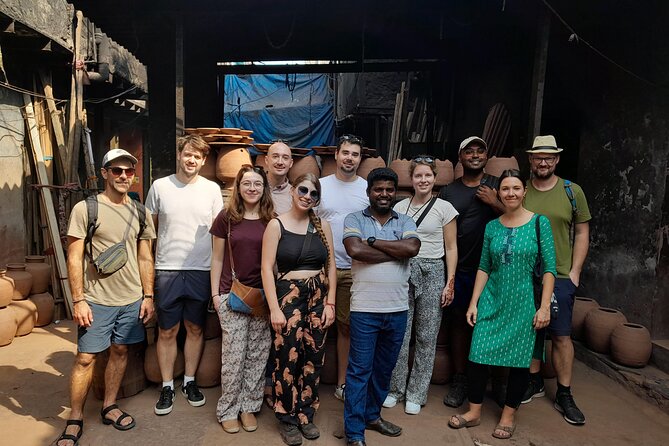
This kind of Mumbai tour is interesting because it trades sightseeing for real streets, real jobs, and real people doing real work in Dharavi. You walk narrow lanes with a local resident leading the way, with a safety-first, respectful approach that helps you understand the place beyond headlines.
I like how practical the tour is about what actually happens day to day, especially the small-scale recycling and the workshops that turn waste and raw materials into usable products. I also like that it includes stories meant to break stereotypes, not just point at scenes.
One consideration: you are walking through an active neighborhood where conditions can feel intense. If you’re easily overwhelmed by close quarters or strong smells (for example around some production areas), take it slow and keep your expectations realistic.
Key things to know before you go
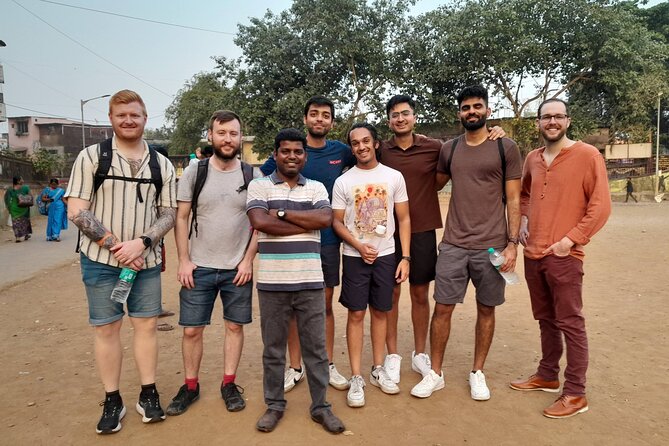
- Local resident guide-led for on-the-ground context, not a generic script
- Plastic recycling units where waste is melted, molded, and reused
- Textile workshops showing stitching, dyeing, and printing in small workspaces
- Bakery stops focused on khari biscuits, bread, and local snack production
- Leather tanneries and export-quality goods made in small factories
- Community schools and welfare so you see more than just industry
Entering Dharavi With a Responsible, Local-Led Plan
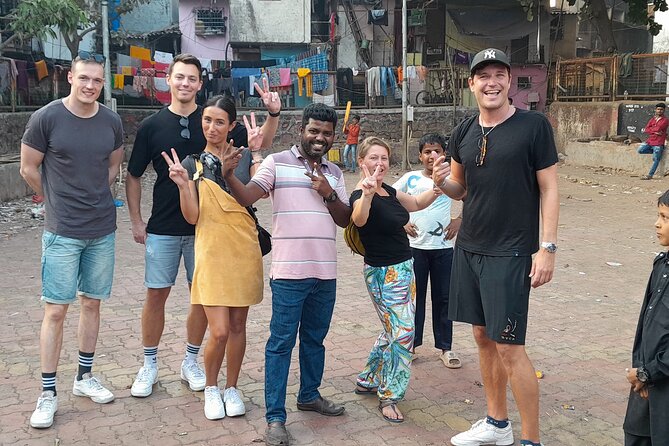
Dharavi can feel hard to categorize. People either talk about it as a problem or as a curiosity. This tour nudges you toward something steadier: work, skills, and community routines, explained by someone who lives with the details every day.
The big advantage here is the structure. You are not wandering alone. You have an English-speaking local guide, and you move through the neighborhood as a group on a timed, two-hour walk. That matters because it reduces the awkwardness of not knowing where to look, what’s appropriate to photograph, and when to just listen.
Also, the tone is built for respect. The tour is described as safe, responsible, and respectful, which you will feel in how the guide frames each stop. You are there to learn, not to rubberneck.
Other Dharavi walks:
- Dharavi slum tour in Mumbai by Female tour guides of the slum
★ 5.0 · 1,976 reviews - Mumbai: Dharavi Slum, DhobiGhat, and Dabbawallas Tour
★ 4.9 · 689 reviews - Dharavi Slum Tour
★ 5.0 · 625 reviews
Meet at Third Wave Coffee, Then Walk the Lanes With a Local
You start at Third Wave Coffee on Tip Road, Unit no. 58, Ground floor, Ram Mahal, Senapati Bapat Marg, in the Mahim area of Mumbai (Marinagar Colony, Station). That starting point is useful because it’s a clear reference location and the tour notes that it’s near public transportation.
Pickup is offered, depending on what you arrange, and the tour is also set up with a mobile ticket. Practical detail: plan to arrive a few minutes early so your group can start on time and you do not feel rushed when you meet the guide.
The ending point is Kumbhar Wada, Dharavi. After the walk, the tour ends at their office in Dharavi, where the guide helps you figure out transport back to your place by car, Uber, taxi, or train. That “help on the way out” is more valuable than it sounds, because Dharavi is not the kind of place where you want to be guessing routes right after a focused tour.
Group size is kept reasonable, with a maximum of 50 travelers. Smaller groups also appear to be available, which usually means more conversation time and less pressure to keep up.
Plastic Recycling, Textiles, and Khari: Your First Look at Work That Turns Waste Into Value
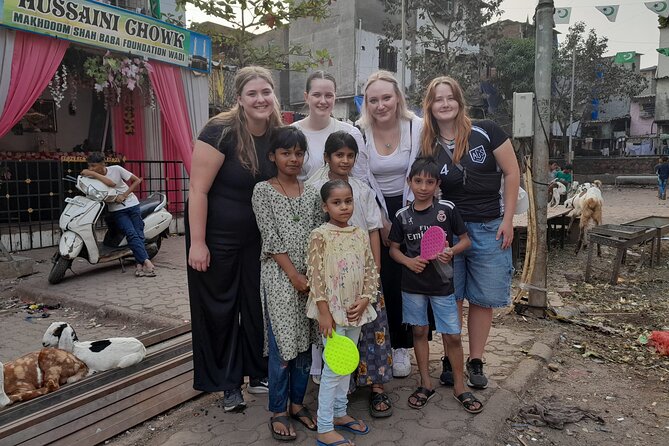
The tour’s itinerary starts with the heart of Dharavi’s economic engine: hands-on production. You’ll see plastic recycling units where waste is melted, molded, and reused. Even if you know nothing about recycling, this part helps you understand the logic. Waste is not just discarded here. It gets processed, reshaped, and sent back into supply chains.
Next comes textiles, where you can watch clothes being stitched, dyed, and printed. The useful takeaway is how “made in Mumbai” can be built from many small steps, often by different workers in different rooms. This is not factory-scale theater. It’s production work where organization and skill matter.
Then you move into bakery units making khari biscuits, bread, and local snacks. This is one of my favorite segments because it adds sensory context. Even without food being included, you get a feel for what people are producing locally and feeding their community with. Khari, in particular, is a recognizable snack in India, so it gives you a bridge from what you know to what you’re seeing.
One thing to keep in mind: this is a walking tour, so you’re not going to stand in one place for an hour. You’ll get quick, guided context at each stop, then move along.
Narrow Lanes, Small Homes, and Places of Worship You Can Respect
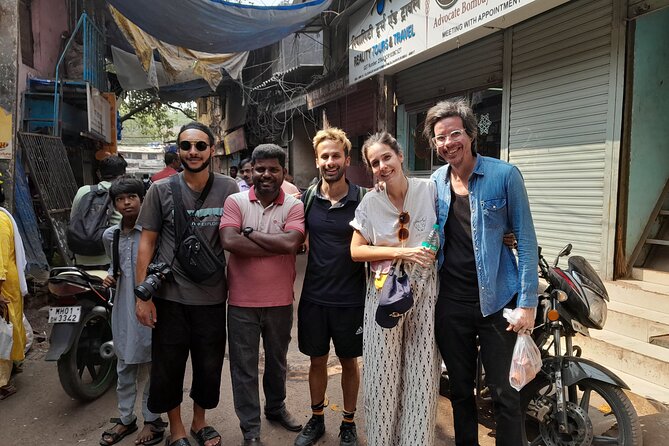
After the production stops, the tour shifts to the neighborhood texture: narrow lanes lined with small homes and places of worship, including temples and mosques.
This is where your understanding changes. You see that industry is not separate from daily life. It sits next to housing, prayer, and neighborhood routines. It also helps you spot how the guide manages respectful viewing. You’re not treating it like a set. You are passing through a real community.
If you care about how cultural spaces function in everyday life, this section is worth your full attention. Listen for how the guide explains daily rhythms and how residents maintain community connections while living alongside intense work.
A small consideration: because lanes are narrow and the group is moving, you’ll want to be comfortable with close movement. If you have mobility limitations, you can ask how the walk will be paced, but the tour does state that most travelers can participate.
Line these Mumbai options up side by side
- Mumbai: Full-Day Sightseeing Tour of Mumbai
★ 4.9 · 1,822 reviews - Private Mumbai Sightseeing Tour (Traveller’s Choice Award Winner)
★ 5.0 · 1,565 reviews - Elephanta Caves & Island Guided Private Tour
★ 5.0 · 1,327 reviews - Group Guided Walking Tour in Fort and Colaba
★ 5.0 · 1,073 reviews
Leather Tanneries and Export-Quality Goods: Skills With Real Trade Pressure
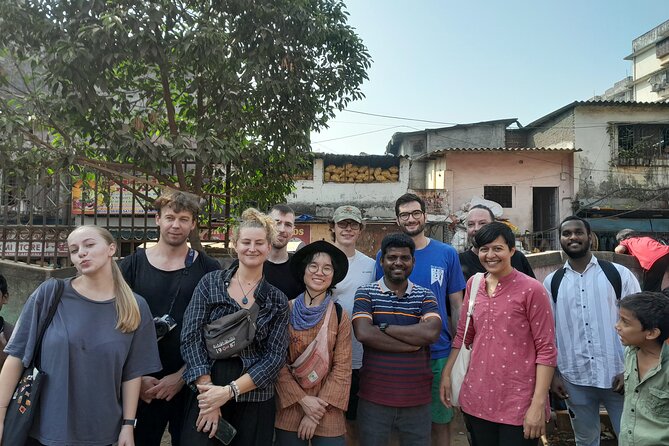
Dharavi is often discussed in extremes. This section pulls you back to something more grounded: trade, skills, and production.
You’ll visit leather tanneries and small factories producing export-quality goods. You’ll see how specialized labor can create high-value output even in tight spaces. The guide’s stories are the difference-maker here. They can connect what you’re seeing to how work is organized, what materials require, and why quality standards matter.
This is also one of the segments where your comfort level might vary. Leather processing can involve strong odors and industrial activity. If you’re sensitive to smells, I’d recommend keeping water in mind (bottled water is included), staying patient with the pace, and focusing on the guide’s explanations rather than trying to “power through” by force.
Markets and Community Schools: The Part That Makes It Feel Like a Whole Place
A tour that only shows industry can leave you with a distorted picture. Here, the itinerary makes space for markets and education, which helps the story feel complete.
You’ll see local markets selling daily essentials and fresh produce. This helps you understand that the neighborhood is not only a production hub. It’s also where people buy what they need, where supply meets demand, and where everyday life continues.
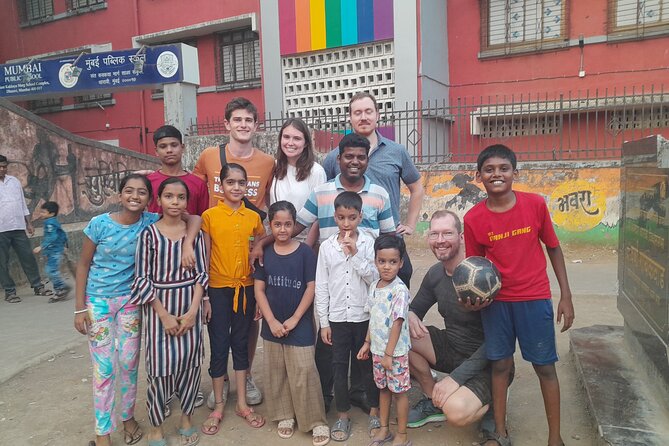
Then you’ll visit community schools and learn about education and welfare. Even in two hours, this is a powerful reminder that Dharavi is not only about work output. It’s also about long-term community goals and support systems.
If you like tours that leave you with more than photos, this educational and welfare segment is a major plus. It balances the “industry” narrative so you do not walk away thinking it’s all about production alone.
Price and Logistics: What $10.04 Buys You in Real Value
The price is listed as $10.04 per person, and the tour is about 2 hours. At first glance, that sounds almost too low for a guided walking experience in central Mumbai. But the value logic here is clear: you’re paying for an English-speaking local guide, a structured route through multiple working stops, and bottled water.
Included:
- English-speaking local guide
- Bottled water
- Admission ticket included
- Guided walking format (around 2 hours)
Not included:
- Food and drinks
So you should plan on budgeting for snacks or a drink on your own if you get hungry. Two hours is usually manageable, but Dharavi walks can be intense, and it’s smart to carry a light snack just in case.
Logistics matter too. Pickup is available, and the tour is near public transportation. You’ll also get a mobile ticket, which simplifies last-minute logistics when you’re juggling Mumbai traffic and transit timing.
If you’re the type of traveler who likes to book early, note that this tour is typically booked about 15 days in advance. That gives you a window to lock in a time without stress.
Safety, Respect, and How to Get the Most From Your Guide
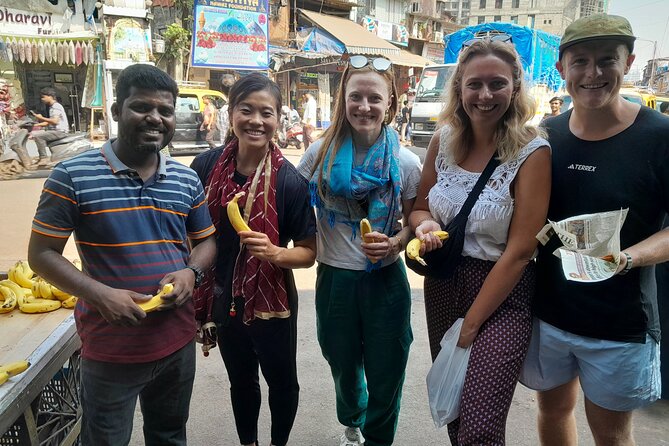
This tour is marketed as safe and responsible, and that’s not just a sales line. You’re walking with local guidance, you’re staying on a planned route, and you’re being shown places that matter to residents.
The best way to help the experience feel respectful is simple:
- Keep your questions focused on work, daily life, and how things are made
- Treat the neighborhood as someone’s home, not an attraction
- Follow your guide’s cues for where to pause and where to keep moving
- Avoid pushing for photos in moments where the guide tells you it might not be appropriate
One review highlight included a guide named Ruqaiyya. A solo traveler specifically said she felt thankful because, without Ruqaiyya, she likely would not have felt comfortable walking through the area on her own. That kind of guidance is exactly what you’re buying here: comfort plus context, not just a route.
If you’re traveling with friends, the tour still works well because you can share impressions. If you’re traveling solo, it may feel especially grounding because the guide is actively managing your movement and framing.
Who This Dharavi Slum Tour Is Best For
This tour is a good match if you:
- Want to understand Dharavi through work, not through sensational storytelling
- Prefer small-scale, practical explanations over big monuments
- Like tours led by local residents who can answer questions about daily routines
- Are comfortable walking for about two hours and moving through narrow lanes
It may not be your best fit if:
- You need a relaxed, low-stimulation experience
- You are very sensitive to smells or industrial environments
- You expect food to be part of the tour (it isn’t included)
Because most travelers can participate and because it’s structured, it can work for a wide range of visitors. But your personal comfort level still matters, especially during the production stops.
Should You Book This Dharavi Tour?
I’d book it if you want a guided, respectful look at Dharavi’s real economy and community life, all in about two hours. The price is low enough that you’re not taking a big risk, and the tour includes what actually counts: an English-speaking local guide, bottled water, and a path that links plastic recycling, textiles, bakery production, leather work, markets, and education.
Skip it only if you strongly dislike close quarters, industrial smells, or fast-paced walking through active neighborhoods. If that sounds like you, it’s better to choose a different kind of Mumbai tour.
If you do book, come with a mindset of learning. Ask your guide what surprised them about living here. That’s usually when the tour stops feeling like a checklist and starts feeling like a conversation.
FAQ
How long is the Dharavi slum tour?
It’s about 2 hours.
How much does the tour cost?
The listed price is $10.04 per person.
What is included in the tour?
You get an English speaking local guide, bottled water, and an admission ticket included.
Is food included?
No. Food and drinks are not included.
Where do I meet the guide, and where does the tour end?
You meet at Third Wave Coffee on Tip Road in the Mahim area of Mumbai. The tour ends at Kumbhar Wada, Dharavi, at the tour office, where the guide helps you arrange transport back to your place.
How big are the groups?
The tour has a maximum of 50 travelers. Both private and small group tours are available.
Latest reviews in from Mumbai
- Mumbai Spice Markets and Bazaars Tour with Guide and Transport★ 5.0 · 42 reviews
- Mumbai Dharavi Slum, Dhobi Ghat & Dabbawala Lunchbox Tour★ 5.0 · 43 reviews
- Private Dharavi Slum Tour with Mumbai Sightseeing★ 5.0 · 43 reviews
- Private Guided Tour in Kanheri Cave with Transfers★ 5.0 · 44 reviews
- Private Guided Walking Tour in Dharavi Slums★ 5.0 · 44 reviews
- Mumbai Private Cultural Tour with Lunch and Transport★ 5.0 · 44 reviews
- Unveiling Bollywood: Grand Tour of Iconic Real Sets & Their Story★ 4.5 · 44 reviews
- Bollywood Tour with Original founder★ 4.5 · 44 reviews
Dharavi Tours, compared.
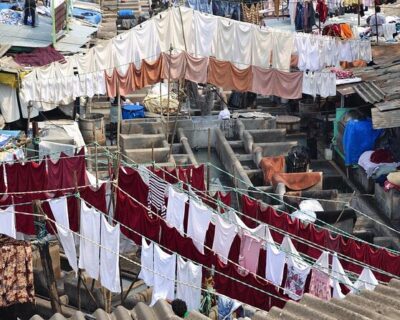
Dharavi slum tour in Mumbai by Female tour guides of the slum
Read our review →
Dharavi Slum Slumdog Millionaire Tour with a Local
Read our review →
Dhobi Ghat Laundry and Dharavi Slum Tour with Local
Read our review →
Browse the lists this tour appears in