
Reviewed · DHARAVI TOURS
Mumbai: Dharavi Slum Walking Tour with Options
What makes this Dharavi slum walking tour interesting is that it treats the neighborhood as a working community, not a tabloid spectacle. You follow a local guide through tight lanes where daily life, trade, and schooling all overlap, and you start to understand how a place this large actually functions.
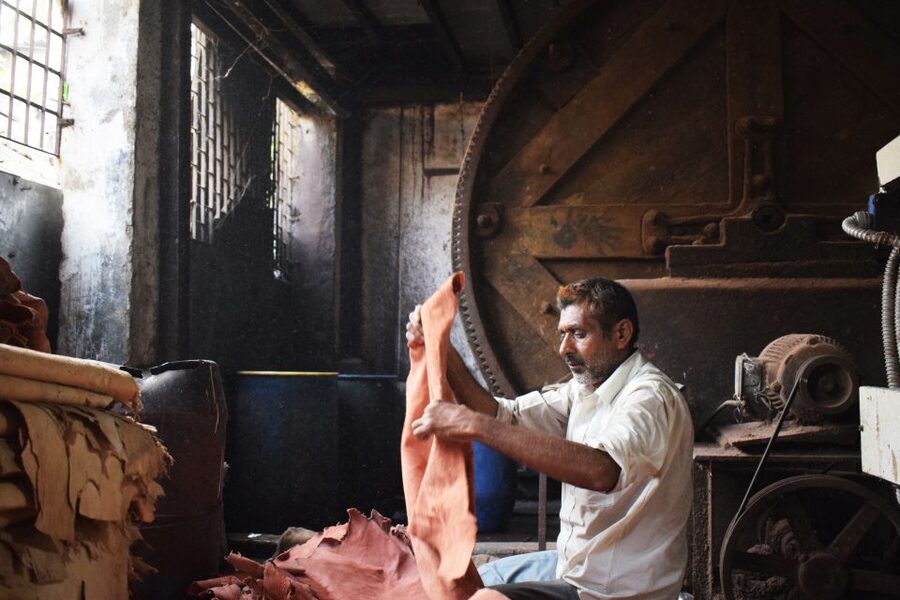
I love the small-group format and the community-first way the guide keeps things respectful. I also like the hands-on view of Dharavi’s local economy, from recycling and pottery to leather work and other small manufacturing, plus how tour staff explain why the stereotypes miss the point.
One possible drawback to consider is the practical reality of the route: it is a walking tour in dense, sometimes dirty alleyways, and it is not suitable for wheelchair users. You also need to follow the strict no-photography rule and wear modest clothing, which can feel like a lot if you’re used to traveling light with shorts and a phone camera out.
Key things I’d plan around before you go

- Small group pacing with a guide so you can ask questions without rushing
- Rooftop viewpoint for a clearer sense of scale before the alley maze takes over
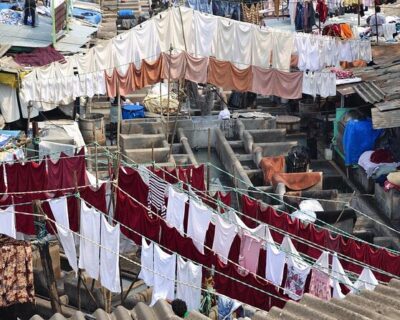
- Workshops and businesses across recycling, pottery, embroidery, baking, soap making, leather tanning, and more
- Neighborhood context, including migrant settlement stories and how stereotypes get formed
- A direct money-to-community link, with most profits reinvested into education initiatives
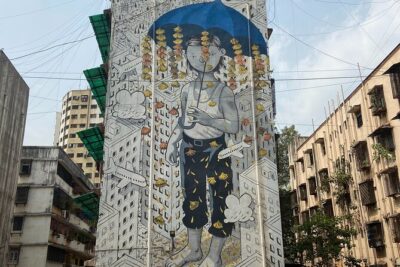
- Two tour options to choose your pace, including lunch with a family open home, or an added street art angle
Dharavi is not just a slum, it is a working neighborhood
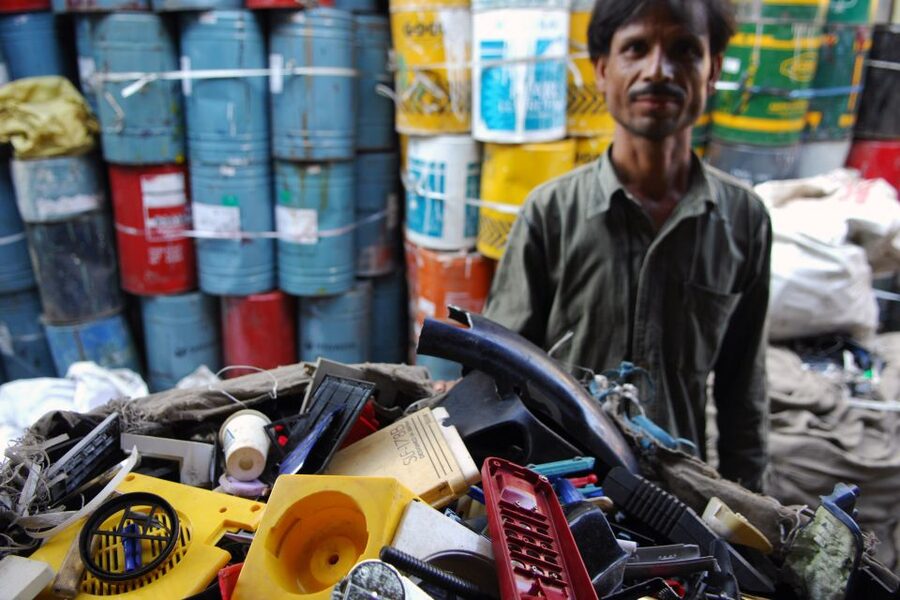
Dharavi, in Mumbai, is often described as one of Asia’s biggest slum areas. But what you actually see on the ground is something more complicated and far more human: a place where around a million people live side by side, and where an estimated 20,000 small businesses drive a huge annual turnover. That math alone is worth your attention, because it forces you to reframe what “slum” means.
This is also a microcosm of India. People come from different parts of the country to live and work here, and you notice that diversity in the religious buildings you pass along the way, with temples, mosques, churches, and pagodas sitting close together. The tour talks about the challenges migrants face as they settle in, and it focuses on the stories of entrepreneurship that help many residents build stability.
And if you’re carrying preconceptions, the tour is designed to help you loosen them. It aims to debunk the negative stereotypes that treat Dharavi like a single, uniform image. Instead, you get the neighborhood as a system: how work happens, how communities organize, and how people keep going.
More Walking Tours in Mumbai
- Group Guided Walking Tour in Fort and Colaba
★ 5.0 · 1,073 reviews - Private Guided Walking Tour in Fort & Colaba
★ 5.0 · 895 reviews - Private Guided Walking Tour in Bandra Queen of Suburbs
★ 5.0 · 383 reviews
The small-group setup that keeps things respectful
This is built for intimate guiding. The tour runs in small groups of up to 6 people, and you may be joined by other tourists depending on the booking. That matters, because Dharavi is dense. A bigger crowd would turn the whole experience into something noisy and intrusive, not a calm walk with time to talk.
The guide starts with a safety briefing, and you’ll notice how the route is paced. You’re not sprinting from “stop to stop.” Instead, you get time to slow down, look, and ask questions, including during brief classroom-style moments at the stops.
There are also clear rules that shape your experience in a good way:
- No-photography policy to respect residents’ privacy
- Modest clothing required, no low-cut or sleeveless tops, and short shorts are not allowed
- Baby strollers not allowed
- Closed-toe shoes are recommended because some areas can be dirty, especially in monsoon months from June to mid-September
One more practical note: the route is not wheelchair accessible. If you have mobility limits, or if you expect to need an easier physical route, this isn’t the tour format for you.
Getting started from Churchgate or Mahim without wasting time
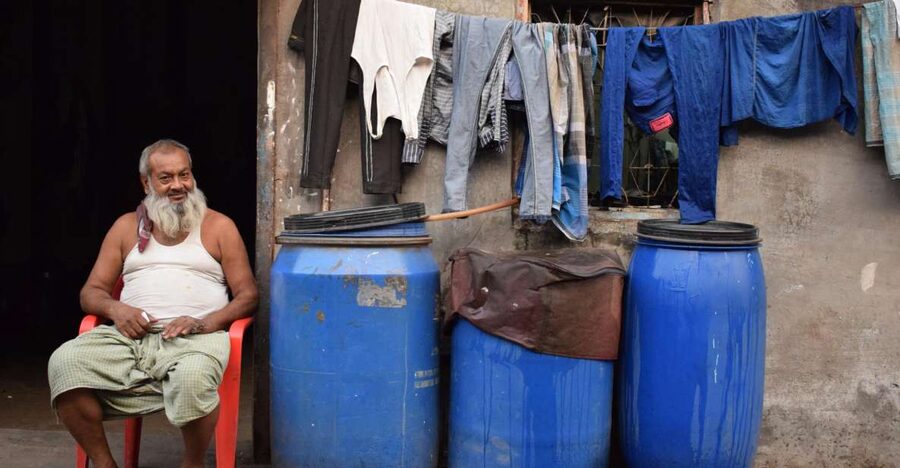
You’ll pick from one of the starting locations, depending on the option you book: Churchgate, Mahim Junction Railway Station, or Mahim railway station. Meeting points can vary by option, but the key is that you’re not dealing with a long hotel pickup shuffle. You’re going to the neighborhood and starting the walk soon after you meet your guide.
From the start, the tour takes you toward a viewpoint that helps set the context. Before you get swallowed by alleyways, you see a broader view, which makes the rest of the walking feel less random. The rooftop viewpoint gives you a sense of the settlement’s scale, and it also helps you understand how high and layered the area can feel.
If you’re the kind of person who likes to know where you are before moving on, this part helps. It’s a simple tool, but it changes how you process everything you’ll see next.
Navrang Compound: where everyday life and industry overlap
Next comes Navrang Compound. You spend about 30 minutes with guided time and sightseeing, then you also pass through surrounding areas as part of the walk.
What I like about a stop like this is that it connects the big story to the everyday details. You see how residences and workspaces exist in the same spaces, and you understand that the economy here is not a distant concept. It is next door, sometimes literally steps away.
In practical terms, you’ll likely notice:
- narrow lanes that require attention to where you’re stepping
- storefronts and workshop activity that feel active, not abandoned
- a mix of people living, trading, and moving through shared spaces
If you’re sensitive to crowding, plan your mindset for tight walking. This is not a wide promenade. It is a working neighborhood with a human pace, so you’ll go slow and stay alert.
Other Dharavi walks:
- Dharavi slum tour in Mumbai by Female tour guides of the slum
★ 5.0 · 1,976 reviews - Mumbai: Dharavi Slum, DhobiGhat, and Dabbawallas Tour
★ 4.9 · 689 reviews - Dharavi Slum Tour
★ 5.0 · 625 reviews - Dharavi Slum tour in Mumbai by local resident
★ 5.0 · 572 reviews
Gokulam Store: watching commerce in motion for about 20 minutes

After Navrang Compound, you stop at Gokulam Store for around 20 minutes. This segment is another guided chance to understand how day-to-day commerce supports the bigger industries you hear about earlier in the tour.
Even if you don’t identify every product or process, you can still grasp the point. Dharavi runs on small-scale supply chains and constant buying and selling. That store stop helps you connect the dots between production and customers, and it shows how the neighborhood keeps itself stocked with the materials and tools needed to keep working.
This is also where your questions matter. If you ask what things are for, how people buy, or how work changes across the week, the guide can often connect it back to the wider story about migrants, entrepreneurship, and survival.
Reality Gives – Mumbai: the quick class that explains the tour’s purpose
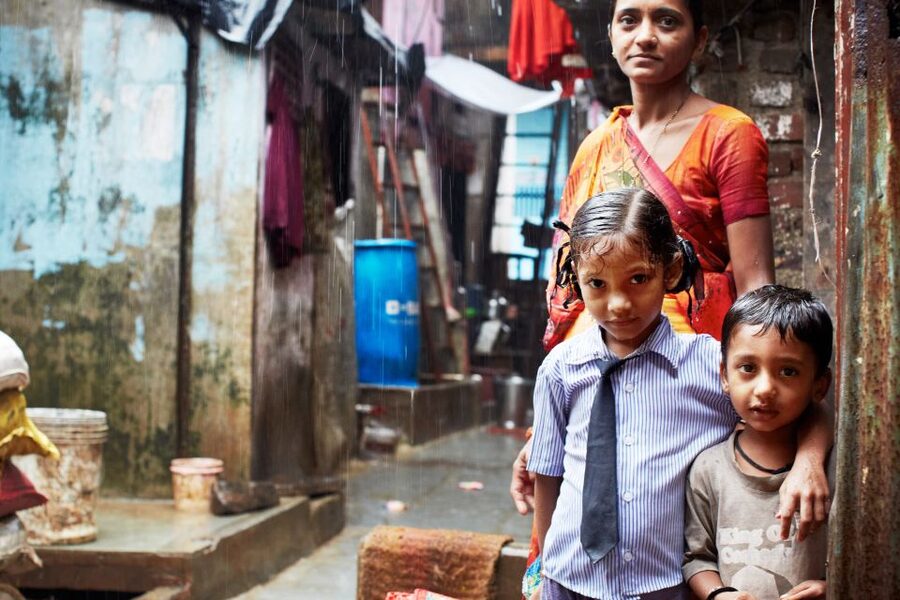
You’ll also visit Reality Gives – Mumbai for a short guided stop, including a brief classroom-style segment for about 5 minutes.
This part is important because it shifts the tour from observation to accountability. You learn how the tour’s profits feed back into the community, with 80% of profits reinvested into educational community initiatives. The goal is not charity theater. It’s a funding model tied to learning and skills.
In a neighborhood where people are already working hard, education changes the future direction. You start to understand why the tour’s design includes time for explanation rather than just a walk-and-go photo route. If you care about where your money goes, this is the moment you’ll appreciate most.
Kumbhar Wada and the 20-minute class: craft, community, and context
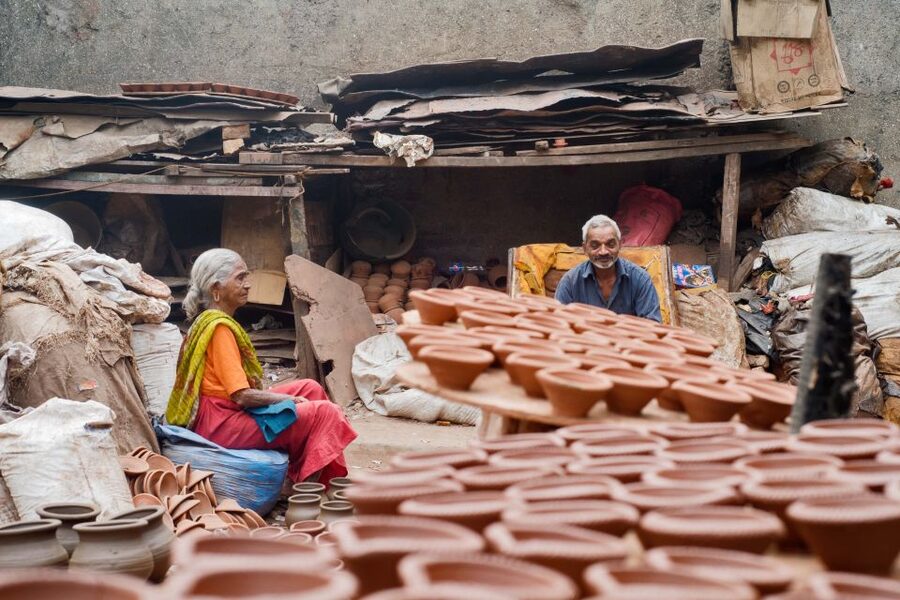
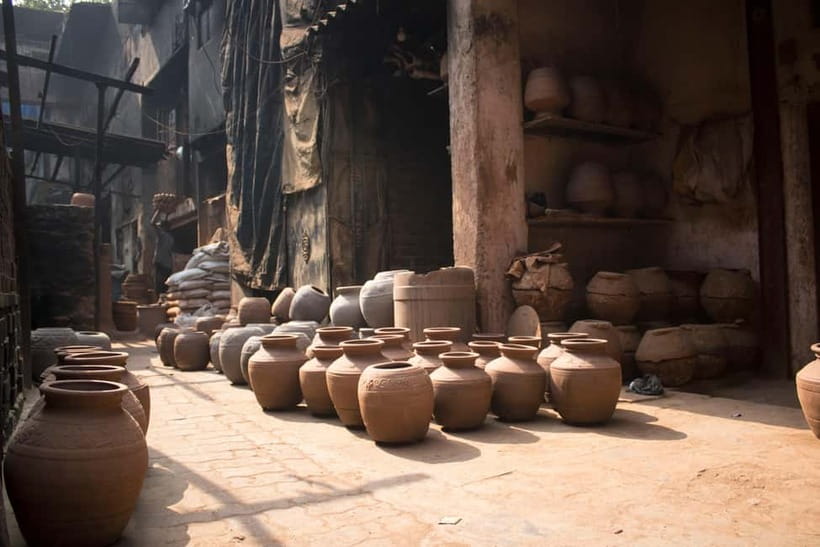
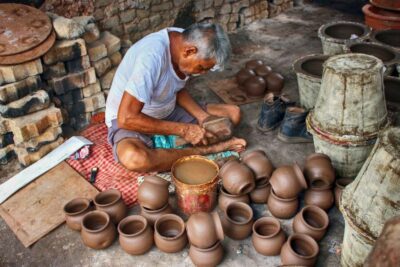
Next is Kumbhar Wada, where you spend about 15 minutes. It includes guided time plus self-guided wandering, so you can look and absorb at your own pace.
This stop supports a key theme of the Dharavi walk: work is cultural. You can see that in how craft practices are treated as part of daily identity, not just “jobs.” The overall tour covers multiple business types, including recycling, pottery and other small manufacturing, so the craft-focused atmosphere here helps you connect the general categories to real people and real routines.
Then you have a class segment of around 20 minutes. This is where the tour’s narrative usually tightens. You go deeper into the complex issues around the community, how migrants settled into Dharavi over time, and how the neighborhood’s entrepreneurial spirit challenges the stereotypes people repeat from afar.
If you want to understand Dharavi without simplifying it into one mood, the class segment does that work. It gives structure, so your walk stops feeling like random scenes and starts feeling like a coherent story.
Lunch option with a family home: what it adds to the experience
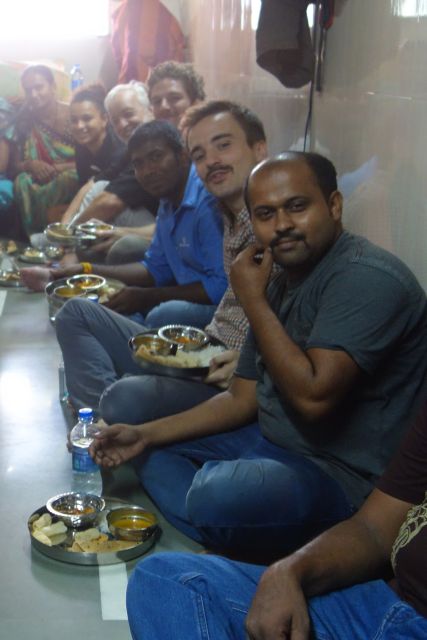
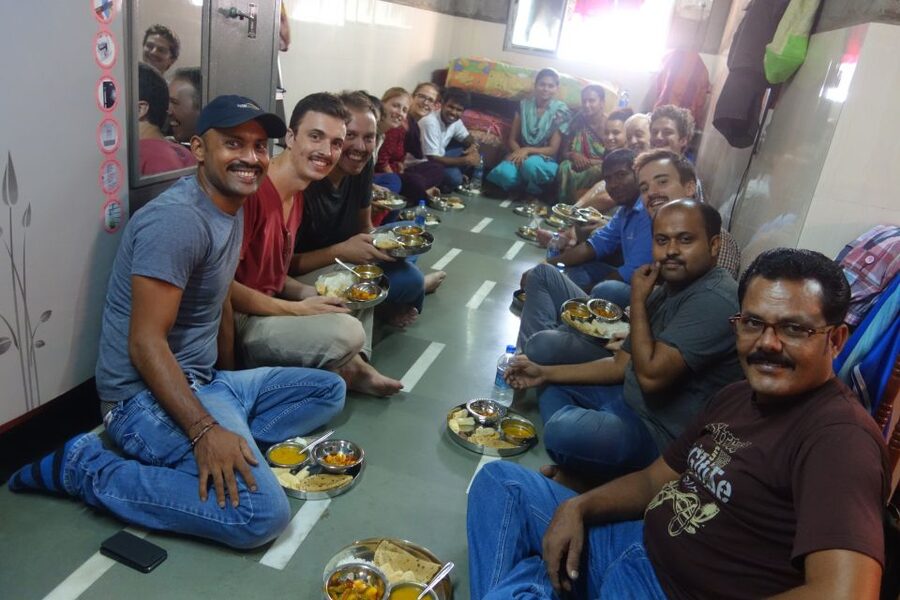
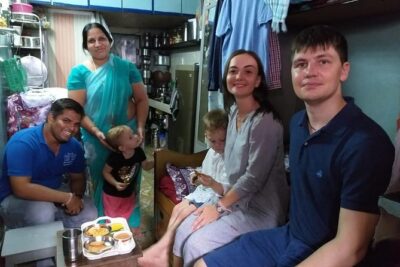
One of the best choices you can make on this tour is whether to include lunch. If you pick the option where a family opens their home, the tour includes regional food for about 35 minutes.
I like this kind of lunch because it turns the tour into something less transactional. Food is a natural way to build conversation, and it helps you see residents not just as workers, but as hosts and neighbors with everyday life. Since the tour is designed to be non-intrusive and community centric, this home-lunch format tends to feel more grounded than a generic “tourist meal.”
Two practical reminders:
- Lunch is only included if you select that option.
- With the no-photography policy, you’ll rely on conversation and observation more than trying to capture everything on your camera.
If you’re traveling with curiosity and a bit of humility, this is often the portion that stays with you longest.
The rooftop viewpoint plus the alley maze: why the order matters
The mix of viewpoint and walking through maze-like alleys is not random. First, you get a broader perspective, which helps you mentally map the settlement. Then you move into lanes where scale feels different, and you experience what it means to walk through a dense community.
In a place like this, the order helps you avoid the most common mistake, treating what you see as chaos. Once you’ve seen the overall settlement from above, the maze becomes legible as part of how the neighborhood is organized for living and work.
It’s also a good time to remember that safety depends on attention. You are walking in an environment that is active and working. Keep your eyes on the ground, follow your guide’s cues, and move with patience.
If you’re tall, or if you tend to feel uncomfortable in tight spaces, this is the moment to consider your comfort level. The alleys are not designed for wide tourist body language. You’ll get through it, but you might feel it.
How your ticket creates community reinvestment
This is where the tour has genuine value beyond “seeing a place.” The activity is explicitly set up so that 80% of profits are reinvested in educational community initiatives.
For you, that means your money is tied to outcomes you can understand: learning opportunities and skills development. Instead of paying for a spectacle, you’re paying for access to context, plus funding for education that can change the future for kids and young people in the area.
That connection is also why many visitors come back feeling differently than they expected. When you see the work happening and then learn how the money from the tour supports education, it creates a full circle. You don’t leave with just images in your head. You leave with a clearer idea of what your role as a visitor can be.
What you get, what you carry, and what to expect on the clock
Duration: 2.5 to 3.5 hours
Price: about $20 per person
Included: local English-speaking guide, water or cold drink, and lunch only if you choose the lunch option
For the price, the big value is not just the guiding. It is the combination of a small group, the strict respect rules, the educational conversation, and the reinvestment model for community initiatives. It is one of those tours that costs less than a fancy dinner, but gives you a way of understanding Mumbai that you cannot get from a bus window.
You will carry the basics:
- Modest clothing
- Closed-toe walking shoes
- A plan for no photos, meaning you should be ready to experience more through your senses and through conversation
Who this Dharavi walking tour suits best
This tour fits best if you:
- want real context about how a dense neighborhood works
- like asking questions and talking with a guide who can explain what you are seeing
- care about where your money goes, especially the link to educational initiatives
Based on the kinds of guides who lead these walks, you may meet instructors like Leena, Rishi, or Divia. That local expertise tends to make a difference, because the tour isn’t just describing industries. It is explaining the human side.
It might not be the best fit if:
- you use a wheelchair
- you get very anxious in tight, crowded alleyways
- you rely on taking photos as part of how you process travel
If you fall into any of those categories, I’d consider your comfort level carefully before booking.
Should you book this Dharavi walking tour?
Yes, if you’re looking for a respectful, educational walk that treats Dharavi as a real community and a real economy. The small group size, the guided navigation through the alleys, and the rooftop viewpoint all help you understand what you’re seeing. I also like that lunch with a family home can be added, because it turns the tour from observation into relationship.
Skip it if you want a photo-heavy sightseeing experience. The strict no-photography rule is non-negotiable. Also skip or rethink if you cannot manage a tight, sometimes dirty walking route, or if you need wheelchair access.
If you book, go with one mindset: come curious, stay respectful, and let the neighborhood teach you how it works.
FAQ
Where does this tour start?
You can start from one of these options: Churchgate, Mahim Junction Railway Station, or Mahim railway station. The exact meeting point can vary depending on the option you book.
How long is the Dharavi slum walking tour?
The tour takes about 2.5 to 3.5 hours.
How big is the group?
This tour runs in small groups of up to 6 people, and you may be joined by other tourists on the walking tour.
Is lunch included?
Lunch is included only if you choose the lunch option. If you don’t choose lunch, you can select the other option that focuses on a street walk.
Is photography allowed during the tour?
No. The tour has a strict no-photography policy to respect the privacy of local residents.
What should I wear?
Wear modest clothing. Sleeveless tops, low-cut tops, and short shorts are not allowed. Closed-toe walking shoes are recommended because some areas can be dirty, especially during monsoon months.
Is the tour wheelchair accessible?
No. This tour is not suitable for wheelchair users.
What is included in the ticket price?
Your ticket includes a local English-speaking guide and water or a cold drink. Lunch is included only if you select the lunch option.
FAQ
What is the duration of the tour?
The duration is 2.5 to 3.5 hours, depending on the available starting times.
Is there free cancellation?
Yes. You can cancel up to 24 hours in advance for a full refund.
Can I reserve without paying yet?
Yes. The offer includes Reserve now & pay later, so you can book your spot and pay nothing today.
Where does the tour drop off?
Drop-off is at Reality Tours & Travel – Dharavi at 53, Sulochana Shetty Marg, RB2 Central Railway Quarters, Jain Society, Sion, Mumbai, Maharashtra 400022, India. The activity notes there are two drop-off locations, but only this address is provided here.
Are baby strollers allowed?
No. Baby strollers are not allowed.
Do I need hotel pickup?
No. Hotel pickup and drop-off are not included.
Latest reviews in from Mumbai
- Mumbai Spice Markets and Bazaars Tour with Guide and Transport★ 5.0 · 42 reviews
- Mumbai Dharavi Slum, Dhobi Ghat & Dabbawala Lunchbox Tour★ 5.0 · 43 reviews
- Private Dharavi Slum Tour with Mumbai Sightseeing★ 5.0 · 43 reviews
- Private Guided Tour in Kanheri Cave with Transfers★ 5.0 · 44 reviews
- Private Guided Walking Tour in Dharavi Slums★ 5.0 · 44 reviews
- Mumbai Private Cultural Tour with Lunch and Transport★ 5.0 · 44 reviews
- Unveiling Bollywood: Grand Tour of Iconic Real Sets & Their Story★ 4.5 · 44 reviews
- Bollywood Tour with Original founder★ 4.5 · 44 reviews
Dharavi Tours, compared.
Dharavi slum tour in Mumbai by Female tour guides of the slum
Read our review →
Dharavi Slum Slumdog Millionaire Tour with a Local
Read our review →
Dhobi Ghat Laundry and Dharavi Slum Tour with Local
Read our review →
Browse the lists this tour appears in