
Reviewed · DHARAVI TOURS
Mumbai: Dharavi Slum Guided Walking Tour by 1st Female Guide
What makes this Mumbai tour interesting is the way it ties daily work and daily life together, led by a female university student guide from Dharavi. You are not just taking photos, you are hearing the story from someone who lives with the place.
I love two specific parts here. First, the commercial side work you see, from recycling and leather to clothing making. Second, the chance to share a simple vegetarian lunch in a local home, talk with the family, and ask questions like a normal human.
One drawback to plan for: this is a walking route through active areas and tight lanes, and it is not suitable for wheelchair users or people over 95. Wear supportive shoes, and don’t expect it to feel like a slow city sightseeing stroll.
Key Things You Will Notice on This Dharavi Walking Tour
- A female guide who is also a university student, bringing context you simply cannot get from a brochure
- Commercial workshops in action, including recycling and clothing-related production areas
- Residential life you can actually see, including an older community known for earthen pots and clay items
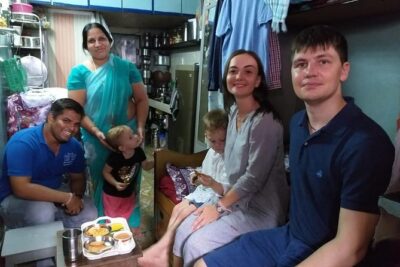
- Lunch with a local family, vegetarian and described as simple and hygienic
- A respectful pace and tone, with guides like Sneha, Anu, and Pooja noted for sensitivity and clear English
Why Dharavi Feels Different After a Two-Part Walk
Dharavi is the kind of place people argue about from far away, usually based on stereotypes. This tour flips that. You walk through industry and housing in the same visit, so the area starts to make practical sense fast. It is not presented as a single story of poverty or success. It is shown as a place where people work, trade, learn, and build routines.
The biggest value for you is perspective. You see how money and work move through small spaces. You also see how neighborhoods hold community ties that are stronger than the outsider picture. The guides focus on that day-to-day reality, and that is what tends to stick after the walk.
There is also an important motivation behind the experience. Joining this tour supports the education of local female students, including your guide. That turns the visit from a one-time look into something with a long tail.
More Walking Tours in Mumbai
- Group Guided Walking Tour in Fort and Colaba
★ 5.0 · 1,073 reviews - Private Guided Walking Tour in Fort & Colaba
★ 5.0 · 895 reviews - Private Guided Walking Tour in Bandra Queen of Suburbs
★ 5.0 · 383 reviews
Meet Your Guide, the Human Part That Makes It Click
This tour is built around a local female guide who is also a university student from Dharavi. That matters more than you might think. When your guide knows the lanes and the rhythms, you spend less time guessing and more time understanding.
Names you may hear from different tour groups include Sneha, Anu, and Pooja, and the common thread is the same: guides who explain with honesty and sensitivity and keep the conversation respectful. You can tell quickly when a guide is comfortable with questions. People in past groups specifically mention that their guide could answer everything clearly in English, which is huge for first-timers.
Practical tip: if you are nervous about speaking up, go anyway. Asking one or two questions early helps you relax. The best part of this format is that it feels like you are learning with someone who has good reasons for every stop.
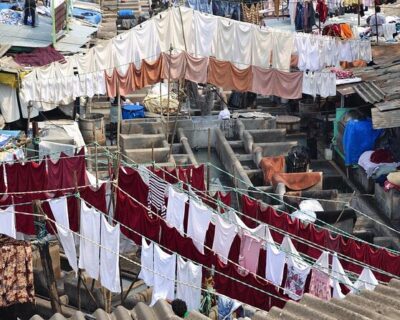
The Start Near Dhobi Ghat, Then a Short Transfer Into Dharavi
The visit starts with either meeting at a designated point or using optional hotel pickup. The exact meeting point can vary by the option you book, so check your confirmation message. If you choose pickup, you travel in an air-conditioned car with a driver who should be waiting for you.
Dhobi Ghat is the first listed stop. Even before Dharavi begins, it gives you a sense of how Mumbai works in real life, not as a postcard. After that, there is a transfer of about 30 minutes, then the walking tour begins.
Why this structure helps you: Dhobi Ghat sets context, then the short ride gets you into the right area without turning the experience into a long scramble. You are still in the city, but your mind is getting tuned to the right kind of reality before you start walking.
Dharavi’s Commercial Side: Recycling, Leather, Clothing, and More
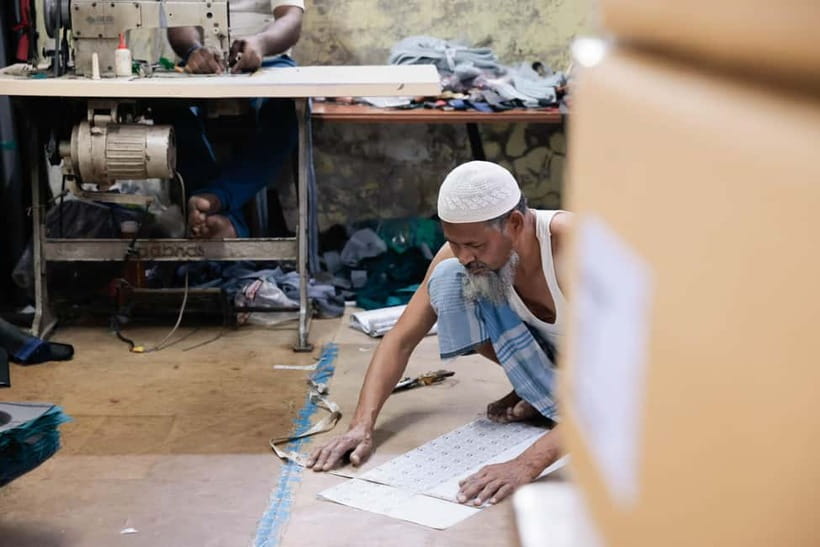
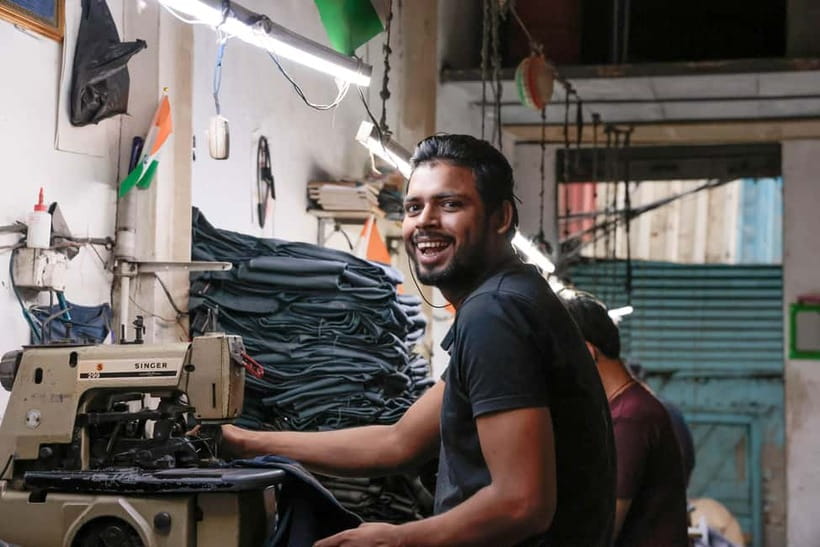
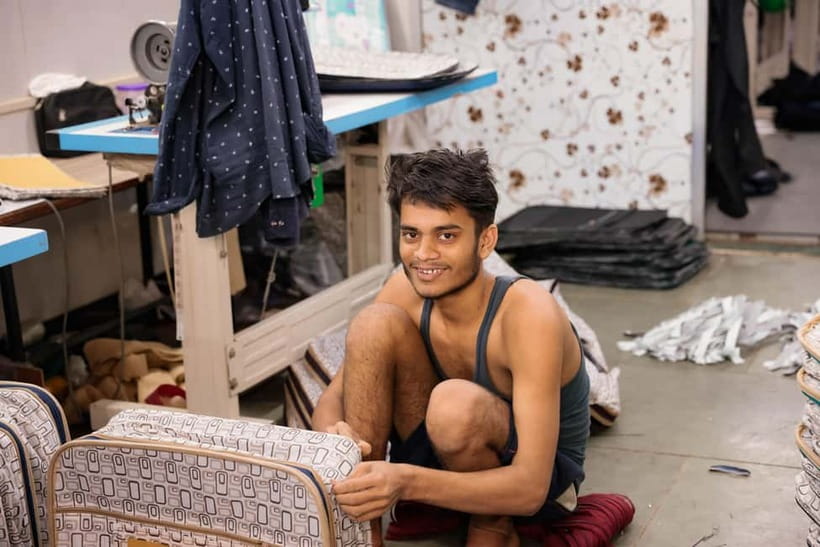
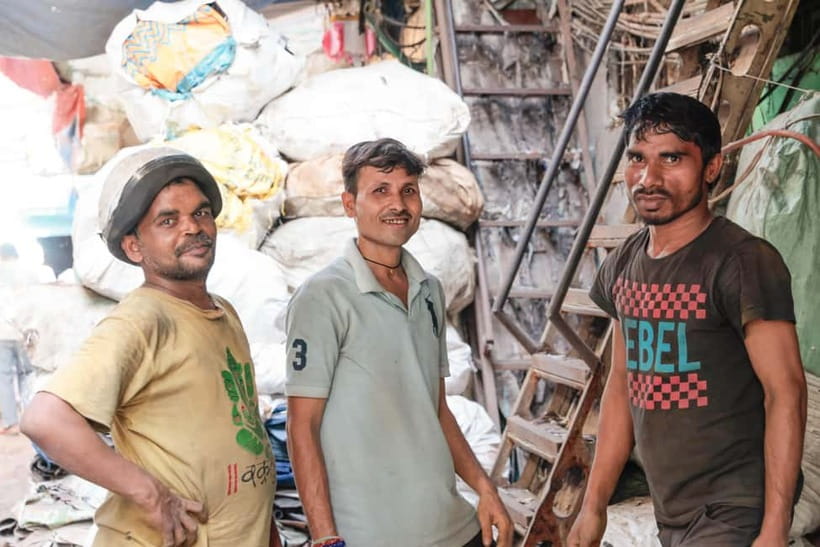
The core of the tour is a two-hour guided walk that focuses first on Dharavi’s commercial areas. This is where you see the work that keeps the local economy moving. The stops described include factories and workshops involved in plastic and paper recycling, leather production, clothing manufacturing, and other related trades.
What makes this section powerful is that it is not just “look at buildings.” You get to see how processes work, and you learn how daily life and work overlap. You can also ask questions, and guides tend to do a good job connecting what you see to how people survive and grow through small business activity.
You should also be prepared for how close you get to workspaces. Past guests praised guides for leading through narrow lanes, which means you will likely be walking through tighter corridors than you expect in a mainstream city tour. Go slow, keep your hands steady with your camera, and treat the space like a working neighborhood, not a museum.
Other Dharavi walks:
- Dharavi slum tour in Mumbai by Female tour guides of the slum
★ 5.0 · 1,976 reviews - Mumbai: Dharavi Slum, DhobiGhat, and Dabbawallas Tour
★ 4.9 · 689 reviews - Dharavi Slum Tour
★ 5.0 · 625 reviews - Dharavi Slum tour in Mumbai by local resident
★ 5.0 · 572 reviews
The Residential Walk: Earthen Pots, Clay Craft, and Everyday Neighborhood Rhythm
After the commercial areas, the tour shifts into the residential parts of Dharavi. This is the part that often changes the conversation in your head. Work is only half the story. The other half is how families live around it, how routines carry through, and how community ties show up in daily movements.
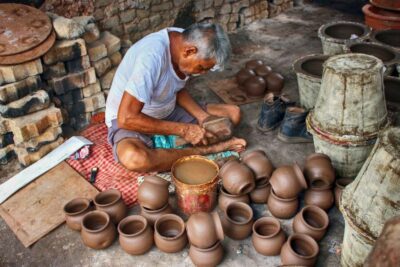
One highlighted area is the oldest community known for crafting earthen pots and clay items. That stop gives you a rare look at heritage skills that still matter in modern life. Even if you do not know much about clay craft going in, you can ask your guide what makes the work continue and what it supports.
Residential sections can feel personal in a good way, because you are not only looking at structures. You are learning how people move through shared spaces and how neighbors build support. The guides keep the tone respectful, and the goal is to help you understand living conditions without turning people into props for your photos.
A quick caution that will save you discomfort: this is a neighborhood. You do not need to stare. Follow your guide’s cues, keep your camera use respectful, and when you feel unsure, just ask.
Dhobi Ghat, Transfer, Walk, Lunch: How the Timing Fits
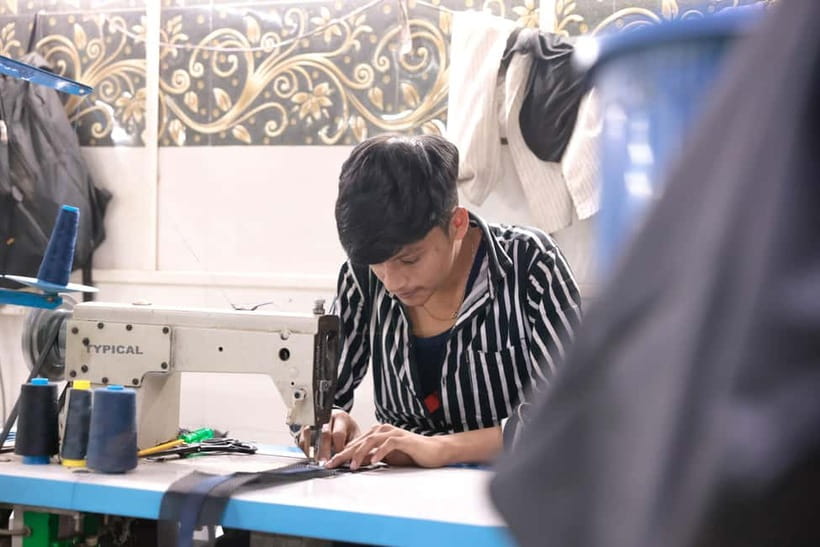
The tour duration runs from 2 to 4 hours depending on the option you choose and how the day flows. The typical arc is simple: start, Dhobi Ghat visit, a 30-minute transfer, then about two hours of guided walking in Dharavi, followed by lunch.
The timing matters because it keeps the experience from turning into an all-day grind. You are walking enough to understand the layout and get a real sense of how trades and homes connect, but not so long that you lose the human details to fatigue.
If you are on a tight Mumbai schedule, this is also one of the more realistic “window” tours. It is short enough to fit into a broader day, while still leaving you with meaningful takeaways.
Lunch at a Local Home: Simple, Hygienic, and Shared
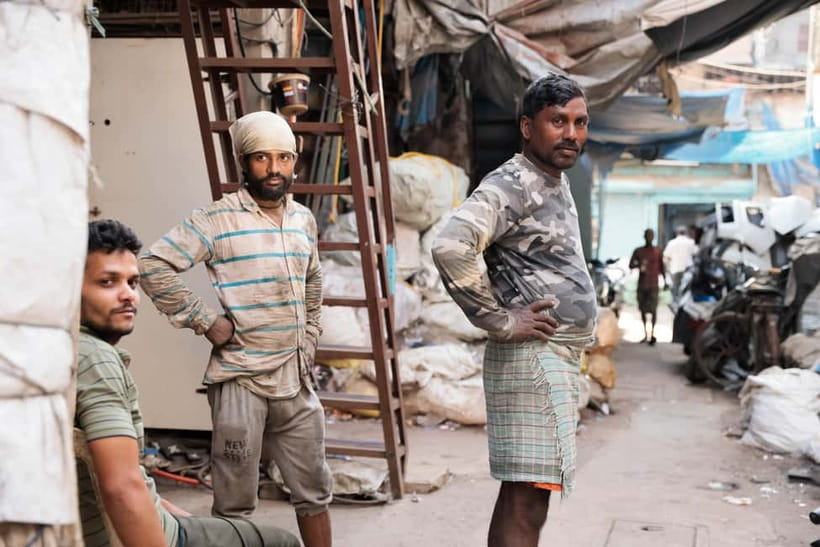
After the walking stops, you may have the option of a vegetarian lunch at a local home. This is not described as a fancy meal service. It is described as simple, hygienic, and made for visitors to experience home life in a straightforward way.
What you should expect most is interaction. You typically get chances to speak with the family, ask questions, and understand how they think about their work and neighborhood. That is the part that tends to create an emotional shift. You leave knowing that Dharavi is not only industry, it is also family, routine, and care.
Before you go, come with flexibility. Lunch is part of a real household day, not a performance. Be polite, eat at a comfortable pace, and remember that the point is connection.
What You Get Included, and How That Affects Value
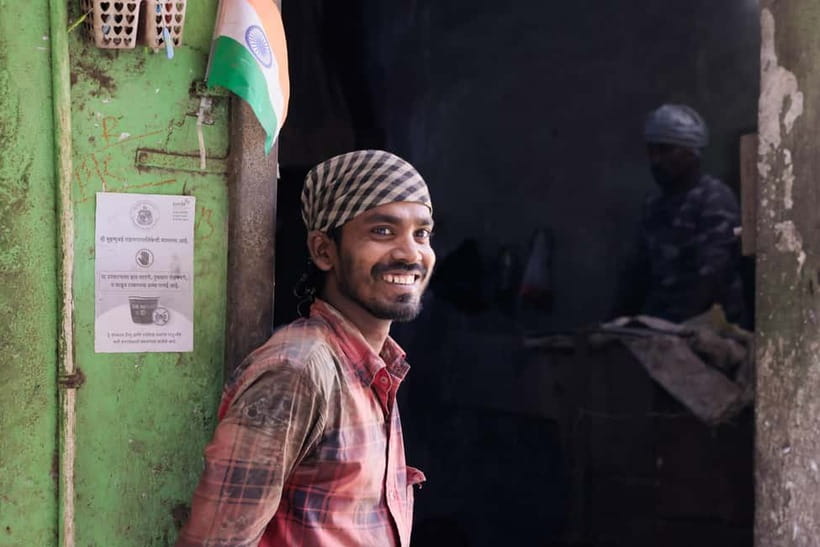
At about $6 per person, this tour stands out on value for a few reasons.
First, you get a two-hour walking tour with a local female guide, not just a route with a map. Live guidance changes everything because you can ask questions and you can stop when you need context.
Second, bottled mineral water is included. That sounds small, but on a walking tour it keeps things practical.
Third, the visit includes both commercial and residential areas, plus the option for vegetarian lunch at a local home. Even if you choose lunch, you are not paying extra to turn it into a full cultural stop.
Last, there is a built-in support element for local female students. When your money supports education, it changes how you evaluate the cost. You are not only paying for your own understanding, you are helping build future opportunities.
One detail to note: hotel pickup and drop-off is optional and costs extra if you want it. If you are traveling independently and your hotel is far from the pickup point, that add-on might be worth considering for comfort.
Practical Logistics That Will Make the Walk Easier
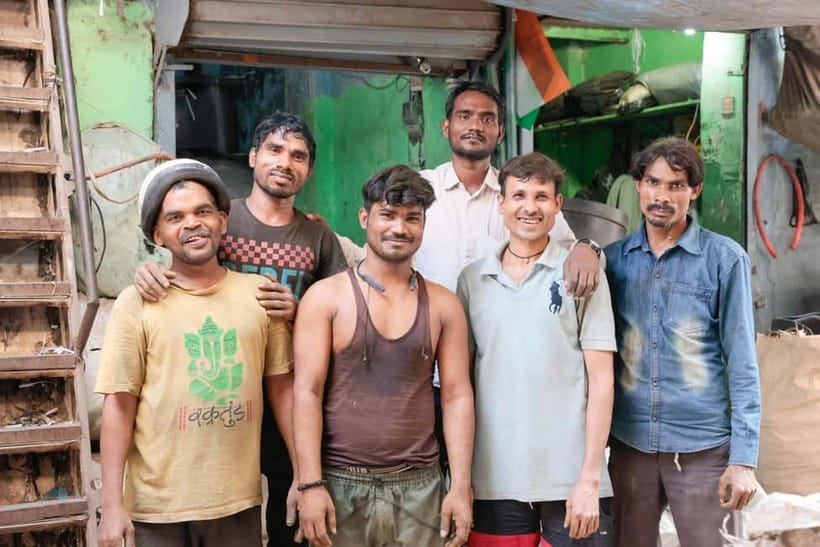
This is a walking tour, so your preparation matters.
Bring:
- Comfortable shoes with grip
- A camera if you want photos
Not allowed:
- Smoking
- See-through clothing
Helpful expectations:
- The tour includes skip-the-line entry via a separate entrance.
- The live guide speaks English.
- The meeting point can vary depending on what option you book.
Also, if you pick hotel pickup, you should look out for the driver at your car pickup and drop-off point. The tour notes that the driver will be there if you do not find the vehicle.
Small tip: keep your camera strap short, and think ahead about hands-free. Narrow lanes and close quarters mean you want your movements to stay calm and controlled.
Respect Rules, Safety Mindset, and How to Get the Best From It
A good tour doesn’t just show you a place. It teaches you how to act inside it. This one asks for basic respect for the local community, and it also has clear boundaries like no smoking and no see-through clothing.
Here is the mindset that works best for you:
- Treat the stop as a conversation, not a performance
- Keep photos respectful and only where your guide says it makes sense
- Ask questions that show you want to understand, not questions meant to score points
If you approach it like that, the experience tends to feel comfortable. People have specifically mentioned that their guides were kind and respectful and that they never felt uncomfortable, which is exactly what you should hope for when visiting a real community.
Who This Tour Fits Best (and Who Should Rethink It)
This is a strong choice if you want:
- A more grounded view of Mumbai than the usual sights
- A tour led by someone from within the area
- Both commercial and residential perspectives in one morning or afternoon
It also makes sense if you are traveling with curiosity and a willingness to listen. Guides like Sneha, Anu, and Pooja have been praised for answering questions and guiding through tight lanes with care.
It is not a fit if:
- You use a wheelchair
- You are over 95 years old
If that applies, you could still visit Dharavi in other ways, but this specific walking format is not built for those needs.
Should You Book This Dharavi Tour With a Female Student Guide?
If you want a tour that changes your assumptions and gives you an on-the-ground sense of work and daily life, I think this is an easy yes. The price is low, the guide-led value is high, and the experience is structured so you see more than one side of Dharavi.
Book it if you like asking questions, walking a bit, and meeting people through conversation. Skip it if you cannot manage a walking route through tight lanes, or if your mobility needs mean you would feel stressed.
If you do book, bring good shoes, keep your attitude humble, and trust your guide. That combination is what turns a short walking tour into a Mumbai memory you will actually understand.
FAQ
How long is the Dharavi walking tour?
The tour duration is listed as 2 to 4 hours, with the walking portion described as a 2-hour guided tour.
What is the price per person?
The price is listed as $6 per person.
Is there hotel pickup and drop-off?
Hotel pickup and drop-off are optional. It is available at an extra cost, and you travel in an air-conditioned car if you choose pickup.
What areas will we visit during the tour?
You will visit the commercial side of Dharavi, including places tied to recycling, leather, and clothing manufacturing. You will also visit residential areas, including an older community known for earthen pots and clay items.
Is lunch included?
Lunch at a local home is an option, described as a simple, hygienic vegetarian lunch.
What should I bring and what is not allowed?
Bring comfortable walking shoes and a camera. Smoking and see-through clothing are not allowed.
Who can join, and who should not?
The tour is not suitable for wheelchair users and people over 95 years old. It is guided in English by a live tour guide.
Is cancellation free?
You can cancel up to 24 hours in advance for a full refund.
Latest reviews in from Mumbai
- Mumbai Spice Markets and Bazaars Tour with Guide and Transport★ 5.0 · 42 reviews
- Mumbai Dharavi Slum, Dhobi Ghat & Dabbawala Lunchbox Tour★ 5.0 · 43 reviews
- Private Dharavi Slum Tour with Mumbai Sightseeing★ 5.0 · 43 reviews
- Private Guided Tour in Kanheri Cave with Transfers★ 5.0 · 44 reviews
- Private Guided Walking Tour in Dharavi Slums★ 5.0 · 44 reviews
- Bollywood Tour with Original founder★ 4.5 · 44 reviews
- Mumbai Private Cultural Tour with Lunch and Transport★ 5.0 · 44 reviews
- Unveiling Bollywood: Grand Tour of Iconic Real Sets & Their Story★ 4.5 · 44 reviews
Dharavi Tours, compared.
Dharavi slum tour in Mumbai by Female tour guides of the slum
Read our review →
Dharavi Slum Slumdog Millionaire Tour with a Local
Read our review →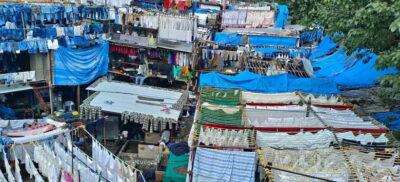
Dhobi Ghat Laundry and Dharavi Slum Tour with Local
Read our review →
Browse the lists this tour appears in