
Reviewed · DHARAVI TOURS
Mumbai: Dharavi Slum 2-Hour Walking Tour
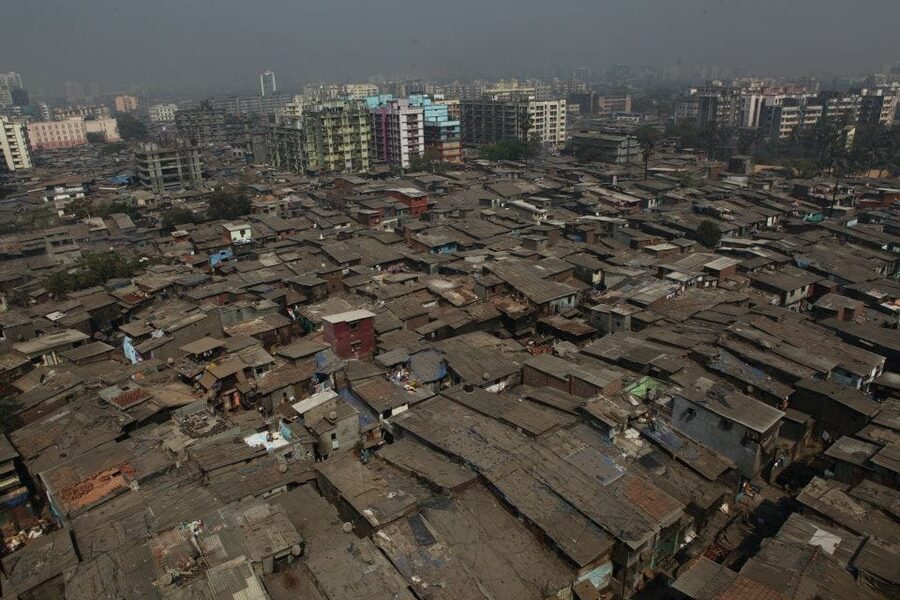
Dharavi is interesting because it forces you to trade stereotypes for something more real. In just two hours, you see how a dense neighborhood of about 700,000 to a million people organizes work, faith, school life, and everyday problem solving in tight alleyways. It feels less like a spectacle and more like a functioning city at street level.
I love that this tour is guided by someone who can explain what you are seeing in plain language, not a memorized script. In the best version of this experience, the guide is someone like Dinesh, a local who grew up there, with the kind of answers that make the place click fast. I also like how clearly the walk connects the area’s trades, from recycling to food prep, to the community that keeps them going.
One consideration: this is not a camera tour. Cameras are not allowed, photos are strictly prohibited, and you need to dress modestly. If you hate rules or want to shoot a lot of photos, you may find the pacing a bit restrictive.
Key highlights you will feel right away

- A small group up to 10 people keeps the pace human and your questions more likely to land
- Guides with local roots, like Dinesh who grew up in Dharavi, explain what you are actually looking at
- Trades you can point to including recycling and dye work, leather, pottery, soap making, and papadums
- A Slumdog Millionaire filming location experience that connects film fame to everyday life
- A structured, respectful walk with clear rules on modest clothing and no photography
- A 2-hour route that starts near Mahim Station and ends at Mahim Junction, so it fits a normal day in Mumbai
Why Dharavi’s daily work beats the usual Mumbai sightseeing
Most Mumbai tours do the classic circuit, markets, viewpoints, monuments. This one goes sideways, in a useful way. You walk into Dharavi knowing it is one of the world’s largest slum settlements, but you do not get fed the easy, one-note version of the story.
What changes the whole experience is the focus on daily systems. You see people doing specific trades, running small workflows, and using basic materials in ways that keep things moving. That is where your curiosity will land, because it is not only about hardship, it is also about ingenuity and community problem solving.
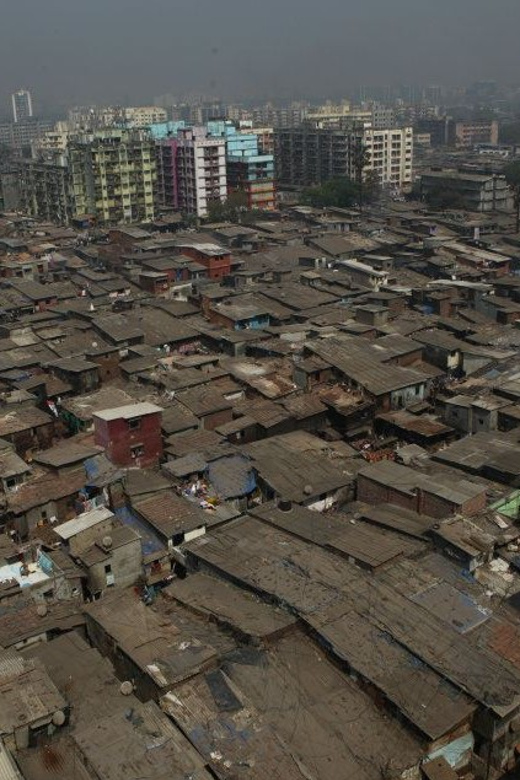
The size of the neighborhood matters too. When a place holds roughly 700,000 to a million people, the “small” things become big things fast. A narrow lane is not a backdrop, it is the practical route for work, school, worship, and commerce.
More Walking Tours in Mumbai
- Group Guided Walking Tour in Fort and Colaba
★ 5.0 · 1,073 reviews - Private Guided Walking Tour in Fort & Colaba
★ 5.0 · 895 reviews - Private Guided Walking Tour in Bandra Queen of Suburbs
★ 5.0 · 383 reviews
Meeting in Mahim at Café Coffee Day, then following the purple shirt
The walk starts at Café Coffee Day opposite Mahim Railway Station on Tulsi Pipe Road. If you are used to tour groups meeting in lobbies, this one is refreshingly simple: show up, find the meeting point, and wait a few minutes.
Look for your guide. They will be wearing a purple shirt with a footprint logo. That detail sounds minor, but it saves stress when you are in a busy station area and you do not want to wander while everyone else is moving.
The tour is led by a live guide in English, and it runs for about 2 hours. It is also a small group, capped at 10 participants, which makes a real difference here. Narrow lanes mean fewer people is a kinder experience for everyone, including the residents you are passing.
On request, transportation is included. The practical takeaway for you is to think about your exact plan for getting there and getting back, especially if you are combining this with other Mumbai stops. Finishing at Mahim Junction is helpful because you are not stuck far from transit afterward.
The route through industrial lanes and residential corridors
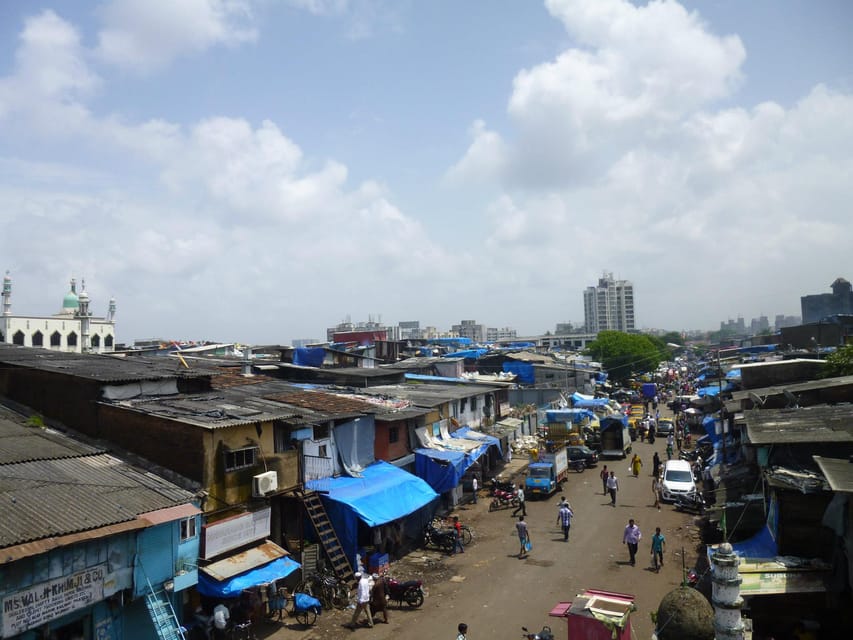
Once you are moving, the neighborhood starts to make sense by sections. You will typically go through areas that feel more industrial, then shift into more residential streets, then pass through a mix of community pockets. That flow matters because Dharavi is not one single “type of place.” It is a collection of neighborhoods functioning together.
A highlight is the sense of how the streets organize life. Alleyways are tight, and you quickly learn why everyone keeps moving with purpose. This is where you stop thinking only in images and start thinking in logistics: where goods move, where people gather, where the daily rhythm changes.
In at least one memorable guide style, you will get taken through different community zones, including a Muslim part as well as residential and industrial areas. You may also see tiny corridors that feel almost hidden from the main flow, where you can understand why privacy and respect matter so much.
This is also where the guide’s personal background becomes a major advantage. When your guide grew up in the area, questions are not awkward. You can ask how something works, what people do for work, or why a certain place exists, and you get answers tied to day-to-day reality rather than theory.
Recycling, dye production, leather work, pottery, and soap making
The tour’s strongest value is the way it turns “what is going on here” into specific trades you can recognize. You do not just hear that Dharavi does recycling. You see the practical chain of how materials are processed and reused.
Some of the trades you can expect to hear about include:
- Recycling work, including vegetable oil can reuse and related processes
- Dye production, where color-making is part of the local industrial web
- A plastic recycling center type of stop, showing materials in motion
- Leather work, where small steps lead to finished products
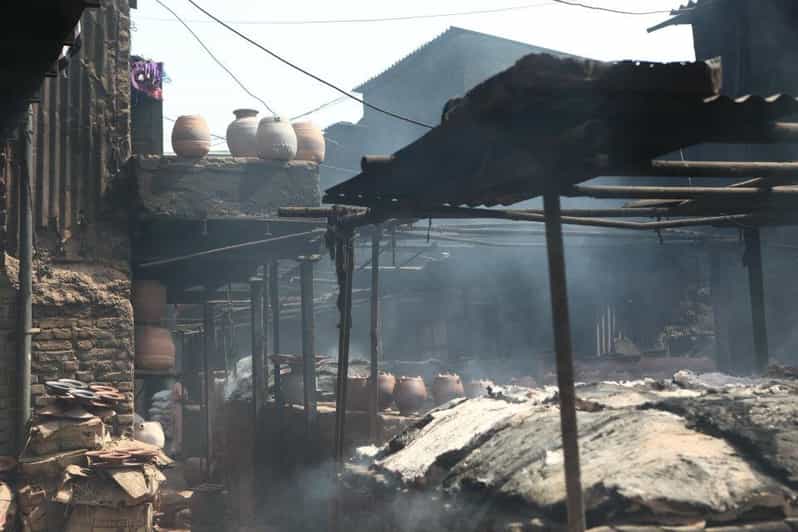
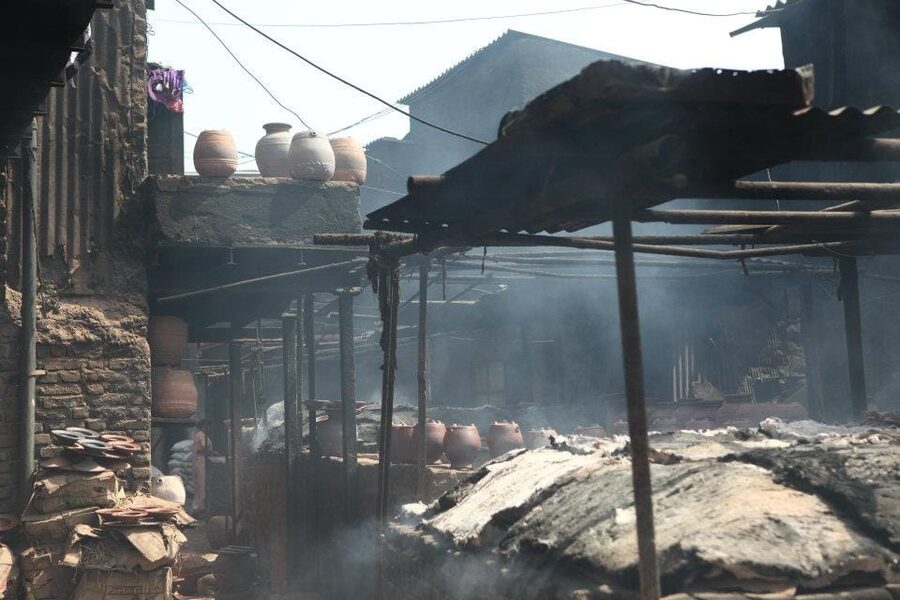
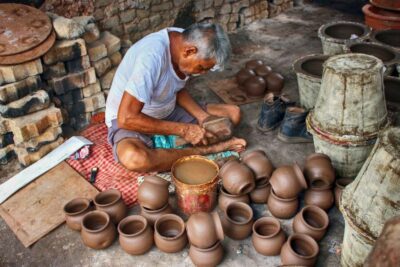
- Pottery workshops, so you can connect craft to routine
- Soap making, which ties industry to everyday hygiene
- Papadum baking spots, where food production becomes part of the street economy
Even if you are not shopping, this is educational in a hands-on way. You start noticing how many tasks depend on simple tools, consistent labor, and tight coordination. And you also notice that this is not random poverty. It is work with structure.
If you are a person who likes learning how cities actually function, you will probably enjoy this part the most. The tour gives you enough context to stop judging by first impressions.
Other Dharavi walks:
- Dharavi slum tour in Mumbai by Female tour guides of the slum
★ 5.0 · 1,976 reviews - Mumbai: Dharavi Slum, DhobiGhat, and Dabbawallas Tour
★ 4.9 · 689 reviews - Dharavi Slum Tour
★ 5.0 · 625 reviews - Dharavi Slum tour in Mumbai by local resident
★ 5.0 · 572 reviews
Seeing a Slumdog Millionaire filming spot without the theme-park vibe

Dharavi became internationally famous through Slumdog Millionaire from 2008. This tour includes a visit to a slum dwelling where the film was made, and you may also pass through parts of the area tied to filming scenes.
This can sound like a gimmick, but it works when the guide uses the film fame as a doorway into the real place. You are not there to chase movie facts for Instagram. You are there to understand how the world watched one story, and how residents live their daily life alongside that attention.
The best approach you can take is to treat the filming connection like context, not entertainment. Notice the same buildings and lanes you see now, then listen to the explanation of what role similar spaces play in production and in daily routines.
Schools and churches you can see in plain sight
One of the most meaningful parts of the walk is passing by everyday institutions. You will see schools and churches used by residents. It is a quiet reminder that the neighborhood is not only work and survival. It is also learning, community gatherings, and faith.
This matters because many outside stories reduce places like Dharavi to a single frame. When you see schools and worship spaces as part of the same streets as industry, you get a fuller picture of what keeps people rooted.
You may also learn about other practical community needs, including the kinds of places where goods and basic services are made. The tour’s goal is to show how systems exist, even when resources are limited.
Respect rules you should treat as part of the tour, not an annoyance
You need to come prepared for a visit with clear etiquette. The big one is simple: cameras are not allowed, and taking photos is strictly prohibited. That means you cannot rely on a phone to make the experience feel complete later. Plan to use your memory, your notes, and what the guide points out.
You also need to dress modestly, and short skirts are not allowed. Bring a water bottle, and consider a hat or cap, since you will be walking outdoors. Comfortable shoes are a must, because you will be on uneven surfaces and narrow lanes.
If you are the type who hates rules, this might test your patience. But if you can roll with it, these boundaries help keep the visit respectful and reduce pressure on residents who do not want to be photographed.
Wheelchair users should skip this one. The tour is not suitable for wheelchair users, and the walking in tight areas is part of the experience.
Price and value: is $65 for 2 hours fair here?
$65 per person for a 2-hour walking tour is not cheap, especially if you compare it to free city walks. But value here is not about distance. It is about access and interpretation.
You are paying for:
- A guide who can explain trades, community structures, and day-to-day logic in English
- A small group limit of 10, which helps everyone navigate tight lanes more safely
- A route that covers multiple parts of the neighborhood, from industrial work to residential life
- Inclusion of a famous filming location tied to Slumdog Millionaire
If your goal is only photos and quick facts, you might decide it is too expensive. If your goal is to understand the place better than a bus window allows, it can feel worth it. This is the kind of tour where the education is the product.
Safety and comfort: how the walk keeps the group together
Dharavi is a working neighborhood, not a controlled attraction. That means safety comes from structure. The guide sets the pace, keeps the group moving, and answers questions so you are not left wandering or staring.
In a standout guide experience, people were able to ask lots of questions, and the group always felt safe following instructions. That is exactly what you should look for in a tour like this: a guide who manages the flow and tells you where to stand and where not to.
Your best move is to show up with the right shoes, stay close to the group, and treat the lanes like someone’s home. If you do that, the experience feels calm rather than chaotic.
After the walk: practical help in a city that moves fast
You finish at Mahim Junction, which is handy because Mumbai is easier when you end near transit. Depending on how you plan your day, you can connect onward without a long delay.
There is also a practical angle I really appreciate here: guides and the team can help with local logistics. In at least one memorable experience, the guide Dinesh and the manager helped find a nice curry and even assisted with calling an Uber and getting to the pickup afterward. That kind of help is small, but it turns a tour into a smoother day.
If food is on your mind afterward, ask your guide for a nearby suggestion before you break away. Just remember that your guide might still have to follow local rules about where people can pause.
Who this tour is best for, and who should skip it
This is best for you if:
- You like learning how cities work, not just taking in landmarks
- You want a respectful look at community life that goes past stereotypes
- You are comfortable walking on uneven streets for about two hours
- You can accept no cameras and focus on listening and observing
It may not be your fit if:
- You want a photography-heavy experience
- You need wheelchair-friendly access
- You dislike modest dress requirements and rules about coverage
- You are only interested in extreme poverty imagery, because the walk is designed to show the daily functioning side of Dharavi, not only hardship
Should you book the Mumbai Dharavi Slum 2-Hour Walking Tour?
Book it if you want a short, high-impact experience that explains daily life in a dense neighborhood through real trades, community spaces like schools and churches, and a connection to Slumdog Millionaire. At $65 for 2 hours, the price makes sense when you value interpretation and access more than photo opportunities.
Skip it if photography is non-negotiable for you, or if you need wheelchair accessibility, because the rules and terrain will make the walk frustrating. Also, if you come expecting a dramatic poverty show, you will likely miss what makes the tour worthwhile.
If you do book, come with comfortable shoes, a water bottle, and modest clothing. Then let the guide do what they do best: make a complex place understandable in a short walk.
FAQ
How long is the Dharavi walking tour?
The tour lasts about 2 hours.
What does it cost?
The price is $65 per person.
Where do I meet the guide?
Meet at Café Coffee Day opposite Mahim Railway Station, Tulsi Pipe Road, Mumbai.
Where does the tour finish?
The tour finishes at Mahim Junction.
Is the tour available in English?
Yes. The live tour guide speaks English.
Are cameras and photos allowed?
No. Cameras are not allowed, and taking photos is strictly prohibited.
What should I bring and wear?
Bring a water bottle and a hat or cap. Wear comfortable shoes and dress modestly. Short skirts are not allowed.
Is the tour wheelchair accessible?
No. It is not suitable for wheelchair users.
Latest reviews in from Mumbai
- Mumbai Spice Markets and Bazaars Tour with Guide and Transport★ 5.0 · 42 reviews
- Mumbai Dharavi Slum, Dhobi Ghat & Dabbawala Lunchbox Tour★ 5.0 · 43 reviews
- Private Dharavi Slum Tour with Mumbai Sightseeing★ 5.0 · 43 reviews
- Private Guided Tour in Kanheri Cave with Transfers★ 5.0 · 44 reviews
- Private Guided Walking Tour in Dharavi Slums★ 5.0 · 44 reviews
- Bollywood Tour with Original founder★ 4.5 · 44 reviews
- Mumbai Private Cultural Tour with Lunch and Transport★ 5.0 · 44 reviews
- Unveiling Bollywood: Grand Tour of Iconic Real Sets & Their Story★ 4.5 · 44 reviews
Dharavi Tours, compared.
Dharavi slum tour in Mumbai by Female tour guides of the slum
Read our review →
Dharavi Slum Slumdog Millionaire Tour with a Local
Read our review →
Dhobi Ghat Laundry and Dharavi Slum Tour with Local
Read our review →
Browse the lists this tour appears in