
Reviewed · DHARAVI TOURS
Mumbai: 2 hours Dharavi Slum Tour with Local Guide
Mumbai’s Dharavi is often talked about like a headline, not a place. This 2-hour walking tour instead shows the day-to-day reality behind Asia’s largest slum, with a route built around what people actually do and sell. Dharavi can feel overwhelming at first, but the tour keeps it human and practical, not sensational.
I especially like that you walk with local guides who still live in Dharavi, generation after generation. The second big win is the mix of stops, from small homes and a local school to recycling work, a leather factory, garment making, and pottery.
One thing to consider: this is a walking route through crowded lanes and it is not suitable for wheelchair users or for people who are visually impaired.
Key points you will care about before you go
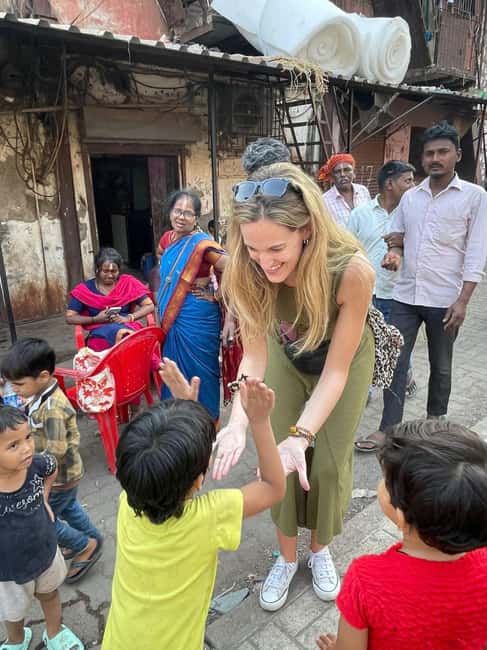
- Local guides who still live in Dharavi and explain daily life with personal context, often in clear English
- A focused 2-hour route that includes homes, markets, school areas, recycling, leather work, garments, and pottery
- Very specific rules for respect and safety, including no short skirts or sleeveless shirts and no flash photography
- Logistics that are easy to follow, starting outside Third wave coffee Shop near Mahim station west and ending back there
- Practical comfort items matter, since restrooms along the way may be limited and the area can be busy
Entering Dharavi with a local guide, not a script
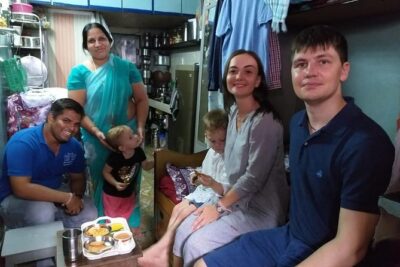
Dharavi is dense, tight on space, and full of work that runs on the schedule of ordinary life. What makes this experience click is the guide. The guides are local residents, still living in Dharavi, and they bring that inside sense for what matters, what is safe to show, and how to explain things in plain language.
In the past, many visitors have gone for shock value. This tour is different because it leans on explanation and relationship. You may meet guides like Shivam or Balaji, both praised for being patient, polite, and able to answer questions without rushing you. That matters, because the biggest “wow” moment can also come with a lot of mental questions.
Also, this is not a museum style stop. You’re walking narrow streets where homes and businesses sit close together, and you see why the community is known for small-scale industry that keeps going day after day.
Other Dharavi walks:
- Dharavi slum tour in Mumbai by Female tour guides of the slum
★ 5.0 · 1,976 reviews - Mumbai: Dharavi Slum, DhobiGhat, and Dabbawallas Tour
★ 4.9 · 689 reviews - Dharavi Slum Tour
★ 5.0 · 625 reviews
Price and value: why $6 can feel surprisingly fair
At $6 per person for a 2-hour guided walk, the value is hard to ignore, especially when a local guide is leading you through places you would not find on your own. You also get bottled water included, which sounds small, but it helps when you are in sun, walking continuously, and trying to stay focused.
Is it a bargain? In my view, yes, as long as you treat it like a community experience, not like a casual sightseeing stroll. The rules around clothing, camera behavior, and the emphasis on respectful interaction help keep it grounded. That is part of the value too, because it sets expectations for how you should behave.
If you want a “quick hit” of Dharavi’s work side, this tour gives you that fast. If you want deep, academic research, you will likely need more time elsewhere. But for understanding how the place functions and why locals take pride in it, the timing and cost are a strong match.
Meeting at Mahim station west, and the small logistics that help
The tour starts outside Third wave coffee Shop, next to City bank ATM, Mahim station west. It is opposite the ticket counter. After the walk, you return to that same meeting point.
This is the kind of setup that helps you avoid stress. You do not need to figure out a complicated pickup. You can plan your day around Mahim station and keep the rest of Mumbai options open after the tour ends.
You’ll also want to plan for a sun-heavy Mumbai day. Even when the lanes are shaded, you are outdoors most of the time. That is why the simple packing list is actually important here: comfortable shoes, a sun hat, sunscreen, weather-appropriate clothing, and water.
What you will actually see in two hours: homes, school, and small industry
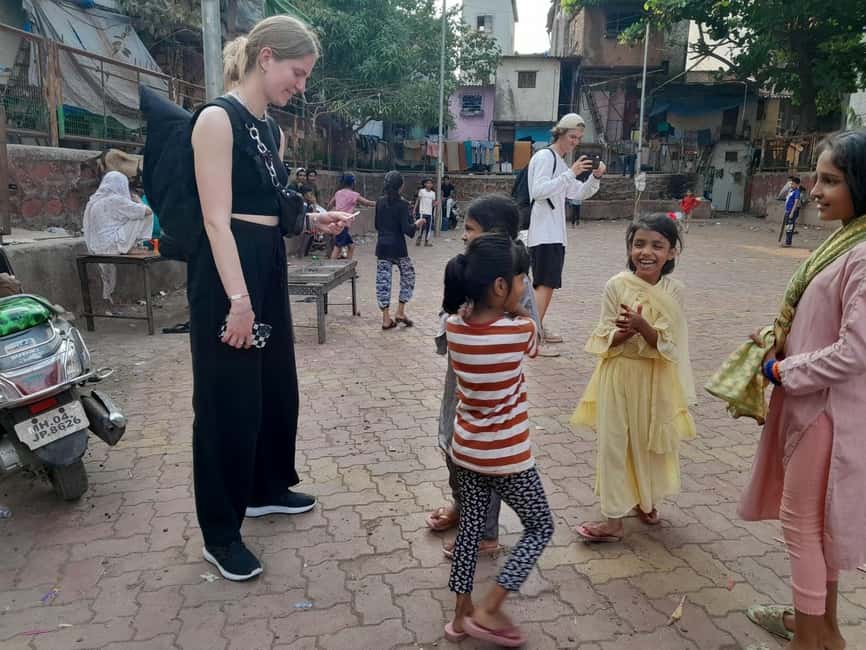
The route is built around the mix of living and working space. That is the whole point. Dharavi is not just one thing. It is many neighborhoods, many routines, and many businesses running in close quarters.
Line these Mumbai options up side by side
- Mumbai: Full-Day Sightseeing Tour of Mumbai
★ 4.9 · 1,822 reviews - Private Mumbai Sightseeing Tour (Traveller’s Choice Award Winner)
★ 5.0 · 1,565 reviews - Elephanta Caves & Island Guided Private Tour
★ 5.0 · 1,327 reviews - Group Guided Walking Tour in Fort and Colaba
★ 5.0 · 1,073 reviews
Tiny homes and narrow lanes
You start moving through the tight lanes, where the smallest houses are part of what you notice. This isn’t just about size. It’s about understanding how people organize their space when they have limited room. The tour helps you see how families balance daily chores with the reality of nearby workplaces.
A local market feel
Next, you will pass through areas that feel like a market. You can watch the flow of people and goods without needing a special ticketed entrance. Even if you do not buy anything, you learn how commerce works at street scale.
One practical tip here: since it is crowded, keep your valuables secure. The route can be busy enough that the usual city common sense matters even more.
A school stop
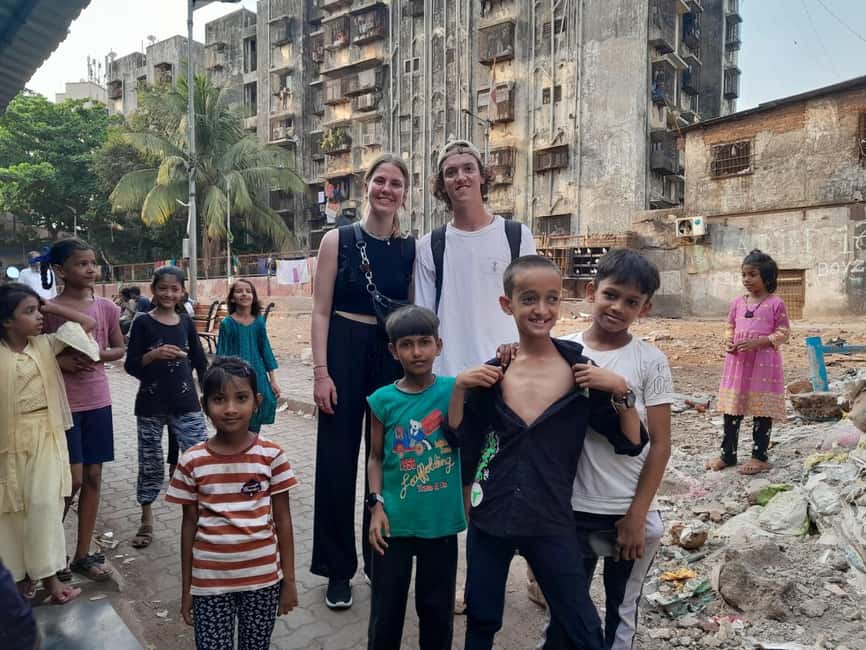
You may also see a school as part of the route. This is one of the most grounded moments of the tour. It pulls the focus away from industry and reminds you that families are raising children right here, with education part of daily planning.
Different guides explain this part with different angles, but the consistent theme is that community life is active and ongoing, not frozen in time.
Recycling, leather, garments, and pottery: the work behind the label
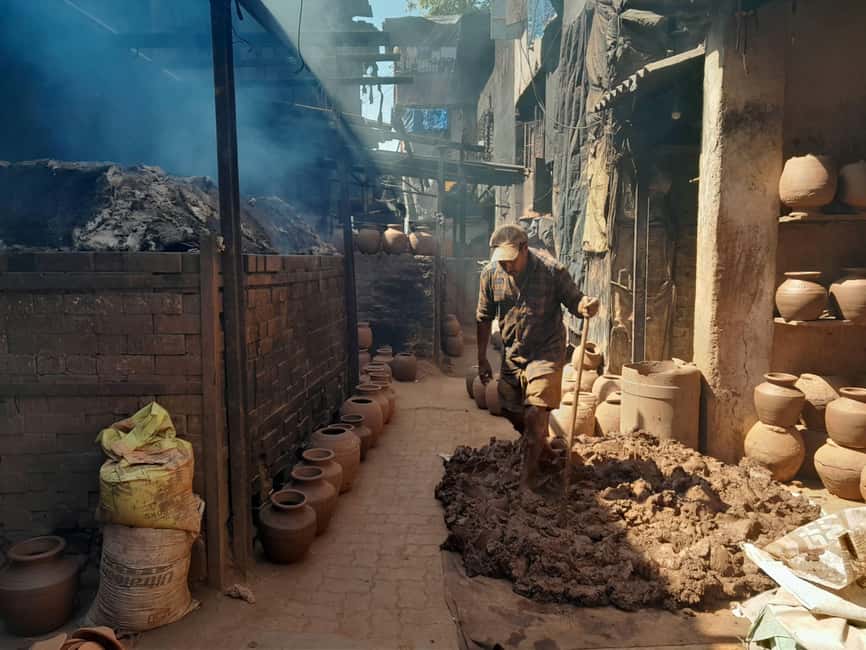
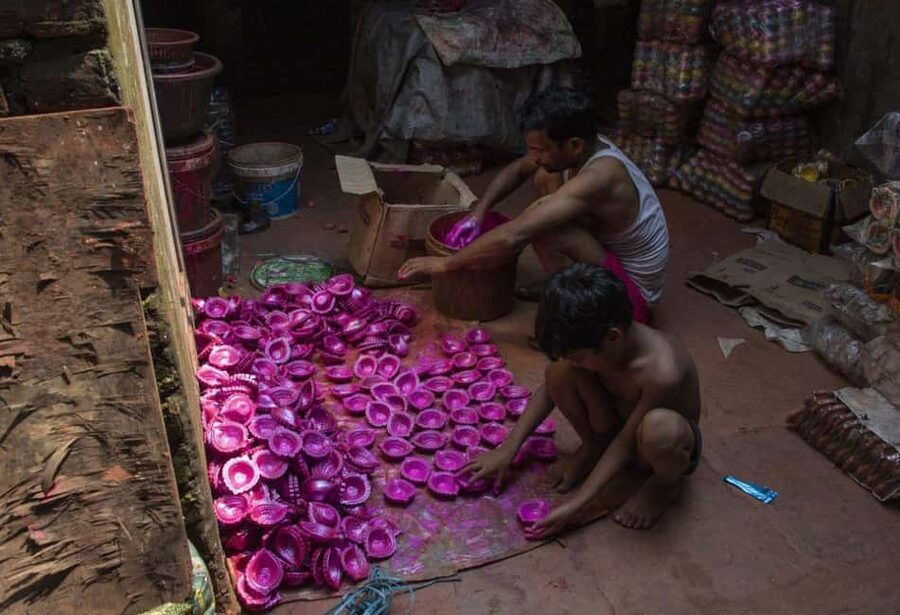
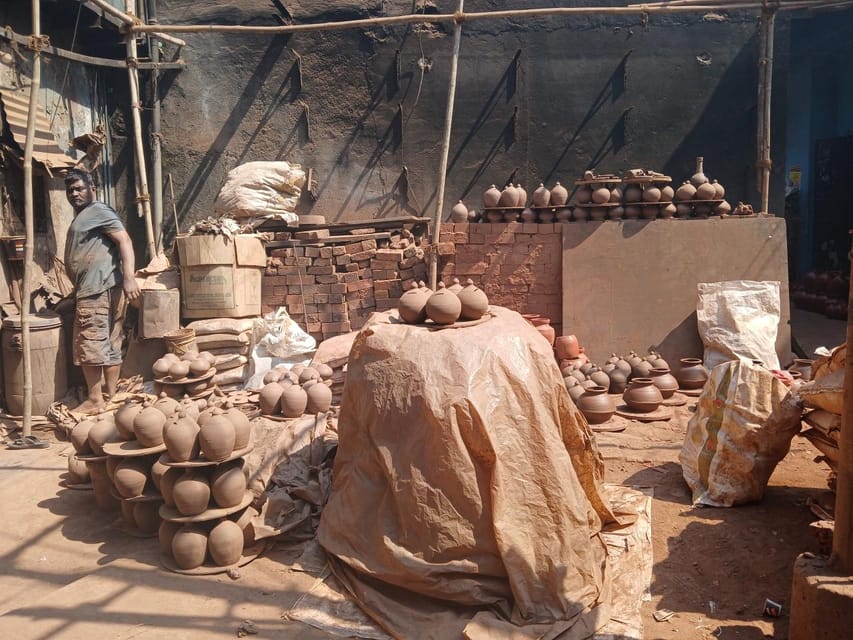
Dharavi is famous in part because of its industries, and this tour tries to show you more than one side. Expect to see recycling work, a leather factory area, garment making, and pottery.
Recycling industries
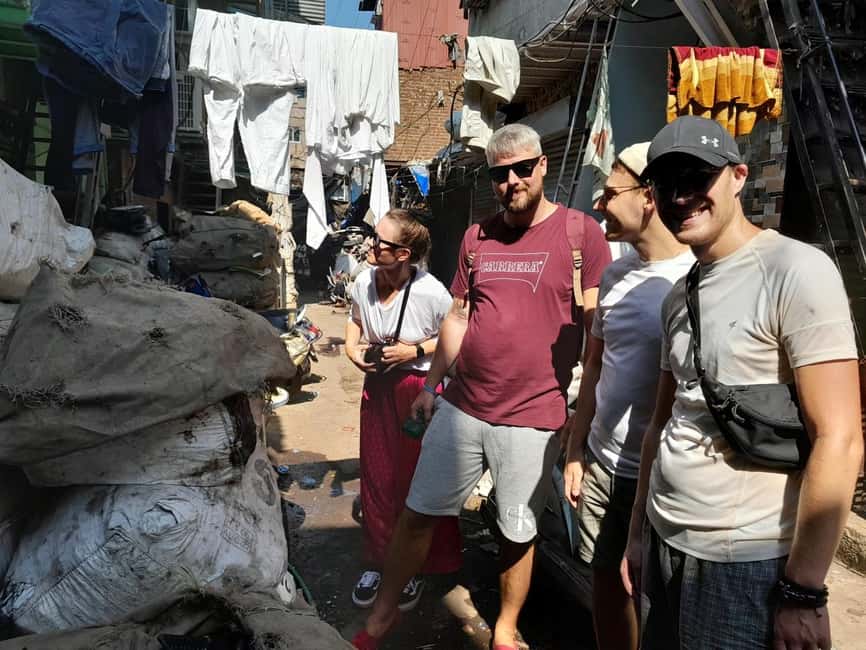
Recycling is usually the first industry many guides emphasize, because it connects directly to materials, sorting, and reuse. You are not just hearing that “recycling happens.” You see why it becomes a system, and why small workshops and trades matter.
Leather manufacturing
The leather portion is often a strong highlight because it shows another level of craft and production. The tour includes it as a specific stop, and your guide ties it to daily work patterns, not just a one-off photo opportunity.
A heads up: you should be ready for sensory intensity. Close quarters plus active work means it can feel busy and practical, not staged.
Garments and production work
Garment making and other production work show up as well. This is where the tour helps you understand that Dharavi’s economy is not only about survival. It’s about repeat work, skills, and steady demand, all happening at close range.
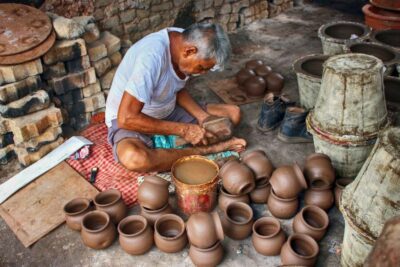
Pottery-making
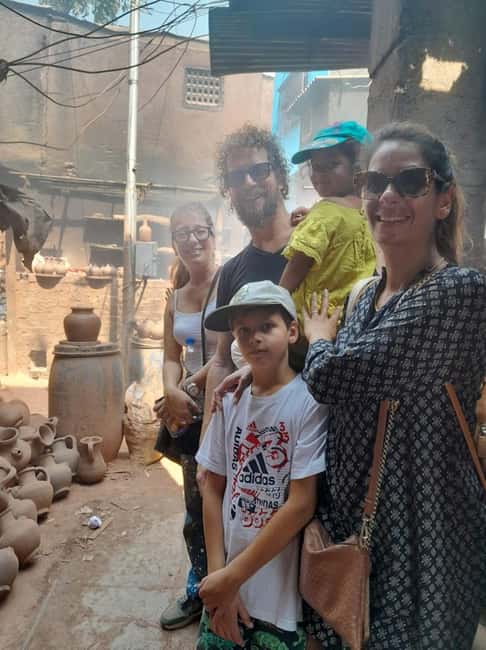
Pottery-making is included too, and it gives you something different after the industrial scenes. If you want a final visual memory that feels handmade and grounded, this stop can deliver that.
Across all these stops, guides often highlight entrepreneurship and the pride locals take in their industries. People are not described as victims of circumstance. They are shown as workers and problem solvers.
Why guides like Shivam and Balaji shape the experience
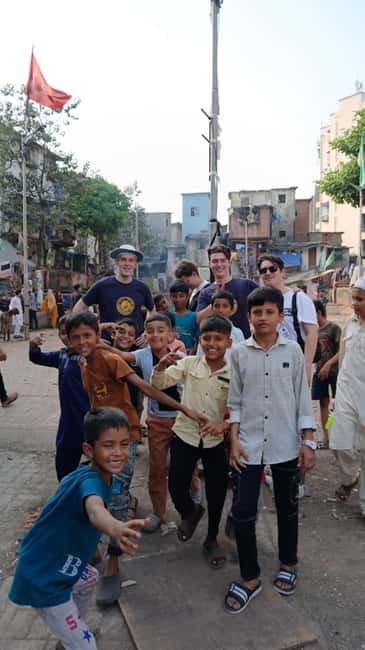
The highest praised aspect of this tour is the way the local guide leads you. The names you might hear in English are often Shivam, Balaji, Hitesh, Raya, Rehana, and Rihanna, with other guides also showing up in the same role.
What stands out across the praise is clarity and calm. Guides are described as patient, friendly, and able to explain what you are seeing in a way that makes sense in real time. English is a key part of that. If you do not want a tour where you constantly struggle to catch meaning, this is a major plus.
There is also an emotional balance many people appreciate. Some visitors start the tour worried about feeling like they are treating residents as a curiosity. A good local guide helps shift that feeling by steering the experience toward work, community routines, and respect.
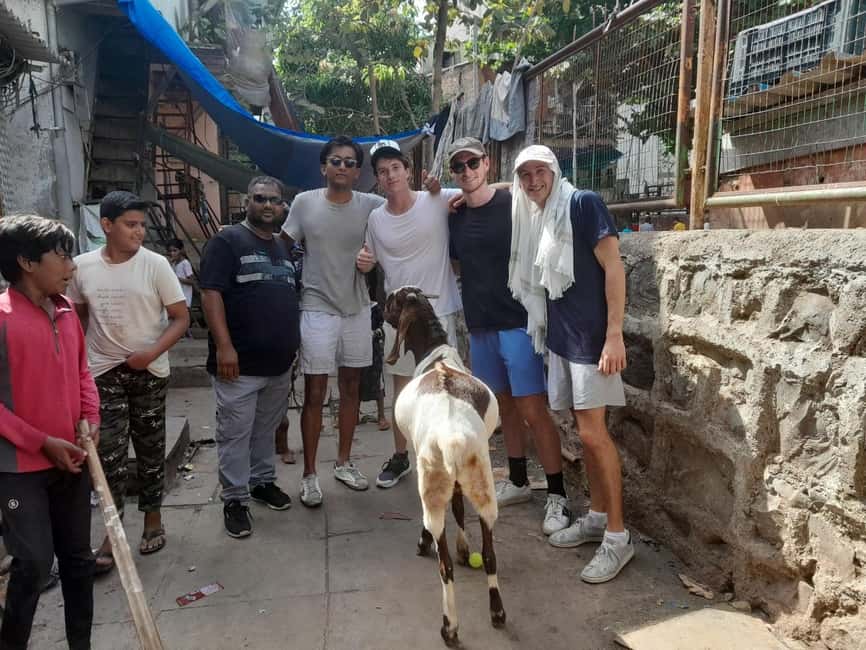
You may even get small, memorable moments that feel like life rather than a scripted presentation. For example, one person described seeing goats and kids playing cricket during the walk. Those kinds of scenes can make Dharavi feel like a neighborhood, not a set.
Dress code, cameras, and respectful behavior
This tour has clear rules, and they are not just “for show.” They help keep the experience dignified and safe in a place that is crowded and active.
Not allowed:
- Short skirts
- Sleeveless shirts
- Professional cameras
- Flash photography
If you want the smoothest experience, dress slightly more covered than you might for a beach day. Comfortable clothing matters because you will walk and you may stop in tight spaces.
On cameras, think of it this way: you are not here to document people without consent. Leave professional gear at home and avoid flash. If you want photos, ask in a way that respects the moment.
Safety, restrooms, and the reality of crowded lanes
The tour is generally described as safe when guided properly, with guides creating a steady flow through narrow spaces. Still, remember you are in a working neighborhood, not an open plaza.
Two practical concerns:
- Restroom facilities may be limited along the route, so plan accordingly.
- Crowded lanes mean you should keep an eye on belongings.
What helped in praise is the sense that guides pay attention to your comfort and timing. Some guides even help with next steps after the tour. One example in the feedback is that a guide assisted people to get local trains back toward Colaba.
That kind of care is not guaranteed in every case, but it matches the overall pattern: the guide is part host, part translator, and part safety lead.
Timing matters: weekdays and Saturday can feel easier
Two hours goes fast, and Dharavi can feel more packed depending on the day. One person noted they toured on a Sunday afternoon and found it crowded because many people have the afternoon off. If you want an easier pace for photos, questions, and moving through lanes, consider aiming for a weekday or Saturday rather than a peak leisure time.
That said, even on busier days, the core value stays the same. You will still see the industries and community life, just with more movement around you.
Who should book, and who should not
This tour fits best if you:
- Want a local-guide experience focused on work and daily life
- Prefer walking and asking questions
- Are comfortable in close quarters and can keep your phone and camera behavior respectful
- Want to understand Dharavi’s role in Mumbai’s economy, not just its reputation
It is not suitable for:
- Wheelchair users
- People who are visually impaired
If you are looking for wide-open viewpoints, this is not that kind of tour. It is close, urban, and people-centered.
Should you book this Dharavi Slum Tour?
Book it if you want a short, low-cost, local-led way to see Dharavi as a working neighborhood. The $6 price plus bottled water plus a real guide makes it a strong value, and the route covers the key areas people care about: homes, markets, school areas, recycling, leather, garments, and pottery.
Skip it if you have limited mobility needs, need step-free access, or require better support for visual navigation. Also skip if you know you will struggle with crowded lanes or if your goal is mainly photos. This tour rewards curiosity, patience, and respectful attention.
If you go with the right mindset, you’ll come away with a different mental picture of Dharavi, one built from industries, community routines, and the people who live there.
FAQ
How long is the Dharavi Slum Tour?
The tour lasts 2 hours.
How much does it cost, and what is included?
The price is $6 per person. It includes a tour guide and bottled water. Snacks are not included.
Where do I meet the guide?
You meet the guide outside Third wave coffee Shop, next to City bank ATM, Mahim station west, opposite the ticket counter. The tour ends back at the meeting point.
What should I bring?
Bring comfortable shoes, a sun hat, sunscreen, and water. Wear weather-appropriate clothing.
Are cameras allowed?
Professional cameras are not allowed. Flash photography is also not allowed.
What kind of clothing is required or restricted?
Short skirts and sleeveless shirts are not allowed.
Is the tour accessible for wheelchair users or visually impaired people?
No. The tour is not suitable for wheelchair users and is not suitable for visually impaired people.
Latest reviews in from Mumbai
- Mumbai Spice Markets and Bazaars Tour with Guide and Transport★ 5.0 · 42 reviews
- Mumbai Dharavi Slum, Dhobi Ghat & Dabbawala Lunchbox Tour★ 5.0 · 43 reviews
- Private Dharavi Slum Tour with Mumbai Sightseeing★ 5.0 · 43 reviews
- Private Guided Tour in Kanheri Cave with Transfers★ 5.0 · 44 reviews
- Private Guided Walking Tour in Dharavi Slums★ 5.0 · 44 reviews
- Mumbai Private Cultural Tour with Lunch and Transport★ 5.0 · 44 reviews
- Unveiling Bollywood: Grand Tour of Iconic Real Sets & Their Story★ 4.5 · 44 reviews
- Bollywood Tour with Original founder★ 4.5 · 44 reviews
Dharavi Tours, compared.
Dharavi slum tour in Mumbai by Female tour guides of the slum
Read our review →
Dharavi Slum Slumdog Millionaire Tour with a Local
Read our review →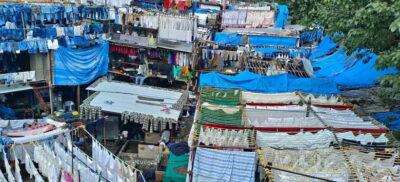
Dhobi Ghat Laundry and Dharavi Slum Tour with Local
Read our review →
Browse the lists this tour appears in