
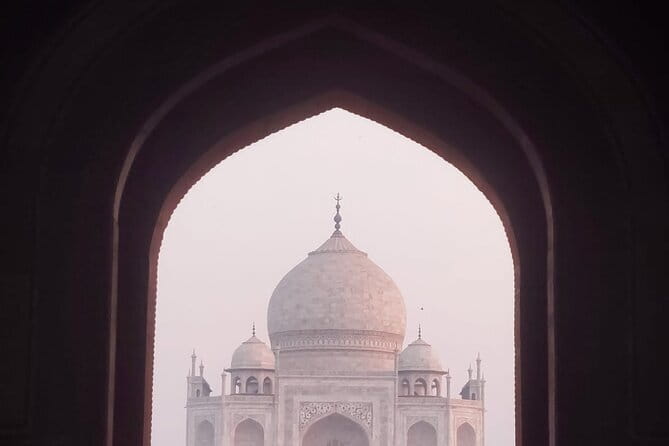
Reviewed · GOLDEN TRIANGLE TOURS
Explore Private Tour The Golden Triangle Done Differently
The Golden Triangle is the classic first-time India route, but this version keeps it human, not rushed. You get a private guide, and the plan is designed to leave room for what you actually want to do, not just what fits a fixed bus schedule.
I especially like two things: the mix of big-name sights with the quieter stops, and the way the guide steers you from history to real daily life, including food choices and local experiences. I also like that you start with Delhi and end in a smooth way, with pickup and handover back to the airport or train.
One thing to consider: lunch and dinner are not included, so you’ll be deciding where and what to eat on most days. That can be a plus if you like control, but if you prefer a fully packaged meal plan, budget time for food and options.
Key highlights worth choosing this tour for
- Private guiding with flexibility, so your wishes can shape the day
- Delhi off-the-radar stops like Lodhi Garden alongside major monuments
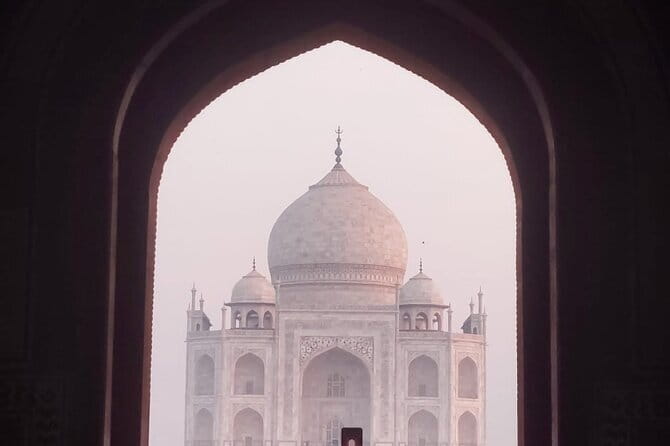
- Agra-area depth, with Baby Taj and the Black Taj added before the main event
- Fatehpur Sikri plus Abhaneri, pairing Mughal power with a dramatic stepwell stop
- Jaipur royal sites and sunset timing, including views tied to the Water Palace
- Breakfast included most mornings, with lunch and dinner handled as local choices
A Golden Triangle route that feels designed around you
If you’ve ever felt like the usual Golden Triangle tour is a checklist in motion, this one aims to slow things down where it counts. The big monuments are there, because that’s what brings most people to India. But the order and the added context help you understand what you’re looking at, instead of just taking photos and moving on.
A big reason this works is the private setup. You’re not competing with another group for the same guide time, and you’re not stuck with one pace. That matters at places like tombs and forts, where the good parts are often in the details: carvings, layout, and the stories behind names.
I also like that the guiding style is described as passionate and attentive, with the guide making sure you’re well taken care of. In practical terms, that usually means smoother transitions, fewer “what do we do now” moments, and better odds you’ll understand why a stop is worth your time.
More Golden Triangle circuits:
- Golden Triangle Tour – Delhi-Agra-Jaipur
★ 5.0 · 73 reviews - 3-Days Golden Triangle’s Private Tour
★ 5.0 · 69 reviews - Private 6-Day Golden Triangle Tour: Delhi, Agra, Jaipur by Car
★ 5.0 · 60 reviews
Price and what you’re really paying for
At $224.71 per person for an approximately 8-day private tour, you’re paying for more than transport and tickets. You’re paying for a guide who can handle the flow of a long route across multiple cities, plus the day-to-day problem solving that makes India travel easier.
This is also a route where private value shows up fast. The Golden Triangle covers major sights across different regions, and you’ll spend a lot of hours in between. When someone is driving and routing intelligently, you lose less time to getting your bearings or waiting around.
A key trade-off is meals. Breakfast is included for 7 mornings, but lunch and dinner are not included. On a day-by-day basis, you’ll likely pay out of pocket for food, though lunch is arranged in transit or at a local venue chosen for you. If you like eating as part of the experience, this can be enjoyable. If you want every cost included, you should factor in a daily food budget.
How pickup, private routing, and timing shape the whole trip
This tour is built around a pickup-first approach. On Day 1 in Delhi, you’re collected from the airport, especially helpful if you’re landing later in the evening. On the final morning, you’re also taken to your onward connection, with transfer to the airport or train.
That structure matters. Delhi arrival days are often chaotic, and getting from the airport to your accommodation without confusion reduces stress right away. It also sets the tone for the rest of the trip, because you’ll start Day 2 feeling like you’re in a travel rhythm instead of still handling logistics.
The tour runs daily, with an operating window listed as 7:00 AM to 9:00 PM, Monday through Sunday. And it’s explicitly private, so only your group participates. That is one reason the tour can feel flexible rather than template-driven.
You’ll also see that ticket handling is mixed. Some stops include admission tickets, while others are free. That’s normal for India, but it does mean your days will have a slightly different mix of official entry steps and walk-ins.
Where you’ll stay: the Delhi baseline and the upgrade option
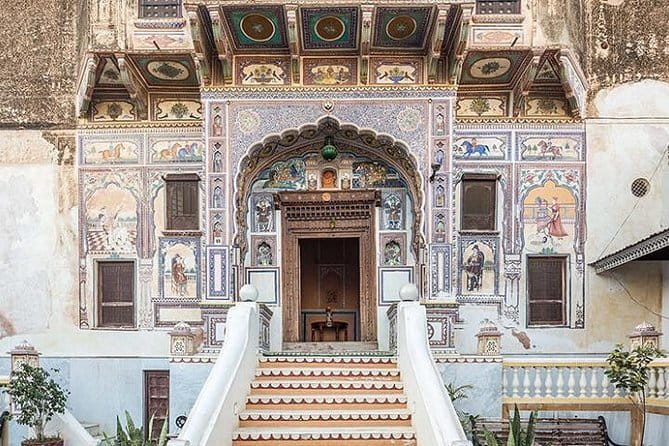
The tour uses Red Fox in Delhi as the base-level accommodation, described as a minimum standard. If you want a step up, it can be negotiated.
That’s useful information because Delhi hotels can vary wildly in comfort, location, and experience. Knowing there’s an upgrade path helps you decide if you want to keep costs steady or pay a bit more for a more pleasant sleep and easier daily routines.
Line these Jaipur options up side by side
- Jaipur: Private Full Day Sightseeing Tour By Car with Guide
★ 4.9 · 1,839 reviews - 3-Hour Morning Bike Tour of Jaipur
★ 5.0 · 1,253 reviews - Jaipur: Private Full-Day Sightseeing Tour by Tuk-Tuk
★ 4.8 · 573 reviews - Jaipur: Full-Day City Tour with Car, Guide & Skip-the-Line
★ 4.8 · 512 reviews
Day 1 in Delhi: landing calmly, then getting oriented
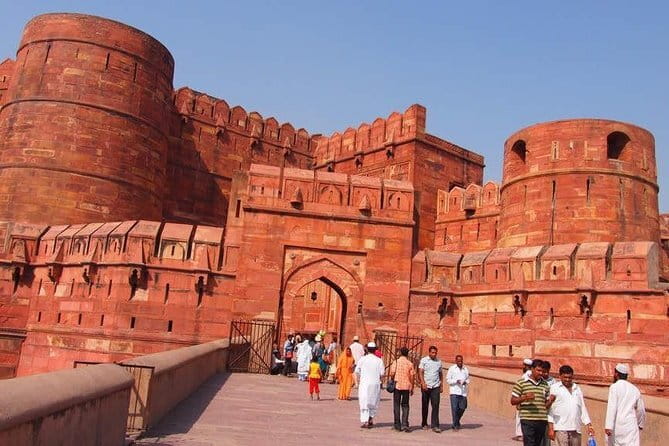
Day 1 is all about the airport arrival and the early easing in. If you’re arriving from Australia or another long-haul route, the plan assumes evening arrival and handles pickup accordingly. You then drive to your Delhi accommodation.
This day is short on attractions on purpose. It’s a practical choice, because rushing into monuments after a flight usually turns into fatigue and missed details. You’ll start the next day ready to move.
Also note how the tour language emphasizes being well taken care of. For many first-time visitors, that’s exactly what you want on Day 1: a smooth handoff, not an improvisation session.
Day 2 in Delhi: Lodhi Garden, Lotus Temple, Humayun’s Tomb
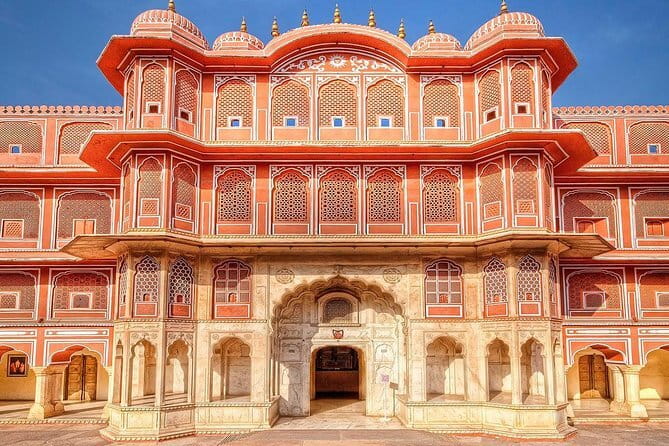
Delhi Day 2 mixes greenery, spiritual architecture, and Mughal-era grandeur. It’s a good balance because it gives you contrast fast.
Lodhi Garden: the quiet green break
Lodhi Garden is described as a well kept secret, with 90 acres of lush green inside the city. This stop works as a “reset” moment. You walk among gardens and tomb-like architecture in a calmer environment than the typical monument rush.
If you’re visiting in warmer seasons, you’ll likely appreciate this as a less intense opening. It’s also a smart way to start understanding Delhi beyond traffic and traffic noise.
Lotus Temple: modern architecture with an all-faith welcome
Next is the Lotus Temple, known as a Baha’i temple. It’s an architectural beauty, and it explicitly welcomes people of all faiths. Even if you’re not religious, you’ll likely enjoy it for the geometry and the atmosphere.
Humayun’s Tomb: the Mughal template
Humayun’s Tomb is a key stop because it’s tied to the Mughal story and built in the 1500s. You’ll see red sandstone and marble, plus gardens that help you understand the layout thinking of the era.
This is also the sort of place where a guide really matters. The value isn’t only the photos, it’s how you learn what you’re looking at and why the site is considered important.
Possible drawback to keep in mind: this is a lot of stepping around in one day, including two major temple or tomb visits. If you want a slower pace, tell your guide early so they can adjust breaks and timing.
Day 3: Baby Taj and the Black Taj myth versus truth
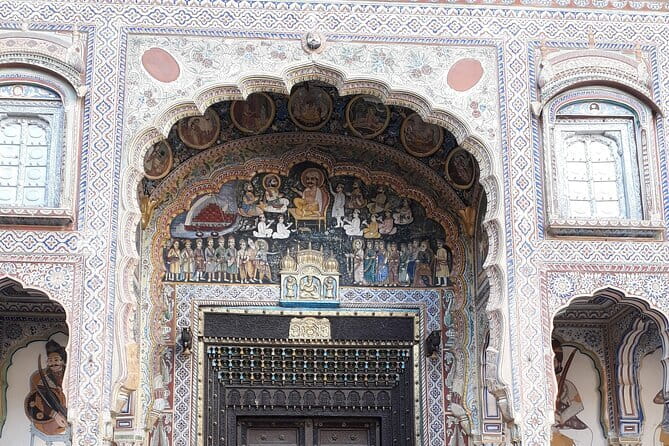
Day 3 is where this tour starts to feel more thoughtful. Instead of going straight to the biggest headline, you build context first.
Tomb of Itimad-ud-Daulah, often called the Baby Taj
This tomb is frequently compared to the Taj Mahal, and it’s described as a kind of draft of it. Built in 1626 to 1628 at the request of his widow, it’s marble with carvings that some suggest are even better than the Taj.
That comparison matters because it changes how you view the Taj later. If you see the earlier refinement first, the Taj becomes less of a shock-and-awe moment and more of an evolution you can spot.
Black Taj: myth and the gardens across the river
Then you go to the Black Taj, also known as the Tomb of Shah Nawaz Khan. The key point here is that there are both myth and truth tied to it, and the guide will explain both so you can decide what seems accurate.
This kind of guided storytelling is one of the tour’s strongest reasons to choose a private format. If you just walk in without context, you may miss why locals debate the name.
Day 4 in the Agra area: Taj Mahal with a specific photo spot
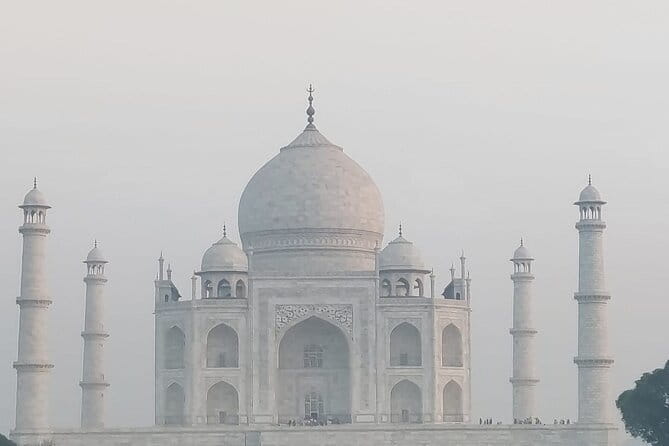
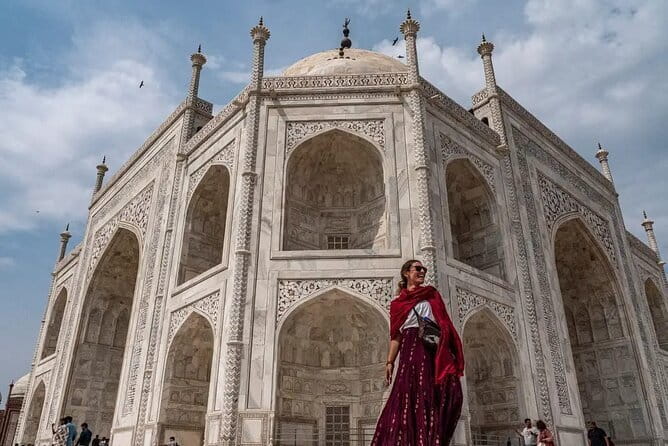
Day 4 is the big one, the Taj Mahal. It’s listed with a photo stop at something called the Diana seat, plus time to enjoy the monument of love.
A practical tip here: the best moments at the Taj often happen before you start rushing. If your guide can help you pace the visit, you’ll get a better sequence of viewing angles and better photos without feeling like you’re constantly moving.
The Taj Mahal is described as commissioned by Shah Jahan for his wife Mumtaz Mahal. Having that core story in your head helps the details make more sense. The white marble, the symmetry, and the overall design feel less abstract when you connect it to the people behind the monument.
Day 5: Fatehpur Sikri and Abhaneri, Mughal power plus a stepwell stop
Day 5 adds variety by pairing Fatehpur Sikri with Abhaneri.
Fatehpur Sikri: the Victory gate and Jodha Bai’s Palace
You start at Fatehpur Sikri and focus on the Victory gate, commissioned after victory in Gujarat in the late 1500s. That’s a good opening because it instantly frames the site as political power, not just architecture.
Then you visit Jodha Bai’s Palace, the largest palace in Fatehpur Sikri. It’s described as a fusion of Hindu and Persian architecture, built of red sandstone in 1569.
This is the kind of stop where the guide’s role really shows. You want someone to connect the architectural mix to the broader Mughal world, otherwise it can look like impressive shapes with no meaning.
Abhaneri: an 8th century stepwell in a short window
Finally, you head to Abhaneri, described as an 8th century stepwell. You get about 30 minutes. It’s listed as the finest example of this type of structure in Rajasthan.
Short stops can feel rushed, but for a stepwell, 30 minutes is often enough if you know what to look for. If you’re the type who likes structure and engineering details, this one is likely to stick in your memory.
Day 6 in Jaipur: Monkey Temple, royal cenotaphs, and time for your wish list
Day 6 shifts fully into Rajasthan energy. You start with Galtaji Temple, then move to royal cenotaphs, and end with time in Jaipur for hidden things and shopping or items made in local ways.
Galtaji Temple, also called the Monkey Temple
Galtaji is described as the Monkey Temple, and spring waters flow through narrow crevices into pools and water tanks where pilgrims bathe. Temples honor this sacred water flow.
This stop is memorable because it’s not only about architecture. It’s about behavior, ritual, and how water becomes the center of meaning. Also, if you enjoy watching real life, this is one of those places where people are doing what the site is for.
Gaitore Ki Chhatriyan: royal cenotaphs
Next is Gaitore Ki Chhatriyan, the cenotaph for royal kings and queens of Jaipur. It’s an hour, with admission included, and it fits well after Galtaji because it’s still sacred space, just in a royal context.
Jaipur time for what you want
This afternoon is designed for personal goals: hidden things, wish list items, and exploring how something is made. You also get a free window, which matters because Jaipur shopping can consume hours quickly.
If you tell your guide what you want to buy or see, you can make that time efficient. A private guide helps here because they can steer you away from tourist traps and toward everyday craft rhythms.
Day 7 in Jaipur: City Palace, the Water Palace, Amber Fort, then shopping and relax time
Day 7 is a full Jaipur day, with royal sites plus the iconic fort.
City Palace of Jaipur: inside the royal story
You visit the City Palace, described simply as beautiful, with admission included for about 2 hours. City Palace is the kind of stop where you’re surrounded by the idea of rule and ceremony, and it’s more than one photo spot.
If you like museums or palace rooms, this is worth your time. If you dislike slow indoor pacing, ask for a pace that keeps you moving.
Water Palace: sunset or lunch views
Then you go to the Water Palace, described as the summer residence for the Jaipur Royal family. You’ll see it while having lunch or watching the sunset, depending on the day’s rhythm.
That flexible timing is smart. Rajasthan light is different at golden hour, and a sunset moment turns a normal sightseeing stop into a scene you remember.
Amber Fort: gates, ramparts, and cobbled streets
Next is Amber Fort. You get about 2 hours. It’s described as having large ramparts, several gates, and cobbled streets.
Amber Fort can be tiring, especially if you’re climbing and navigating crowds. That’s why the moderate physical fitness note in the tour description is relevant. Still, if you pace it well, Amber is exactly the kind of sight that makes Jaipur feel like a different world from Delhi.
Finish with shopping and a breather
Then you get 3 hours of shopping and relaxing in Jaipur. This is a good buffer. It means you’re not forced to wrap the trip with more walking right away.
Day 8: a leisurely morning, then transfer out
Day 8 is designed to prevent the classic last-day scramble. You have time for a leisurely breakfast and check out. Then you transfer to your journey home or to your next adventure.
This kind of ending helps you keep your trip feeling like a trip, not an exhausting march. If you’re flying out later, you’ll likely appreciate the calmer pace.
What I think this tour does especially well
If I had to summarize the experience in practical travel terms, it’s the combination of private guiding and an itinerary that mixes headline monuments with less obvious stops.
From the way the guide is described, Raju seems to focus on safety, punctuality, and making you feel cared for. That’s not just nice, it’s operational value. In cities like Delhi and Jaipur, where traffic can feel intense, having an excellent driver and a guide who knows the routes reduces stress fast.
Another praised aspect is responsiveness, including the ability to accommodate what you want to see. When the day includes time for your wish list, that flexibility turns the trip into something more personal.
Food is also treated as part of the experience. Breakfast is included, while lunch and dinner are not, but lunch is arranged at local venues or in transit. The tour also frames dinner as a chance for a different experience each night, which is a good way to encourage you to try local places instead of repeating the hotel restaurant.
Practical advice so you enjoy every day more
Pack smart for a long route. You’ll move between multiple stops, and some days include indoor sites and outdoor walking. Wear comfortable shoes for tombs and forts, and plan for sun exposure on open stone sites.
Since lunch and dinner are not included, you should decide how you want to approach meals. If you’re picky, tell your guide early so they can select venues that fit your preferences. If you’re flexible, lean into local food, because part of what makes India special is how regional meals change from city to city.
Also, expect that some sites come with myths, legends, and local debates. The Black Taj stop is framed as myth and truth. Go with curiosity, and let your guide’s explanations shape how you interpret what you see.
Should you book this Golden Triangle done differently?
Book this tour if you want a private Golden Triangle that balances major sights with quieter, more contextual stops. You’ll likely enjoy it most if you like guided storytelling, want help handling the route between cities, and appreciate having time carved out for shopping or personal wish list items in Jaipur.
I would hesitate if you want every meal included or if you dislike long days with a mix of walking and monument time. The structure assumes you’ll manage lunch and dinner choices yourself, even if the guide helps recommend and arrange where possible.
If you want the big landmarks plus extra meaning, and you’re happy to travel with one guide who can adapt as you go, this is a strong value way to do the classic Golden Triangle route.
FAQ
Is this a private tour or a group tour?
This is a private tour, and only your group will participate.
What is included in the tour price for meals?
Breakfast is included for 7 mornings. Lunch and dinner are not included, and lunch may be in transit or at a local venue chosen for you.
Do I get pickup from my hotel or from the airport?
Pickup is offered. On Day 1 in Delhi, the plan includes airport collection, and you can also be collected if you are arriving from another tour based on a suitable meeting place.
Which attractions include admission tickets?
Some stops include admission tickets and some are free. For example, Lotus Temple and Humayun’s Tomb include admissions, while Lodhi Garden and Fatehpur Sikri are listed as free stops.
How long is the tour?
The duration is approximately 8 days.
Is the tour physically demanding?
The tour suggests travelers should have a moderate physical fitness level. You will be walking through large sites like forts and tomb areas.
Latest reviews in from Jaipur
- Private Rajasthan Heritage Triangle Tour – Jaipur Jodhpur Udaipur★ 5.0 · 16 reviews
- Jaipur to Agra Day Tour Including Taj Mahal and Fatehpur Sikri★ 5.0 · 16 reviews
- Jaipur to Jhalana Leopard reserve Private Day Trip All Inclusive★ 5.0 · 16 reviews
- Day Trip to The Taj Mahal and Agra from Jaipur★ 4.5 · 16 reviews
- Yoga in Jaipur with Amit (Yogi on Travel)★ 5.0 · 17 reviews
- Namaste Bollywood | Dance Like a Bollywood Star★ 5.0 · 17 reviews
- Kitchen is Yours Cooking class in Jaipur with Pickup & Drop★ 5.0 · 17 reviews
- Jaipur Private Sightseeing Tour with Car and Guide★ 5.0 · 17 reviews
Golden Triangle Tours, compared.
3-Days Private Golden Triangle Tour: Delhi, Agra & Jaipur by Car
Read our review →
3-Day Delhi, Agra and Jaipur Private Tour – India Golden Triangle
Read our review →
Four-Day Private Luxury Golden Triangle Tour to Agra and Jaipur From New Delhi
Read our review →
5 Nights 6 Days Private Golden Triangle Tour – Delhi Agra Jaipur
Read our review →

Private Car and Drive for Golden Triangle (4N/5D)
Read our review →
Private Golden Triangle Tour Delhi Agra Jaipur ( Top Rated )
Read our review →
3-Day Private Luxury Golden Triangle Tour to Agra and Jaipur From New Delhi
Read our review →Browse the lists this tour appears in