
Reviewed · COOKING CLASSES
Kitchen is Yours Cooking class in Jaipur with Pickup & Drop
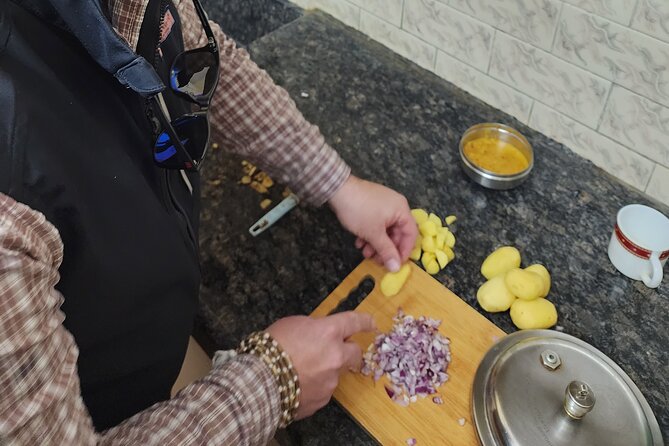
If you want Jaipur that is not about temples on a schedule, a cooking class in a local home is a smart way to get under the skin of everyday Indian life. You get taught classic dishes, you cook them yourself, and you eat what you make, all in about 3 hours.
I especially like the hands-on part. You are not just watching, you are making items like chapati (roti), dal, seasonal vegetables, paneer sabji, and desserts like kheer and halwa. I also like that the hosts welcome you with a traditional drink, then explain the kitchen and how different Indian cuisines work.
One thing to consider is that the experience depends on good weather. If weather is poor, you may be offered a different date or a full refund, so keep your schedule flexible if you can.
Key highlights at a glance
- Home-based welcome with a traditional drink before you cook
- Hands-on menu covering roti, dal, paneer sabji, and seasonal vegetables
- Dessert and chai lessons including kheer, halwa, and masala tea
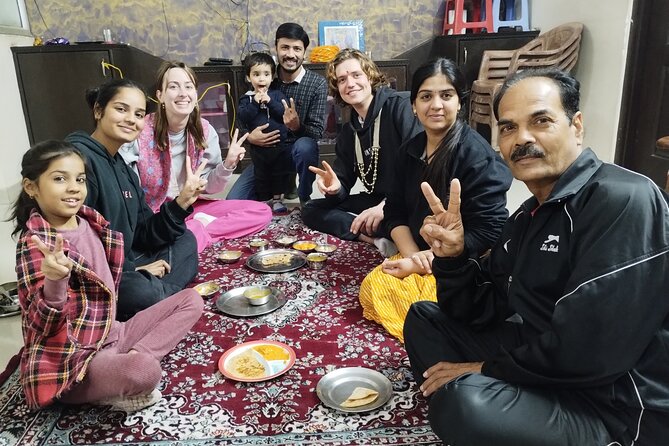
- Eat what you make with included lunch and dinner
- Small group up to 6 people, private for your group
- Pickup and drop included, so you spend less time figuring out logistics
A Jaipur cooking class that feels personal, not performative
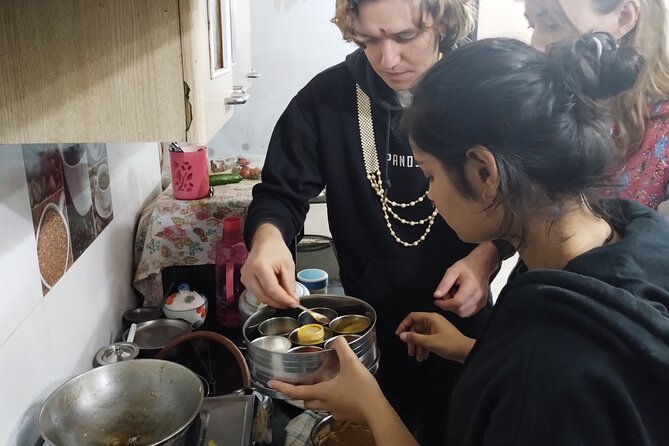
This is the kind of activity that makes Jaipur feel human. Instead of just sampling food at random spots, you learn why certain ingredients work together, then you build the dishes yourself. The setting is a real home kitchen, which matters because Indian cooking is often about comfort, timing, and small techniques you only learn by doing.
The format also keeps it practical. You will spend the 3-hour window actually cooking, not waiting around. And because it is private for your group and capped at a maximum of 6 people, you are more likely to get direct help when your dough sticks or your dal needs a bit more simmer time.
One extra plus, based on the hosting style described, is how welcoming it feels. In one write-up, the hosts were Rohit and his mum, and the experience was described as being taught multiple recipes in their home, then eating everything at the end. That combination is the whole point: friendly teaching plus a satisfying meal.
More Cooking Classes in Jaipur
- Pink City Cooking Class
★ 5.0 · 452 reviews - Jaipur Market Tour & Vegetarian Rajasthani Home Cooking Class
★ 5.0 · 113 reviews - Cooking Class in Jaipur – Family Experience with Meal & Transport
★ 5.0 · 101 reviews
Pickup, timing, and the reality check on a 3-hour class
The duration is about 3 hours, which is a good length for learning without feeling rushed or exhausted. You should plan around the idea that you will be active the whole time: chopping, mixing, cooking, tasting, and adjusting. If you are the kind of person who likes to watch one step before touching anything, ask questions early and take your cues from the host.
Pickup and drop are included, and that is more than a convenience. In Jaipur, traffic and distance can turn a short experience into a long day. Here, you can treat it like a focused food lesson and still keep your afternoon or evening free.
The class runs during broad hours from 10:00 AM to 7:00 PM, Monday through Sunday. If you are choosing a time, I generally suggest going earlier in the day when you are less likely to be hungry and impatient, and when cooking smells and flavors feel extra motivating.
Welcome drinks and the kitchen briefing that sets you up to succeed
You start at the home with a traditional drink such as chai or lemon water. This might sound simple, but it is a nice ritual and a low-pressure introduction. It also signals how the session will work: food first, questions welcome, and you learn by connecting ingredients to taste.
Next, you get introduced to an Indian kitchen and briefed on different types of Indian cuisine. That matters because many cooking classes focus only on steps. Here, the context helps you understand why you might be using certain spices for dal versus a different approach for paneer or chapati.
Then you get the main structure of what you will cook. The menu can vary by season, but you can expect a mix of breads, savory mains, and desserts. The goal is not just to name dishes, it is to get you comfortable with the building blocks.
Cooking chapati and vegetables, the everyday skills that travel well
Chapati (roti) is one of those dishes that looks straightforward, then punishes you for rushing. In a class like this, you get the chance to learn the basics of rolling and cooking it properly. Even if your first attempt is a little uneven, that is part of the learning curve, and you will have the host there to correct technique.
You also learn seasonal vegetable dishes. The value here is big. Indian cooking often changes with what is fresh and available, and a seasonal-vegetable lesson teaches you how to think, not just what to cook. You learn how spices behave with different vegetables and how cooking time affects texture.
A practical tip for you: when you cook at home later, focus on heat control and timing. Chapati needs consistent heat, and vegetables need the right moment to stay tender, not mushy. If your spice mix feels different at home, that is normal due to spice freshness. The technique is the transferable part.
A different shape of Jaipur day:
- Jaipur: Private Full Day Sightseeing Tour By Car with Guide
★ 4.9 · 1,839 reviews - 3-Hour Morning Bike Tour of Jaipur
★ 5.0 · 1,253 reviews - Jaipur: Private Full-Day Sightseeing Tour by Tuk-Tuk
★ 4.8 · 573 reviews - Jaipur: Full-Day City Tour with Car, Guide & Skip-the-Line
★ 4.8 · 512 reviews
Dal and paneer sabji, two flavor systems you’ll remember
Dal (lentils) is a cornerstone of Indian meals. You will learn how to prepare dal, which gives you a base you can reuse for years. Dal teaches you balance: thickness versus looseness, spice level, and how simmering develops flavor.
Then comes paneer sabji and another lesson worth paying attention to. Paneer is forgiving in one way, tricky in another. It absorbs flavor well, but it also can turn rubbery if cooked too long. So when you learn paneer here, you are not only learning a recipe, you are learning how to handle a common ingredient in Indian vegetarian cooking.
What I like about pairing these two is that they teach contrast. Dal is liquid and simmered, paneer is more controlled and often cooked with a sauce or masala. After the class, you should be able to choose the right method for different ingredients instead of copying steps blindly.
Masala tea and the small steps that make it taste right
Learning masala tea (chai) is a fun highlight because tea is such a daily ritual in India. You will learn how to make it as part of the class, not as an afterthought. The way chai tastes depends on how you balance tea, milk, and spices.
Even if you already make tea at home, this lesson can help you level up. The best part is that chai gives instant feedback. You can taste as you go, adjust sweetness, and get a feel for how spice intensity changes as the tea simmers.
For planning: if you love tea, consider tasting during the process instead of saving it all for the end. That helps you notice what changes with each adjustment.
Kheer and halwa, desserts that prove Indian sweets are real cooking
The dessert section is not only about sugar. You can learn kheer (rice pudding) and halwa (semolina pudding). These desserts are techniques and textures, not just recipes.
Kheer teaches patience. It needs time, and the texture gets smoother as it cooks and thickens. Halwa teaches heat management and how to toast and mix ingredients so it doesn’t end up bland or dry.
If you are worried you will feel too full after savoury dishes, you will still have the chance to enjoy dessert because the meal is part of the experience. The structure is: cook your dishes, then eat. That makes it easier to stay focused during the work.
Eating what you cooked, plus lunch and dinner included
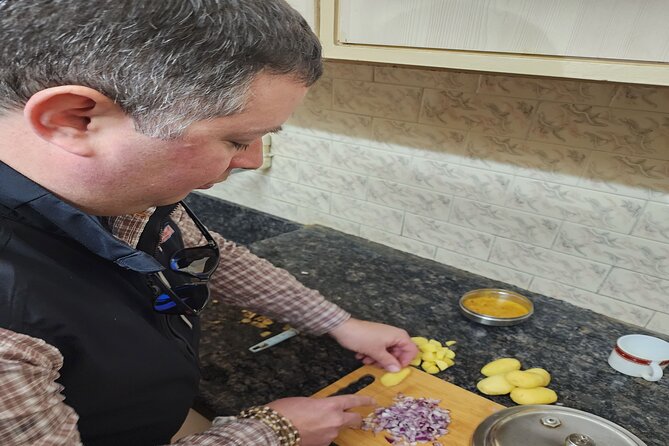
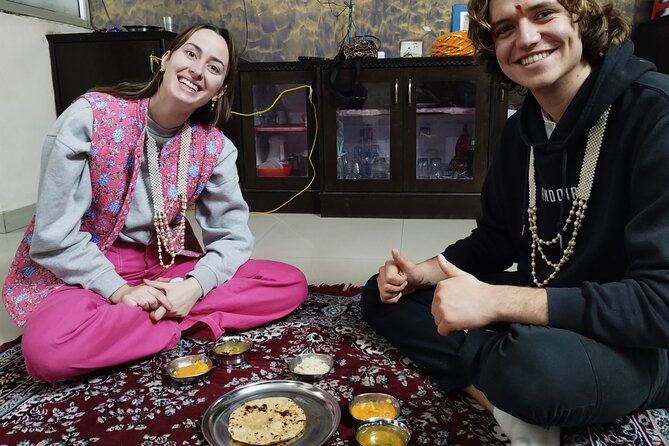
This class includes lunch and dinner. You also get coffee and/or tea. That matters because many cooking classes end with snacks, not a real meal. Here, you should expect an actual eating experience, with the benefit of tasting your own work.
The fact that you eat everything at the end also changes the learning dynamic. You can cook a dish, then immediately taste it with guidance in mind. If something is off, you get the chance to understand what the host would change next time.
A quick note for you: come hungry but not starving. If you arrive overly hungry, you might snack too much before cooking starts. If you arrive too full, you might feel distracted. The best strategy is to eat normally before pickup, then let this meal be the main event.
Group size, privacy, and how this affects your learning
The class is private, with a maximum of 6 people. That small size is practical. You do not spend time competing for attention, and you are more likely to get hands-on help with your specific mistakes.
It also helps with comfort in a home environment. Cooking involves mess, heat, and close quarters. A small group keeps things manageable and keeps you from feeling like you are in the middle of a crowd.
If you are traveling solo, this can still work well because you are part of a group capped at 6. If you are a family, the private setup is usually better than a large shared tour.
What to ask before you book, so the class fits your needs
The info provided says the menu may vary based on season, and you should advise allergies or dietary restrictions or cooking preferences at booking. That is the correct move because the class is structured around specific dishes.
If you have dietary needs, ask directly what can be adjusted. The experience data does not promise a tailored menu for all restrictions, so it is smart to confirm before you arrive.
Also, if you have strong spice preferences, tell them. Indian cooking can range from mild to fiery, and it is easier for the host to adjust early than to fix it after your dish is already cooked.
Price and value: why about $31 feels fair for a home-cooked lesson
At about $31.77 per person, the value comes from what you get, not just the price number. You are paying for a private home-based teaching session, pickup and drop transport, a full cooking class, and included meals: lunch and dinner. That bundle is what makes it feel reasonable.
For reference in your planning, many food experiences in cities cost money for a meal or for a tour. Here, you get both, plus you leave with skills: roti basics, dal method, paneer handling, dessert techniques, and masala tea.
If you want to cook Indian food after your trip, this is the kind of activity that can repay itself. One successful attempt at home, especially with chai or a dal base, can justify the cost fast.
Weather, mobile ticket, and the realistic logistics checklist
The experience requires good weather. That is not unusual for some activities with outdoor elements or travel patterns, but it is worth noting so you do not stack your plans too tightly.
You receive a mobile ticket, and pickup is available, with near public transportation also mentioned. Translation: even if your timing shifts slightly, you are unlikely to be totally stranded.
Bring a normal travel day mindset: comfortable clothes for cooking, and an appetite for spices and tasting. You will be standing, stirring, and learning by doing.
Should you book this Jaipur cooking class?
Book it if you want a hands-on Indian food lesson in Jaipur that also includes a real sit-down meal. This is especially worth it if you care about practical skills: chapati technique, dal and paneer cooking, chai, plus two dessert styles.
Skip it if you only want sightseeing or if you dislike cooking activities and prefer purely observational experiences. Also, if your schedule is fixed and you cannot handle a weather-related date change, keep that risk in mind since the experience depends on good weather.
If you like learning through making and you want Jaipur to taste like something you can recreate, this is a strong choice. The combination of small group size, home hosting, and cooking plus eating is exactly the kind of value that sticks with you long after you leave.
FAQ
How long is the cooking class?
It runs for about 3 hours.
What is included in the price?
You get the cooking class, lunch and dinner, coffee and/or tea, pickup and drop off transport, and all fees and taxes.
Does the experience include transport?
Yes. Pickup and drop off are included.
What dishes will I learn to cook?
You can learn items like chapati (roti), seasonal vegetable dishes, dal (lentils), paneer sabji, kheer (rice pudding), halwa (semolina pudding), dal and baati, and masala tea (chai). The exact menu may vary by season.
Will I eat the food I cook?
Yes. After the class, you eat the dishes you made.
Is it private, or will I be with other groups?
It is private. Only your group participates, with a maximum of 6 travelers.
What if I have dietary restrictions or allergies?
You should advise the provider at the time of booking. The activity notes that restrictions should be shared when reserving.
Is the menu the same every day?
No. The menu may vary depending on the season.
What if the weather is poor?
The experience requires good weather. If it is canceled due to poor weather, you will be offered a different date or a full refund.
What is the cancellation policy?
You can cancel for free up to 24 hours in advance for a full refund. If you cancel less than 24 hours before the start time, the amount you paid is not refunded.
Latest reviews in from Jaipur
- Private Rajasthan Heritage Triangle Tour – Jaipur Jodhpur Udaipur★ 5.0 · 16 reviews
- Jaipur to Agra Day Tour Including Taj Mahal and Fatehpur Sikri★ 5.0 · 16 reviews
- Jaipur to Jhalana Leopard reserve Private Day Trip All Inclusive★ 5.0 · 16 reviews
- Day Trip to The Taj Mahal and Agra from Jaipur★ 4.5 · 16 reviews
- Yoga in Jaipur with Amit (Yogi on Travel)★ 5.0 · 17 reviews
- Namaste Bollywood | Dance Like a Bollywood Star★ 5.0 · 17 reviews
- Jaipur Private Sightseeing Tour with Car and Guide★ 5.0 · 17 reviews
- Golden Triangle Tour by an AC private cab at disposal for 5 Days★ 5.0 · 17 reviews
Cooking Classes, compared.
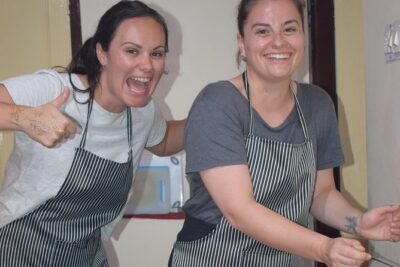

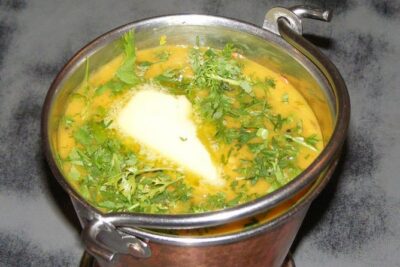
Veg and Non veg : Private Cooking Class in Delhi home (7 meal)
Read our review →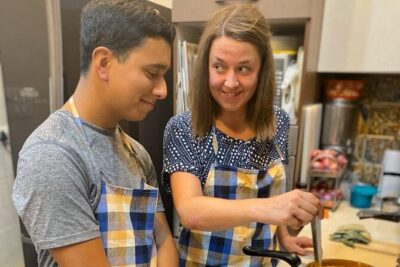
Indian Cooking Class in an Authentic Local Home – Learn 6 Dishes
Read our review →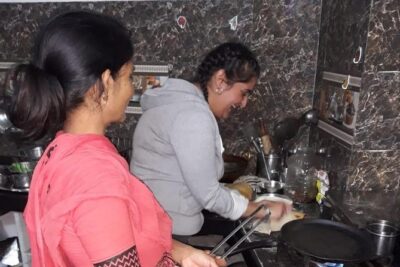
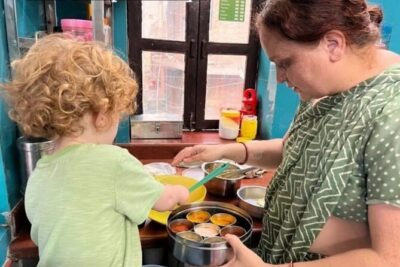
Private Guided Cooking Workshop Experience in Jodhphur
Read our review →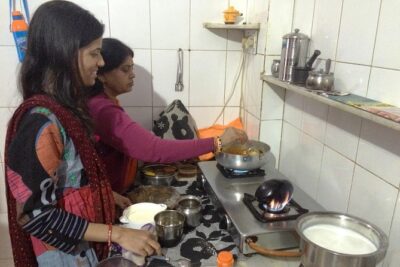
Jaipur Market Tour & Vegetarian Rajasthani Home Cooking Class
Read our review →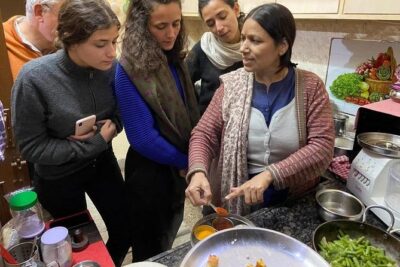
Cooking Class in Jaipur – Family Experience with Meal & Transport
Read our review →Browse the lists this tour appears in