
Reviewed · DHARAVI TOURS
Dharavi Slum Tour in Mumbai
Dharavi is one of those Mumbai places that most people think they understand, but a good tour changes that fast, by showing real work and real community inside a neighborhood made famous on screen. This experience is interesting because you do it on foot with Dharavi resident guidance and get explanations that go beyond the headlines.
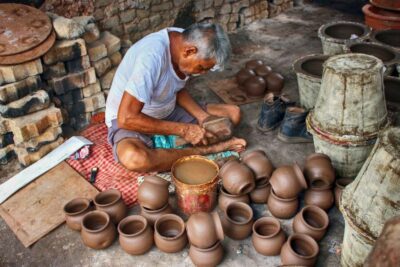
What I like most is the guide setup. You are led by a college student living in Dharavi, and the tone tends to be calm, curious, and question-friendly, with names like Rajesh, Samir, and Anton coming up often. I also like how the walk is tied to daily production, where you see small-scale industry such as plastic recycling, metal work, pottery, and even soap production, plus stops that help you understand community life.
One consideration is that this is not a casual stroll in wide streets. You’ll need a modest, respectful dress (shoulders and knees covered) and a moderate comfort with uneven, tight lanes and steady walking for about 2 hours, sometimes stretching closer to 2 to 3 hours.
Key things to know before you go
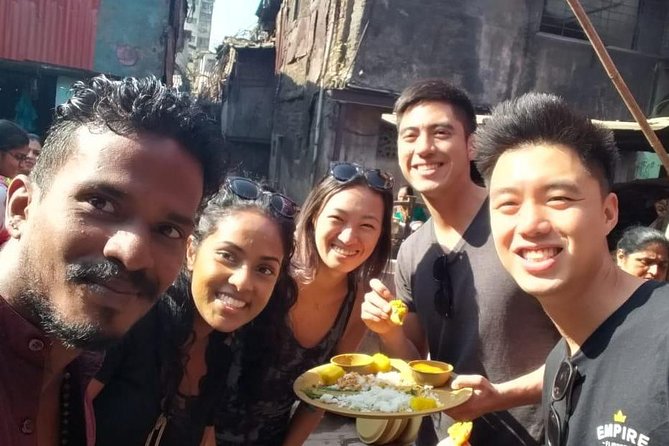
- Resident college student guides help you connect the dots between work, daily life, and local challenges.
- A walking tour through both working and residential areas keeps the story grounded in what people actually do.
- Start at Mahim Railway Station and use nearby public transit, which makes it easier to fit into a Mumbai day.
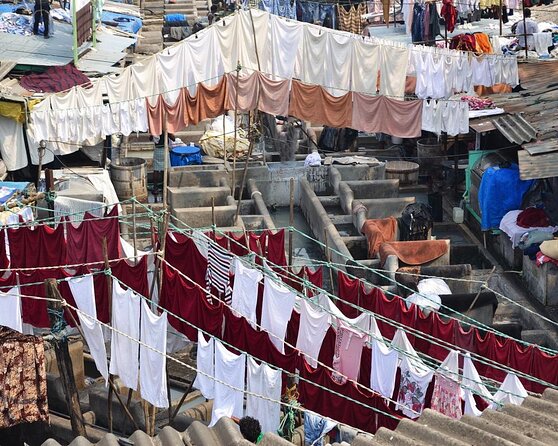
- You’ll see local industry in action, including plastic and metal recycling, pottery, and soap production.
- Community stops include local schools and churches, with sensitive commentary meant to be respectful.
- Small group size matters here, with a maximum of 2 travelers, plus the option to join a group or book privately.
Why Dharavi feels different when you’re not just passing through
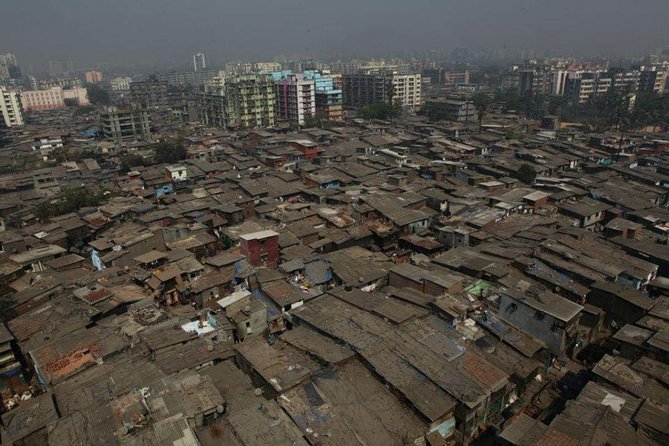
A lot of Mumbai experiences are about monuments, views, and big-name sights. This one is different. You come to understand a place by walking its lanes and seeing how people make a living, where the story is not abstract and not staged.
The best tours here keep their focus on day-to-day reality. You are not only looking at buildings or seeing poverty, you’re watching work processes and listening to context that explains the pressures residents face, and why the neighborhood has its own economic engine. Even the film connection, Slumdog Millionaire, is mostly a doorway, a way to get your attention before the tour turns to the human scale.
I also appreciate the pacing. It is designed to be a guided walking experience, about 2 hours, with enough time to ask questions and get clear explanations without turning it into a sprint. The small group size helps a lot with that.
Other Dharavi walks:
- Dharavi slum tour in Mumbai by Female tour guides of the slum
★ 5.0 · 1,976 reviews - Mumbai: Dharavi Slum, DhobiGhat, and Dabbawallas Tour
★ 4.9 · 689 reviews - Dharavi Slum Tour
★ 5.0 · 625 reviews
Who your guide is and why it changes the whole tone
The big reason this tour works is the guide. You’ll travel with a college student who lives in Dharavi, and they’re guiding as part of their studies. That matters because you are not getting a lecture from someone who has only heard the neighborhood secondhand.
Across the guide stories that get shared most often, the common threads are comfort and responsiveness. People describe feeling at ease, having their questions answered, and being encouraged to ask things out loud rather than silently wonder. One detail that stands out is that some guides encourage photos, while still keeping the focus on respectful observation.
Names like Rajesh, Samir, Anton, and Anthony show up in the same theme: guides who know their way around, understand what visitors might be curious about, and can explain the industries and community routines in a way that doesn’t feel harsh or performative.
Bottom line: if you want a tour that treats residents as people, not props, this guide format is a strong fit.
The walking route from Mahim Railway Station to 13th Compound
You start at Mahim Railway Station, which is a practical choice. It anchors the tour close to a main transit point, so you can more easily build it into a broader Mumbai itinerary without feeling trapped in a hotel pickup scramble.
From there, the tour heads to a key work area: the plastic and metal recycling yard of 13th Compound. This is where your understanding gets real, quickly. Recycling here is not a background detail. It is part of how the neighborhood functions, and it connects to the larger supply chains that stretch far beyond Dharavi.
The tour begins with that momentum for a reason. When you see how materials are handled and transformed first, later stops about schools, churches, and community life make more sense. It is easier to grasp the day-to-day pressures when you’ve already seen the production side.
Expect steady walking on local lanes. This is why the experience asks for moderate physical fitness. You do not need to be an athlete, but you should plan for movement at a neighborhood pace.
What you’ll see: recycling yards, small workshops, and multiple crafts
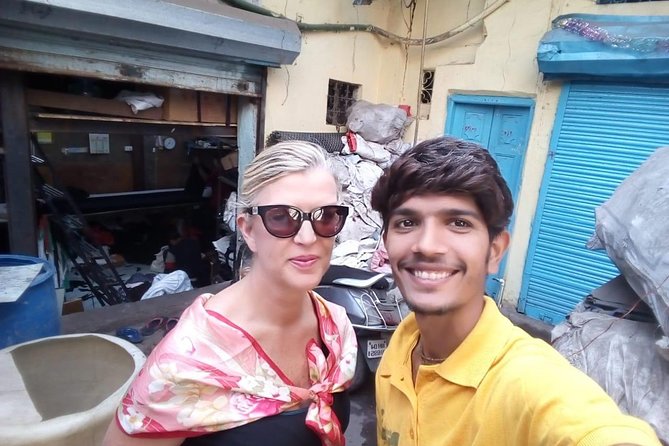
The tour is built around the idea that Dharavi is not only a residential area. It is also a working neighborhood with lots of small-scale production happening side by side.
One of the most specific highlights is the chance to visit a plastic and metal recycling yard and get a sense of how materials are processed and turned into products. The tour also points out plastic work that can include small manufactured items, and people have noted the surprising variety of what comes out of these processes.
As you move through the neighborhood, you’ll also see references to other local industries, including:
- Pottery
- Soap production
- Additional small manufacturing methods tied to everyday materials
The value here is perspective. In many cities, industrial areas feel far away from where people live. In Dharavi, industry is part of the fabric of daily life. Seeing multiple types of work helps you understand why residents talk about skill, effort, and income in the same breath.
It is also why the tour has a sensitive angle. When your guide connects what you’re seeing to the challenges residents face, it stops the experience from turning into voyeurism. You’re not only counting what seems missing, you’re learning how people manage, adapt, and keep systems running.
Line these Mumbai options up side by side
- Mumbai: Full-Day Sightseeing Tour of Mumbai
★ 4.9 · 1,822 reviews - Private Mumbai Sightseeing Tour (Traveller’s Choice Award Winner)
★ 5.0 · 1,565 reviews - Elephanta Caves & Island Guided Private Tour
★ 5.0 · 1,327 reviews - Group Guided Walking Tour in Fort and Colaba
★ 5.0 · 1,073 reviews
The community stops that explain life beyond work
A good Dharavi tour does not end at factories and workshops. Your route includes stops at local schools and churches, with commentary designed to help you understand community life, not just production.
Those stops matter for a simple reason. If you only focus on work outputs, it’s easy to reduce the neighborhood to labor and leave out education, faith, and social support. When the tour adds schools and churches, you get a fuller sense of how residents build routines, raise families, and plan for the future.
Guides tend to speak in a careful way here. People often mention that they do not feel they are invading privacy, which suggests the tone stays respectful and the pace remains human. Still, this is a local neighborhood. You should keep your expectations grounded and your behavior thoughtful.
If you want a tour that helps you make sense of both the challenges and the strengths, these community stops are a big part of that balance.
Price and value: what $70 buys you in time, people, and access
The price is $70 per person for about 2 hours. That’s not cheap in the usual Mumbai sightseeing way, so it helps to ask what you’re really paying for.
You are paying for:
- Access to the neighborhood with a resident college student guide
- A guided walking format that is more context-heavy than a quick drive-by
- A small group experience, with a maximum of 2 travelers
- Time for questions and explanations, which is usually where the value shows up
If you compare this to generic group tours that churn through multiple stops with limited interaction, the small-group setup changes the math. You’re less likely to be stuck in a loud crowd, and you are more likely to get answers that fit what you actually want to understand.
Also, the tour includes an admission ticket where noted as free, and it offers pickup. Lunch is included only if you choose the option that adds it. Food and drinks are not included, so you should plan to grab a snack either before or after.
If you’re budget-minded, the key is timing. A two-hour, deeply guided experience can be a better use of paid time than trying to piece together scattered neighborhood visits on your own.
Pickup, group options, and how to plan your day in Mumbai
This tour offers pickup, but hotel pickup and drop-off are listed as not included unless you arrange it. What that means for you is simple: if you want door-to-door convenience, plan for that up front.
You can also choose between a group or private tour. Either way, the experience caps at 2 travelers maximum, which is unusual for Mumbai tours and part of why people talk about the comfort level.
Because the tour starts near Mahim Railway Station, you can also plan to arrive by public transport. That gives you flexibility. If you like building your own route through Mumbai, this starting point helps you avoid getting boxed into a single schedule.
Duration is around 2 hours, and some descriptions suggest it can feel closer to 2 to 3 hours depending on questions and flow. Either way, it is long enough to learn and short enough to keep room in your day for other sights.
Practical tips that make the tour smoother

The experience requests conservative dress throughout India: modest, respectful clothing that covers shoulders and knees. This is not just a formality. It helps you fit in quickly and keeps the focus where it should be, on learning and observation.
You should also wear sturdy shoes. This tour is walking through local lanes, and people recommend good walking footwear. If you’ve ever had a day go sideways because of slippery sandals, you already know why this matters.
Bring a calm mindset. You’re walking in a lived-in area, and the commentary covers challenges and issues. If you came expecting only a poverty photo-op, you may find yourself surprised by the amount of skill and production you see. If you came expecting something balanced, it tends to land well.
Photography is possible, and guides may encourage it, but the safest approach is to ask in the moment if you’re unsure and follow your guide’s cues. The goal is respectful attention, not stealing moments.
Is this tour for you? Who will enjoy it most
I think this tour is a strong match if you want to understand Mumbai through its people, not just its landmarks. You’ll likely enjoy it most if you’re curious about how neighborhoods work, how industries form, and how community spaces like schools and churches shape daily life.
It can also be a good choice if you like guided explanations that answer questions. Several guide-focused stories highlight how comfortable it feels to ask, and how knowledgeable the guides are about the area they live in.
This may not be the best fit if:
- You dislike walking and tight spaces.
- You want a purely scenic, view-heavy outing.
- You prefer experiences with minimal human context and fewer sensitive topics.
But if you can handle a thoughtful, grounded visit, it’s exactly the kind of experience that helps a city stay real in your memory.
Should you book the Dharavi Slum Tour with Mystical Mumbai?
Book it if you want a resident-led, walking-focused experience that explains work, community life, and real challenges with respectful sensitivity. The small group setup, maximum 2 travelers, is a big factor if you value comfort and real conversation time.
I would pass or reconsider if you’re uncomfortable with steady walking, conservative dress expectations, or the emotional weight that can come with learning about issues facing residents. Also, if you’re only seeking photo-friendly sightseeing, this tour is more about understanding than collecting.
One more practical decision tool: pair it with a day where you can stay flexible. This is not a “tick the box, move on” activity. If you’re ready for a human-scale lesson in how a neighborhood functions, you’ll likely leave with a sharper, kinder perspective and a better sense of Mumbai’s real complexity.
FAQ
How much does the Dharavi Slum Tour cost?
The tour price is $70.00 per person.
How long is the Dharavi Slum Tour?
The duration is approximately 2 hours.
Where does the tour begin?
The tour begins at Mahim Railway Station.
Is pickup included?
Pickup is offered, but hotel pickup and drop-off are listed as not included (they can be arranged if you want).
What is included in the price?
It includes a local guide and a professional guide. Lunch is included only if you select the tour option that includes lunch. An admission ticket is free.
Is food and drinks provided?
Food and drinks are not included.
What is the group size limit?
The experience has a maximum of 2 travelers. There is also an option for group or private tour.
What should I wear?
Dress should be modest and respectful, covering shoulders and knees.
Is the tour physically demanding?
You should have a moderate physical fitness level, since it is a walking tour.
What is the cancellation policy?
You can cancel for a full refund up to 24 hours in advance of the experience start time, with confirmation received at booking.
Latest reviews in from Mumbai
- Mumbai Spice Markets and Bazaars Tour with Guide and Transport★ 5.0 · 42 reviews
- Mumbai Dharavi Slum, Dhobi Ghat & Dabbawala Lunchbox Tour★ 5.0 · 43 reviews
- Private Dharavi Slum Tour with Mumbai Sightseeing★ 5.0 · 43 reviews
- Private Guided Tour in Kanheri Cave with Transfers★ 5.0 · 44 reviews
- Private Guided Walking Tour in Dharavi Slums★ 5.0 · 44 reviews
- Bollywood Tour with Original founder★ 4.5 · 44 reviews
- Mumbai Private Cultural Tour with Lunch and Transport★ 5.0 · 44 reviews
- Unveiling Bollywood: Grand Tour of Iconic Real Sets & Their Story★ 4.5 · 44 reviews
Dharavi Tours, compared.
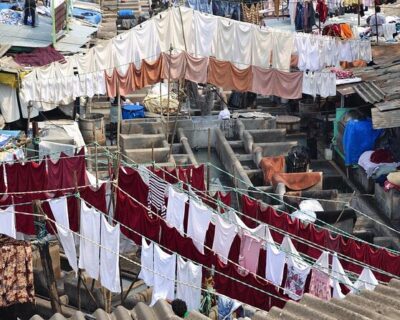
Dharavi slum tour in Mumbai by Female tour guides of the slum
Read our review →

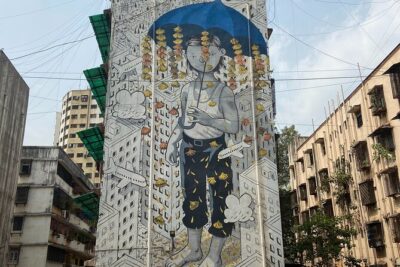
Dharavi Slum Slumdog Millionaire Tour with a Local
Read our review →
Dhobi Ghat Laundry and Dharavi Slum Tour with Local
Read our review →
Browse the lists this tour appears in