
Reviewed · DHARAVI TOURS
Mumbai: Slum Tour Dharavi & Dhobi Ghat Laundry with a Local
Mumbai is one of those places where the headlines do not tell the full story, and this tour is built to fix that fast. You get real Dharavi street life from the inside, plus a look at Dhobi Ghat, the city’s enormous open-air laundry, guided by someone who knows how the day actually works. One thing to consider, though: the experience is intense, and you will be guided with firm rules on where to stand and when to ask questions.
I like that this is not a slideshow about poverty. You see where people live, how families organize daily life, what kids do, and what kinds of work keep the neighborhood running, including plastic recycling, leather work, garment and textile activity, and metal trades. The tour also targets misconceptions head-on, including a stop tied to the filming of Slumdog Millionaire in Dharavi.
Finally, the logistics are refreshingly simple: you meet at Third Wave Coffee in Mahim, opposite Mahim Junction (station West), and you travel with a small group capped at 9 people for about 2.5 hours. If you meet a guide like Fazim, Faizan, or Abi (names that show up in past group experiences), expect a guided, explain-everything style, with clear boundaries for the visit.
Key things to love about this Dharavi and Dhobi Ghat experience
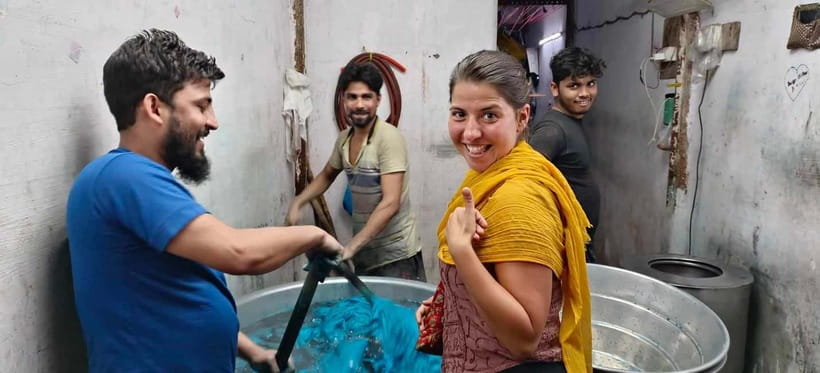
- Local-resident access to Dharavi, including the way people live, work, and support family routines
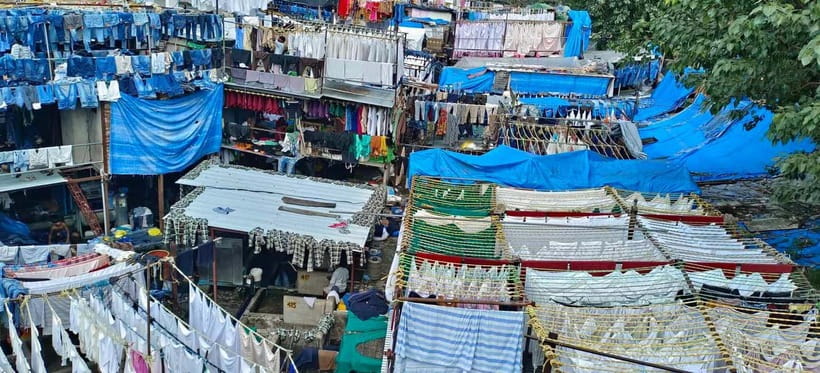
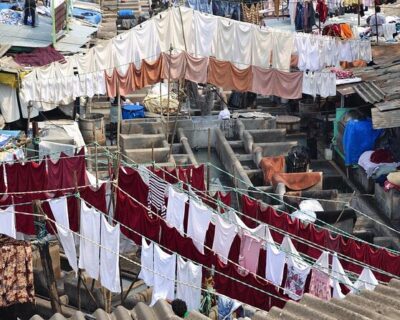
- Dhobi Ghat as an open-air laundry spectacle, described as the world’s largest and Asia’s biggest laundry operation
- A misconception-busting focus, showing the neighborhood as a working community, not a one-note tragedy
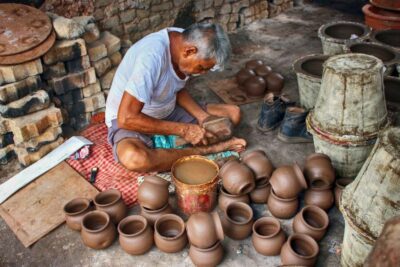
- Hands-on understanding of trades, from plastic and leather to garments, textiles, and metal industry
- A Slumdog Millionaire filming stop inside Dharavi, plus other “surprises” built into the route
- Small-group size (up to 9), which makes it easier to ask questions and actually hear answers
Entering Dharavi with a resident guide who sets the tone
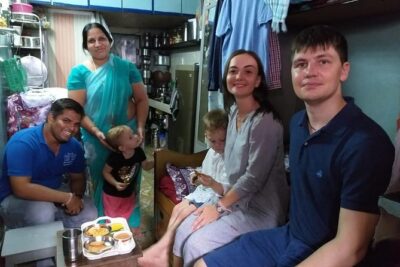
Dharavi is one of those Mumbai words you have heard, maybe in documentaries or movie references. The big difference here is that you are not seeing it from a distance. You are moving through the neighborhood with someone who lives there and knows what is normal.
That changes everything about how you look. A slum tour can easily turn into awkward gawking, but this one is framed around daily life: where people stay, how families share space, where kids play and where adults pause to relax. You are also shown the “work” side of the area, meaning the activities that turn into income across multiple industries.
The experience also does a job you will not find in a quick photo stop. It actively works to dispel stereotypes. In practical terms, that means you are more likely to leave with sharper questions of your own, not just new impressions.
Other Dharavi walks:
- Dharavi slum tour in Mumbai by Female tour guides of the slum
★ 5.0 · 1,976 reviews - Mumbai: Dharavi Slum, DhobiGhat, and Dabbawallas Tour
★ 4.9 · 689 reviews - Dharavi Slum Tour
★ 5.0 · 625 reviews
How the meeting point works near Mahim Junction
You start at Third Wave Coffee in Mahim, directly opposite Mahim Junction, station West. The goal is simple: get you close to public transport so you are not wasting time crossing the city.
Once you arrive, the guide will meet you by name and introduce themselves, and you can either sit inside the cafe or stand outside. Also note the small but important rule: tuk tuk rickshaws are not allowed at that meeting point, so plan to use Uber or local transport to get there cleanly.
If you are coming from farther away in Mumbai, this matters. Dharavi visits can get delayed when people show up late or stuck in the wrong place. The tour is only about 2.5 hours, so I suggest you build a little buffer and arrive early enough to settle in before the group starts moving.
Dharavi life and work: what you will actually see on the streets
This tour is designed around one central idea: you come to understand Dharavi by seeing the rhythm of life inside it.
You will look at daily household reality, including:
- where people live and how family life is arranged
- how children play and spend time
- where people rest and unwind between work moments
- what kinds of business activity keep the neighborhood going
And because Dharavi is not only homes, you also learn about industries that operate here. The tour focuses on several major trade areas, including plastic recycling, leather industry, garment or textile work, and metal industry.
One detail I really appreciate is that the tour frames these businesses as something that creates income. The tour materials even reference an estimated yearly income figure of about 1 billion US dollars tied to the area. Even if you treat that number as a best estimate, the takeaway is clear: Dharavi is not just “a place people live.” It functions like an economic engine, and understanding that changes your mental map of the neighborhood.
The trades that keep Dharavi running, from recycling to textiles

When people imagine a slum, they often imagine only hardship. This tour steers you toward the other side of the picture, which is how work gets done under intense constraints and tight space.
Here is what that means in real sightseeing terms. Instead of only walking past buildings, you get explanations about the kinds of jobs happening and how those jobs feed into bigger supply chains. You learn about how plastic recycling might operate as a process that turns waste into material. You hear about leather and garment or textile work, and how metal industry connects to production needs.
You also get a sense of scale. The tour is explicit that people do not come to Dharavi just to see it as a backdrop. You come to see a neighborhood where work, family life, and trade are overlapping realities, not separate worlds.
This is where having a resident guide matters. A local knows what is respectful to ask about and what details should stay private. That is why the tour’s “inside by a residence” approach is more than marketing. It is the difference between learning and intruding.
More of Dhobi Ghat:
- Mumbai: Dhobi Ghat Laundry and Dharavi Slum Tour with Local
★ 5.0 · 469 reviews - Mumbai: Dharavi Slum & Dhobi Ghat Laundry Tour
★ 5.0 · 352 reviews - Mumbai: Dharavi Slum and Dhobi Ghat Laundry Tour
★ 5.0 · 317 reviews - Private Combo Tours Sightseeing + Dharavi Slum + Dhobi Ghat & Dabbawalas
★ 5.0 · 245 reviews
Dhobi Ghat: Asia’s biggest open-air laundry and why it feels surreal
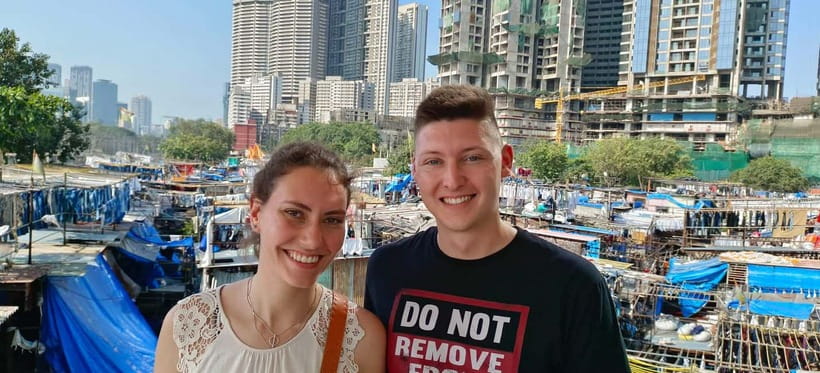
After Dharavi, the focus shifts. Dhobi Ghat is described as the city’s largest open-air laundry facility and the world’s biggest open laundry. It is also noted as a famous stop for foreign travelers, which makes sense because the sight is unusual in the modern travel world.
Dhobi Ghat is not a museum. It is a working site, where laundry activity happens in an open setting. The tour goal here is not just to point and shoot, but to explain what is going on: how washing activity works, what the flow of labor looks like, and what the place means in Mumbai’s daily systems.
You also get a cultural bridge. Dharavi can feel like a tightly packed world of homes and industry, while Dhobi Ghat shows another side of Mumbai’s economy, centered on an essential service. Put together, the two stops make a stronger point than either one alone: Mumbai runs on invisible labor, and this tour helps you see part of it up close.
One consideration: the Dhobi Ghat stop can feel a little short if you are the type who wants to linger and watch longer. The experience is still worth it, but if you like slow, observational travel, you may wish you had extra time.
Slumdog Millionaire in Dharavi, and how film location changes perception
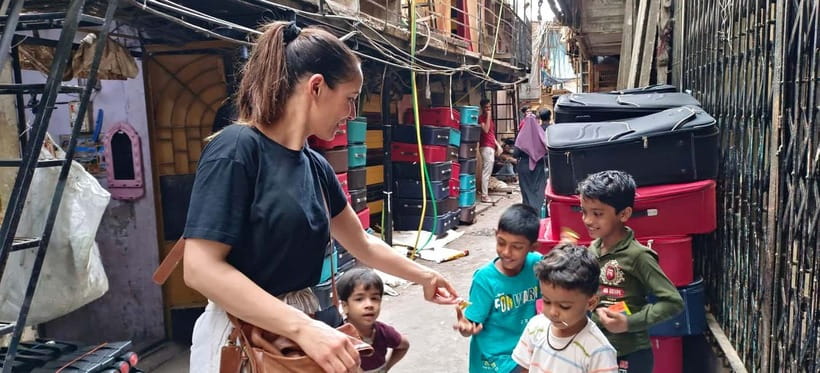
A tour like this would be too easy if it only delivered social lessons. This one adds a pop-culture thread: a stop in Dharavi connected to filming of Slumdog Millionaire.
That matters because it adds another layer to your thinking. Even if you do not care about film credits, walking a location associated with a major story forces your brain to compare the cinematic version with real street life. You start noticing details you might have ignored otherwise, and you get a more nuanced sense of what gets simplified when a place becomes a setting.
It also supports the tour’s main mission: dispelling stereotypes. Movies often compress complex places into a single emotional tone. In a resident-guided visit, you can see that people have varied routines, work roles, and family moments that do not fit a one-size narrative.
And the tour mentions more surprises along the way, which is typical for a guided local route. The benefit is that the day does not feel like a checklist. You are moving through a neighborhood that still has its own logic.
What to expect from the guide style, including limits and humor
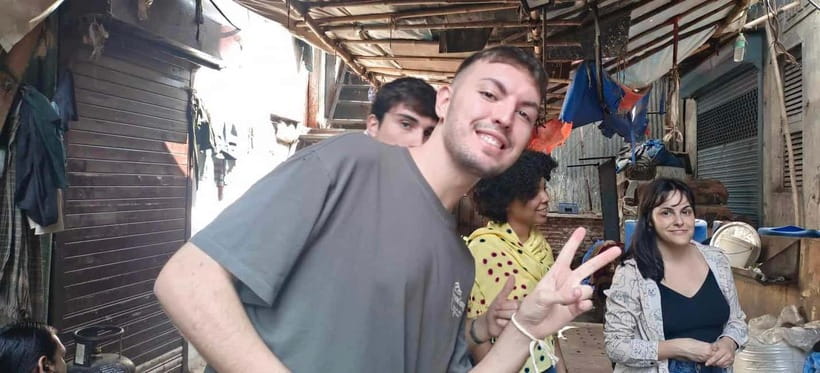
The quality of this tour largely depends on the resident guide, and the names that come up most often include Fazim, Faizan, and Abi.
A common theme from past experiences is how much context you get. For example, Fazim is praised for explaining origins, life, work, and family life, and for making you feel looked after. Faizan is also noted for knowing the area deeply and showing the reality of people living and working there.
At the same time, you should be aware of how tours like this often run. One past group experience described a guide who could be strict about where people stood, when they could ask questions, and how they spoke. That structure is not always comfortable, but it often protects the visit and keeps the experience respectful.
Also, some guides may use humor or sarcasm as a teaching style. If that kind of tone makes you cringe, just remember you are signing up for a local teaching format, not a comedy club.
My advice: keep questions thoughtful, listen for the moment your guide invites questions, and follow standing directions. You will get more out of the walk that way.
Safety, respect, and why this is not a casual photo stop
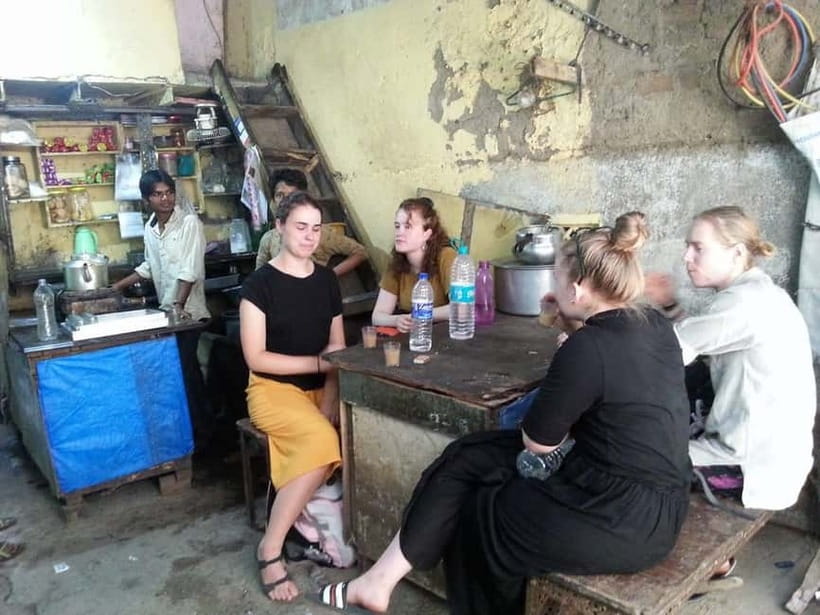
The tour information states it is completely safe to visit inside and around, and that you visit only with locals. That lines up with the resident-led structure: you are not wandering in the unknown. You are moving with someone who knows the routes, the rhythms, and the boundaries.
Still, treat it like a real community visit, not a tourist parade. If you want the best experience, act like you are a student in someone’s neighborhood class.
A few practical mindset tips help a lot:
- Keep your curiosity respectful. Ask before filming closely.
- Expect some rules about where to stand.
- Understand that this is work and family life, not a staged set.
When you show up with that attitude, Dharavi and Dhobi Ghat stop feeling like shocking “sights” and start feeling like living places with real people. That is the whole point.
Price and value: why a low-cost tour can still be high impact
At $4.64 per person for about 2.5 hours, this is not priced like a premium “luxury” experience. But I do not think that is the right lens.
This tour’s value comes from access and context:
- a local English-speaking guide from the slums
- travel fees included
- entrance, entry tickets, and tax included
In other words, you are paying mainly for human guidance and entry into local spaces, not for a long private vehicle ride or fancy inclusions. The small group limit of 9 participants also matters. With fewer people, you usually get better interaction, and you have less chaos to manage in tight spaces.
If you are traveling on a budget in Mumbai and still want a deeper experience than the standard sights, this tour fits. Just be clear about what you want: you are not buying comfort, you are buying understanding.
Who this tour suits best, and who might want to skip it
This is a strong match if you:
- want a grounded look at how Dharavi functions as a real community
- are curious about work life, not just poverty imagery
- like resident-led explanations and clear walking structure
- want to pair Dharavi with Dhobi Ghat’s open-air laundry operation in one outing
It is also a good fit for people who do not like overly staged experiences. The point here is to see how life works, including business activity, family routines, and daily movement.
You might think twice if you:
- need a slow, optional, unstructured photo walk
- dislike strict guidance or timing rules
- are easily thrown off by intense scenes of daily labor and cramped spaces
If you go in with respect and patience, you will likely feel the day change your thinking.
Should you book this Dharavi and Dhobi Ghat tour?
Yes, if you want more than a surface-level look. I think booking makes sense when your goal is to understand how a community works from the inside, not just to collect impressions.
Book it if you value:
- resident access that helps correct stereotypes
- a two-part route that connects housing life to open-air labor at Dhobi Ghat
- a small-group experience that lets you ask questions and get context
Skip it if you are not ready for an emotionally intense, rules-based local walk, or if you mainly want long time to wander and observe without interaction. But for most visitors who want real Mumbai context in a short window, this is a smart way to spend a morning or afternoon.
FAQ
Where is the meeting point in Mahim?
You meet at Third Wave Coffee in Mahim, opposite Mahim Junction or station West.
How long is the tour?
The tour lasts about 2.5 hours.
What group size should I expect?
It is a small group limited to 9 participants.
What language is the tour guide?
The tour guide is English-speaking.
What’s included in the price?
The price includes a local English-speaking tour guide from slums, traveling fees, and all entrance, entry tickets, and tax.
Is the tour safe to do?
The tour information says it is completely safe to visit inside and around during the tour, and that you visit with residents.
Latest reviews in from Mumbai
- Mumbai Spice Markets and Bazaars Tour with Guide and Transport★ 5.0 · 42 reviews
- Mumbai Dharavi Slum, Dhobi Ghat & Dabbawala Lunchbox Tour★ 5.0 · 43 reviews
- Private Dharavi Slum Tour with Mumbai Sightseeing★ 5.0 · 43 reviews
- Private Guided Tour in Kanheri Cave with Transfers★ 5.0 · 44 reviews
- Private Guided Walking Tour in Dharavi Slums★ 5.0 · 44 reviews
- Bollywood Tour with Original founder★ 4.5 · 44 reviews
- Mumbai Private Cultural Tour with Lunch and Transport★ 5.0 · 44 reviews
- Unveiling Bollywood: Grand Tour of Iconic Real Sets & Their Story★ 4.5 · 44 reviews
Dharavi Tours, compared.
Dharavi slum tour in Mumbai by Female tour guides of the slum
Read our review →
Dharavi Slum Slumdog Millionaire Tour with a Local
Read our review →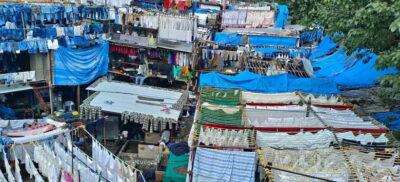
Dhobi Ghat Laundry and Dharavi Slum Tour with Local
Read our review →
Browse the lists this tour appears in