
Reviewed · HIKING & TREKKING
Jindhagada Trek
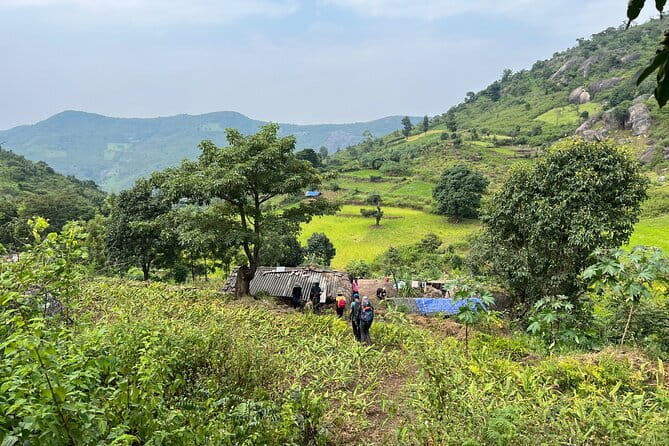
What makes this trek interesting is the goal: Seethamma Konda (Jindhagada Peak), described as the highest point in Andhra Pradesh at about 5,545 feet, sitting in the Eastern Ghats near the Araku and Paderu hill ranges. You also get a nature-focused day that includes cultural context with the Kondh tribes who live in the area.
I love the way this route mixes practical comfort and wild payoff. Pickup and round-trip travel from Visakhapatnam to Olubidda village removes a lot of stress, and I also love the camping setup at the viewpoint, because it makes stargazing and night photography a real part of the plan, not an afterthought.
One consideration: this experience needs good weather. If clouds or poor conditions move in, stargazing and photos may disappoint, and the trek can be rescheduled or refunded.
Key things to know before you go
- Highest-point target in Andhra Pradesh: Seethamma Konda at roughly 5,545 feet, framed by Araku and Paderu hill ranges
- Camp at the peak viewpoint: sunrise, sunset, and night skies are built into the experience
- Coffee Paderu plantation visit: a grounded local food and farming stop, not just scenery
- Cave exploration plus mountain rock features: you get a change of pace off the main path
- Kondh culture and food: you learn about tribal life and eat food prepared by them for lunch
- Safety-first guidance: a wilderness first responder and qualified outdoor guide are part of the team
Jindhagada Peak, Kondh Country, and Why This Trek Feels Different
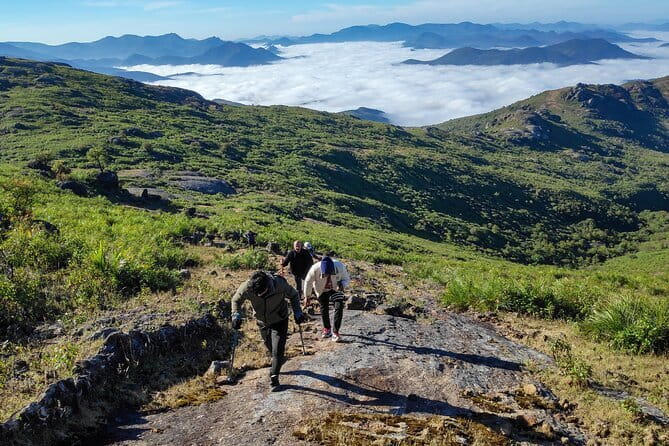
The Jindhagada Trek is one of those rare trips where the destination is dramatic, but the pacing still feels human. You are aiming for Seethamma Konda, the highest peak of Andhra Pradesh as presented for this route, and you travel through the hill country where the Eastern Ghats shape the daily life of the Kondh tribes.
What makes the day click for me is the mix of scales. You get the big outdoors goal, but you also get small, real moments, like learning how local communities live and eat, and visiting a coffee Paderu plantation as part of the experience. It helps you connect the landscape to people, instead of treating the day like a checklist of viewpoints.
You should also know that the trek is described as slow paced. That matters because Eastern Ghats terrain can be uneven, and slow pacing is how you keep energy for the viewpoint, the night sky, and the culture stops.
Getting There From Vizag, and What Comfort You Actually Get
The meeting point is Rushikonda in Visakhapatnam. From there, you get transport to Olubidda village and back. The plan is set up to feel manageable for most travelers, which is a good sign if you are not training for an extreme summit attempt.
This is a private tour/activity, meaning it is just your group. That can be a plus if you want a calmer rhythm, and it can also make the guides more responsive if your group includes people with different comfort levels.
You will also have pickup offered, which is one of the best value adds on any trek in this region. Real talk: scrambling for your own transport after a long day is how trekking plans turn sour. Here, the logistics are handled for you.
One more small but useful detail: you get a mobile ticket. That reduces last-minute hassle, especially if you are traveling with limited time and want things to stay simple.
The Trek Day Start: Travel to Olubidda and Into Eastern Ghats Rhythm
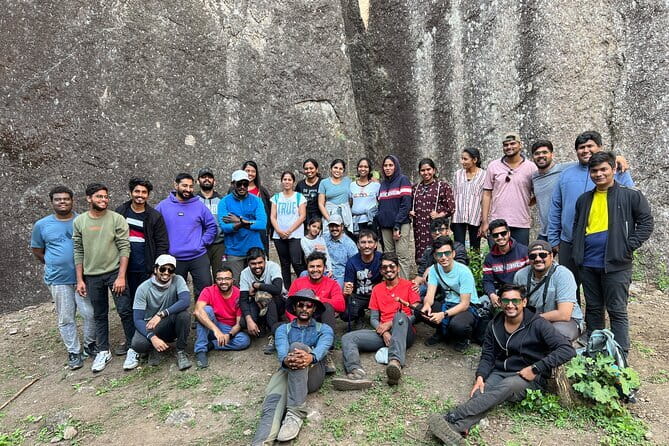
Your trek day is built around a long chunk of travel, then time outdoors. First, you move from Visakhapatnam to Olubidda village. This is not just transit. It is the ramp that lets you transition from city pace to hill pace.
On a day like this, pacing is everything. The experience is described as a slow paced trekking experience, and that is exactly what you want when your goal includes night photography, sunrise and sunset, and a viewpoint camp. Going too fast early usually means you miss the calm part later.
While trekking, you can expect guidance specific to the Eastern Ghats. That sounds broad, but in practice it usually means you are not left guessing about footing and timing. The presence of a wilderness first responder and a qualified outdoor guide is also a confidence booster, especially if rain or sudden changes in cloud cover happen.
Coffee Paderu Plantation Stop: A Local Farming Lens
One of the more interesting stops is the coffee Paderu plantation visit. This is not a random photo stop. It gives you a different angle on the region. Instead of only looking up at peaks and caves, you get a look at how people work with the climate and terrain in the hill ranges.
If you like travel that connects food to place, this stop makes sense. Coffee farming in this region is shaped by shade, rainfall patterns, and the way villagers manage land. Even if you do not go deep into agronomy during the visit, you leave understanding that this hill country is lived in, not just visited.
This also breaks up the trek mentally. A good trek day needs at least one moment where your brain can switch gears. Plantation visits are often that reset.
Caves and Mountain Features: Where the Day Changes Texture
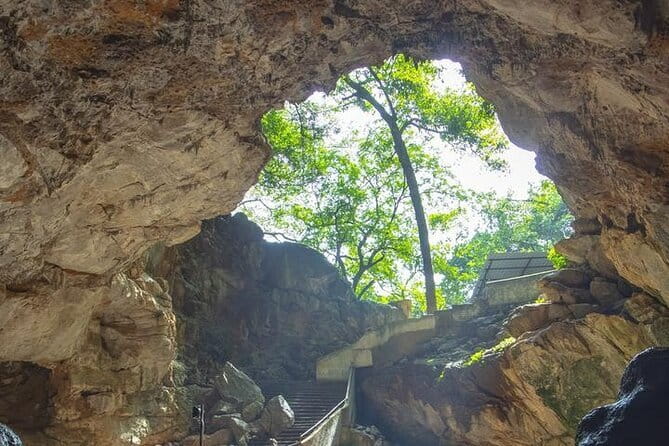
After the plantation segment, the plan includes exploring a cave and the mountain area described as builders on the mountain. The wording is a bit unclear, so here is the helpful way to think about it: you should expect a change from open trekking to a more rugged, tactile environment, with time to look around and move carefully.
Cave and rocky sections are often cooler than the open path, and they naturally slow your pace because you spend more time observing and navigating. That can be a benefit on a day that already includes camping and night sky planning.
Practical tip: in any cave-like or rocky feature area, keep your hands free and your footing slow. If you rush, you tire faster, and you miss what makes these stops memorable.
Camping on the Peak Viewpoint: Stargazing, Sunrise, and Night Photos
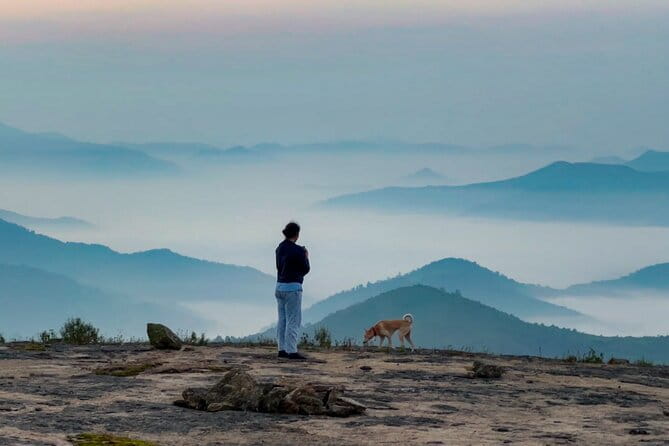
The emotional highlight of this trek is the camp at a beautiful viewpoint on the peak. This is where the day stops feeling like a hike and starts feeling like an overnight experience squeezed into about 1 day 12 hours (approx.).
The plan explicitly includes stargazing and night photography, if it is not cloudy. That is important. On clear nights, the sky becomes part of the route. On cloudy nights, you still have the night air and the quiet, but the sky show may fade.
From reviews, the night and the timing matter a lot. People call out moonlit calm, sunrise and sunset moments, and even mention meteor shower conditions on some dates. You should not count on a meteor shower, but it is a good signal that the night conditions can be spectacular when the weather cooperates.
Also, camping at elevation typically means it can feel cooler than you expect. Pack accordingly, and treat this as a photo and night-sky segment. If you dress like it is still beach weather, you will feel it later.
Kondh Tribal Culture and Day 2 Lunch: Food That Gives Meaning

The trek includes insight into Kondh tribal culture and food prepared by Kondh people for day 2 lunch. The structure suggests you camp overnight, then continue into a second morning segment that includes this cultural meal.
This is the part that makes the experience feel more authentic than a standard guided trek. You are not only walking through a region, you are learning how local communities relate to the land and how they build daily life around it.
The meal is also the kind of practical value you can feel immediately. Hunger is not a theory, it is a real fatigue trigger after trekking. A properly prepared meal at the right time helps you recover energy so you enjoy the rest of the day, not just survive it.
If you care about respectful cultural interaction, this is a good sign. The plan places cultural insight and food inside the trek flow, not as a separate show-and-tell moment.
Fresh Water Streams and Pool: The Dip Option
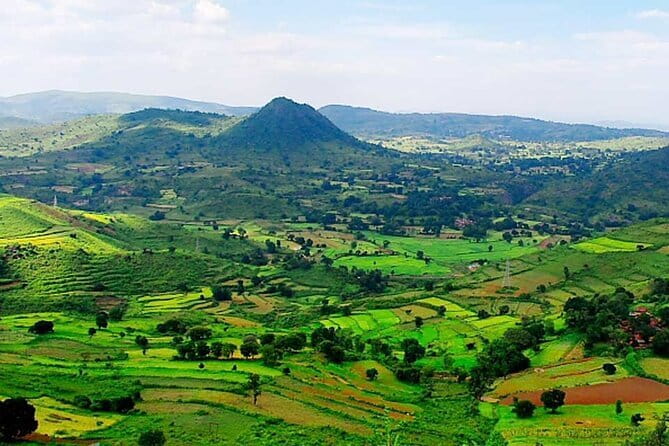
There is an option to take a dip in fresh water streams and a pool during the experience. This is one of those add-ons that changes the day’s tone.
If the weather is warm and conditions are safe, a quick dip can be a reset button for tired legs. You also get a more playful side of the trek, which helps if you are traveling with friends and want moments that are not only about endurance.
You should keep expectations flexible. The plan says option, not a guaranteed swim schedule, and conditions in natural water spots can vary.
Guide Team, Safety Feel, and Real Comfort on the Tough Bits
Ecohikes runs the experience, and the trekking team includes named guides that come up repeatedly in feedback, especially Ravi and Naveen. One review set also mentioned PoshAn alongside the leaders.
The repeated theme is care when you are tired. People describe arriving at the peak exhausted and then being brought food, water, and essentials. That matters because a summit day can turn from “fun challenge” into “why did I do this” if support is slow or disorganized.
There is also a safety and reassurance angle. One review described travel right around cyclone Fengal, with the team reassuring guests and handling the situation with kindness and calm. Even if you are not traveling in storm season, it is a useful signal that the team takes weather seriously.
You also have wilderness first responder and qualified outdoor guide support built into the experience. That does not mean every risk disappears, but it does mean you are not relying on luck for basic preparedness.
Price in Context: Is $335.65 Good Value?
The price listed is $335.65 per person. On paper, that can sound like a lot for a 1 day 12 hour trek. In context, the value comes from a few specific inclusions and how they reduce your own costs and stress.
You get lunch, dinner, and breakfast included. Meals are not small on a trek day because they affect energy and mood more than you think. You also get pickup offered and a private setup for your group, which can be expensive to run well if you are not charging fairly.
What is not included is snacks, so you may want to plan for extra small bites if you know you snack often. Since snacks are not included, you will likely feel it if you are the type who needs constant energy during long outdoor segments.
Overall, I see the price as fair for a guided, meal-supported, overnight-feeling trek that includes cultural time and night-sky planning. It is not the cheapest way to hike near Visakhapatnam, but it is not trying to be a bargain either. It is aiming for comfort and real experience.
Who This Trek Suits Best
This trek fits you if you want one main outdoor goal, but you also want a full day of meaning. Think of people who like:
- Stargazing and night photography planning, with a real chance to do it from the peak camp
- Cultural travel that includes Kondh food and insight, not just a quick stop
- Guided treks where the team handles logistics, transport, and timing
- A slower pace that still gets you up to a high viewpoint
It might not fit you as well if you want a nonstop cardio workout where you never stop. The plan is slow paced, and the schedule includes multiple stops, including caves, plantation, and cultural meal time.
Practical Tips So Your Day Goes Smoothly
Because the plan includes night photography, sunrise and sunset, and a cave segment, you should prepare like it is a full outdoor day, not just a walk.
Bring:
- Layers for cooler peak night temperatures (night sky planning usually means cooler air)
- Comfortable trekking shoes with decent grip for uneven sections
- A headlamp for the camp and any night movement (even if you do not plan to use it, you will be glad it exists)
- Water bottle capacity for your comfort, even though water is provided during key moments
Also, plan mentally for weather. The experience requires good weather, and stargazing depends on cloud cover. If conditions are questionable, the team may adjust the experience or reschedule, and you will be better off trusting that call.
Should You Book the Jindhagada Trek With Ecohikes?
If you want a trek that blends peak camping, Kondh culture, and a strong focus on comfort and guidance, this is an easy yes to consider. The meal support, the fact it is private, and the emphasis on night skies are big reasons to book.
I would only hesitate if:
- you are strict about stargazing and night photography as the one non-negotiable feature (clouds can change everything)
- you need a very lightweight, ultra-low cost trek with no included meals (this one includes meals, so it is priced around that)
- you dislike overnight-camping style logistics, even though the overall experience is short
If your goal is an authentic Eastern Ghats hike with a calm pace, strong guide support, and a viewpoint that can make you stop talking for a minute, then this Jindhagada Trek is exactly the kind of day worth planning.
FAQ
How long is the Jindhagada Trek?
It runs for about 1 day 12 hours (approx.).
Where does the trek start and where does it end?
It starts at Rushikonda, Visakhapatnam, Andhra Pradesh, India and ends back at the same meeting point.
Is pickup included?
Pickup is offered as part of the experience.
What meals are included in the trek price?
Lunch, dinner, and breakfast are included.
What is not included?
Snacks are not included, and the rest of the cost coverage is limited to what is stated as included.
Is this a private tour?
Yes. It is a private tour or activity, so only your group participates.
Do most travelers be able to join?
Most travelers can participate, according to the provided information.
What happens if the weather is poor?
This experience requires good weather. If it is canceled due to poor weather, you will be offered a different date or a full refund.
Is stargazing part of the trek?
Yes, stargazing and night photography are included as part of the plan, if it is not cloudy.
More Hiking & Trekking in Visakhapatnam
- Mountain Hiking in Munnar (half day) By Munnar Info
★ 5.0 · 390 reviews - Half day trekking (munnar valley Trekking & Tours )
★ 5.0 · 310 reviews - Full day in hiking in Munnar (By Munnar Info)
★ 5.0 · 176 reviews - Bhrigu Lake and Alpine Meadow Trek
★ 5.0 · 121 reviews
Hiking & Trekking, compared.
Mountain Hiking in Munnar (half day) By Munnar Info
Read our review →
Half day trekking (munnar valley Trekking & Tours )
Read our review →
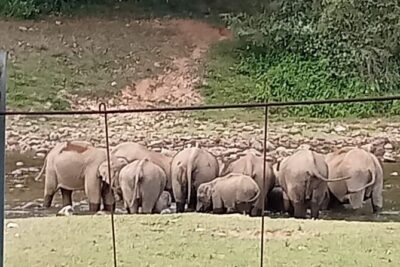
Wild Elephant Anakulam & Waterfalls Tour(munnar valley Trekking)
Read our review →
Browse the lists this tour appears in