
Reviewed · DHARAVI TOURS
Mumbai: Dharavi Slum Walking Tour by First Female Tour Guide
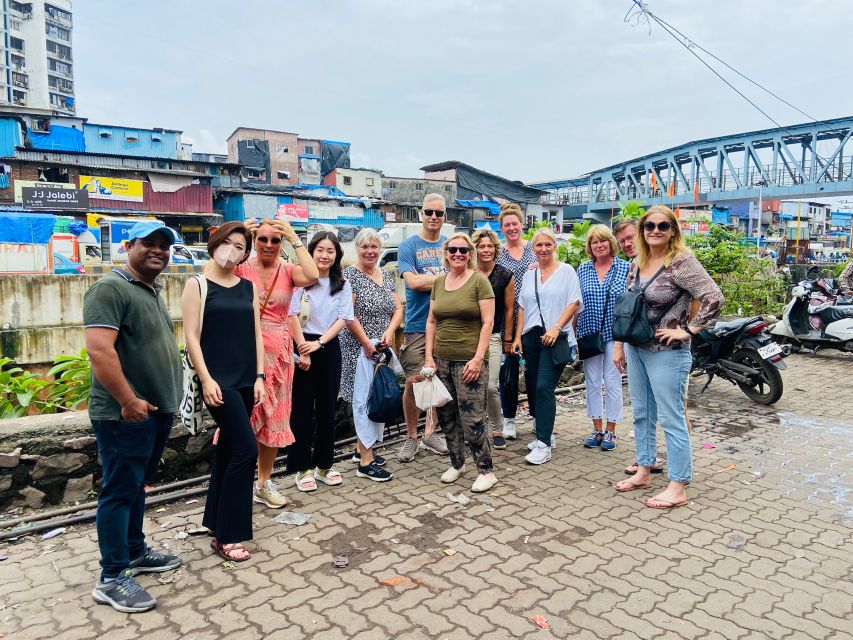
Dharavi can feel like a mystery from the outside, but on foot it turns into a real neighborhood with real businesses, real routines, and real people. What makes this tour special is the way it focuses on working Dharavi life, led by the first female tour guide of Dharavi. I especially like seeing how the area turns waste into jobs through recycling and small manufacturing. I also like the personal, human stories that explain why education, markets, and community networks matter here. One consideration: this is a walking tour inside a dense area, so come ready for tight lanes and lots of close-up scenes.
This is also one of those Mumbai activities that helps you read the city differently. If it’s your first day, it gives you a groundwork for understanding what you’ll see and hear later, from transit to street commerce. You should know the tone is not staged, and you will want to be respectful with photos and questions, even when guides like Anu or Sneha make it feel easy to ask.
If you care about value for money, this one is hard to beat. At about $5 per person for a 2 to 2.5 hour guided walk with bottled water, you’re paying for access and context, not sightseeing props. Just go in with an open mind and a steady pace.
Key things that make this tour worth your time
- Recycling-to-business work you can see up close, from plastic and paper to aluminium
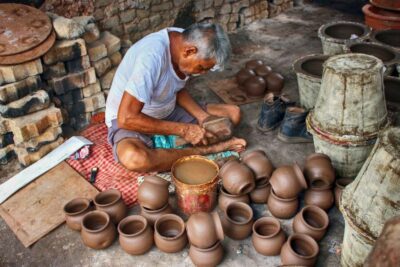
- Factories and craft zones like soap making, cloth production, leather work, and pottery
- Education stops that help you understand how learning fits into daily life
- Commercial and residential areas on the same route, so it does not feel like a single isolated look
- Local female guiding with excellent English and patience, like Pooja, Varsha, and Anu
- Human stories of transformation that push you past one-note stereotypes
Why Dharavi feels different when you walk it
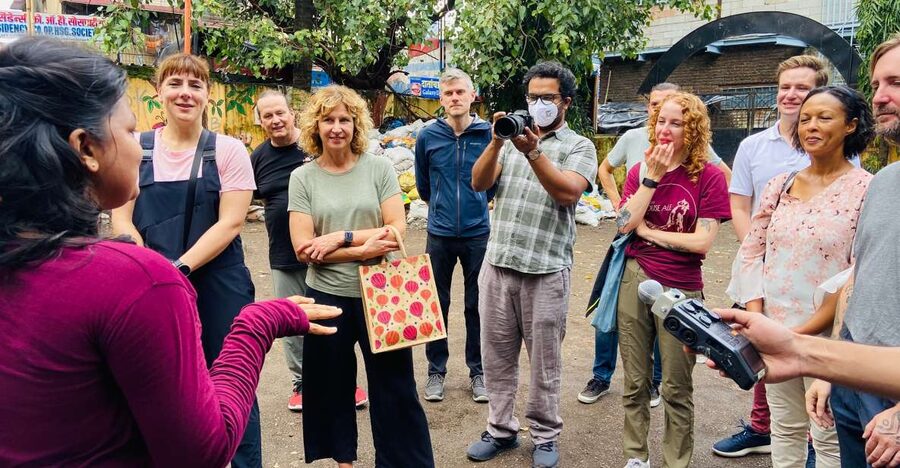
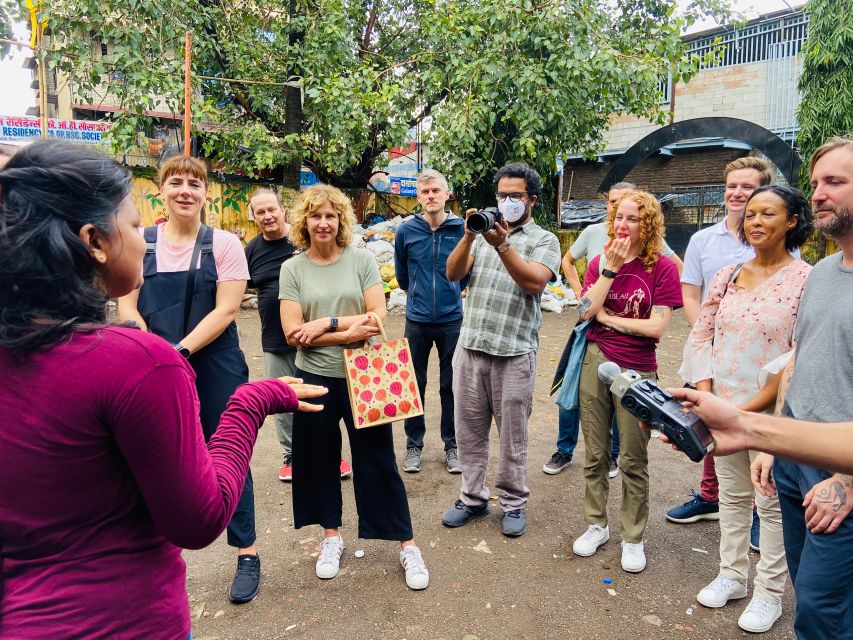
Dharavi is often talked about like one thing, a slum. On this tour, it stops being a label and starts being a place. You move through lanes where people work, sell, learn, and live side by side. That matters, because you learn the logic of the area: how materials flow, how skills travel, and how small businesses survive in tight space.
The biggest shift for me is how the tour frames the economy. Instead of focusing only on hardship, it shows the systems people build around recycling and manufacturing. You see that waste is not just waste here. It becomes feedstock, it becomes jobs, and it becomes a reason families can keep their routines going.
And because the guiding is done by women who know the area from the inside, the tour stays grounded. In the guide experience, you often feel a steady mix of humor, clarity, and care. People like Pooja, Varsha, Anu, and Sneha are repeatedly praised for explaining with confidence, keeping the group together, and answering questions without rushing anyone.
More Walking Tours in Mumbai
- Group Guided Walking Tour in Fort and Colaba
★ 5.0 · 1,073 reviews - Private Guided Walking Tour in Fort & Colaba
★ 5.0 · 895 reviews - Private Guided Walking Tour in Bandra Queen of Suburbs
★ 5.0 · 383 reviews
Third Wave Coffee meeting point, and what the start tells you
You meet your guide outside Third Wave Coffee. That sounds like a small detail, but it’s part of the value. It gives you a calm anchor in a city that can feel chaotic fast. The tour is set up so you are not hunting for directions inside Dharavi before you even begin.
If you are driving, Mumbai traffic can be rough, so plan extra time. One very practical tip that helps: the meeting point is described as right by a station, which means taking public transport can be easier than sitting in a car that does not move.
Once you meet the guide, you get bottled mineral water and you start walking. There’s no long preamble. You head out in a small group, and the focus stays on what you’re seeing and what the guide is explaining as you go.
Recycling you can actually see: plastic, paper, aluminium, and more
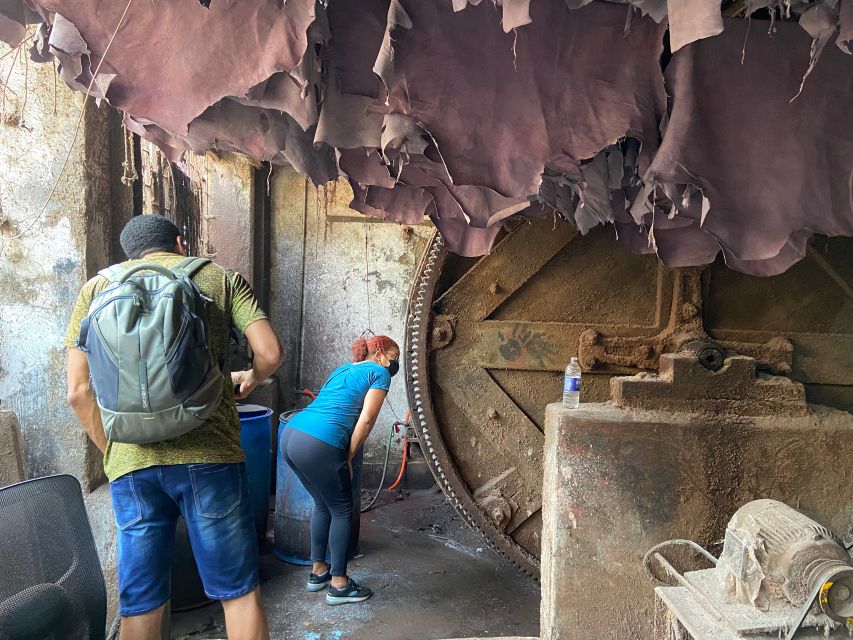
One of the core reasons this tour is so compelling is the way it makes the recycling process visible. You do not just hear that Dharavi recycles. You walk past the real work that turns plastic, paper, and aluminium into usable materials.
This is the kind of topic that can sound abstract on a website, but up close it becomes practical. You see how sorting and processing create value from what others discard. And because the guide explains how materials move through different hands and steps, it starts to make sense as an ecosystem, not a single factory.
I also like that this recycling focus is tied to people, not just machines. The guide helps you connect the dots between daily labour, income, and the way the community keeps things going. If you’ve ever wondered how a city absorbs and recycles its own mess, Dharavi gives you a very direct answer.
Soap, cloth, leather, pottery: where the industrial story gets specific
After recycling, the route typically shifts toward manufacturing and craft. The tour can include stops tied to soap factories, cloth manufacturing, leather industries, and pottery. This is where Dharavi stops feeling like a concept and becomes a working industrial map.
What I love here is the variety. These are different trades with different inputs and different skills. When you see them in one walk, you understand that the economy is not one narrow lane. It is many small lanes connected together.
There’s also a practical takeaway for you. If you want to talk intelligently about the area, you’ll be able to describe more than poverty. You’ll be able to talk about workflow, materials, and how specialized work stays possible in a dense setting. That kind of context is what makes the tour memorable after you leave Mumbai.
Other Dharavi walks:
- Dharavi slum tour in Mumbai by Female tour guides of the slum
★ 5.0 · 1,976 reviews - Mumbai: Dharavi Slum, DhobiGhat, and Dabbawallas Tour
★ 4.9 · 689 reviews - Dharavi Slum Tour
★ 5.0 · 625 reviews - Dharavi Slum tour in Mumbai by local resident
★ 5.0 · 572 reviews
Schools and colleges: the part people forget to look for
Dharavi is often photographed from the outside, but this tour makes room for schools and colleges. That changes the entire mood of the walk. You start seeing how the community plans for the future, not only how it survives the present.
Education stops also help you ask better questions. Instead of only asking what people lack, you can ask how learning connects to work. You can also notice the role of routine: classrooms, schedules, and the idea that learning is not separate from the economy.
Guides are especially praised for answering questions clearly in English and keeping the explanations organized. People mention guides patiently helping them engage with the people and places, even when someone in the group is quieter or more hesitant about social contact.
Markets, commercial corners, and residential lanes in one flow
A big strength of this tour is balance. You do not only focus on industrial work. You also move through markets, commercial places, and residential areas so you can understand how work and home overlap.
Commercial stops matter because they show the demand side of the local economy. You see how people sell, how goods circulate, and how day-to-day commerce supports the industries you saw earlier. Residential areas matter because they remind you that this is not a workplace tour. It is a neighbourhood tour, with private routines happening next to public activity.
The most consistent praise in the guide experiences is that the route feels guided and safe, not chaotic. People talk about guides keeping the group together even when photos and questions pull people in different directions. That is a real concern in a place like this, and it’s a comfort when your guide has the local sense to manage it.
Transformation stories: hope and reality in the same breath
One of the tour’s stated themes is unique transformation stories, and that idea shows up in the way the walk is narrated. You hear not only what happens in workshops and markets, but also why people keep pushing forward.
This is where the tour can challenge you a little. If you walk in thinking Dharavi will be one emotional note, you’ll find a more complicated picture. You see resilience without sugarcoating. You see ambition without denying hardship.
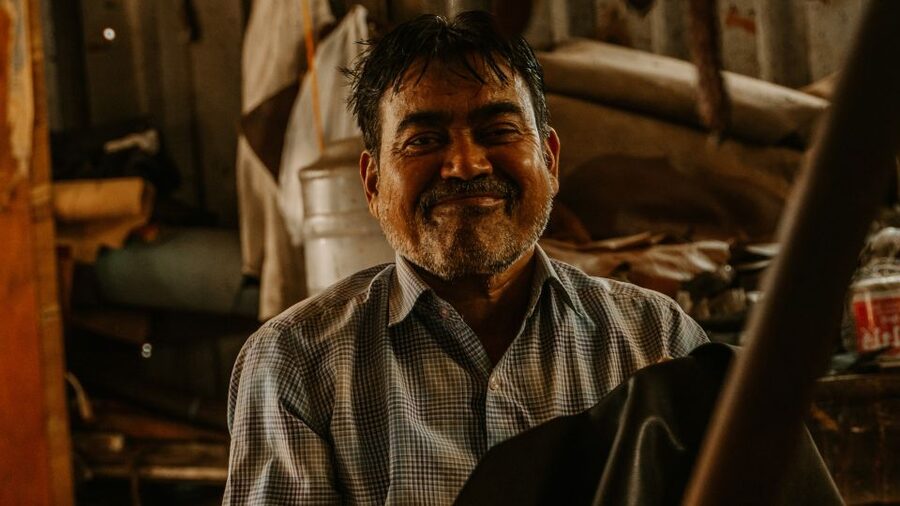
You also learn that the community has its own logic and its own pride. Many guides leading these tours, like Pooja and Sneha, are described as locals who love the area and know it from inside. That kind of connection changes the tone of the information. It feels less like a lecture and more like a local friend trying to show you what you might miss.
Practical tips for a respectful, comfortable walk
This is a walking tour, and it stays inside the area on foot. That means you should dress for movement and for close quarters. Wear shoes you can trust, because you’ll likely spend more time stepping through narrow lanes than you expect.
Be ready for real-life scenes. You may see working conditions up close, including areas tied to industrial recycling and manufacturing. You do not need to stare. You do need to look with respect.
If you love photos, bring a steady approach. Guides are repeatedly praised for being patient with photo-taking, and for keeping you from losing the group. Still, keep your camera use thoughtful. Ask before close-up shots of people, and accept a no gracefully.
A helpful mindset: treat this as a conversation walk. The best experience happens when you ask questions. Guides are known for answering a wide range of topics, from how industries run to education systems, and for doing it in clear English.
Price and value: why $5 can feel unfairly good
At about $5 per person for a 2 to 2.5 hour walking tour with a live English guide and bottled water, this is strong value in any city. In a place like Mumbai, the cost of getting access and context is often much higher.
But the value here is not just the price. It’s what you get for that price:
- A guided route you would not piece together alone
- Access to work areas and community spaces you would likely miss on your own
- Explanations that connect recycling, manufacturing, education, and daily life
- A guide who knows the area and can manage the pace and the group
To put it plainly, $5 is not paying for luxury. It’s paying for understanding. For first-time visitors, understanding Dharavi is the kind of payoff that lasts longer than any one photo.
Who should book this Dharavi walking tour?
This tour is a great fit if you want more than surface-level Mumbai sightseeing. You’ll like it if you care about how cities work, especially informal economies and recycling systems. It’s also a smart first-day activity because it gives you a framework for seeing the rest of the city with better context.
You should also book it if you prefer small group experiences and value clear guiding over wandering. The repeated mention of guides like Anu, Pooja, Varsha, and Sneha suggests consistent care with English explanations, group control, and patience.
If you want a calm, quiet outing, you might find it less suited, because it is active and crowded by nature. If you are the type who gets overwhelmed by close-up scenes, bring extra patience for yourself. The tour can still be worthwhile, but plan your expectations.
Quick decision help: should you book it?
Yes, if you want a real, practical look at Dharavi through work, education, markets, and home life, led by a local female guide with strong English. It’s one of the best value ways to understand why Dharavi is not just a stereotype, it’s an operating community with industries and routines that keep it moving.
Book it if you can handle walking and you’re curious enough to ask questions. I would skip it only if you’re looking for a polished, entertainment-style attraction. This is about seeing, learning, and being respectful, in a place that deserves it.
FAQ
Where does the tour start?
Your guide meets you outside Third Wave Coffee.
How long is the Dharavi slum walking tour?
The tour is listed as 2.5 hours (and described as 2 to 2.5 hours).
What language is the guide?
The live tour guide speaks English.
Is it walking only, or is there other transportation?
It is a walking tour. You’ll be guided on foot inside Dharavi.
What is included in the tour price?
The tour includes the walking tour, a guide, and bottled mineral water.
How much does it cost?
The price is listed as $5 per person.
Is there a cancellation policy?
The experience offers free cancellation up to 24 hours in advance for a full refund.
Latest reviews in from Mumbai
- Mumbai Spice Markets and Bazaars Tour with Guide and Transport★ 5.0 · 42 reviews
- Mumbai Dharavi Slum, Dhobi Ghat & Dabbawala Lunchbox Tour★ 5.0 · 43 reviews
- Private Dharavi Slum Tour with Mumbai Sightseeing★ 5.0 · 43 reviews
- Private Guided Tour in Kanheri Cave with Transfers★ 5.0 · 44 reviews
- Private Guided Walking Tour in Dharavi Slums★ 5.0 · 44 reviews
- Bollywood Tour with Original founder★ 4.5 · 44 reviews
- Mumbai Private Cultural Tour with Lunch and Transport★ 5.0 · 44 reviews
- Unveiling Bollywood: Grand Tour of Iconic Real Sets & Their Story★ 4.5 · 44 reviews
Dharavi Tours, compared.
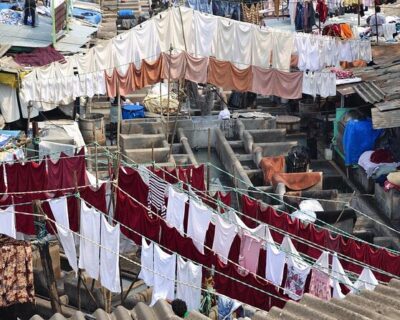
Dharavi slum tour in Mumbai by Female tour guides of the slum
Read our review →
Dharavi Slum Slumdog Millionaire Tour with a Local
Read our review →
Dhobi Ghat Laundry and Dharavi Slum Tour with Local
Read our review →
Browse the lists this tour appears in