
Reviewed · DHARAVI TOURS
Mumbai Dharavi Slum Tour With Local English Guide
Dharavi can feel like a tabloid headline until you see how people actually earn a living there, day after day, block by block. This 2-hour walking tour is built around that reality, led by an English local guide who can explain what you are seeing in plain terms, with real care for privacy.
I especially like two things: the focus on small-scale industries you can watch in action, and the way guides guide you through conversations that feel respectful, not invasive. A possible drawback is that the route is on foot and can be tight and noisy, so you need comfortable clothes and a flexible attitude about sound and space.
Key things you will notice on this Dharavi walk
- Live English guidance so you can ask questions and get context, not generic facts
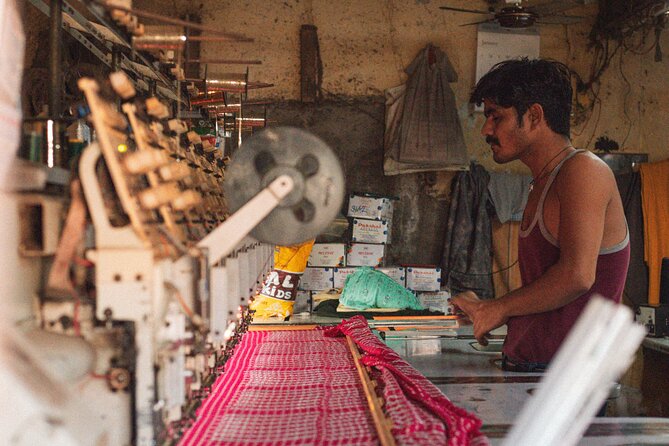
- Hands-on industry stops you might see pottery work, leather goods, small bakeries, and recycling units
- Personal community interactions that emphasize pride, hustle, and daily routines
- Low-price, high-human-value setup at about $7 per person for a guided walk
- Multiple starting points (Third Wave Coffee or Ram Mahal) depending on what you book
Why This Dharavi Walk Feels Real, Not Scripted
Dharavi is often described in extremes, which usually means people miss the middle. What makes this tour interesting is that it tries to show the middle: everyday work, micro-enterprises, and the practical logic of how thousands of people organize manufacturing and services in a dense urban setting.
I like that the tour is a walking format. You get closer than you would from a bus window, and you also move at the pace of conversation. That matters, because the industries here are not museum exhibits. They are active workplaces.
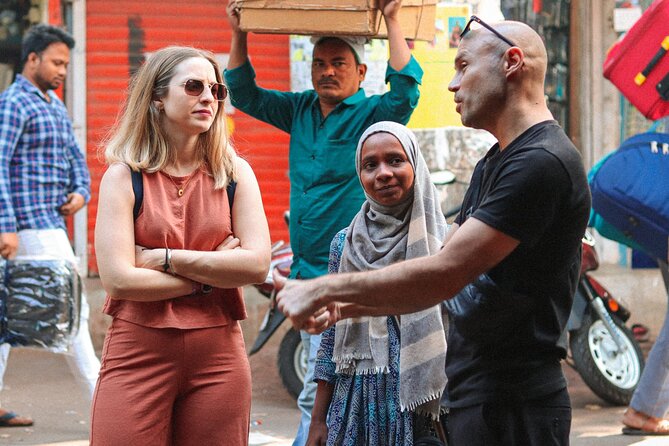
I also like the repeated theme in the guide style shown in real guide experiences from Ansh, Sharon, Ruba, Jawwad (Jay), and Ruqaiyya. The best moments come when the guide slows down, explains the “why” behind what you see, and keeps the tone respectful toward residents. You are learning how the community works, not just collecting images.
The one consideration: this is not a quiet, polished sightseeing loop. Dharavi is lively in the way a working city is lively, with noise, movement, and close quarters. If you expect a calm museum tour, you may feel impatient after the first few minutes.
Other Dharavi walks:
- Dharavi slum tour in Mumbai by Female tour guides of the slum
★ 5.0 · 1,976 reviews - Mumbai: Dharavi Slum, DhobiGhat, and Dabbawallas Tour
★ 4.9 · 689 reviews - Dharavi Slum Tour
★ 5.0 · 625 reviews
Getting Oriented at Mahim Station, Then Walking In
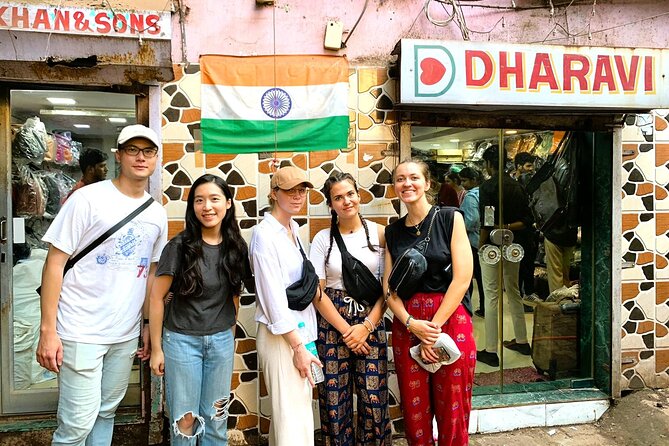
You meet near Mahim Station, with starting points that can vary by option. Two common start locations are Third Wave Coffee and Ram Mahal, and drop-off is also listed as one of those same points.
This matters for two reasons. First, you can plan your day around a clear meet window without needing complicated transfer logistics. Second, because the tour is only 2 hours, the walk needs to be efficient. Expect the guide to keep the group moving, while still leaving time for explanation and questions.
If you hate wandering around with a group you just met, you will still be fine here. The tour is structured: meeting point, guided exploration, then walking route and return to the drop-off. It’s simple.
What you should bring is equally simple: comfortable clothes. And pack light. Luggage and large bags are not allowed, so this is not a “travel all day with your suitcase” kind of activity.
The Industries You Actually See: Pottery, Leather, Baking, Recycling
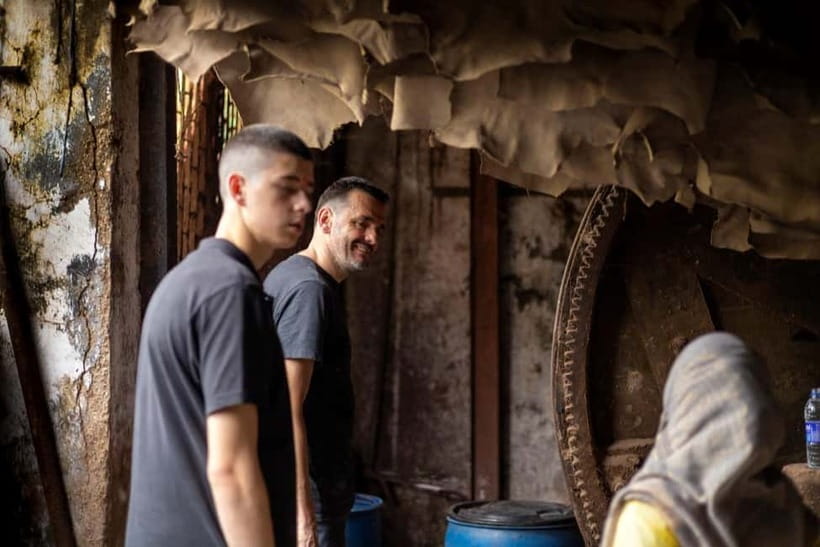
The headline promise is entrepreneurship and small-scale industry, and that is where this tour gets its value. The best reviews and most specific examples point to workshop-style stops, where you see production steps and hear the story of how work is organized.
Here are the kinds of places you may visit:
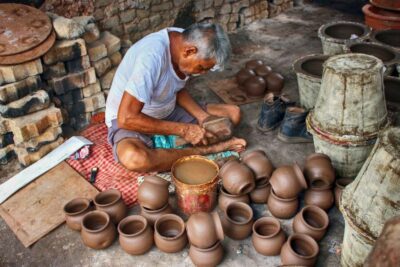
- Pottery work, including spinning wheels and the practical craft behind making forms
- Leather artisans, including work that results in high-quality goods
- Tiny bakeries, where food production is part of the same local economy
- Recycling units, showing how materials get sorted and reused
- Family businesses, which often run on daily relationships and inherited know-how
Even if you do not understand every process at first, you will still get the point. The guide connects small activities to larger outcomes: income, skills, supply chains, and community routines. You’re not just watching hands at work. You’re learning what that work means.
One practical tip: go into this with curiosity, not a checklist. Ask how long a process takes, what tools matter, and what products get made for outside markets. When guides like Sharon or Ruba explain the local economy in a way that you can follow, it’s usually because you ask good questions and the guide knows exactly how to translate the local world into your language.
Watching People Work With a Respect-First Guide
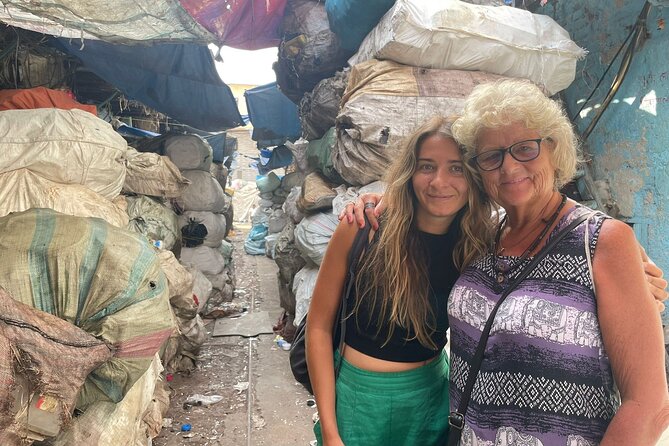
The most praised part of the experience is the tone. Guides are repeatedly described as warm, patient, and sensitive to the community. That is not a small detail. In Dharavi, the difference between a respectful tour and a performative one is the difference between learning and flattening people into a spectacle.
If you want evidence of that approach, look at how guides are praised for respect and privacy, and for creating a safe, comfortable atmosphere. People also mention that guides grew up in the area, like when a guide’s personal connection adds depth to explanations.
I like this style because it gives you something bigger than facts: it gives you a sense of context. You learn why certain places feel the way they do, why some routines are repeated, and why residents talk about pride and resilience as everyday realities.
And yes, you can also expect that the guide will respond to questions. In multiple experiences, guests highlight that guides answered questions carefully and with patience, including questions about daily life and challenges.
Line these Mumbai options up side by side
- Mumbai: Full-Day Sightseeing Tour of Mumbai
★ 4.9 · 1,822 reviews - Private Mumbai Sightseeing Tour (Traveller’s Choice Award Winner)
★ 5.0 · 1,565 reviews - Elephanta Caves & Island Guided Private Tour
★ 5.0 · 1,327 reviews - Group Guided Walking Tour in Fort and Colaba
★ 5.0 · 1,073 reviews
Your 2-Hour Itinerary, Stop by Stop (and What Each Part Gives You)
Because this is a short tour, each segment has to earn its place. Here is what you can expect in the flow of the walk.
Start area and orientation at the beginning
You begin at a designated meet point, typically Third Wave Coffee or Ram Mahal, near Mahim Station. The guide usually uses this time to set expectations: how the walk will work, what to watch for, and how to ask questions.
Why it’s valuable: starting with context helps you avoid gawking. When you know what you’re looking for, you see more and judge less.
Walking exploration through key areas of Dharavi
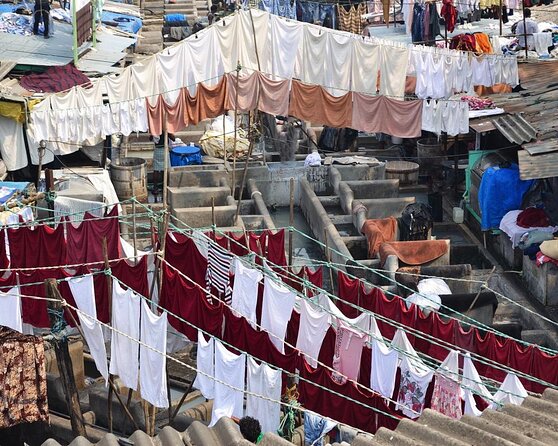
The main part is a guided walk through key areas. Expect busy lanes, workshop-adjacent streets, and small businesses operating in close proximity. Some routes may include a rooftop view looking over dense rooftops toward Mumbai’s skyline, which has been singled out as unforgettable.
What can be challenging: tight space and constant movement. If you are prone to claustrophobia or you dislike close proximity crowds, pace yourself and follow the guide’s instructions about where to stand and when to move.
Interactive workshop moments with local artisans
This is where the tour becomes more than a street walk. You will have chances for interaction at craft and industry stops. Based on what people reported, you might see:
- spinning-wheel pottery work
- leather craft steps for finished goods
- small-scale baking activity
- sorting and processing tied to recycling
Why this is worth the money: you are paying for translation. The guide turns a chaotic-looking environment into a readable system.
Ending at the return drop-off point
You end back at either Ram Mahal or Third Wave Coffee depending on the option you booked. A good guide also helps you plan your next move after the walk.
Practical Questions to Ask Your Guide While You Walk

You will get more out of this if you treat it like a conversation, not a lecture. The guide’s job is easier when you ask clear, grounded questions.
Here are question types that match what guides seem to do best:
- Which industries are most important right now, and why?
- How do people sell products, and who buys them?
- What skills matter most in the workshops you are seeing?
- What does a typical workday look like for residents?
- How do recycling and reuse fit into the local economy?
And keep your questions respectful. The best experiences emphasize respect and privacy, so if a resident seems focused, ask the guide first and let them handle timing.
Ethical Visiting Tips That Actually Help

I recommend a simple rule for this kind of tour: assume you are entering someone’s workplace and home-adjacent life. That means being careful with your body language and how you use your camera.
From what guides have been praised for, tours that work well focus on:
- Privacy first, with the guide handling when and where photos are appropriate
- Respectful conversation, so residents are not treated like exhibits
- Guided boundaries, where the guide controls pacing and group movement
If noise makes it hard to hear, don’t fight it. Mumbai in general is loud, and even the best English guide can only do so much against background sound. Stand where the guide tells you to stand, and ask questions during quieter moments.
Also, avoid carrying large bags. Not because it’s inconvenient, but because the tour explicitly does not allow luggage or large bags.
Price and Value: Why About $7 Can Make Sense
At roughly $7 per person for a 2-hour guided walking tour, this is priced like a budget excursion. But the value comes from what’s included.
You get:
- a professional local English guide
- on-foot exploration of key areas
- a Mahim Station meetup structure
- interactive workshop time with local artisans and craftspeople
The math is clear. For the price, you are not paying for luxury. You are paying for trained translation, route planning, and the social permission structure that makes it possible to see real industries with a guide who knows how to do it respectfully.
If you normally spend a lot on tours but hate “overproduced” experiences, this one can feel refreshingly direct. It’s also a good choice if you want a single activity in Mumbai that gives you a different lens on the city’s economy.
Who This Tour Fits Best (and Who Might Not Love It)

This works well for you if:
- you like walking tours and want close-up city life
- you want to learn how small industries function
- you value respectful, local guide storytelling
- you are comfortable with a working urban environment, not a staged attraction
You might not love it if:
- you want a quiet, low-stimulation experience
- you are uncomfortable in dense, crowded lanes
- you expect lots of sitting down and minimal walking
- you need to bring luggage, because large bags are not allowed
One more fit check: if you travel with someone who wants only “pretty” viewpoints, this tour can still work, but you both need to agree on the purpose. Dharavi visits are for understanding, not just photographing.
Should You Book This Dharavi Slum Tour?
If your goal is to understand Mumbai through the lens of work and entrepreneurship, this tour is a strong match. The biggest selling point is not the setting alone, it’s the way guides like Sharon, Ruba, Jawwad (Jay), Ruqaiyya, and Ansh are repeatedly praised for respectful interaction, patience with questions, and clear explanation of daily life and industries.
Book it if you can handle noise and close quarters, and if you pack light with comfortable clothes. Skip it if you want a low-activity, quiet attraction.
If you do book, come curious, ask thoughtful questions, and let the guide pace the experience. That’s how you turn a short walk into a meaningful, human-scale Mumbai lesson.
FAQ
How long is the Dharavi slum tour?
The tour lasts 2 hours.
How much does the tour cost?
The price is listed as $7 per person.
Is the tour guide available in English?
Yes, the tour has a live English guide.
Where do I meet the guide?
The meeting point can vary depending on the option booked, with listed starting points including Third Wave Coffee and Ram Mahal. It also notes a Mahim Station meetup.
Where does the tour end?
Drop-off locations are listed as Ram Mahal and Third Wave Coffee, depending on the option booked.
What is included in the tour price?
Included items are a guided experience with a local English guide, a comprehensive on-foot walking exploration of key areas, a Mahim Station meetup, and interactive workshops with local artisans and craftspeople.
Is food included?
No. Food and beverages are not included, so you would need to purchase them separately if you want them.
What should I bring?
Bring comfortable clothes.
Are luggage or large bags allowed?
No. Luggage or large bags are not allowed.
Is there a private group option?
Yes, private group options are available.
Latest reviews in from Mumbai
- Mumbai Spice Markets and Bazaars Tour with Guide and Transport★ 5.0 · 42 reviews
- Mumbai Dharavi Slum, Dhobi Ghat & Dabbawala Lunchbox Tour★ 5.0 · 43 reviews
- Private Dharavi Slum Tour with Mumbai Sightseeing★ 5.0 · 43 reviews
- Private Guided Tour in Kanheri Cave with Transfers★ 5.0 · 44 reviews
- Private Guided Walking Tour in Dharavi Slums★ 5.0 · 44 reviews
- Bollywood Tour with Original founder★ 4.5 · 44 reviews
- Mumbai Private Cultural Tour with Lunch and Transport★ 5.0 · 44 reviews
- Unveiling Bollywood: Grand Tour of Iconic Real Sets & Their Story★ 4.5 · 44 reviews
Dharavi Tours, compared.

Dharavi slum tour in Mumbai by Female tour guides of the slum
Read our review →
Dharavi Slum Slumdog Millionaire Tour with a Local
Read our review →
Dhobi Ghat Laundry and Dharavi Slum Tour with Local
Read our review →
Browse the lists this tour appears in