
Reviewed · HIKING & TREKKING
Kedarkantha Trek
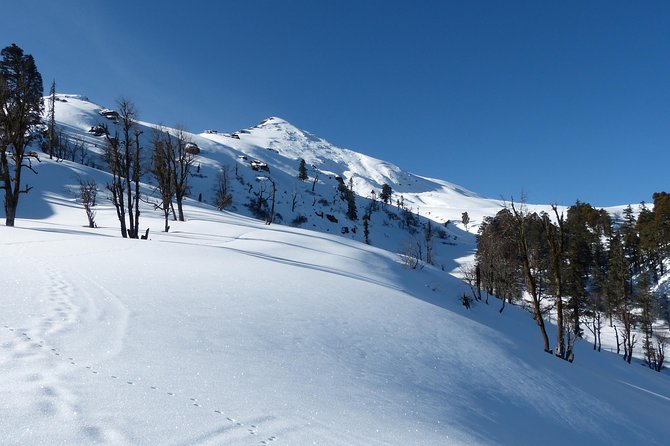
Kedarkantha Trek is one of those Himalayan trips that feels both serious and fun at the same time. You walk through pine and oak forests, then push to the summit of Kedarkantha Peak for big, wide-open views over the Har ki Dun valley.
I especially like that this route gives you more than one kind of mountain moment. You get calm village-and-stream walking early on, then a proper altitude challenge on summit day, and you end nights with tea under a clear sky. One more thing I like is that the camp side is handled well, since camping equipment is supplied for comfort.
The main drawback to consider is altitude and effort. You should be ready for steady climbs and a noticeable high-point day, with the plan reaching about 12,500 feet.
Key Highlights You Should Care About
- All camping gear included, including tents, sleeping bags, toilet tents, and mattresses
- Forest walking through dense pine and oak areas, not just rocky stretches
- Har ki Dun valley views are a core payoff, not a side detail
- Summit attempt to Kedarkantha Peak, with a big day of climbing and then descending
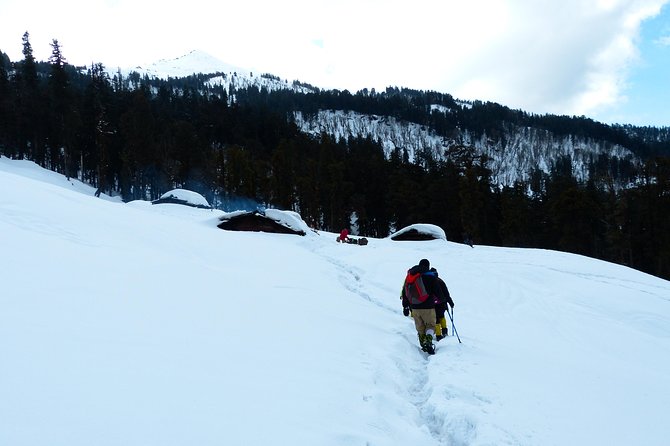
- Winter-style trekking feel with reports of snowfall and even snow blizzard conditions in February dates
- Wildlife chances like boars, martens, and hares, depending on conditions
Why Kedarkantha Works as a Winter Trek Route
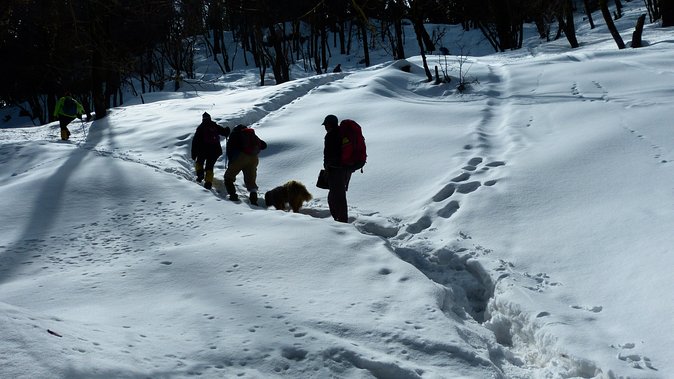
Kedarkantha has a reputation for being a strong choice when winter turns the mountains into a crisp, bright playground. The trip is built around a clear rhythm: hike up through forests, pause for views when you can, then peak when the trail allows it. That makes it feel like a real adventure, not just a long walk.
You also get variety in what you see each day. The trek passes through villages, green hills, and stream areas, so you are not stuck with the same view for five days straight. And when the weather cooperates, the sky nights can be spectacular. The itinerary style is designed for outdoor time, so you have chances to slow down, enjoy a cup of tea, and look up at the stars.
Another reason I like this trek concept is the focus on the payoff. The big moment is the summit of Kedarkantha Peak and the panoramic look over the Har ki Dun valley. That is the kind of goal that gives meaning to the hard hours.
One practical note, though: conditions change fast in winter. Some feedback includes snowfall and heavy winter weather in February, so you should be mentally ready for cold, changing visibility, and slower footing on steeper sections.
Day 1 From Dehradun: The Long Road Start, Then Settling In
Your trek officially begins in Dehradun, with trekkers meeting around 6:30 am for the onward journey. From there, the group travels by road toward Sankri. The distance is about 220 km on National Highway 123, and the transfer time listed runs around 14 hours.
This day matters more than it sounds. It sets your pace and your energy level before you even put on trekking shoes. If you come from far away, plan for travel fatigue, not just the trek ahead. Since the tour does not include your travel to and from Dehradun, you will want to handle that part thoughtfully.
Also, this is a private tour/activity, so your group stays together. That can be a plus if you want a calmer experience than large mixed groups. It can also mean the schedule feels tightly managed, which some people prefer on a short trekking window.
By the time you reach Sankri, your main job is to switch gears from travel mode to mountain mode. You are likely to feel the day more in your legs the next morning, especially after a long road day in winter air.
Day 2 Sankri to Juda: A Clean First Trek Into the Hills
On Day 2, the actual trekking starts from Sankri after breakfast. Your first hike segment runs toward Juda at an altitude of around 9,100 feet. The distance listed is about 4 km, and the plan expects roughly a full day with a typical trekking flow.
That 4 km might not sound huge, but it is your first sustained hike in the mountains. The value of this stage is that it gets your body used to moving uphill without throwing you straight into peak effort. It is also your first real chance to notice trail conditions in winter and how the group handles spacing, stops, and breath control.
The trek route here is described as moving through areas that can include villages and stream-adjacent segments, so you are not only hiking through forest. You are easing into the bigger environment.
What you should watch for on day one and day two is how quickly you feel winded and cold. If you are a slower walker, that is still fine, but you should avoid treating this as an easy day. In winter, cold can make every climb feel steeper, even when the distance is short.
Day 3 Juda to Kedarkantha Base Camp: Forest Walking and Clear Trail Time
Day 3 takes you from Juda to Kedarkantha Base Camp. The hike length listed is again about 4 km, and the time estimate is around 2.5 hours at a moderate speed.
This is the kind of day that can feel like a turning point. Earlier days are about getting moving and adjusting. Today is about settling into the rhythm: steady steps, short breaks, and more time in the dense pine and oak forests. If you love that winter forest look, this is where you get it.
This is also a good day to pay attention to trail visibility and footing. The plan notes that the trail is visible and straightforward. That matters because on other days, especially summit day, visibility and steepness can make the hike harder even if your legs feel okay.
And remember, this trek includes chances to see animals in their habitat, including boars, martens, and hares. You do not control wildlife sightings, but your odds improve when you move quietly and stay alert rather than rushing through every stretch.
The best part of a base camp day is mental. You start to understand what your summit push will require, and you can see the feel of camp life before the big climb.
Day 4 to the Summit: The Steep Climb and the 12,500 Feet Payoff
Day 4 is the big day. The plan raises you from about 11,250 feet to roughly 12,500 feet, and it includes hiking to Kedarkantha Peak and then descending again to Hargaon camp.
This is where effort really counts. Even if you have trekked before, summit days in winter tend to punish overconfidence. Steep sections demand consistent pacing. The air is also thinner, so you will need slower steps and more intentional breathing than you might do on a normal hike.
The reason I think people love Kedarkantha is that the summit goal is clear. You are not aiming for an abstract view. You are targeting a named peak, and the reward is panoramic scenery over Har ki Dun valley.
The itinerary also sets you up to recover quickly after the summit. Descending back toward camp is part of the schedule, which helps if you want a managed end to the day rather than an all-day summit crawl. Still, descending is not easy. Your knees and ankles can get tired quickly on small stones and uneven ground.
If you have only one day to push, this is it. Your best strategy is simple: go slow early, keep moving, and save your energy for the final approach.
Day 5 Descent to Sankri: Stone Stretches and Wind-Down Time
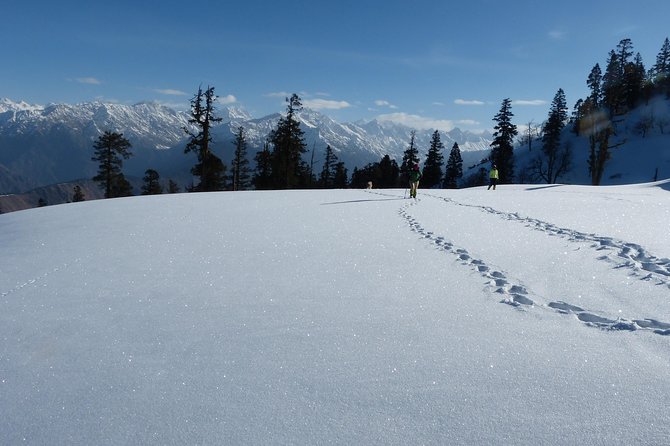
On the final day, you descend further to Sankri, with a time estimate of about 4 hours or more at a moderate speed. The plan describes a more clearly marked, well-paced pathway that can include small stones.
This day is mostly about finishing strong and staying careful. Even when the route is clearer, stone-strewn descents can wear you out. If you tend to lock your knees on downhills, remind yourself to keep a soft bend and take shorter steps.
The schedule includes breakfast and then packing up before you move. After a full week of walking and camp time, the mental shift matters: you are still in trekking mode until you actually reach Sankri. Do not treat this as a stroll just because the highest altitude is behind you.
One of the nice touches of this trekking style is that camp life is paired with outdoor time. The overview mentions overnight stargazing with tea, and it fits the idea that you do not just sleep in tents, you actually experience the nights in the mountains. On the last day, you may feel the contrast even more, because you are going back to road life soon.
Camps, Meals, and What Outdoor Monks Supplies
A big part of this trek’s value is that camp basics are handled for you. The included list covers camping equipment, including tents, sleeping bags, toilet tents, and mattresses. It also includes a first aid kit and forest fees.
That matters because it reduces the biggest hidden cost of trekking on your own. You are not forced to rent gear last minute or bring equipment you do not want to carry. And having a mattress and sleeping bag already planned out makes the night routine easier.
Food is also structured. Your meal inclusions list:
- Breakfast: 4
- Lunch: 3
- Dinner: 4
Day 1 is not included for breakfast and lunch, so you should plan for that first morning or on arrival travel day. Dinner and subsequent meals are covered across the trek.
The trek’s outdoor focus also shows up in the way people talk about tea and warm meals. In the feedback I read, food was described as hot and well-timed even at higher altitude, which is exactly what you want when cold is draining your energy.
Just be aware that meals are included only for the days and counts listed. If you have snacks you rely on, you may want to handle those yourself since personal needs are not itemized.
The Forest, the Animals, and What You Actually Notice on the Trail
The route is built around the walking experience. You head through dense pine and oak forests and move along trails that traverse villages, alongside streams, and over green hills. That mix is not a throwaway description. It directly changes how the trek feels.
Forest walking tends to make cold feel more manageable because wind is reduced. Stream-adjacent sections can feel fresh and bright, and village segments can break up the monotony if you like human-scale moments in the mountains.
The trek also includes a nature-watching element. You are encouraged to look for wildlife like boars, martens, and hares. You should treat that as a bonus, not an guarantee. But it can make you slow down in a good way, watch your footing, and take in small details you might otherwise miss.
And in winter, details matter more. Snow changes how sound travels. It can hide rocks, then reveal them when light shifts. The best way to enjoy this kind of trek is to keep your attention on the next few steps and the view when you reach openings.
Price, Value, and What the $235 Actually Covers
This trek is listed at $235 for about 5 days. That price is meaningful because it bundles the hardest parts to organize: private transportation, camping gear, meals across most trekking days, and forest fees.
Included costs you should value in a practical way:
- Private transportation and parking fees
- Camping equipment (tents, sleeping bags, toilet tents, mattresses)
- First aid kit
- Forest fee
- Most meals during the trek period
Excluded items you must budget separately:
- GST
- Breakfast and lunch on Day 1
- Travel expenses to and from Dehradun
- Personal and medical insurance
So the real comparison is not just $235 versus another trek. It is whether another option gives you the same core bundle. Here, you are paying for logistics plus camp comfort plus food structure. That tends to be good value if you do not want to deal with gear rentals and complicated meal planning.
Also note that you need moderate physical fitness. If you already know you need a higher support level, you may feel better booking with a guide style that matches your pace.
Who Should Book This Kedarkantha Trek (and Who Might Rethink It)
This trip is best for people who want a clear goal trek with a real summit day and who are okay with winter conditions. The experience provider setup is private, and the itinerary is structured, so it suits you if you like a plan and do not want to freelance the logistics.
You should also be comfortable with moderate fitness needs. The trek includes a significant altitude push and a long travel day from Dehradun to Sankri. If you are recovering from injury, have serious breathing issues, or struggle with cold for long periods, you should be cautious and consider a different type of trek.
On the other hand, if you like the idea of forest walking, camp nights, and a single big summit payoff, this fits. The descriptions and feedback around snowfall and winter drama also suggest that winter dates can deliver a memorable atmosphere, as long as you handle the cold responsibly.
Quick Decision Guide: Should You Book With Outdoor Monks?
If you want a trek where camp gear is taken care of, meals are planned, and the route aims at Kedarkantha Peak with panoramic Har ki Dun valley views, this is a strong match. At $235, the value is in the bundled logistics, not just the hiking.
I would book if you:
- Want forest trail time, plus a clear summit target
- Prefer a private group setup
- Are okay planning your own travel to and from Dehradun
- Understand that the trip reaches around 12,500 feet
I would think twice if you:
- Do not handle altitude and long uphill days well
- Need full medical insurance and personalized care that is not stated in the inclusions
- Expect food and meals on Day 1 without planning, since breakfast and lunch on Day 1 are not included
FAQ
What does this Kedarkantha Trek cost and how long is it?
The tour is priced at $235 and runs for about 5 days.
Where does the trek start, and is pickup offered?
Pickup is offered. The trek begins from Dehradun, where trekkers are received around 6:30 am for the onward journey by road to Sankri.
When does the actual trekking begin?
The actual trekking starts from Sankri, after breakfast.
What camping equipment is included?
Camping equipment is supplied, including tents, sleeping bags, toilet tents, and mattresses.
Are meals included on the first day?
No. Breakfast and lunch on Day 1 are not included, though breakfasts, lunches, and dinners are included on other days as listed.
What is the highest point reached on the trek?
The plan for Day 4 elevates trekkers from about 11,250 feet to about 12,500 feet.
What is the cancellation window for a full refund?
You can cancel up to 6 days in advance for a full refund. To get the full refund, you must cancel at least 6 full days before the experience start time.
More Hiking & Trekking in Sankri
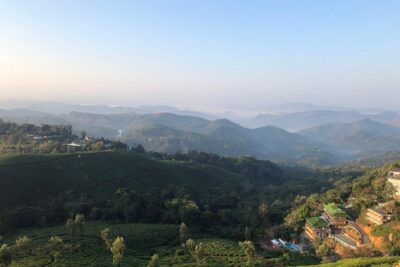
- Mountain Hiking in Munnar (half day) By Munnar Info
★ 5.0 · 390 reviews - Half day trekking (munnar valley Trekking & Tours )
★ 5.0 · 310 reviews - Full day in hiking in Munnar (By Munnar Info)
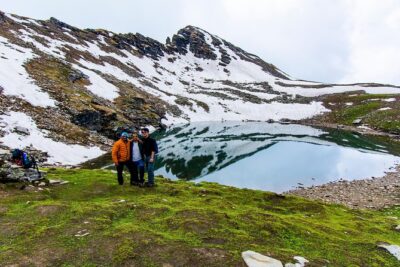
★ 5.0 · 176 reviews - Bhrigu Lake and Alpine Meadow Trek
★ 5.0 · 121 reviews
Hiking & Trekking, compared.
Mountain Hiking in Munnar (half day) By Munnar Info
Read our review →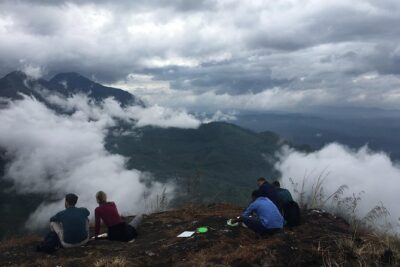
Half day trekking (munnar valley Trekking & Tours )
Read our review →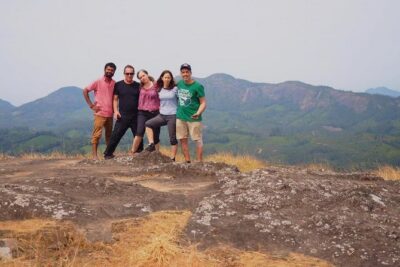
Wild Elephant Anakulam & Waterfalls Tour(munnar valley Trekking)
Read our review →
Browse the lists this tour appears in