
Kedarkantha in winter is one of those treks that feels like it was made for crisp air, steady climbs, and big sky views. I like how this 5-day route runs on end-to-end support from Dehradun, and I also like the way the camps are handled with proper gear like sleeping bags, tents, and even crampons for snowy footing.
That said, treat this as a real hike, not a casual stroll. The altitude climbs fast across days, and the terrain plus cold nights can make it harder than the beginner label suggests, so bring moderate fitness and a calm, steady pace.
Key highlights at a glance
- Dehradun to Sankri round-trip transport is handled, so you can focus on the trek
- Camping setup is included, including sleeping bags, mattresses, kitchen and toilet tents
- Meals are built into the schedule (breakfast, lunch, dinner across all trek days)
- Medical support is part of the package, with a first-aid kit, oximeter, and portable oxygen cylinder
- Summit day is short but serious, with a 360-degree view from Kedarkantha
- Guides matter here, with names like Aarya, Arjun, Rocky Bhai, Sonu bhai, Megha, Kamesh Bhardwaj, and Surender Rana showing up in feedback for their support
Why Kedarkantha’s winter vibe is so different (and worth your time)
Kedarkantha is famous for one reason: when the snow comes, the whole trek changes character. You go from walking in pine and maple shade to standing on exposed ridges and looking out over a chain of Himalayan peaks. Even when you are tired, the scenery keeps pulling you forward.
I also like that the trek mixes forest walking with high, open spots. Juda Ka Talab feels like the start of winter proper, while the base camp area gives you that classic high-altitude calm, where the view seems close enough to touch. Then comes summit morning, where the payoff is dramatic: a stone marker with a trishul pointing up, plus a wide 360-degree sweep across Uttarakhand and the Himachal ranges.
The schedule is intense in a good way. You are trekking, camping, trekking again, and still getting a clear rhythm. If you like structured days with clear goals, you’ll probably enjoy this more than a free-form trek.
More Hiking & Trekking in Rishikesh
- Har Ki dun Trek by Himalaya Shelter
★ 5.0 · 102 reviews - Top Tibba Trek – Mussoorie
★ 5.0 · 61 reviews - Chopta Trek
★ 5.0 · 52 reviews
Price and value: what $120 actually buys you here
At about $120 per person for roughly 5 days, the value is strongest when you count what is included. You are not just paying for a trail. You’re getting:
- Transport support Dehradun to Sankri on day 1, and the return to Dehradun on day 5
- Professional guide, cook, and support staff
- Camping and kitchen infrastructure, including tents, mattresses, stools and tables
- Meals included: breakfast (4), lunch (3), dinner (4)
- Medical safety items: a first-aid kit plus an oximeter and portable oxygen cylinder
- Gear that matters in snow, like sleeping bags and crampons
- Mule support for the camping equipment (important, because carrying camp stuff yourself in cold weather is not fun)
A fair warning on value: trekking fee and forest entry charges are included for Indian nationals, so if you are not an Indian national, confirm what applies to you before booking.
Also, last day accommodation is not included. You can choose hotels in the ₹1600 to ₹3000 per room range. That cost is separate, so factor it in when you budget.
For many people, the biggest hidden win is that you travel with fewer logistics headaches. If you’d rather spend your energy on walking and photos, this packaged setup makes sense.
The long drive on Day 1, Dehradun to Sankri via Mussoorie and Kempty Falls
Day 1 is essentially a scenic transfer day plus an easy start. You leave Dehradun and drive toward Sankri, with a route that includes Mussoorie and a stop at Kempty Falls. There’s also a breakfast stop overlooking the Yamuna River area, plus time to take in the shift in scenery after Mori, where forests appear along the Tons River.
You also pass areas connected to the Govind Wildlife Sanctuary gateway at Netwar, and you arrive in Sankri early evening. Altitude on this day is listed at about 1,920 meters, so you’re not at peak altitude yet, which helps you settle in.
Possible drawback: it is a long day at the start. Even if the drive is scenic, it still means you will likely feel it in your legs later. The upside is that you’ll be setting up camp for real the next day, so day 1 has a purpose: get you to the right starting point.
If you’re traveling as a group, you’ll also likely meet others at the Prince Chowk meeting point in Dehradun, and it can help to share expectations right away.
Day 2 to Juda Ka Talab: the 4 km walk that sets the tone
On day 2 you leave Sankri early after breakfast and trek to Juda Ka Talab. The route is only about 4 km, and the trek time is roughly 2 to 3 hours, which makes it feel manageable on paper. The real challenge is how the trail behaves: it climbs sharply at first, then you reach a ridge where the path evens out and widens.
This is also the day you properly enter the pine forest. The walk stays cooler because the pine and maple trees block the sun. And you’ll pass through village crossings, including a village called Saud, before the trail gradually commits to higher ground toward Kedarkantha.
Juda Ka Talab is where winter becomes very real. In winter, the water body freezes, and the area can see heavy snowfall. You camp overnight alongside it, at about 2,774 meters.
What I like about this day: it’s short enough to build confidence, and it still feels like a real mountain trek because it gives you that first taste of cold-air exposure and altitude.
What to watch: the trek might be “only 4 km,” but it includes climbing and walking on winter conditions. If you’re prone to rushing, slow down. Your body will thank you.
A different shape of Rishikesh day:
- Day Rafting in Rishikesh- 16km
★ 5.0 · 328 reviews - Half Day Rafting in Rishikesh – 26 Km.
★ 5.0 · 300 reviews - Day Rafting in Rishikesh – 26km
★ 5.0 · 292 reviews - Landour Infinity Walk – A Guided Walking Tour Of Landour
★ 5.0 · 80 reviews
Day 3 Kedarkantha base camp: shepherd huts, open meadows, and colder nights
Day 3 starts with continued movement deeper into pine forests. As you trek onward, the trail eventually reaches a meadow with shepherd’s huts. Then you climb another thousand feet to the base camp.
This day’s key segment is about 3 km to the Kedarkantha base camp area, typically 2 to 3 hours. The destination sits around 3,429 meters. It’s often described as one of the prettiest sections, with photographers and nature lovers naturally gravitating there.
One detail worth planning for: the base camp area is colder than the summit. That sounds backwards, but the reason is practical. Less insulation means you feel the cold more at camp than you do up top.
The payoff here is visibility. From base camp, you can see famous Uttarakhand peaks stretching out in a long view. This is the day you’ll likely stare up a lot, because tomorrow’s summit line starts to look real.
Possible drawback: it’s not just about reaching base camp. It’s about how cold you feel at camp after. Make sure you use everything provided for warmth, especially your sleeping bag system.
If you’ve got a group pace that’s slower or faster, this day helps you adjust without losing the whole schedule.
Day 4 Summit day to Kedarkantha: short distance, big 360-degree payoff
The summit day from base camp is not described as a long trek. Once you start, you’re basically working toward that moment when your effort turns into a wide open view.
At the top, there’s a stone arrangement marked with a trishul pointing to the sky. It’s a clear summit marker, and it helps you confirm you’re at the real place before you settle in for photos.
The views are the headline. From Kedarkantha you can see peaks across Uttarakhand, plus the Chaainsheel Pass and Kailash ranges of Himachal. You can also see the Har Ki Dun valley below.
There’s also a cultural story tied to the name. Kedarkantha is said to mean the throat of Lord Shiva, connecting Kedar to Shiva and Kantha to throat. Legend connects this peak to a temple story, involving Lord Shiva and a disguise tied to the Pandavas.
What I like: your day is focused. You have a clear objective, and the route is short enough that you can manage energy, then spend time on top without feeling rushed.
What to consider: summit day can still be physically tough because of cold air and exposure. If you’ve been pushing too hard earlier in the trek, you’ll feel it here.
Why the return to Juda Ka Talab matters (and helps you recover)
After the summit, the plan brings you back down toward Juda Ka Talab for the overnight again. This does two things for you.
First, it keeps the trek rhythm sensible. Instead of extending your highest-altitude pressure, you descend back toward a base where camp life makes more sense.
Second, it gives your body a chance to stabilize. You might not feel it immediately, but having a second night at Juda Ka Talab can help you recover enough for the final travel day down to Dehradun.
Also, camping near Juda Ka Talab is a reminder of the winter theme. Snow or freezing conditions are more likely to be part of your night routine, so your warmth strategy needs to work.
Day 5 Drive back to Dehradun: the part everyone forgets to plan for
The final day is the return drive to Dehradun. You travel back on the same alluring road. As you descend, the scenery shifts from pine forests to wider roads and back into city life.
The itinerary ends back at the meeting point in Dehradun. Accommodation on the last day is not included, and you can choose hotels ranging from ₹1600 to ₹3000 per room.
Practical tip from experience with treks like this: plan something easy for that last evening. You will be tired. Shower if you can, eat something comforting, and sleep. The trek days have already done the hard work.
Camp comfort that actually helps in cold weather
This tour’s camping setup is a major part of why people seem to recommend it. You get kitchen tents and common tents, plus toilet tents with portable toilet seats. You also get sleeping bags and mattresses, along with camping stools and tables.
Crampons are included too. That matters when snow is present, because footwear traction becomes a safety issue, not a nice-to-have.
In feedback, names like Aarya, Rocky Bhai, Sonu bhai, and Megha come up for being supportive and attentive, including for pushing people to finish the summit when it counts. That can make a huge difference if you’re the kind of person who doubts yourself halfway through a climb.
One detail I appreciate: warm drinks show up in feedback, including mention of warm water even in very cold conditions. That’s not just comfort, it’s practical. Warmth helps your body recover between walking.
And yes, washrooms come up as something people were satisfied with, which is worth noting because winter trekking often turns that into a stress point.
Gear and packing: don’t fight the cold with willpower
Since the tour provides sleeping bags, mattresses, tents, crampons, and camp infrastructure, your job is mostly personal comfort and basic safety. From the inclusions and exclusions, here’s what you should take seriously:
- Bring your own personal medicines and essentials, because personal medicines are not included
- Pack for cold conditions, since the route includes freezing winter areas and potential snowfall
- Think about your laundry and hygiene needs. Toilet tents exist, but you still need to manage your own comfort
- If you plan to carry personal luggage on a mule, note the cost listed as INR 500 per bag/day
Also, the tour specifically mentions a lunch box to avoid using polythenes for packed lunch or breakfast. Even if you don’t bring one, you should plan a cleaner approach for any extra items you want to carry.
If you’re unsure what to bring, keep it simple: warm layers, a good winter cap or hood, gloves, and socks you trust. Your goal is staying warm without overheating during the climb.
Who this trek suits best (and who might want a different option)
This trek is best for people who want a clear winter mountain experience without doing the logistics themselves. It suits you if you like:
- Guided pacing with professional staff and support
- Fixed camping setup and included meals
- A route with real altitude movement over multiple days
- A summit day that is short in distance but huge in views
It might be a tougher fit if you have limited stamina, struggle with cold, or hate camping. The trek does require a moderate fitness level, and it’s not just “walk a bit and relax.” You earn the views.
If you’re going with friends, the tour allows customization for group decisions and requires at least 6 people for a customized group. The maximum group size is 25 travelers, so it stays human-sized.
Should you book the 5 Days Kedarkantha Trek with Himalaya Shelter?
If you want Kedarkantha without spending your vacation juggling transport, tents, meals, and winter gear, I think this is a strong booking choice. The best value is the full camp and meal setup, plus the presence of medical gear like an oximeter and portable oxygen cylinder. That combination makes the trip feel safer and more “handled.”
I’d book it if you can handle cold conditions and you’re willing to take the altitude seriously, especially on days 2 to 4. Summits feel better when you pace yourself, and this itinerary gives you the structure to do that.
But if you’re looking for an easy outing with minimal effort, this won’t match your expectations. The trek might be achievable for many people, yet it still has real climbing, winter nights, and a summit day that demands focus.
FAQ
What is the duration of the 5 Days Kedarkantha Trek?
The trek is listed as 5 days approximately.
Where does the trek start and end?
It starts at Prince Chowk, Dehradun, Uttarakhand 248001, India and ends back at the same meeting point in Dehradun.
How many people can join, and can groups be customized?
The maximum group size is 25 travelers. You can customize a group booking, and it should have at least 6 people.
What transport is included in this trek?
Transport support is included from Dehradun to Sankri on day 1 and return to Dehradun on the last day.
What meals and accommodations are included?
Meals included are breakfast (4), lunch (3), and dinner (4). Accommodation includes 1 night at a guesthouse on a triple-sharing basis and 3 nights in alpine tents on a twin-sharing basis.
What camping and safety gear is provided?
You get sleeping bags, mattresses, kitchen and common tents, toilet tents with portable toilet seats, crampons, and a first-aid kit with an oximeter and a portable oxygen cylinder.
Are fees and forest entry charges included?
Trekking fee and forest entry charges are included for Indian nationals.
Is the last day accommodation included?
No. Accommodation on the last day is not included, and hikers can choose hotels ranging from ₹1600 to ₹3000 per room.
How does cancellation for refund work?
You can cancel up to 6 days in advance for a full refund. For a 50% refund, cancel 2 to 6 full days before the start time. If you cancel less than 2 days before, the amount paid is not refunded. The experience may also be rescheduled or refunded if canceled due to poor weather or if the minimum traveler requirement is not met.
Latest reviews in from Rishikesh
- Hathipaown Heritage Walk – A guided walk to Mini Everest★ 5.0 · 58 reviews
- Landour Infinity Walk – A Guided Walking Tour Of Landour★ 5.0 · 80 reviews
- Day Rafting in Rishikesh – 26km★ 5.0 · 292 reviews
- Half Day Rafting in Rishikesh – 26 Km.★ 5.0 · 300 reviews
- Benog Tibba Day Hike – Mussoorie★ 5.0 · 38 reviews
- Chopta Trek★ 5.0 · 52 reviews
- Har Ki dun Trek by Himalaya Shelter★ 5.0 · 102 reviews
- Top Tibba Trek – Mussoorie★ 5.0 · 61 reviews
Hiking & Trekking, compared.
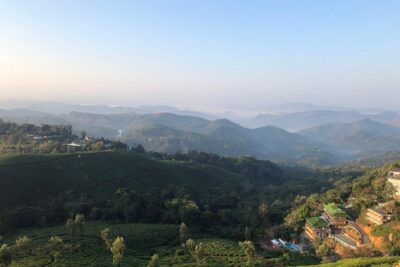
Mountain Hiking in Munnar (half day) By Munnar Info
Read our review →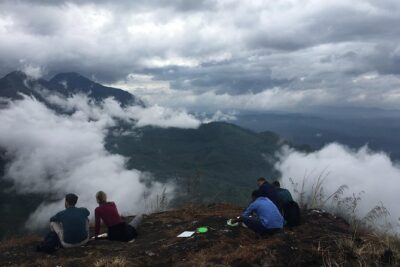
Half day trekking (munnar valley Trekking & Tours )
Read our review →
Wild Elephant Anakulam & Waterfalls Tour(munnar valley Trekking)
Read our review →
Browse the lists this tour appears in