
Reviewed · PUNE TOURS
Immersive culture tour of Pune by private car with guide and local lunch
A private day in Pune is a great way to get your bearings without juggling tickets, timing, and transit. This one rolls from temple to museum to historic power centers, with transportation and entry fees handled for you, plus lunch included.
I especially like the way the route mixes faith, art, and political history, starting at Dagdu Sheth Halwai Ganpati Mandir. I also like that your guide, often praised by name as Ajit, keeps the day moving at a relaxed pace with good English and plenty of questions answered.
One consideration: you are on a fixed 8-hour rhythm, so if you hate structured sightseeing or want long unplanned stops, you may feel a bit boxed in.
Key things that make this Pune day work
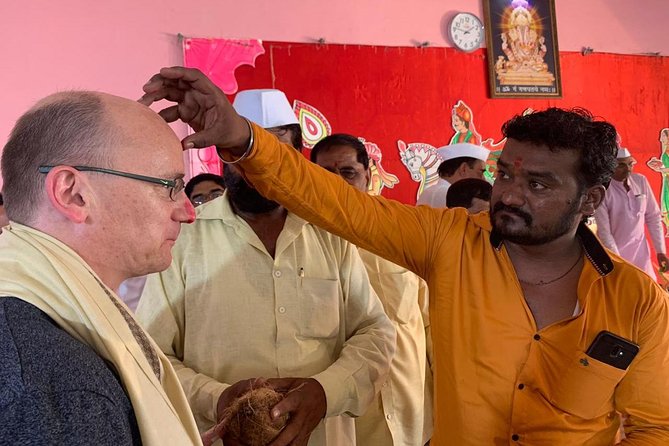
- Private car with guide, so you can ask questions and adjust timing without slowing the whole group
- Lunch included at no extra cost, which keeps the day smooth instead of turning into a meal hunt
- All entry fees included, so you can focus on the places, not the add-on costs
- A focused route across temple, museum, forts, and a freedom-movement monument
- Guide stories in clear English, with Ajit specifically called out for explaining culture, religion, and history
- Good weather matters, since the tour requires it to run as planned
How this Pune tour fits a first-time visit
Pune can feel big if you only skim a few monuments. This tour is built like a guided map in motion. You start at one of the city’s best-known Ganesh temples, then shift gears into collections and museums, before ending at a landmark tied to India’s freedom movement.
What makes it practical is the format. You get hotel pickup and return, you get a private car, and you get admission fees included. For you, that means less time planning, fewer small surprises, and more time actually looking at the sites.
Because it’s a private tour, you also get personal attention. That matters at places where context changes how you see what’s in front of you. A temple visit can be spiritual and quiet, but it gets a lot more interesting when a guide explains why it was built and what the legends mean.
Line these Pune options up side by side
- Guided Highlights of Pune Car Tour with a local (4 Hrs Sightseeing in AC Car)
★ 4.5 · 88 reviews - Pune Walking Tour with a Punekar
★ 4.5 · 76 reviews - Pune: Old City & Camp Cultural Walking Tour with Local Snack
★ 4.9 · 65 reviews
Morning pickup and the pacing that keeps it from feeling rushed

The tour starts at 8:30 am. It runs about 8 hours, which lines up well with the five main stops. You are not racing across town nonstop. You get dedicated time at each place, plus travel time in between.
From what I’ve seen praised, Ajit tends to keep the day relaxed. People also note he involves you in the experience, not just lectures you while you stand in a courtyard. That’s a real quality-of-life factor. In a day like this, the best tour pace is the one where you can actually notice details, ask questions, and not feel like you are constantly sprinting to the next ticket booth.
Stop 1: Shrimant Dagdusheth Halwai Ganpati Mandir, Pune’s famous Ganesh start
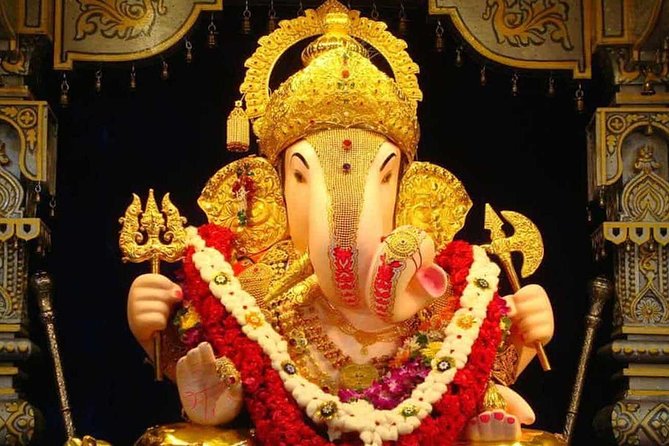
You kick off at Shrimant Dagdusheth Halwai Ganpati Mandir, dedicated to Lord Ganesh. This is arguably the most famous temple in Pune, and it is famous for a reason that your guide will explain while you are there.
You’ll learn the temple was built in 1892 by a sweet maker who lost his son to the plague. That story changes the mood of a simple temple stop. It turns the visit into more than taking photos. You understand that devotion here connects to a real moment of grief and recovery, and that people built something lasting because they needed it.
You get about 30 minutes at this first stop. That’s a useful length. It’s enough time to see what makes the place special without eating your whole morning. If you’re the type who likes a strong opening that sets context for the rest of the day, this first stop does that job.
Possible drawback to consider: because it’s well known, you might want to arrive mentally ready for a bit of energy in the area. The tour starts early, which helps, but this is still one of the city’s major sites.
Stop 2: Raja Dinkar Kelkar Museum and why a one-person collection hits differently
Next up is the Raja Dinkar Kelkar Museum, with about 1 hour on the clock. This museum is built around one man’s collection, described as one of the largest one-man collections in the world.
What you’ll get out of it is not just objects behind glass. You’ll get a sense of how one collector traveled across India and gathered pieces that reflect local craft and everyday life. The museum holds artifacts from across the nation, so you’re not just learning Pune here. You’re seeing a broader picture of Indian culture through the lens of a single person’s curiosity.
I like this stop because it balances the day. Temples can be emotional and architectural, and forts can be political. The museum is where you slow down, look closely, and let the stories settle. If you want that pause between heavier history stops, this is it.
Practical note: because your guide manages entry, you won’t spend time figuring out ticket steps. You can focus on what you came for: meaning.
A different shape of Pune day:
- Private 2-Day Tour to The Taj Mahal and Agra with Both Side Commercial Flights
★ 5.0 · 63 reviews - Skip the Line: Meher Retreat Day Picnic Ticket, Near Pune
★ 3.5 · 57 reviews - Immersive walking tour in Pune for cultural immersion with guide
★ 5.0 · 35 reviews - Sinhagad Fort Trip (Guided Half Day Sightseeing Tour)
★ 5.0 · 29 reviews
Stop 3: Shaniwar Wada, where the Peshwas ruled
Your third stop is Shaniwar Wada, with about 1 hour. This is described as the seat of power of the Peshwas, who were the prime ministers of the Maratha Empire between the 17th and 19th centuries.
This is the point in the day where the story shifts from culture to power. You are no longer just looking at places of worship or a collection built by one person. You’re seeing the kind of site where decisions shaped whole regions.
I like that your guide connects what you see to why it mattered. When someone explains that the site relates to the leadership of the Marathas, you tend to look more carefully at the layout and the purpose of the space, even if you cannot read every inscription or detail at a glance.
Possible drawback: this kind of historic site is often best when you are comfortable walking around and taking in large structures. The tour’s private car helps you get there, but once you’re on site, you’ll want to be okay with standing and moving at a steady pace.
Stop 4: Darshan Museum and Sadhu Vaswani’s teachings
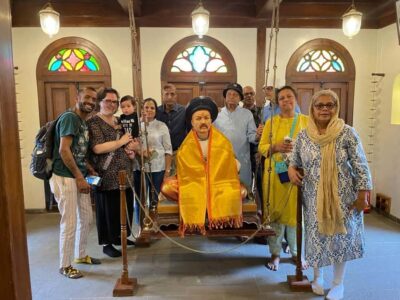
After the fort history, you go to the Darshan Museum, about 1 hour. This museum is dedicated to the life and teachings of Sadhu Vaswani, a spiritual leader.
Your guide will help you frame what you’re seeing as a biography in museum form, not just a room of exhibits. The museum is tied to a message that emphasizes love and reverence for the betterment of humanity. That’s a different kind of “history” than dates and rulers, and it changes the emotional temperature of the day.
I like the Darshan Museum stop because it gives you a more human scale. Forts and palaces can feel distant. A spiritual teacher’s ideas tend to land closer to everyday life, so the day doesn’t end feeling like a textbook.
One consideration: if you prefer strictly material history with fewer philosophical themes, you might find yourself wanting more time at the fort or palace. Still, this is the stop that makes the tour feel balanced, not only “big monuments.”
Stop 5: Aga Khan Palace, a freedom-movement landmark
The last major stop is Aga Khan Palace, about 1 hour. This palace is described as a national monument of India’s freedom movement.
You’ll also learn it was built in 1892 by Imam Sultan Muhammad Shah Aga Khan III. Even if you only have an hour, this is the kind of place that often has layers, because freedom-movement sites carry more than one story at a time.
I like ending here because it pulls the day forward. You start at devotion, move through culture collections and political power, then finish at a site tied to freedom. It’s a clean arc that helps you understand how Pune and Indian history connect across different themes.
Possible drawback: since this is the final stop, your energy level matters. The tour still aims for a relaxed pace, but by the end of an 8-hour day, you will likely be happier if you’ve paced yourself at earlier stops.
Lunch break: included local food without the extra planning stress
A key part of the experience is that lunch is provided at no extra cost. That matters more than it sounds. In a day like this, you want one less decision, one less cash transaction, and fewer chances of running behind schedule.
The local lunch is repeatedly described as delicious, and it shows up as a highlight in multiple accounts of the day. If you’re picky about meals, or if you’ve been stressed about where to eat near major attractions, this inclusion is a relief.
How I’d use the lunch timing: treat it as a reset, not a time to rush. Your guide is there, so if you have questions about what you saw earlier, lunch is a good moment to ask. Guides like Ajit are praised for explaining culture and religion clearly, and those conversations often lead to better understanding in the second half of the tour.
Price and what you get for $117.34 per person
At $117.34 per person for about 8 hours, the value comes from what’s bundled.
You’re not just paying for a car and a guide. You are paying for:
- Hotel pickup and transportation
- Admission tickets included
- Lunch included
- A private tour format with flexibility
When you add up typical costs for entry fees and local transport, the bundled structure tends to be the point. The price is not just about being driven around. It’s about removing frictions that often waste half a day during sightseeing.
There’s also group discount noted, and mobile ticket is offered. If you are traveling with friends, you might see better value, but even as an individual, the included tickets and lunch make this feel like a true all-in day.
One more value factor: Ajit and the tour experience are repeatedly praised for service that feels smooth, with comfortable car and a safe driver. Those are not glamorous details, but they matter when you are trying to enjoy a full day instead of managing discomfort.
Who should book this Pune culture day
This is a strong fit if:
- You want a first introduction to Pune that covers multiple angles, temples, museums, power centers, and a freedom-movement monument
- You prefer a private guide who can answer questions and explain context in English
- You’d rather spend your energy on seeing and learning than planning logistics
- You appreciate a relaxed pace, with time at each stop rather than a drive-by checklist
It may be less ideal if:
- You want a fully unstructured day with lots of wandering on your own
- You dislike the idea of fixed time blocks at major sites
- You want to skip temples or spiritual sites and focus only on forts or only on museums
Should you book this Pune tour or choose another plan?
Book it if you want an organized day that still feels personal. The mix of Dagdu Sheth Ganpati Mandir, Raja Dinkar Kelkar Museum, Shaniwar Wada, Darshan Museum, and Aga Khan Palace gives you a rounded understanding of Pune, not just one slice of it. The included lunch and entry fees are the kind of practical extras that keep the day enjoyable.
Consider a different option if you are chasing only one theme, like only freedom movement sites or only museums. Also, keep your eye on the weather. The tour requires good weather, and you’ll want to plan around that if rain can disrupt your day.
If you do book, bring curiosity and come ready to ask questions. Guides like Ajit are praised for making history and culture feel clear, even when the day covers very different kinds of places.
FAQ
What is the duration of the Pune private car tour?
It’s listed at about 8 hours.
What time does the tour start?
The start time is 8:30 am.
Is lunch included?
Yes. Lunch is included at no extra cost.
Are entry fees and transportation included?
Yes. The tour includes transportation and entry fees.
Is this tour private?
Yes. It’s a private tour, so only your group participates.
What if the weather is bad?
The experience requires good weather. If it’s canceled due to poor weather, you’ll be offered a different date or a full refund.
Latest reviews in from Pune
- Best of Pune Private City Tour with Lunch and Transport★ 5.0 · 17 reviews
- Pune to Lonavala Monsoon Drive in Private Vehicle★ 4.5 · 20 reviews
- Why Pune? : A Heritage Walk through Old Pune★ 5.0 · 26 reviews
- Sinhagad Fort Trip (Guided Half Day Sightseeing Tour)★ 5.0 · 29 reviews
- Immersive walking tour in Pune for cultural immersion with guide★ 5.0 · 35 reviews
- Skip the Line: Meher Retreat Day Picnic Ticket, Near Pune★ 3.5 · 57 reviews
- Private 2-Day Tour to The Taj Mahal and Agra with Both Side Commercial Flights★ 5.0 · 63 reviews
- Pune Walking Tour with a Punekar★ 4.5 · 76 reviews
Pune Tours, compared.
Guided Highlights of Pune Car Tour with a local (4 Hrs Sightseeing in AC Car)
Read our review →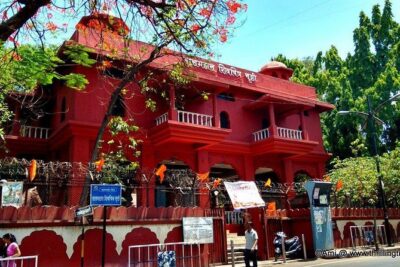
Pune: Old City & Camp Cultural Walking Tour with Local Snack
Read our review →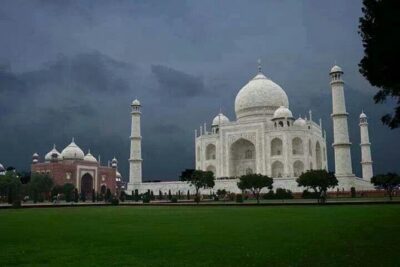
Private 2-Day Tour to The Taj Mahal and Agra with Both Side Commercial Flights
Read our review →
Skip the Line: Meher Retreat Day Picnic Ticket, Near Pune
Read our review →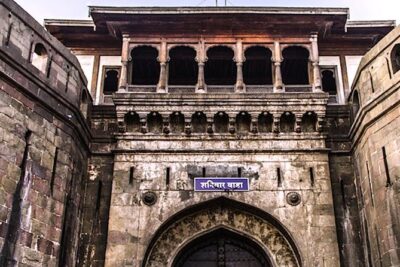
Immersive walking tour in Pune for cultural immersion with guide
Read our review →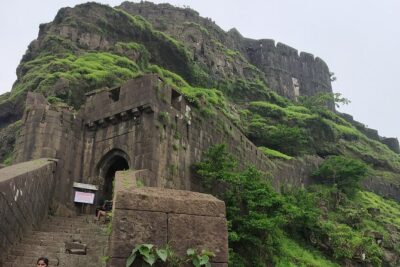
Sinhagad Fort Trip (Guided Half Day Sightseeing Tour)
Read our review →
Browse the lists this tour appears in