
Dharavi is the kind of place that scrambles your assumptions in the best way: one of India’s largest informal settlements, where commerce, recycling, and family life happen side by side. I love the small-group limit of 15, because you can move through tight lanes without feeling herded. I also like the focus on real work, from waste management and recycling to leather and pot making. One possible drawback: it is a walking tour, and parts of the route can feel crowded, so you’ll want to come with comfortable shoes and a patient mindset.
You’ll meet at Third Wave Coffee in Mahim and head into the settlement with a guide. The tour is designed to help you get oriented fast and understand how people earn a living, learn, trade, and build community. It’s practical, not just sightseeing, and it’s priced so low that it almost feels like a bargain you should not miss.
Quick takes: what makes this Mumbai-Dharavi tour work
- Only 15 people max, so questions actually get answered instead of swallowed by the group
- Work-focused route, starting in commercial areas tied to recycling and manufacturing
- Hands-on craft spots, including pottery and textile-related studio work
- Residential-area peek, with markets, schools, leather work, and narrow alleys
- Optional pickup and door-to-door transfers, if you don’t want to puzzle out getting there
- Plastic recycling is a standout topic, with the process explained in a way that clicks
Where Dharavi fits in Mumbai, and why this tour is different
Most first-timers arrive in Mumbai and head straight for the obvious views. This tour takes you somewhere that most visitors never plan to see. Dharavi is home to over one million people, and the key idea here is simple: this isn’t a single story. It’s a patchwork of livelihoods, workshops, homes, schools, and trading hubs.
What sets this experience apart is that it’s built like a guided walk through how the place functions. You do not just pass by buildings. You watch industries at work, from waste management and recycling in the commercial areas to small-scale production and daily routines in the residential areas. The group size cap matters because Dharavi’s lanes are tight. A smaller group helps you stay flexible and keeps the tour moving at a human pace.
And yes, the tour’s connection to Slumdog Millionnaire shows up in the way people talk about Dharavi and its entrepreneurial energy. Even if you know the movie, you’ll still be better served by focusing on the on-the-ground industries you see during the walk.
Other Dharavi walks:
- Dharavi slum tour in Mumbai by Female tour guides of the slum
★ 5.0 · 1,976 reviews - Mumbai: Dharavi Slum, DhobiGhat, and Dabbawallas Tour
★ 4.9 · 689 reviews - Dharavi Slum Tour
★ 5.0 · 625 reviews
Getting there: meeting point, pickup, and the “don’t overthink it” plan
The standard meeting point is Third Wave Coffee, Tip Road, Unit no. 58, Ground, Ram Mahal, Senapati Bapat Marg, Marinagar Colony, Station, Mahim, Mumbai, Maharashtra 400016, India. The tour notes that it is near public transportation, which is helpful because Mumbai traffic and timing can be unpredictable.
If you prefer less hassle, pickup is offered, and you can also upgrade to door-to-door hotel transfers from anywhere in Mumbai. For a two-hour tour, that upgrade can be worth it simply because it reduces the stress of timing and navigation. When you’re only out for about two hours, you want your time to be spent walking and learning, not negotiating with maps.
You’ll also get a mobile ticket, so you can keep everything in your phone and avoid extra paperwork.
The route: how the commercial area section works
The tour is structured around two big zones. First you move through the commercial areas, where you can actually observe recycling systems and manufacturing activity. Dharavi’s commercial life is where the tour’s biggest eye-opener energy lives, because you can see the scale of work happening in cramped conditions.
In this part of the walk, you’ll focus on waste management and recycling. This is where the tour highlights small-scale industry: people working with materials, sorting, processing, and turning discarded items into usable outputs. One of the most praised moments is the plastic recycling work, because it gives you a clear sense of how the process functions step by step.
Why this matters: if you only think of Dharavi as a place people come from, you miss the point that it is also a place that produces, processes, and sells. Watching the recycling side gives you a lens for understanding the rest of what you’ll see later, including craft production and the trade links between workshops and markets.
Possible drawback to plan for: the commercial stops may feel intense because the activity is real-time. If you are sensitive to the sight of industrial processes, or if you prefer slow, quiet museum-style pacing, bring a calm attitude and keep your questions gentle.
Moving into residential Dharavi: markets, schools, and day-to-day life
After the commercial section, you shift into the residential area. This is where the tour becomes less about industry machinery and more about community rhythm. The experience is designed to help you explore local markets, schools, and the kinds of industries that happen close to everyday life.
Here’s what you can expect to look for during this segment:
- Local markets, where trade and everyday errands overlap
- Schools, which add a more future-looking perspective to what you’ve just seen in recycling and manufacturing
- Leather industry work, described as part of the broader small-scale production network
- Pot making areas, where craft is part of the local economy rather than a souvenir-only concept
- Narrow alleys, which are part of how the neighborhood is navigated and how people move between homes and workplaces
This residential portion can be the most emotionally complex part of the tour, simply because schools and markets are more personally familiar than factories. You might find yourself thinking about who benefits from infrastructure, education, and stable work. That’s the value of the walk format. It connects the industrial side to human routines.
How to stay respectful and comfortable: ask your guide what is normal here, and keep your camera use mindful. If you feel awkward, that’s okay. Lean on your guide to set the tone.
Line these Mumbai options up side by side
- Mumbai: Full-Day Sightseeing Tour of Mumbai
★ 4.9 · 1,822 reviews - Private Mumbai Sightseeing Tour (Traveller’s Choice Award Winner)
★ 5.0 · 1,565 reviews - Elephanta Caves & Island Guided Private Tour
★ 5.0 · 1,327 reviews - Group Guided Walking Tour in Fort and Colaba
★ 5.0 · 1,073 reviews
Artisan studios and small-scale production: what you actually learn
One of the tour’s selling points is that it doesn’t keep everything at street level. You’ll see artisans in their studios and learn how residents live and work. The tour description specifically mentions pottery and textile-related studio work, along with other manufacturing and production activities.
This matters because it turns your visit into something closer to a guided lesson. Instead of saying, Wow, look at this, you start understanding why something is made, who buys it, and how the process supports households. The entrepreneurial culture reference tied to Slumdog Millionnaire is useful here because it points you toward an important theme: people are building businesses and skills in the middle of constraints.
Also, studio-style stops work well with a small group. With 15 people max, you’re more likely to get your guide’s full attention when you ask questions. The reviews strongly signal that guides handle questions well, with a steady pace that leaves room for you to ask what you want to know.
The guide and the pacing: your best asset on this walk
This tour works because you have a guide moving you through complicated spaces. The experience is capped at 15, but that is only half the story. The other half is how the guide handles the flow.
Based on the strongest feedback, the pacing is at a comfortable speed, and the guide is prepared with clear explanations. People especially liked the way guides make room for questions instead of rushing through stops. That’s a big deal in Dharavi, where a single street can include multiple kinds of work happening at once.
If you’re the type of traveler who likes to understand how things work, this tour is built for you. You won’t just watch. You’ll learn the reasons behind the industries you see, and your guide should help translate what you’re noticing into something meaningful.
Price and value: why $8.95 can be a real bargain
At $8.95 per person for about 2 hours, this tour is unusually affordable for what you get. You’re paying for a guided route that gives access to areas that would likely be hard to visit independently. You’re also paying for the infrastructure of the tour itself: small group size, route planning, and a guide who can answer practical questions on the spot.
The value gets even better when you consider the content mix. Recycling and manufacturing activity alone can be intense and hard to navigate. Add residential areas with markets, schools, leather work, pot making, and narrow alleys, and the tour starts to feel like a fast education about how a dense settlement runs.
And if you upgrade to door-to-door hotel transfers, you’re essentially buying convenience. For many travelers, that convenience is worth it because it protects your time and reduces stress. You’ll still be on a walking tour, so you’ll want to keep your energy for the route.
What to wear and bring for a comfortable walk
You don’t need anything fancy. Just plan for walking on uneven surfaces and moving through tight spaces. Comfortable shoes are the main must-have. Bring a water bottle if you use that habit, and keep your phone charged because you’ll probably want to capture a few moments.
Also, consider your expectations around photos. This is not a theme park. People live and work here, and some scenes are industrial. Keep your behavior calm and follow your guide’s cues.
Weather matters. The experience specifically notes it requires good weather. If rain or bad conditions hit, the tour can be canceled and you’ll be offered a different date or a full refund. So plan your Dharavi slot early enough that you can reschedule if needed.
Best fit: who should book this Dharavi walk
This tour is a great match if you:
- Like learning about everyday economies, not just monuments
- Want a guided visit to a large informal settlement without getting lost
- Enjoy questions and explanations during the walk
- Care about how recycling and small-scale manufacturing create livelihoods
- Prefer smaller groups for better mobility and conversation
It may be less ideal if you dislike close crowds, walking, or industrial sights. Also, if you only want postcard images and viewpoints, this won’t be your main photo hunt. It’s more about understanding how life and work operate in a real neighborhood.
Should you book the Mumbai-Dharavi Slum Tour?
If you’re looking for a value-packed, small-group introduction to Dharavi’s work and neighborhood life, I’d book it. The price is hard to beat, the route is practical, and the tour is built around access and context, not just passing by.
Book it especially if you want the recycling and manufacturing angle explained clearly, and if you appreciate guides who keep a steady pace with time for questions. If you prefer minimal walking, want quiet sightseeing only, or are not comfortable with industrial processes, consider whether this kind of route matches your travel style.
Either way, come with comfortable shoes, a respectful attitude, and an open mind. Dharavi rewards that.
FAQ
How long is the Mumbai Dharavi Slum Tour?
It lasts about 2 hours.
What is the group size?
The tour has a maximum of 15 travelers.
Where is the meeting point?
You start at Third Wave Coffee, Tip Road, Unit no.58, Ground, Ram Mahal, Senapati Bapat Marg, Marinagar Colony, Station, Mahim, Mumbai, Maharashtra 400016, India.
Is pickup available?
Yes, pickup is offered. You can also upgrade for door-to-door hotel transfers from anywhere in Mumbai.
What ticket format do I get?
You get a mobile ticket.
What areas do you visit during the tour?
The tour moves through commercial areas for waste management, recycling, and manufacturing activities, then into residential areas with markets, schools, leather industry, pot making areas, and narrow alleys.
Is the tour mostly walking?
Yes, it is described as a small-group walking tour.
When should I book?
It is commonly booked about 13 days in advance on average.
What happens if the weather is poor or I cancel?
The experience requires good weather. If it is canceled due to poor weather, you will be offered a different date or a full refund. You can cancel up to 24 hours in advance for a full refund. If you cancel less than 24 hours before the start time, you will not get a refund.
Latest reviews in from Mumbai
- Mumbai Spice Markets and Bazaars Tour with Guide and Transport★ 5.0 · 42 reviews
- Mumbai Dharavi Slum, Dhobi Ghat & Dabbawala Lunchbox Tour★ 5.0 · 43 reviews
- Private Dharavi Slum Tour with Mumbai Sightseeing★ 5.0 · 43 reviews
- Private Guided Tour in Kanheri Cave with Transfers★ 5.0 · 44 reviews
- Private Guided Walking Tour in Dharavi Slums★ 5.0 · 44 reviews
- Unveiling Bollywood: Grand Tour of Iconic Real Sets & Their Story★ 4.5 · 44 reviews
- Bollywood Tour with Original founder★ 4.5 · 44 reviews
- Mumbai Private Cultural Tour with Lunch and Transport★ 5.0 · 44 reviews
Dharavi Tours, compared.
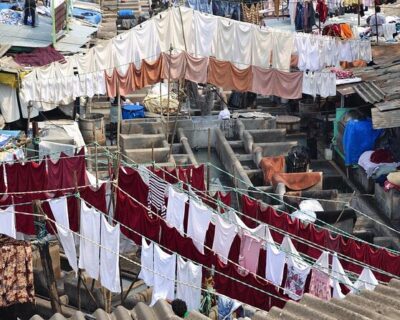
Dharavi slum tour in Mumbai by Female tour guides of the slum
Read our review →
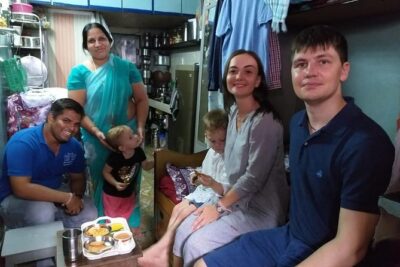
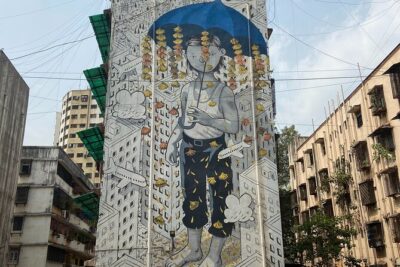
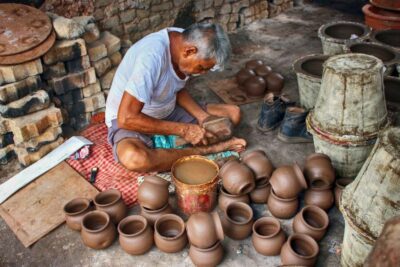
Dharavi Slum Slumdog Millionaire Tour with a Local
Read our review →
Dhobi Ghat Laundry and Dharavi Slum Tour with Local
Read our review →
Browse the lists this tour appears in