
Reviewed · DHARAVI TOURS
Private Slumdog Millionaire Tour in Dharavi with Slum Visit
Dharavi has a way of grabbing your attention fast, and doing it as a private tour makes it feel personal, not tour-bus generic. This is a walking experience led by an English-speaking guide, so you can ask questions and move at the pace your group needs.
I especially like that you get workshops you would struggle to find alone, from recycling to small manufacturing. I also like the human scale of it, with guides who know the area well, including locals such as Pooja and Ravi, and even examples like Hasan driving on time in one account.
The one thing to keep in mind is that this is a working informal settlement, so conditions can be intense. If you are very sensitive to sights or smells, go mentally prepared, and wear comfortable shoes because the lanes are narrow.
Key things I’d plan for in this Dharavi Slum tour
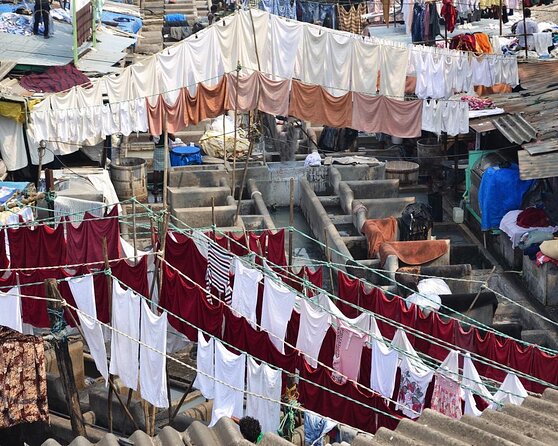
- Private, just-your-group pacing, so you can ask questions without feeling rushed
- A guided walk through both commercial and residential areas, not a single staged stop
- Seeing recycling and small factories firsthand, including plastic, aluminium, paper, and cardboard work
- Tight alleys and schools in the residential side, where everyday life is close up
- Comfort is part of the plan, with a walking format and bottled water included
- Guides with local ties, with examples like Ravi and Pooja in the guide mix
Why this Dharavi tour works better than trying it on your own
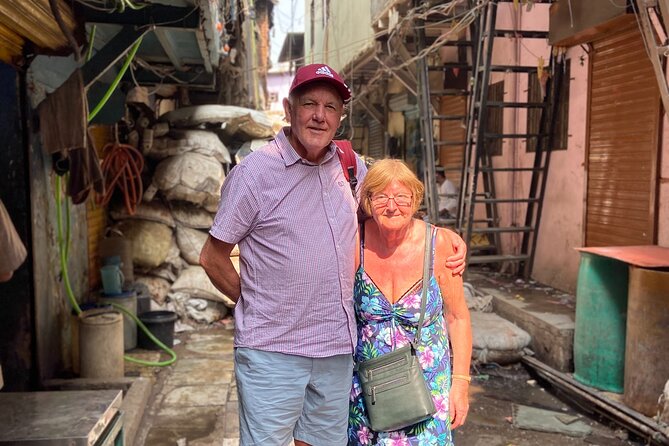
Dharavi is one of the world’s biggest informal settlements, and the scale can make people freeze. This kind of private walking tour helps you get bearings fast because you are not guessing where to go, or who to talk to. You meet up in Mahim, then head into Dharavi with a guide who can connect what you see to how the place functions.
The other reason this tour feels useful is the structure. You are not just looking at housing and moving on. You spend time in the commercial part, then you shift to the residential part, including narrow lanes and schools. That sequence matters, because it helps you understand Dharavi as an ecosystem, not a single scene.
You also get the “private” part of private tour right. Your group is the only group, so you can linger when something sparks a question, and you do not get stuck behind strangers who want to sprint through everything.
The film reference, Slumdog Millionaire, is part of the appeal, but the real value here is what replaces the movie magic. You’re seeing daily work, local routines, and how people solve problems with the resources they have.
Other Dharavi walks:
- Dharavi slum tour in Mumbai by Female tour guides of the slum
★ 5.0 · 1,976 reviews - Mumbai: Dharavi Slum, DhobiGhat, and Dabbawallas Tour
★ 4.9 · 689 reviews - Dharavi Slum Tour
★ 5.0 · 625 reviews
Getting to the meeting point near Mahim, then starting on foot
Your start point is at Third Wave Coffee, Tip Road, Unit no. 58, Ground Floor, Ram Mahal, Senapati Bapat Marg, Marinagar Colony, Station, Mahim, Mumbai, Maharashtra 400016. The tour ends back at that meeting point, which helps if you want your evening unplanned but not chaotic.
Pickup is offered, and the experience is near public transportation, which matters in Mumbai where timing can swing. The tour is about 3 hours, so it’s long enough to see real variety, but short enough that you’re not stuck wandering for half a day.
You should expect a walking route. The lanes can be narrow, so comfortable shoes are not optional. Think flat, supportive, and ready for uneven surfaces and frequent turns.
One small practical tip from how people describe the experience: plan for the fact that timing can be affected by gate or immigration delays once you’re in the area. In at least one instance, the tour time was cut short because of delays getting through. That doesn’t mean the tour is unreliable, but it is smart to have flexible expectations rather than scheduling something tight right after.
Commercial Dharavi: the recycling and manufacturing side you can see close up
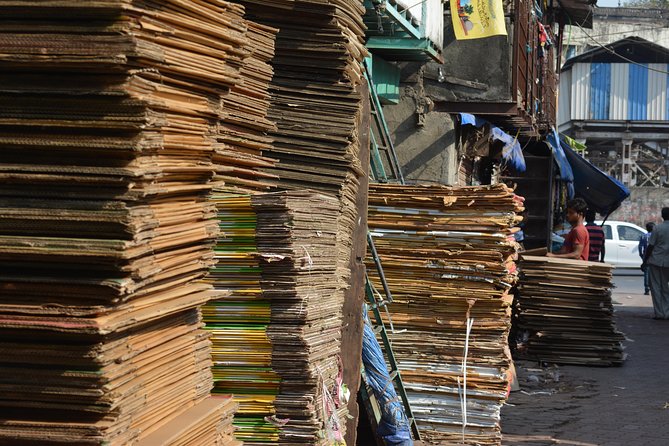
The tour begins with the commercial area. This is where Dharavi often surprises people, because the focus isn’t just on survival. It’s on systems, production, and the steady churn of materials moving from one process to another.
As you walk, your guide shows you recycling work across multiple categories, including plastic recycling, aluminium recycling, paper recycling, and cardboard recycling. You may also see oil paint can recycling and other related processes. This matters because it’s not random industry. It’s organized labour built around inputs that come from outside, and then converted into usable forms for new products.
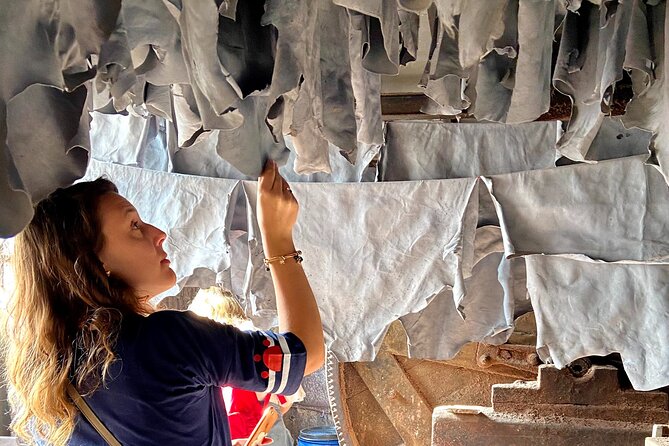
The commercial side also includes leather factories, luggage bag manufacturing factories, bakeries, and clothing industries. You’ll likely notice a blend of workshop work and small-scale production, where you can understand the steps with your own eyes, not from a slideshow.
If you like learning with context, this segment is where it really clicks. You’re not only seeing machines or materials. You’re getting the “how it fits together” explanation from an English-speaking guide. That’s also where the tour’s safety and comfort benefits show up, because a local guide helps you navigate what’s appropriate, what’s active work, and how to move through spaces without causing disruption.
The main drawback of the commercial part is also the reason it’s memorable. You’re walking through areas tied to real processes, which can mean stronger sensory moments than people expect. If you start feeling anxious, tell your guide. The tour is private, so the pace and approach can be adjusted for your comfort level.
Residential Dharavi: narrow lanes, schools, and everyday culture
After the commercial focus, the tour shifts to the residential area. This is the part many visitors find more emotionally affecting, because it shows how people live alongside the work.
Expect to walk through narrow allies and see how daily life is arranged in tight spaces. This is where the guide’s local familiarity becomes a big advantage. It’s easier to understand what you’re seeing when someone can explain how routines work in that exact environment, rather than comparing it to “normal” city life.
Schools are part of this residential segment. Seeing education in the middle of limited infrastructure reframes the conversation from pity to resilience and planning. It helps you understand that Dharavi isn’t only about hardship. It’s also about forward-looking priorities, including kids’ futures.
Culture comes up too. You’re not just looking at buildings. You’re learning how community life and local norms shape what happens in the streets and homes. One account notes that a guide even showed her house, which is the kind of personal detail that makes the whole tour feel real. Even when you cannot expect that specific moment, it gives you a sense of how personal the guiding style can be.
The residential part is also where you should be extra mindful with your body language. Keep your voice steady, watch foot traffic in narrow lanes, and follow your guide’s cues. A private tour helps, because you’re not competing with a crowd, but you still share space with residents doing their day.
Line these Mumbai options up side by side
- Mumbai: Full-Day Sightseeing Tour of Mumbai
★ 4.9 · 1,822 reviews - Private Mumbai Sightseeing Tour (Traveller’s Choice Award Winner)
★ 5.0 · 1,565 reviews - Elephanta Caves & Island Guided Private Tour
★ 5.0 · 1,327 reviews - Group Guided Walking Tour in Fort and Colaba
★ 5.0 · 1,073 reviews
The guide makes or breaks it, and here the names matter
This is a private tour with an English-speaking guide, and the guide is the engine. A good guide doesn’t just point out sights. They connect the dots, answer questions clearly, and keep you oriented.
Some guides that show up in accounts include Pooja and Ravi, and one note credits Hasan as a safe driver who was right on time. You’ll also hear about Bulgi as an effective guide who helped make the tour memorable. You might also come across a very young guide experience, like Chirag, described as an 18-year-old student from the slums who offered an eye-opener perspective.
Why should you care about guide names? Because they hint at something practical: the guiding style can be local and grounded. When your guide lives the reality of the place, the explanations tend to feel less like facts recited and more like lived knowledge.
You’ll also notice that many people emphasize feeling safe and informed. That isn’t accidental. The tour format has a guide leading you through both commercial and residential areas, rather than letting you wander without structure.
Still, remember this: your experience quality will depend on how the guide adapts to your questions and comfort level. If you have sensitivities, say so early. A private group means the guide has room to respond.
Walking comfort, sensory expectations, and smart behavior
The tour is described as a walking tour, and the itinerary includes narrow lanes. So your first real job is gear. Choose shoes you can walk in for a few hours, and don’t plan on wearing something fragile or slippery.
Second, set expectations about sensory intensity. One account says they were apprehensive about sights and smells, then their amazement and curiosity took over once the tour started. That tells me two things. First, people should not pretend Dharavi is like a museum. Second, once you understand the work and routines, the experience becomes easier to process.
Third, keep your pace flexible. Gate delays can happen once you’re going in. In at least one case, the tour was cut short due to Mumbai immigration delays getting through the gate. That’s not something you can control, so it’s smarter to plan your day with buffer time.
Finally, be respectful. You are visiting homes and workplaces in an active area. Your job is to watch, learn, and move on when your guide says it’s time. No big gestures. No crowding.
Price and value: what $37.20 gets you in real terms
At $37.20 per person for about 3 hours, this tour is not expensive for what you’re getting, especially because it’s private. Private guiding usually costs more in Mumbai, and you’re also getting bottled water and a walking route that would be hard to organize solo.
The value sweet spot here is the combination:
- Private, just-your-group access with an English-speaking guide
- Structured route that covers both commercial and residential sides
- Included bottled water, so you are not scrambling mid-walk
- A focus on practical local work, like recycling and small manufacturing
There are also signals that demand is strong. Booking often happens around a month in advance on average. If you want a specific date or time, don’t treat this like a last-minute thought.
One more value angle: the tour is designed for first-time and repeat visitors. If it’s your first trip, it gives context without needing insider contacts. If you’ve been in Mumbai before, it offers a different view, one that connects the film reference to real material life.
Who this tour suits best, and who should reconsider
This tour is a strong fit if you:
- Want a structured, guided walk instead of self-guided wandering
- Like understanding how industries work at ground level, including recycling and manufacturing
- Prefer asking questions in a more private setting
- Are curious about the real Dharavi story beyond the film connection
It’s also a good choice if you want a safe feeling of navigation. Accounts repeatedly highlight feeling safe and informed, and that is usually tied to having the guide lead the route.
You might reconsider if:
- You are extremely uncomfortable with close-up environments that are not sanitized or staged
- You hate walking through narrow lanes
- You need a perfectly timed schedule with no flexibility, since gate delays can shorten the experience
If you do go, plan a calm mindset. Think of this as a learning walk with real people doing real work and living real days. That mindset makes a huge difference.
Should you book this Dharavi private tour?
Book it if you want a private, English-guided 3-hour walk that shows Dharavi as work plus home, not one photo stop. The price feels reasonable for the guide-led access, and the repeated themes of feeling safe, informed, and inspired suggest the tour does what it promises.
Skip or postpone it if your top goal is comfort over context. This is not a soft, scenic stroll. It’s a real working settlement, and the sensory side can surprise you.
If you decide to go, do two things: wear comfortable shoes, and go in with curiosity rather than expectations. Dharavi is intense, but with the right guide, it turns into a clear, human understanding of how the place functions.
FAQ
How long is the Dharavi Slum tour?
It runs for about 3 hours.
Where does the tour start?
You meet at Third Wave Coffee, Tip Road, Unit no. 58, Ground, Ram Mahal, Senapati Bapat Marg, Marinagar Colony, Station, Mahim, Mumbai, Maharashtra 400016, India.
Is the tour private or shared?
It is a private experience, and only your group participates.
Is pickup offered?
Pickup is offered.
What is included in the tour price?
It includes bottled water, a private guided tour, and an English-speaking tour guide. Admission ticket is also included.
Is this a walking tour?
Yes, it involves walking, and comfortable shoes are recommended.
Is there a mobile ticket?
Yes, a mobile ticket is provided.
Can service animals join?
Service animals are allowed.
What is the cancellation policy?
You can cancel for a full refund up to 24 hours in advance. If you cancel within 24 hours of the start time, the amount paid is not refunded.
Latest reviews in from Mumbai
- Mumbai Spice Markets and Bazaars Tour with Guide and Transport★ 5.0 · 42 reviews
- Mumbai Dharavi Slum, Dhobi Ghat & Dabbawala Lunchbox Tour★ 5.0 · 43 reviews
- Private Dharavi Slum Tour with Mumbai Sightseeing★ 5.0 · 43 reviews
- Private Guided Tour in Kanheri Cave with Transfers★ 5.0 · 44 reviews
- Private Guided Walking Tour in Dharavi Slums★ 5.0 · 44 reviews
- Mumbai Private Cultural Tour with Lunch and Transport★ 5.0 · 44 reviews
- Unveiling Bollywood: Grand Tour of Iconic Real Sets & Their Story★ 4.5 · 44 reviews
- Bollywood Tour with Original founder★ 4.5 · 44 reviews
Dharavi Tours, compared.

Dharavi slum tour in Mumbai by Female tour guides of the slum
Read our review →

Dharavi Slum Slumdog Millionaire Tour with a Local
Read our review →
Dhobi Ghat Laundry and Dharavi Slum Tour with Local
Read our review →
Browse the lists this tour appears in