
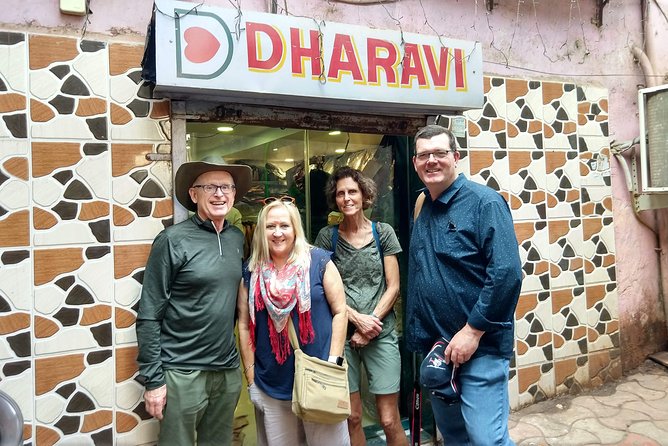
Reviewed · DHARAVI TOURS
Life In Dharavi: A Guided Tour Of Dharavi Slum
Dharavi is one of those places that can feel hard to understand from afar, mostly because movies and headlines do the talking. This tour works because you see daily life through local people’s eyes, with an English-speaking guide who can explain what’s changing and what stays the same. You get a real sense of Dharavi as a home, not just a headline.
Two things I really like: first, the access is personal. Private transportation and a private tour mean you are not stuck following a fast crowd. Second, you get inside the everyday economy, including hands-on stories about work like plastic recycling and other small industries. One consideration: it is a slum area with serious living conditions, so keep your expectations grounded and go with respect, not curiosity that feels like a show.
Key things that make this Dharavi tour worth your time
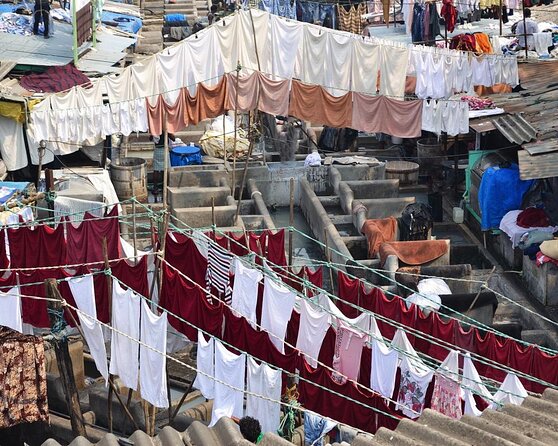
- Local guide perspective on life, work, and development plans, explained in English
- Private transportation from your hotel plus an air-conditioned vehicle for comfortable Mumbai travel
- Bottled water provided, so you can pack lighter for a 4-hour walk-and-talk
- Asia’s largest slum, in a central location, with daily life shaped by proximity to suburban rail lines
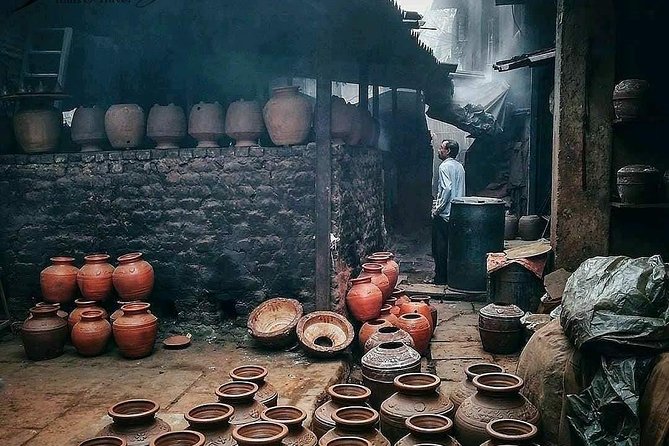
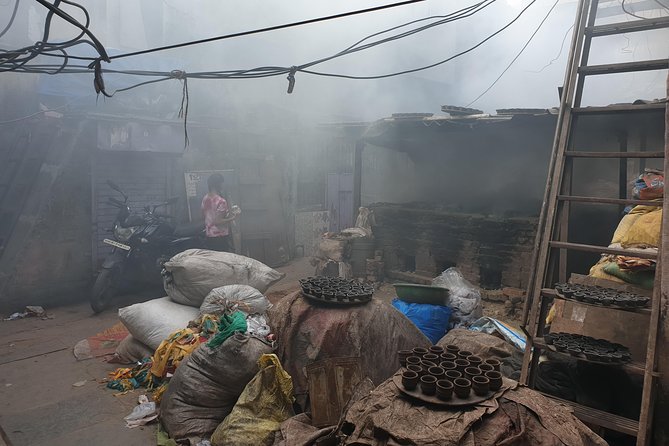
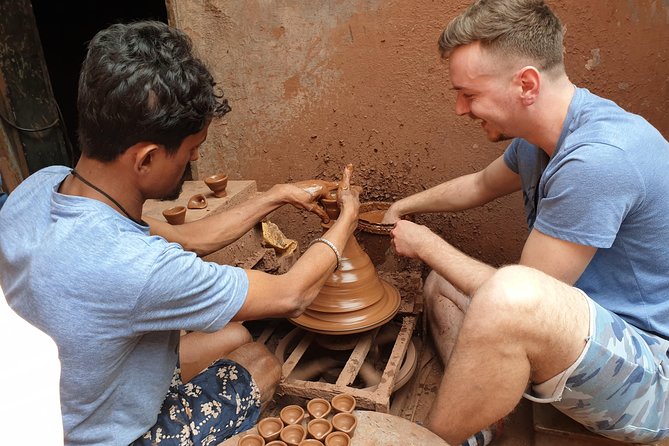
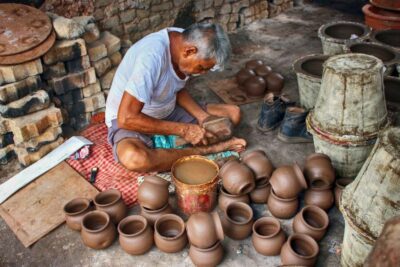
- Real industries at street level, including examples like soap-making, pottery, and recycling that power livelihoods
- High satisfaction level, rated 4.9 with 99 reviews and 99 percent recommending it
Dharavi, explained the human way, not the tourist way
What makes this experience interesting is that it treats Dharavi as a community with residents who have names, routines, skills, and plans. Yes, it is famous from Slumdog Millionaire, but the tour is not built around Hollywood drama. It is built around people living there and telling you what that life actually looks like.
You start with the basics that help things click fast. Dharavi sits right in Mumbai, on prime property in India’s financial capital. It is home to more than a million people, and a lot of residents are second-generation locals, meaning families have lived there for years, sometimes for generations. The tour frames why this matters in a city where rent pressures are intense, and why Dharavi functions as an affordable option for people working in Mumbai.
The other part I appreciate is how the guide ties daily life to the wider system. The area is between Mumbai’s two main suburban rail lines, which helps many people commute for work. You are also told about wages that can be as low as 185 rupees per day. I do not recommend treating that number like trivia. It is a window into why small businesses and industries inside Dharavi matter so much.
Other Dharavi walks:
- Dharavi slum tour in Mumbai by Female tour guides of the slum
★ 5.0 · 1,976 reviews - Mumbai: Dharavi Slum, DhobiGhat, and Dabbawallas Tour
★ 4.9 · 689 reviews - Dharavi Slum Tour
★ 5.0 · 625 reviews
The private ride from your hotel is not a luxury, it is smart planning
Mumbai can be chaotic. Even when you are staying in a convenient area, you can lose time to navigation, traffic, and waiting. That is why I like the tour’s inclusion of private transportation and an air-conditioned vehicle. It turns your day into a controlled block, about four hours, instead of a half day of unpredictable logistics.
You also get pickup from your hotel. That matters because Dharavi is in a built-up, busy part of the city, and the easiest option is usually the one that drops you there and picks you up. The tour structure is private, so you are not playing the timing game with multiple groups trying to board and disembark.
And yes, bottled water is provided. It is a small line item, but it changes your packing. You can bring the basics and not worry as much about finding water on the move.
One more practical note: lunch is not included. If you are the type who gets hangry after intense listening and walking, plan either to eat before or to have a plan after the tour.
Meeting guides like Bharti and Divya, locals who translate daily life into clear stories
The biggest factor in any community tour is whether the guide can explain with accuracy and respect. This one is built around an English-speaking guide, and the tour is strong at local storytelling.
In the highlights, two names come up often: Bharti and Divya. Bharti is described as having lived in Dharavi all her life, with children who are part of a fifth-generation presence. That kind of long-term connection is not just emotional, it helps the guide answer questions with context instead of generalities.
Divya is described as a local celebrity and a pioneer as the first female guide from Dharavi. I like that detail because it signals something important: this tour is not only about showing you a place, it is about giving local voices a platform.
Here is how that translates to your experience. You are not just walking past things and being handed a label. You are hearing how residents think about development, what improvements people want, and what daily routines look like from inside the community.
Stop 1, Dharavi at street level, where industries and housing meet
The tour focuses on one main stop: Dharavi. That might sound simple, but it is actually a good sign. When tours try to cram five stops into four hours, you usually spend more time commuting and less time understanding. A single, concentrated neighborhood visit lets your guide slow down enough to connect dots.
The tour frames Dharavi as both densely populated and highly functional. You are told it is Asia’s largest slum area, and home to more than a million people. You also get the geography that shapes the day: it sits between Mumbai’s suburban rail lines, so commuting is common for work.
You will also learn how families stay. A big point is that many residents are second-generation locals, meaning they did not just arrive yesterday. For me, that matters because it changes the conversation from temporary hardship to long-term community life.
Line these Mumbai options up side by side
- Mumbai: Full-Day Sightseeing Tour of Mumbai
★ 4.9 · 1,822 reviews - Private Mumbai Sightseeing Tour (Traveller’s Choice Award Winner)
★ 5.0 · 1,565 reviews - Elephanta Caves & Island Guided Private Tour
★ 5.0 · 1,327 reviews - Group Guided Walking Tour in Fort and Colaba
★ 5.0 · 1,073 reviews
The work you see, from recycling to soap and pottery
One of the most praised parts of the tour is the way it points to small-scale industries inside Dharavi. The idea is not to make you admire hardship. The idea is to show how livelihoods are built there, often with skill and repetition, often with limited space and time.
In the tour highlights tied to guest experiences, you may be shown areas connected to plastic recycling, with talk about turning waste into usable materials. You may also hear about soap made locally and pottery production. Those examples give you a sense of the kinds of manufacturing and craft work happening in the neighborhood.
If you like details, this is where the tour gets interesting fast. Instead of one big, vague statement like people work here, you get examples of what they do, which in turn helps you understand why Dharavi functions as an economic micro-world.
Conversations about development plans, and why residents’ answers matter
Another part of the experience is learning about plans for Dharavi’s development. The tour is set up so you learn both from your guide and by engaging with people who live there.
This is where you should bring a specific mindset. You are not there to solve the problem. You are there to listen to what residents want, what they expect, and what they fear. Development discussions can quickly become political or overly abstract, but hearing the practical version from local people is the point.
I also like that the tour does not treat residents as props. The framing is that you are learning about life in Dharavi, not just collecting photos and facts. When guides are long-time locals, like the Bharti and Divya examples, the tone tends to be more grounded and less performative.
What 4 hours feels like in real life, and what to do with that time
A four-hour tour is long enough to learn, but short enough that you should not expect a full history lesson. Your time is likely a mix of transit, guided explanations, and time spent in areas that show daily work and community life.
Because it is a private tour, you can also ask questions at a comfortable pace. I like this setup for two reasons. First, you can tailor what you focus on, housing versus work versus development conversations. Second, it reduces that awkward pressure to keep up, especially in areas with foot traffic and narrow spaces.
Practical tip: wear comfortable shoes. This is a neighborhood visit with real walking. Also, since bottled water is included, you can travel light, but still consider a small bag for basics like tissues and any small personal items.
If you are the type who likes to document a place, remember that in community settings it is best to follow your guide’s lead on what is appropriate to photograph and when. When in doubt, ask.
Price and value, what $54 buys you here
At $54 per person for a roughly four-hour private tour, the cost can look surprising at first, especially if you are comparing it to a standard museum tour. But here, you are paying for a few things that add up quickly:
- Hotel pickup and private transportation, including an air-conditioned vehicle
- A private guide experience, meaning personal attention rather than a group sprint
- Bottled water, which is included so you do not have to scramble
- Time in the neighborhood with local storytelling, focused on real life and local industries
Lunch is not included, so plan for food separately. Still, the total package is structured to save you time and hassle in Mumbai.
I also like the booking pattern. The tour is often booked about 51 days in advance. That usually signals the provider runs the experience regularly and that it is in demand. Demand does not guarantee quality, but here the quality signals are strong, with a 4.9 rating and a 99 percent recommendation rate.
Who this tour is best for, and who should pause
This is a strong choice if you want something more meaningful than a quick sightseeing stop. You will probably enjoy it most if you:
- like tours led by local voices rather than generic scripts
- want to understand how people earn livelihoods through small industries
- appreciate private guides who can tailor pace and answers
- are comfortable asking questions and listening with respect
It might not be for you if you want a polished, entertainment-style itinerary. This is not a theme park version of Dharavi. It is a living neighborhood where you will hear about hardship and development, and the mood will likely be serious at times.
If you are sensitive to topics like housing strain and low daily wages, go in prepared. That does not mean it is depressing. It means you should treat it as a human reality, not a spectacle.
Should you book Life In Dharavi? My take
Yes, I think you should book this tour if your goal is to understand Dharavi as a community, not just a famous filming location. The mix of private hotel pickup, air-conditioned comfort, bottled water, and an English-speaking local guide makes it easy to do well and hard to do carelessly.
The strongest reason to choose it is simple: the structure is built around learning from people who live there, including guides like Bharti and Divya who are described as deeply connected to the community. Add the focus on visible industries like plastic recycling, soap-making, and pottery, and you get a tour that teaches through real-life examples.
FAQ
FAQ
How long is the Dharavi guided tour?
The tour runs for about 4 hours.
Is hotel pickup included?
Yes. Private transportation from your hotel is included.
Is the tour private or shared?
It is a private tour/activity. Only your group participates.
Does the tour provide bottled water?
Yes. Bottled water will be provided.
Is lunch included?
No. Lunch is not included.
Is the guide English-speaking?
Yes. The tour includes an English-speaking guide.
What is the price per person?
The listed price is $54.00 per person.
Are group discounts available?
Yes. Group discounts are available.
Can I cancel for a refund?
Yes. You can cancel up to 24 hours in advance for a full refund.
Is this tour suitable for most travelers?
Most travelers can participate, service animals are allowed, and it is near public transportation.
Latest reviews in from Mumbai
- Mumbai Spice Markets and Bazaars Tour with Guide and Transport★ 5.0 · 42 reviews
- Mumbai Dharavi Slum, Dhobi Ghat & Dabbawala Lunchbox Tour★ 5.0 · 43 reviews
- Private Dharavi Slum Tour with Mumbai Sightseeing★ 5.0 · 43 reviews
- Private Guided Tour in Kanheri Cave with Transfers★ 5.0 · 44 reviews
- Private Guided Walking Tour in Dharavi Slums★ 5.0 · 44 reviews
- Mumbai Private Cultural Tour with Lunch and Transport★ 5.0 · 44 reviews
- Unveiling Bollywood: Grand Tour of Iconic Real Sets & Their Story★ 4.5 · 44 reviews
- Bollywood Tour with Original founder★ 4.5 · 44 reviews
Dharavi Tours, compared.
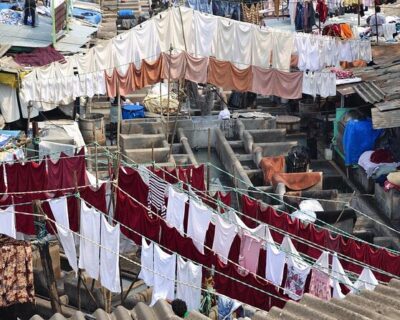
Dharavi slum tour in Mumbai by Female tour guides of the slum
Read our review →
Dharavi Slum Slumdog Millionaire Tour with a Local
Read our review →
Dhobi Ghat Laundry and Dharavi Slum Tour with Local
Read our review →
Browse the lists this tour appears in