
Reviewed · HISTORICAL TOURS
Kolkata’s English History – European Calcutta Tour
Kolkata’s British-era sights are usually explained in half-remembered facts, but this walk turns them into European Calcutta you can actually read with your feet. You start in the thick of the action at BBD Bagh, the place where the city’s colonial center really took shape, and the guide frames it all as a story you can follow.
I especially love how the guide connects the architecture to the big founding ideas behind English Calcutta, including the early Calcutta story tied to Job Charnock. And I like the pace, because the small group size keeps things personal and lets you ask questions as you go, instead of getting rushed past the details.
One consideration: it’s a 3-hour experience, so you will do some walking and you will stay outdoors. If you want long indoor time or a slow, stop-every-few-minutes photo session, you might wish you had more hours in the same area.
Key highlights worth planning around
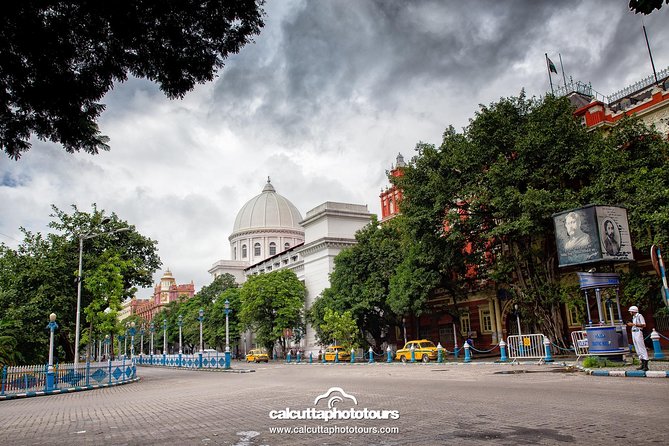
- BBD Bagh as the starting point: see Dalhousie Square’s modern name and understand why it mattered in early Calcutta
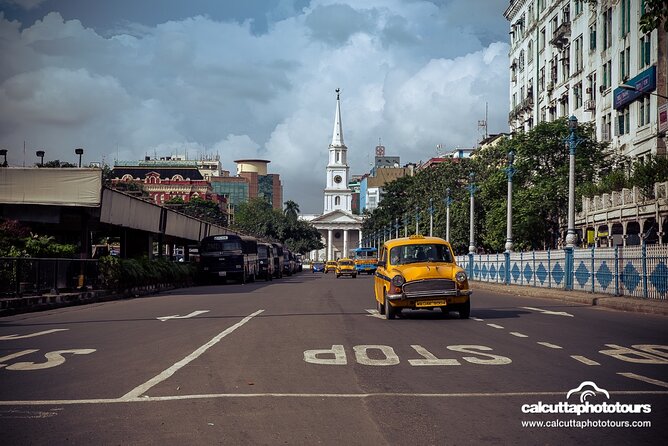
- Architecture that comes with context: Great Eastern Hotel, St Andrew’s Church, St John’s Church, and Government House are explained in plain language
- A guide who tells it like a story: Manjit is known for lively, grounded commentary with humor and pride for the city
- Refreshments included: coffee or tea, water, and snacks to keep the walk comfortable
- Flexible start times and pickup options: you can often fit it around your day, and pickup is offered
- Max 15 people: small-group format for better attention and less crowd noise
How British Kolkata comes alive on a short 3-hour walk
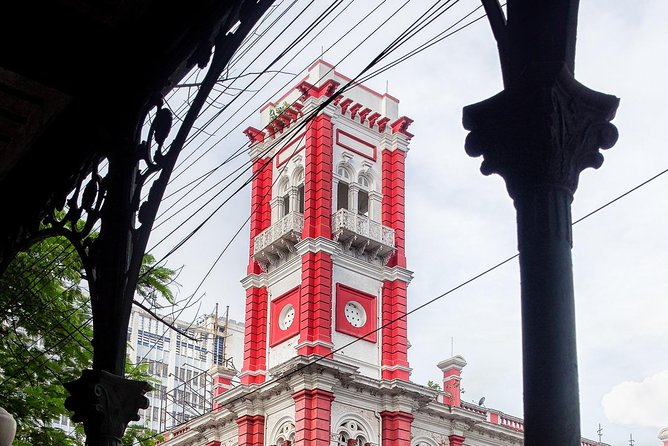
If you like history, this tour works because it’s not history class. It’s a city-walk that treats buildings like evidence. One stop leads to the next with a clear thread: how English rule, European design, and urban planning shaped what you see in central Kolkata today.
You get a small group experience with a guide who doesn’t just point and name. Manjit’s style is story-driven, with an eye for architectural details and a knack for making the past feel close. In practice, that means you’re less likely to forget what you saw, because you understand why it was built and how it fits into the larger Calcutta story.
The tour also has a few practical perks that make it easier to say yes. You can usually choose a time that fits your schedule, and coffee or tea, water, and snacks are included. For a city that can feel warm and fast-moving, those small comforts matter.
Finally, the price is refreshingly straightforward for what you’re getting. At $40.28 per person for about 3 hours, you’re paying for a guided route through major landmarks with an admission ticket included, plus refreshments. It’s not a luxury tour, but it is good value for a first orientation to central Kolkata’s English-era core.
More Historical Tours in Kolkata:
- Kolkata Heritage Tram Tour
★ 4.0 · 395 reviews - Raj Heritage Walk
★ 5.0 · 93 reviews - British Raj Heritage walk in Kolkata with guide
★ 5.0 · 54 reviews
Starting at Dalhousie Square and BBD Bagh, the city’s colonial core
The walk begins near The LaLiT Great Eastern Kolkata at Dalhousie Square, right by the area now known as BBD Bagh. Even before you reach any landmark doorways, the location sets the theme. This is the zone that grew into a nerve center for early Calcutta.
BBD Bagh is special because it’s not a random tourist square. It’s a central business district story in physical form. The guide explains how this area relates to the founding era of Calcutta, including the early role tied to Job Charnock, and why the city’s development was tied to trade, power, and planning.
You’ll also get built-in photographic opportunities, because the square and nearby architecture give you both wide views and close-up angles. One of the best ways to understand British Kolkata is to start with the urban layout. When you see the open space, then move toward churches and official buildings, the contrast helps you “read” the city.
Practical note: since this tour starts in a busy central area, it’s smart to arrive a few minutes early. You’re near public transportation, but you still want to be ready to meet your group without stressing.
BBD Bagh to the Great Eastern Hotel, seeing European Calcutta’s design choices
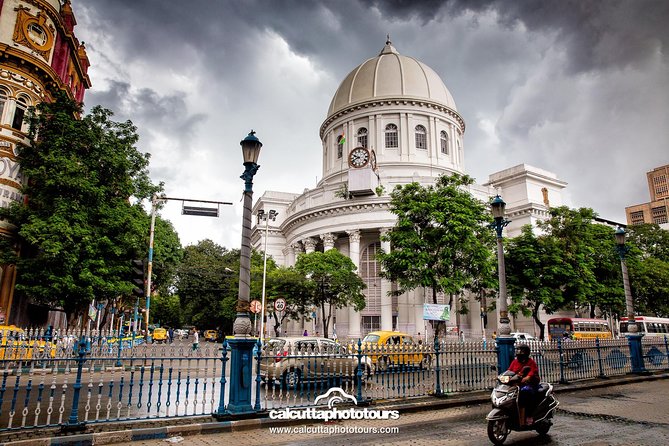
From Dalhousie Square/BBD Bagh, the tour naturally leads you into the European architecture orbit of central Kolkata. The Great Eastern Hotel is one of the key landmark stops, and it’s a good one to include early.
Why? Because the hotel’s presence tells you that English influence in Kolkata wasn’t only about government offices or churches. It also shaped hospitality, status, and the built environment around commerce. When you stand near a landmark like this, it’s easier to understand how Europeans imagined Kolkata as a significant city in the empire.
As you move, the guide helps you notice how design language is doing the storytelling. You’re looking at scale, symmetry, and the “civic” feel of certain structures. That’s one reason the tour can work for people who aren’t architecture nerds. You don’t need a design degree. You just need someone to point out what to look for and connect it to the why.
If you enjoy photography, bring your phone with enough storage. The area offers plenty of angles, but central Kolkata also has a lot of visual information. A guided walk keeps you from getting overwhelmed, because you’re given a focused set of themes to watch for.
St Andrew’s Church and St John’s Church, colonial faith with architectural cues
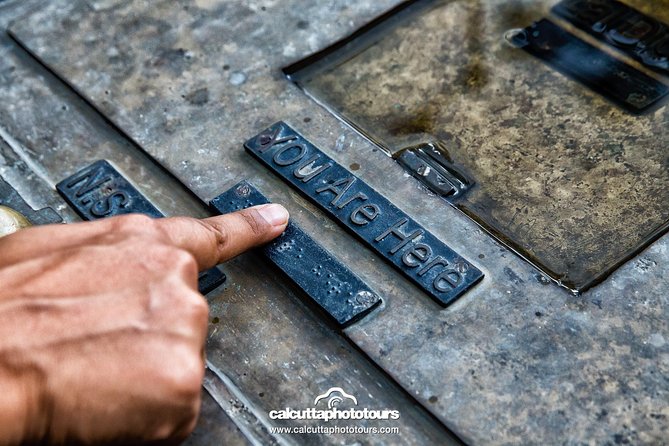
Church stops are where the tour becomes more than a street-scene. St Andrew’s Church and St John’s Church are both included, and together they give you a sense of how religious institutions fit into the colonial city.
You’ll get an explanation of how churches functioned in English Calcutta, not just as places of worship but as landmarks with meaning. Even if you don’t go inside, standing near the building helps you see how these structures signaled community, permanence, and influence.
What I like about including two churches instead of just one is the comparison. Two similar categories of buildings, placed in the same broader zone, can teach you more than one stop alone. You start noticing differences in style and presence, and you understand that colonial architecture was not one-size-fits-all.
Also, church exteriors are usually easier to photograph than some other landmark types, since you can get a clear line of sight from the sidewalk. If your goal is to capture “European Calcutta” on camera, these are the moments to slow down.
Line these Kolkata options up side by side
- Cultural Confluence of Kolkata – Culture Kaleidoscope Tour
★ 5.0 · 701 reviews - Bengali Nights Kolkata Food Tour with 13+ Tastings
★ 5.0 · 325 reviews - Magic Hour Tour
★ 5.0 · 241 reviews - Alleyway Food Tour
★ 5.0 · 137 reviews
Government House, where authority shows up in brick and space
Government House is another of the featured stops, and it brings a different side of the British presence. Instead of hospitality or faith, you’re looking at the built form of governance.
This kind of stop matters because it balances the tour. If you only see churches and hotels, you might miss the engine of the whole era. When the guide points out how official buildings shape your sense of order and control, the story clicks into place.
Even though you spend limited time at each landmark, you’re not stuck with generic statements. The guide ties architecture to the lived reality of colonial administration. The result is that Government House feels less like a name on a map and more like a key chapter in how the city was run.
If you’re the type who enjoys imagining daily life in a historical setting, this is where that instinct has something solid to stand on. You can look at the space and start forming a mental picture of who would have moved through the area and why.
What makes Manjit’s guiding style work for real visitors
One reason this tour gets a high rating is the tone. Manjit’s approach is story-first and grounded in observation, which is a rare combo. He doesn’t treat the city as a museum. He treats it like a living place with memory.
Expect commentary that links major events and influences to the buildings you’re actually standing in front of. You’ll also hear little touches of humor and personal perspective, which helps the facts stick. When the guide talks this way, you’re not just learning names. You’re learning relationships.
The small group size matters here. With up to 15 people, you’re not competing with a loud crowd for attention. That can mean a better Q and A moment, especially if you want clarification on a building’s role or on why this area became central.
And then there’s the comfort layer. Coffee or tea, water, and snacks are included, and that keeps the “3 hours on your feet” factor from feeling punishing. It’s a small thing, but it’s the kind of small thing that makes a city tour enjoyable instead of exhausting.
Timing, pickup, and the route flow you’ll feel in your day
Flexible start times help you fit this into a travel schedule, whether you’re starting your day in Kolkata or squeezing a history stop between other plans. If you want a calmer morning or a later afternoon start, this tour is designed to work with that.
Pickup is offered, and you can book with or without hotel transfers. That matters because central Kolkata can be easier to navigate when you’re dropped close to where you need to start. Even if you use public transport, the meeting area is near it, so you’re not stuck with a long walk to begin.
The tour also has a clear endpoint, which helps planning. It ends at St John’s Church area, so you can continue exploring nearby afterward without having to backtrack.
What you should expect in terms of pacing: it’s a walk with a set set of stops, built around landmark viewing and explanation. You won’t be spending the whole day going deep into one museum. Instead, you get a broad orientation to English Calcutta with the best-known landmarks in this specific zone.
Price and value: is $40.28 a smart use of your time?
Let’s talk value in plain terms. At $40.28 per person, you’re paying for about 3 hours of guided interpretation of major colonial-era landmarks, with an admission ticket included and refreshments in the mix.
If you’ve ever tried to do this kind of route by yourself, you know the problem. You can see the buildings, but you miss the connections. A guide turns “pretty facade” into “why it exists here, and what it meant.” That’s what you’re buying, not just walking outdoors.
The inclusion list is also practical:
- coffee or tea
- water and snacks
- an admission ticket included
- pickup offered (depending on your option)
Add the small group cap of 15, and the overall value becomes clearer. You’re getting attention, context, and a structured route in a limited time window.
If your trip to Kolkata is short and you want a high-quality orientation to central landmarks, this is the kind of tour that can prevent you from spending hours wandering without a plan. You leave with a “mental map,” not just photos.
Practical tips so your walk feels easy, not stressful
Here are a few things that make this style of tour smoother for you:
- Wear comfortable walking shoes. Central Kolkata sidewalks and streets can be uneven, and you’ll be on your feet for the full tour length.
- Bring sun protection. You’ll spend time outdoors, especially around squares and church exteriors.
- Charge your phone. The stops are photogenic, and you’ll want to capture wide views and details.
- Plan for light snacks. Even with provided snacks, it’s still smart to eat something earlier in the day if your meal schedule is tight.
- If you’re sensitive to crowd noise, go with the small-group benefit. You’ll still be in a busy area, but group size helps.
Also, if you like asking questions, this is a good format for it. A story-focused guide can often explain what you noticed even if you did not know what to ask at the start.
Who should book this English History walk, and who might skip
This tour is a great fit if you:
- want a first orientation to central Kolkata’s British-era landmarks
- like architecture explained through real context
- enjoy guides who tell stories and add humor, not just dates
- prefer a structured 3-hour walk over an all-day program
You might skip it if you:
- want a museum-heavy itinerary with lots of indoor time
- dislike walking outdoors or prefer very slow pacing
- expect a deep, academic lecture without frequent landmark stops
If you’re visiting for a short time and want to build understanding fast, this is a smart use of time. You’ll see the key sites, learn the connections, and get a clearer sense of how Kolkata’s colonial center functioned.
Should you book Kolkata’s English History – European Calcutta Tour?
Book it if you want a guided route that helps you see British Kolkata with fresh eyes. The combination of landmark focus, story-driven guidance from Manjit, and included refreshments makes it feel practical, not performative. For first-time visitors, it’s also one of the easiest ways to get oriented in the central zone without needing to research every stop yourself.
Skip or consider alternatives if your priorities are strictly indoor sightseeing or you cannot handle a few hours of walking. For most people, though, this is a strong “get your bearings fast” tour with enough architectural and historical context to make the rest of your Kolkata time click.
FAQ
How long is the tour?
The experience runs for approximately 3 hours.
What is the price per person?
The price is $40.28 per person.
Does the tour include pickup?
Pickup is offered, and you can book with or without hotel transfers.
What’s included during the tour?
Coffee or tea, water, and snacks are provided, and an admission ticket is included.
Are start times flexible?
Yes, flexible start times are available to suit your schedule.
What is the group size limit?
The tour has a maximum of 15 travelers.
Where does the tour start and end?
It starts at The LaLiT Great Eastern Kolkata at Dalhousie Square and ends at St. John’s Church near Council House St, opp. Dewars Garage.
Will I receive a mobile ticket?
Yes, the tour includes a mobile ticket.
Where is the meeting point, and is it near transport?
The start location is near public transportation, and the meeting point is around Dalhousie Square.
Can I cancel for a full refund?
Free cancellation is available. You can cancel up to 24 hours in advance for a full refund.
Latest reviews in from Kolkata
- Photography Tour of Mesmerizing Markets of Kolkata★ 5.0 · 18 reviews
- Kolkata tour in private car with guide & lunch for immersive cultural experience★ 5.0 · 18 reviews
- Mesmerising Kolkata Private Customised Day Tour★ 5.0 · 20 reviews
- Kolkata 3-Hour Tour of Kumortuli – The Goddess Beckons★ 5.0 · 26 reviews
- Private Kolkata Custom Tour 2 Days: Flower Market, Mother House★ 5.0 · 29 reviews
- Hello Calcutta Walk Tour★ 5.0 · 34 reviews
- Kolkata’s Flower Market – Hooghly’s Flower Fest Tour★ 5.0 · 35 reviews
- Calcutta Contrast Tour★ 5.0 · 46 reviews
Historical Tours, compared.
The Great Indian Food Tour: Old Delhi Food and Heritage Walk
Read our review →
Old Delhi Food, Heritage&Cultural Walk with Rickshaw ride to Masterji Kee Haveli
Read our review →
Fontainhas Heritage Walk At Latin Quarters of Goa
Read our review →
Blue City Heritage Private Walking Tour With Pickup and Drop-Off
Read our review →

Private Heritage Walking Tour in Jaisalmer Fort and Old Bazaar
Read our review →Browse the lists this tour appears in