
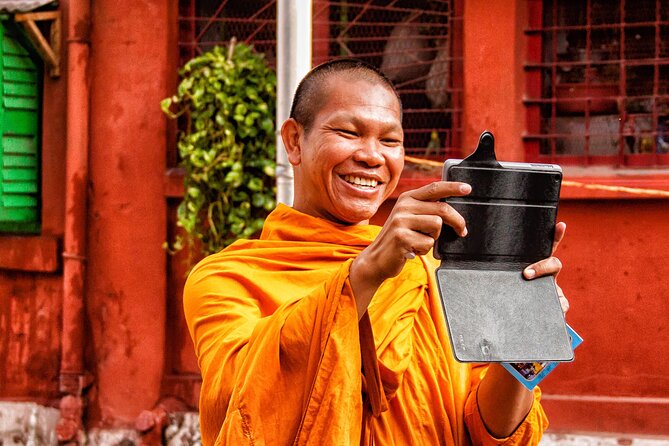
Reviewed · KOLKATA TOURS
Cultural Confluence of Kolkata – Culture Kaleidoscope Tour
Kolkata has a way of stacking faiths, languages, and old neighborhoods on top of each other in the same few blocks, and this guided walk is one of the easiest ways to see how that works in real life. I especially like the small-group size and the fact that you’re not just looking at buildings, you’re getting the stories that explain why they’re there. I also like that it’s built for both photographers and non-photographers, so you can go at your own pace. One drawback to consider: some worship sites and shops can have restrictions on entry at certain times, so a few stops may be limited depending on the day.
This tour is run by Calcutta Photo Tours, and you’ll walk through areas tied to Bowbazar, Bow Barracks, Old Chinatown, Old Jewish neighborhoods, and several places of worship. Many guides lean hard into storytelling, and one local guide named Manjit comes up again and again, praised for weaving history with everyday details and humor. The route is about 3 hours, so wear comfy shoes, plan for lots of street-level looking, and don’t expect a super-fast checklist of famous landmarks.
Key things that make this walk worth your time
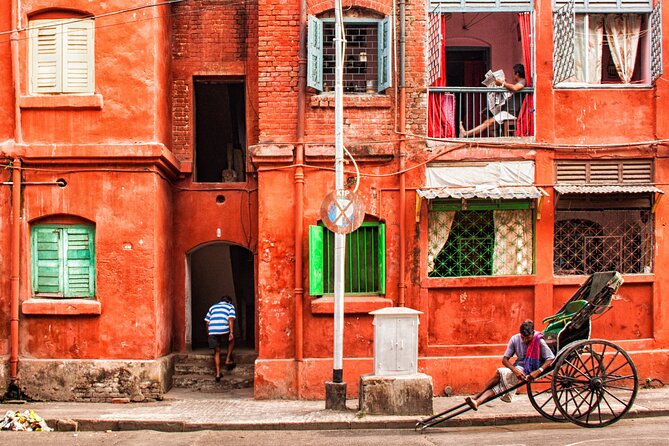
- Bow Barracks plus Old Chinatown in one route, so you see multiple “Kolkata worlds” without commuting across town
- Places of many faiths on foot, including a Zoroastrian Fire Temple, Jain Temple, and churches
- Photo walk energy without turning the tour into a gear tutorial
- A guide who connects past and present, especially with Calcutta-focused stories
- Small group size (max 15), which helps with questions and photo moments
- Short duration (about 3 hours), great if you want culture without a half-day commitment
Kolkata’s Cultural Confluence on foot, centered on Bowbazar
If you want the “how did all this happen here” feeling in Kolkata, this is a smart format. The whole experience is built around walking between neighborhoods that grew from different communities and trading patterns, then adding context as you go. In a city where history is not behind glass, those short explanations help you read what you’re seeing.
This is also a practical way to get oriented. You start near Bowbazar and end around Brabourne Road and Bara Bazar Market area, which puts you close to more day-to-day life once the walk ends. The guide’s route logic matters, because you’re not just passing through a theme park version of culture, you’re moving along the streets locals actually use.
Line these Kolkata options up side by side
- Kolkata Heritage Tram Tour
★ 4.0 · 395 reviews - Bengali Nights Kolkata Food Tour with 13+ Tastings
★ 5.0 · 325 reviews - Magic Hour Tour
★ 5.0 · 241 reviews
Pickup, meeting point, and why the logistics matter for a 3-hour tour
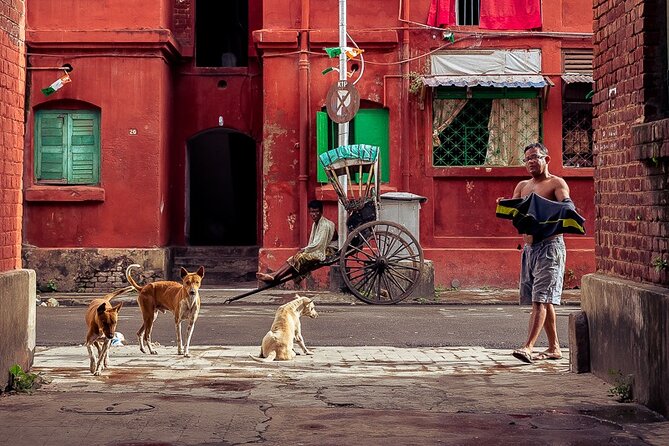
The tour offers pickup, and it also lists a start point that’s easy to find: the Indian Airlines Office on Central Ave, near Air India Limited, in Bowbazar. It ends at Brabourne Road, around Bara Bazar Market. If you like not thinking about transport, pickup makes this feel smooth, especially in Kolkata traffic.
Group size is kept small, with a maximum of 15 people. For a walking tour, that’s not a tiny detail. It helps you slow down when you spot something worth photographing, and it makes it easier to ask questions without losing time.
You’ll also get a mobile ticket. That matters in cities where paper tickets can be a hassle, and it means you can keep everything on your phone. One more practical point: it’s designed for most travelers, and from the way the experience is described, you’re not dealing with a marathon-level walking day.
Stop 1 in the route: Bowbazar and what you’ll actually notice there
Bowbazar is a strong place to begin because it’s a neighborhood where you can feel the city’s mix right away. Expect to see the kinds of streets and daily rhythms that help you understand why this tour focuses on enclaves and community life. The walk is not presented as a long museum-style visit, it’s about street-level observation guided by a real storyteller.
From Bowbazar, the route references several major communities and landmarks you’ll connect in your mind as the walk continues. You’ll hear how areas like Bow Barracks relate to the broader Calcutta story, and you’ll learn the purpose behind sites that might look “just like buildings” if you were walking alone.
A quick mindset tip: treat each stop like a prompt. When you see a church wall, a temple sign, or a market stretch, ask what community it served and why it’s still standing there. That’s how the route turns into understanding, not just sightseeing.
Bow Barracks: the kind of neighborhood story that sticks
Bow Barracks is one of the key areas in this walk, and it’s where many people feel the “Kolkata in miniature” effect. The tour frames this area as part of the city’s long process of cultural mixing, with community identity expressed through religion, food, and street life.
What I like about focusing on Bow Barracks is that it encourages a different kind of attention. You’re looking past the surface and learning the people-based reasons behind the architecture and street layout. Even if you’re not a history buff, the guide style described for this tour tends to make the story human.
There’s also a practical benefit for photographers. Neighborhood streets give you variety: doorways, signage, small scenes of daily activity, and light across narrow lanes. If you’re bringing a camera, you’ll find plenty of moments without needing to travel far between them.
A different shape of Kolkata day:
- Alleyway Food Tour
★ 5.0 · 137 reviews - Private Custom Full Day Sightseeing Tour of Kolkata
★ 5.0 · 128 reviews - Private Half-Day Kolkata Tour
★ 5.0 · 125 reviews - Kolkata: A Sea of Faces and A Thousand Places
★ 4.9 · 116 reviews
Zoroastrian Fire Temple to Jain Temple: faith you can read in the street
One of the clearest “value” parts of this tour is how it connects places of worship to everyday meaning. The route references a Zoroastrian Fire Temple and a Jain Temple, plus several churches later. That mix matters, because it helps you see Kolkata as a city where multiple faiths are not side notes, they shape neighborhoods.
At these stops, expect the guide to explain what makes each site part of the local community story. You’ll also get cues for respectful behavior. This is important because religious sites can have rules about entry, clothing, and photography.
A real consideration here is timing. The tour information notes that Covid restrictions can apply, and entry to some places may be restricted or banned depending on the day. So keep your plans flexible. If you can’t go inside a specific site, you’ll still get the context from outside, which is usually the point of a guided walking route.
Old Chinatown and Old Jewish neighborhoods: how trade leaves a map
Old Chinatown and Old Jewish neighborhoods are on the route, and they’re a big part of why the walk works. Trade and migration leave visible traces, but those traces can be hard to interpret without a local guide’s connective tissue. The tour’s whole pitch is exactly that, showing you communities and faiths in a way you can understand while your feet are on the pavement.
As you move through these areas, look for the small signs that point to community history. Even without going deep into architecture, you can often sense the past in street orientation, shop patterns, and the way locals reference the area. The guide helps translate those clues into a bigger story.
If you’re a foodie type or just curious about what people eat, this is also a likely moment to pick up context. One of the tour descriptions emphasizes tasting along the way, and reviews mention street traders and snacks like breads and samosas. If food stops are part of your version of the walk, it’s a good chance to experience Kolkata through your senses, not just your eyes.
Portuguese Church and Armenian Church: seeing European links without the museum vibe
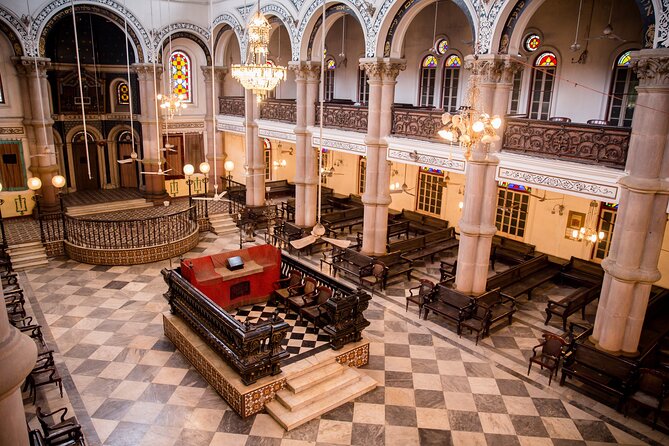
Later in the route, you’ll pass places tied to Portuguese and Armenian communities, including the Portuguese Church and the Armenian Church. This is where Kolkata’s colonial and migration layers start to feel less abstract. A guided stop helps you connect European religious sites to the wider neighborhood history instead of treating them as isolated curiosities.
I like this part because it gives you contrast. Churches are visually distinctive, but what makes the stop worthwhile is the explanation behind why that faith footprint exists in this part of the city. You’re not only admiring facades, you’re learning how communities formed, then stayed.
Photography works here too, but be smart. Churches and temples are living spaces. If you want shots of architecture, take them from angles that don’t intrude on people moving in or out, and pause to listen when the guide gives background.
Chitpur neighborhood: a closing chapter that feels like present-day Kolkata
The route also mentions Chitpur as part of the experience. Chitpur helps finish the walk with a sense of how Kolkata continues to function as a working city, not a staged attraction. Even if the most famous sights are elsewhere, the “in-between” districts like this give you a better feeling for where daily life happens.
By the time you reach the later part of the walk, you’ve already built a mental map of communities and worship sites. That makes Chitpur more than a random extra stop. It becomes the wrap-up where the city’s layers feel connected.
If your plan includes more sightseeing after, ending near Brabourne Road and Bara Bazar Market makes sense. You can continue exploring nearby streets, grab a drink, or simply decompress after three hours of constant visual input.
Photography tips for a culture-heavy walking route
This experience is clearly marketed as a photo walk, and the route is designed for that. The trick is to shoot with respect, not speed.
Here’s what I’d do based on the kind of scenes this tour sets you up for:
- Bring a camera you can use quickly, because street moments can change fast
- Wear shoes that handle uneven pavement without slowing you down
- Ask your guide when it’s okay to photograph people up close, especially near religious sites
- Use the guide’s timing, because some lighting and street activity patterns can be better at certain hours
One review highlights that the streets can come alive early in the day, which suggests the walk often happens in cooler hours. If you’re taking a morning slot, you’ll usually have an easier time staying comfortable while you look around for photo angles.
And if you’re not a photographer, you’re still set. The tour focuses on understanding communities, so camera time is optional. You can simply enjoy the stories and soak up the details at human speed.
Weather, entry rules, and staying flexible
This tour requires good weather. If weather turns, you may be offered a different date or a full refund. That matters for Kolkata because rain and heat can change the walking experience quickly.
It also helps to remember the Covid-related note. Even if a site is on the route, entry can be restricted depending on local rules at the time of your visit. Treat each stop as a learning moment even if you can’t go inside.
A simple strategy: pack for comfort and keep a calm attitude. If one place is closed or restricted, you still get the walking context and the guide’s explanations, which is the core of why this tour feels worth doing.
Price and value: why $39.61 can be a bargain in this format
At $39.61 per person, you’re paying for a focused 3-hour guide-led route that bundles neighborhoods, temples, churches, and market street life into one outing. For Kolkata, that’s a solid value if you care about cultural context and you don’t want to piece together route planning.
What makes the price feel fair is the structure. A small group (max 15) means you’re getting time with a person who can explain what you’re looking at, rather than getting rushed through a route with no room for questions. The walk is short enough that it doesn’t steal half a day from your other plans.
Also consider the “hidden cost” of DIY exploring. Without a guide, you might see the places but miss the community connections. This tour is built to provide those connections while you walk, which saves time and makes your photos and memories more meaningful.
Who should book Cultural Confluence of Kolkata
This tour is a great fit if you:
- Want a street-level way to understand Kolkata’s multiple communities and faiths
- Like walking tours where the guide is a storyteller, not just a sign reader
- Plan to photograph neighborhoods and places of worship
- Prefer a short outing that still feels substantial
It may not be the best first choice if your goal is purely famous monuments and big, instantly recognizable tourist icons. This walk is more about the city’s smaller corners and community enclaves. Think “get your bearings and understanding fast,” then add big-ticket sights later.
Should you book this tour?
Yes, I’d book it if your trip includes a few hours you can set aside for neighborhood walking and you want context, not just photos. The format is strong: small group, 3 hours, and a route that connects Bowbazar, Bow Barracks, Old Chinatown, Old Jewish neighborhoods, and multiple places of worship. The price also makes it easier to justify taking it early in your stay so the rest of your day-to-day explorations make more sense.
If you hate walking in crowds or worry about entry limits at religious sites, then plan to stay flexible and be okay with learning from the outside when needed. Otherwise, this is one of those practical Kolkata experiences that helps the city click fast.
FAQ
How long is the Cultural Confluence of Kolkata walk?
The tour lasts about 3 hours.
Is pickup offered?
Yes, pickup is offered.
Where does the tour start and where does it end?
It starts at the Indian Airlines Office, Central Ave, near Air India Limited, in Bowbazar, Kolkata, and it ends on Brabourne Road near Bara Bazar Market.
What neighborhoods and places will we see?
The tour covers areas including Bow Barracks, Zoroastrian Fire Temple, Old Chinatown, Old Jewish neighborhoods, Jain Temple, Portuguese Church, Armenian Church, and the Chitpur neighborhood, with Bowbazar as a listed starting stop.
Is there an admission fee for the sites?
Admission Ticket is listed as free.
How many people are in the group?
The maximum group size is 15 travelers.
Do I get a mobile ticket?
Yes, the tour includes a mobile ticket.
What if the weather is bad or places restrict entry?
The experience requires good weather, and if it is canceled due to poor weather, you may be offered a different date or a full refund. Covid restrictions can apply, and some places may have restricted entry or may ban entry depending on the day and time.
Latest reviews in from Kolkata
- Calcutta Contrast Tour★ 5.0 · 46 reviews
- Kolkata – A Sea of Faces and A Thousand Places (local guide)★ 5.0 · 52 reviews
- Private Calcutta Tour★ 5.0 · 54 reviews
- Private Full Day Sightseeing Tour of Kolkata★ 5.0 · 79 reviews
- Explore Kolkata- Private Tour with Lunch★ 5.0 · 87 reviews
- Kolkata – Sounds and Sights – Private Full Day City Tour★ 5.0 · 106 reviews
- Private Half-Day Kolkata Tour★ 5.0 · 125 reviews
- Private Custom Full Day Sightseeing Tour of Kolkata★ 5.0 · 128 reviews
Kolkata Tours, compared.

Bengali Nights Kolkata Food Tour with 13+ Tastings
Read our review →

Private Custom Full Day Sightseeing Tour of Kolkata
Read our review →
Browse the lists this tour appears in