
Sarnath is one of those places that makes time feel slippery in a good way. You are starting in the city of Varanasi, but you are headed out toward the key Buddhist landmarks tied to the Buddha’s early teaching. I love how this tour combines a licensed guide with real temple stops, and I love that you get AC pickup and the entrance tickets handled. One thing to plan around, though, is that it is a 3 to 4 hour walk-and-stare kind of visit, so bring your comfortable shoes and a moderate fitness level.
What makes it work for most people is the pace and the focus. You’ll hit the major sites linked to the first sermon and the Mauryan-era monuments, with a guide explaining what you are actually looking at. The possible drawback is simple: Sarnath is spiritual and atmospheric, but it is also popular and outdoors, so midday heat and crowds can affect how much you enjoy lingering.
Key things to know before you go

- Buddha’s first sermon setting: you visit the landmark areas associated with that moment.
- Mauryan-era monuments: Ashoka pillar, Dhamek Stupa, and Dhammarajika Stupa connect you to 3rd century BCE claims.
- AC hotel pickup and drop-off: saves time, especially if you are starting from Varanasi streets.
- Small group size: max 10 people, so you are not lost in a mega-tour shuffle.
- Tickets included where it counts: Sarnath is free-entry, and other entrances are included.
- Guides that adjust to you: one guide arranged a wheelchair for a mother, which tells you they think about practical needs.
Why Sarnath feels like the best kind of pause from Varanasi
.jpg)
Varanasi can be intense. Sarnath is calmer in comparison, even though it is still very much alive with visitors. The shift is the point: you are stepping into a landscape where Buddhism’s beginnings are written in stone and stupa shapes.
This tour is interesting because it is not just a checklist of monuments. You are guided through the places tied to early Buddhist teaching, plus the Ashoka-era markers that helped spread and legitimize Buddhism across the region. If you like culture and history, this is the sweet spot between meaning and sightseeing.
Line these Varanasi options up side by side
- Varanasi : Full Day City Highlights Day Tour & Ganges Cruise
★ 4.8 · 520 reviews - Hidden Secrets of Varanasi: lively Tradition (Guided Tour)
★ 5.0 · 429 reviews - Varanasi: Sunrise Boat Tour with Arti Ceremony
★ 5.0 · 375 reviews
Getting there: AC pickup, small group flow, and the time window
.jpg)
You get a private AC car for hotel pickup and drop-off, so you are not trying to figure out local transport at the start of the day. The tour runs about 3 to 4 hours, which is a solid half-day slot when you want something substantial without burning your whole day.
The tour is private in the sense that it is only your group, with a maximum of 10 people. That matters because guides can slow down if you want photos, ask questions, or take a breather. You can keep the pace more human.
You also have a clean time window to plan around. The activity runs daily from 9:00 AM to 3:00 PM for the stated operating period. Try to aim for the earlier end if you are sensitive to heat.
Meet your guide: what makes the explanation useful on these stops
.jpg)
A big part of this experience is your guide, who is licensed by the Ministry of Tourism, Government of India. That usually means clearer structure and better context, especially when you are looking at monuments where details matter.
I like the way guides keep the story grounded. In past tours, guides such as Vinod, Indrajeet Kumar, Sunny, and Vinik have been praised for explaining Gautama Buddha’s life and teachings, with a strong emphasis on Sarnath. The best part is not just the facts, it is the way they help you understand why these sites are placed where they are.
Also, one practical detail stands out: the guide Sunny helped arrange a wheelchair for a mother and made sure the group covered all the monuments. If accessibility is a concern for you, it is worth telling the provider ahead of time so they can plan the route.
Sarnath: starting at the birthplace feeling, with time to look slowly
.jpg)
The tour begins at Sarnath, described as the birth place of Buddhism in the tour context. This is where the whole experience clicks, because you are not traveling to a random ruin. You are arriving at a place that visitors associate with early Buddhist history.
Admission here is free, so you can put your money into the guide and transport value, not additional fees at the gate. Still, free entry does not mean you should rush. The space is meant for taking it in at a walking pace.
If you like museums, you may find time to appreciate the on-site museum area as part of how people experience this place. One highlight from past guests was the museum and the park-like setting, which helps break up temple time with something more interpretive.
A different shape of Varanasi day:
- Banaras Wala Tours
★ 5.0 · 329 reviews - The Ultimate 1 Day in Varanasi – How to Spend 13 Hours – Private Guided Tour
★ 5.0 · 295 reviews - A Journey of A lifetime
★ 5.0 · 272 reviews - Varanasi: Hidden Secrets of lively Tradition (Guided Tour)
★ 4.9 · 176 reviews
Ashoka pillar: when you spot power made visible
.jpg)
Next you visit the Ashoka pillar area. The tour framing is that these pillars were erected or inscribed with edicts by Mauryan Emperor Ashoka in the 3rd century BCE. Translation for your visit: you are seeing how early imperial support showed up in physical markers across the subcontinent.
This stop is about an hour. It is long enough to read what is there, and short enough that you are not stuck in one spot if you prefer motion. Admission is included for this part of the visit.
When you look at these pillars, do it with a question in mind: what message would an empire want carved into public space? Your guide can connect that to the spread of Buddhism and the political seriousness behind it.
Chaukhandi Stupa: a spot people treat like a spiritual compass
.jpg)
The Chaukhandi Stupa is treated as one of the most divine and important monuments of Buddhist culture in the tour description. You will not just be looking at a structure here. You will be looking at a landmark that helps visitors orient themselves, emotionally and historically.
This is not the kind of place where you need to “know everything” before you arrive. If you listen to your guide’s explanation, you can leave with a clear understanding of why it is singled out.
Time can be a little personal on this stop. Some people will want photos and wide angles, and some will want a quiet minute or two. The small-group format makes it easier to match your own style.
Dhamek Stupa: the first sermon landmark in plain stone form
.jpg)
The Dhamek Stupa is one of the headline stops. In this tour, Sarnath is described as marking the spot where the Buddha preached his first message, and the stupa is attributed to Ashoka in the 3rd century BCE.
Admission is included here, and you spend about an hour. This is the moment you go to Sarnath for, so I recommend using your time well. If your photos come out better when you slow down, do that. If you prefer to soak up the story, ask questions when your guide is explaining the connection between the site and the teaching.
This is also where you will feel the contrast between history and devotion. Stone from centuries ago still functions like a “today” place for visitors.
Dhammarajika Stupa: relics, memory, and the Ashoka-era link
.jpg)
Finally, you visit the Dhammarajika Stupa, built over relics of the Buddha by Ashoka in the 3rd century BCE, according to the tour information. This stop is included in admission, and it is about an hour.
If Dhamek Stupa feels like the teaching moment, Dhammarajika feels like the preservation moment. You are seeing how relics and commemoration shaped how Buddhism was built physically.
Take a minute to notice how stupa sites are designed for lingering. Even if you are not deeply religious, you’ll probably find the symbolism makes sense quickly. It is a place to think about what a community chooses to remember.
Price and value: why $48 can be fair here
At $48 per person, this is not a budget “grab-and-go” excursion. But it also is not just you and a taxi. You get several value components that travel time alone would cost you in effort.
Here is what you are paying for, in practical terms:
- Private AC car for pickup and drop-off
- Professional licensed guide
- Entrance tickets for multiple stops
- Free entry at the Sarnath stop as part of the structure of the visit
Food and drinks are not included, so plan for water and a snack before or after. Tips are not included either, which is normal, but you should still budget a little extra if you feel your guide did an excellent job.
Group discounts can apply, and the average booking pace is about 13 days in advance. If you want the strongest chance of fitting your schedule, book ahead rather than assuming you can slide in last minute.
If you are traveling solo, the price can feel steep compared to DIY options. Still, with a licensed guide and included entrances, the value is real, especially if you want accurate context and not just photo stops.
Who this tour is best for, and who might not love it
This half-day Sarnath tour is ideal if you want a focused cultural and history hit without committing to a full day outside Varanasi. It is also a good fit for families, since the tour is structured in manageable time blocks and stays aligned with your guide’s pacing.
It is also a great choice if you care about Buddhism as religion and history, not only as architecture. The stops are selected for their associated meanings, and the guide is there to connect those dots.
You might not love it if you prefer long, slow wandering with no direction, or if you hate walking temple grounds for 3 to 4 hours. There is also a moderate physical fitness note, so if mobility is limited, confirm the route details with the provider ahead of time.
Practical tips so your visit feels smooth, not stressful
First, dress for both sun and sacred places. You’ll likely be outdoors between stops. Bring water even if the tour does not include drinks.
Second, bring a small patience buffer. Places like Dhamek Stupa can draw attention, and you may spend extra moments taking photos and listening. The best guides encourage you to take your time, so let that happen.
Third, use your guide’s strengths. If your guide is Indrajeet Kumar, Sunny, Vinod, or Vinik style, you’ll probably get helpful context fast if you ask what to look for at each stupa. Even one good question can turn a basic visit into something memorable.
Should you book the Sarnath Tour from Varanasi?
If you want a compact, meaningful day that links Buddhism’s origins to visible Mauryan-era monuments, I think you should book it. The combination of AC pickup, a licensed guide, and entrance tickets for the main stops makes the price feel more reasonable than it first appears.
Skip it if you only want casual scenery and you do not care about the religious and historical explanations. This tour is built around understanding what the sites represent, not around random wandering.
My final advice: book it when you can take it slowly. Sarnath rewards a calm pace. If you show up ready to listen and look, this half-day trip delivers a lot more than you might expect from a simple transport-and-tour package.
FAQ
What is the duration of the Sarnath tour from Varanasi?
The tour lasts about 3 to 4 hours.
How much does the tour cost?
The price is $48.00 per person.
Does the tour include hotel pickup and drop-off?
Yes. The tour includes a private AC car for hotel pickup and drop-off.
Are entrance tickets included?
Entrance tickets are included for the tour stops, with Sarnath listed as free admission and several other monuments marked as included.
Is food or drinks included?
No. Food and drinks are not included.
What time does the tour operate?
The activity runs daily from 9:00 AM to 3:00 PM, within the listed operating dates.
What is the cancellation policy?
You can cancel for a full refund up to 24 hours in advance of the experience start time. If you cancel less than 24 hours before, you do not get a refund.
Latest reviews in from Varanasi
- 3 Days Varanasi Tour Package for First Timers★ 5.0 · 25 reviews
- Two days admirable tour of Varanasi★ 5.0 · 25 reviews
- Varanasi: Sunrise Boat Ride w/ Ghats & Morning Rituals★ 3.5 · 26 reviews
- Photography Documentary and Street Photography★ 5.0 · 27 reviews
- Essential Varanasi (North and Manikarnika) Walking Tour★ 5.0 · 27 reviews
- Varanasi Experience 01 Night -02 Days Tour★ 5.0 · 28 reviews
- Ultimate 2 Days in Varanasi – Fully Guided Tour – Rooftop Dinner on Ganges★ 5.0 · 28 reviews
- Single Walking Tour. Local culture, religion, traditions and more. Daily Tour★ 5.0 · 28 reviews
Varanasi Tours, compared.
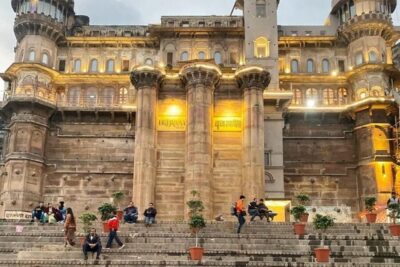
Full Day City Highlights Day Tour & Ganges Cruise
Read our review →
Hidden Secrets of Varanasi: lively Tradition (Guided Tour)
Read our review →


The Ultimate 1 Day in Varanasi – How to Spend 13 Hours – Private Guided Tour
Read our review →
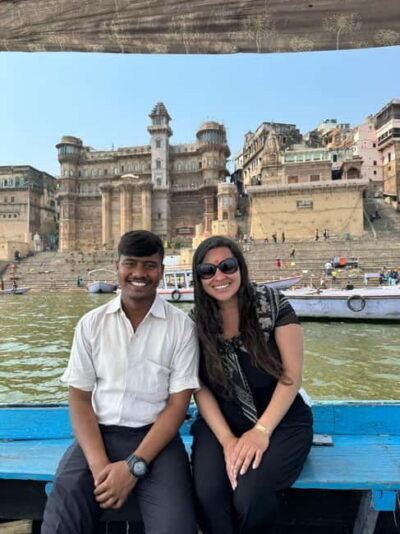
Hidden Secrets of lively Tradition (Guided Tour)
Read our review →
Private Heritage and Spiritual Walk Tour – Varanasi Kashi
Read our review →Browse the lists this tour appears in