
Reviewed · FULL-DAY
Jaipur: Full Day Sightseeing Tour By Car & Local Tour Guide
Jaipur is one of those cities where the details hit you from every direction, so a full-day, car-based plan makes a lot of sense. I love the way this tour strings together top sights in the Pink City without turning your day into a logistics puzzle, and I love that you get a real local tour guide who puts monuments into context. One possible drawback, it is a busy 8-hour route, so you will want comfortable shoes and a flexible pace.
The staff focus on keeping the day smooth, with hotel pickup and drop-off, an air-conditioned SUV or sedan, and bottled water. Guides like Akram, Imran, Tahir, Ali, and Ashraf have been praised for patience, clear explanations, and helpful timing, even when guests had an elderly relative or a curious toddler tagging along.
Key highlights worth your attention
- A private AC ride with pickup and drop-off, so you spend less time figuring out transport
- UNESCO sights on one day, including Amber Fort and Jantar Mantar
- Iconic Jaipur views, from Hawa Mahal’s windows to the lake-side pause at Jal Mahal
- Water and astronomy stops, Panna Meena ka Kund stepwell and the stone instruments at Jantar Mantar
- A calm finale at Royal Gaitor Tombs, after the busier streets and forts
- Guide flexibility, with extra time for photos and questions, depending on your group
A one-day circuit that makes Jaipur easier than it looks
Jaipur can overwhelm you at first. There are major landmarks everywhere, but the city has traffic, ticket lines, and lots of small detours that eat time. This tour’s big value is that it’s built like a practical route, with a car waiting and a guide steering the order.
The sights are also a smart mix. You get palace and fort architecture (Amber Fort), a symbolic viewpoint (Hawa Mahal), a royal complex that explains power and planning (City Palace), and even science made of stone (Jantar Mantar). If you only have a day, that spread helps you build the “Jaipur picture” fast, without feeling like you skipped the point.
The day length is 8 hours, so you will not linger for long at every stop. That’s not a problem if you treat this as a highlights sampler. If your travel style is slow and museum-heavy, you might wish you had more time for fewer places.
Line these Jaipur options up side by side
- Jaipur: Private Full Day Sightseeing Tour By Car with Guide
★ 4.9 · 1,839 reviews - Jaipur: Private Full-Day Sightseeing Tour by Tuk-Tuk
★ 4.8 · 573 reviews - Jaipur: Full-Day City Tour with Car, Guide & Skip-the-Line
★ 4.8 · 512 reviews
Comfort on the road: private AC car, parking included, and a guide who sets the pace
This experience is private, with transportation in an air-conditioned sedan or SUV. That matters in Jaipur because you are outdoors most of the day, moving between sites, and the weather can turn on you. Having a cool car ready means you can recharge between stops instead of overheating while searching for the next ride.
Parking fees, fuel, and bottled water are included. That sounds minor until you are counting small costs during a long sightseeing day. You also get an authorized professional guide. A key theme in the guide feedback is trust and communication, plus lots of patience. One guide, Akram, was described as accommodating for elderly guests and also steady when a toddler needed extra attention. Another guide, Imran, was praised for taking time and keeping things comfortable for a solo traveler. That kind of day-management is what you really pay for with a guide.
You also get hotel pickup and drop-off in Jaipur. If you are staying somewhere central, that saves you from adding another timed headache to an already packed day.
Starting at Hawa Mahal: why the Palace of Winds is more than a photo stop
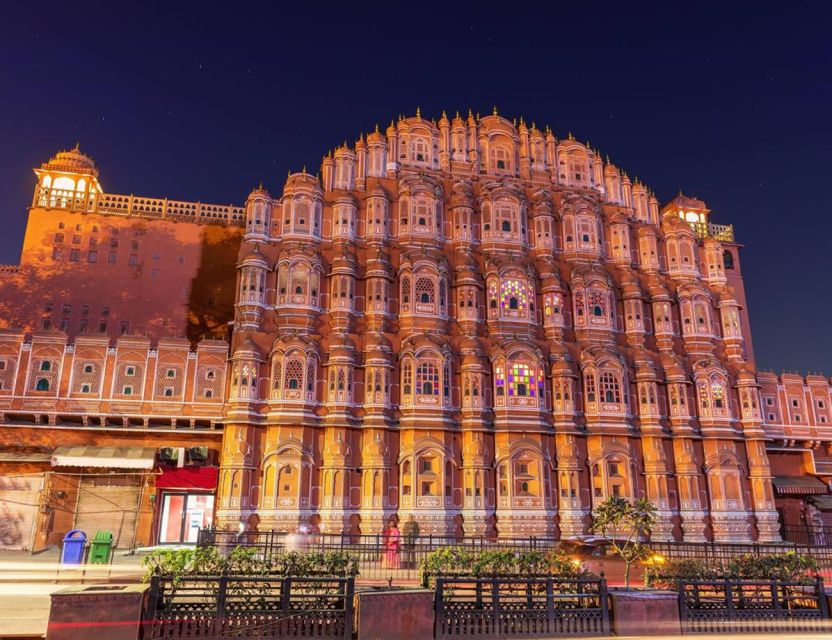
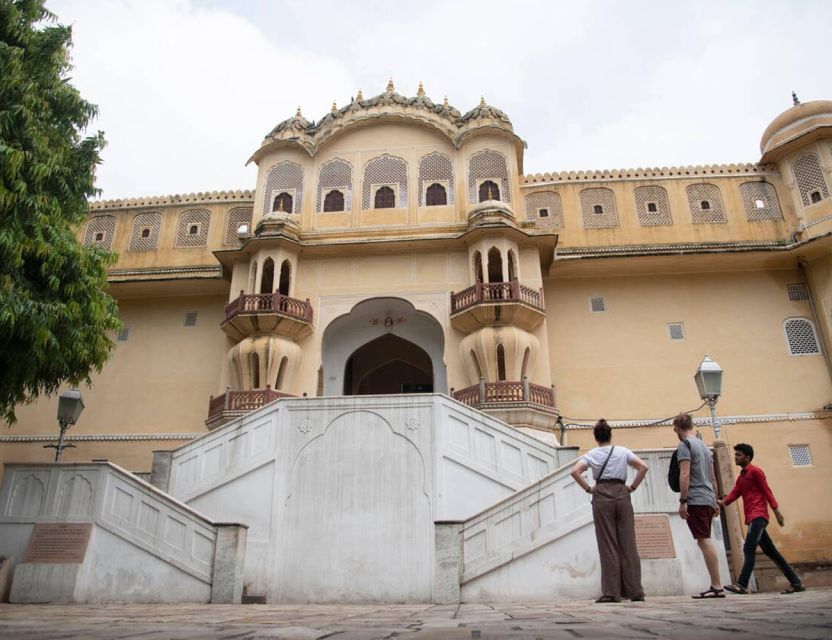
You typically begin with Hawa Mahal. It is a five-story façade covered with hundreds of windows. The purpose is simple and clever: royal women could look out at street life without being fully seen.
When you stand in front of it, the building reads like a pattern first, then like a story. The windows aren’t random decoration. They’re a solution for privacy in public space, which is very Jaipur. Your guide’s role here is practical. They can explain what you are looking at and why the design exists, so you aren’t just collecting a picture and moving on.
You usually spend about 30 minutes here, with a guided visit and time to see it at an easy pace. Because it’s a façade, you can also take breaks when you need them. This is a good opener because it helps you get your bearings quickly.
One note: this is a major landmark, so expect a lot of people around. If you want fewer crowds in your photos, ask your guide when the light changes or when you should step back and let the flow move.
Panna Meena ka Kund stepwell: the short stop that teaches practical water history
Next comes Panna Meena ka Kund, a historic stepwell near Amber Fort. Even if you’ve never studied stepwells before, this is worth your attention because it connects beauty to function.
The structure is symmetrical, with tiered staircases. It also links to water conservation methods from the 16th century. Jaipur is a city where water planning mattered, and a stepwell makes that idea visible. Instead of hearing about water management as a concept, you see how people built access down into the earth.
You’ll typically spend about 30 minutes. That’s enough to walk the space, take in the geometric layout, and listen to your guide explain how it worked. The main drawback is that it’s a short stop, so you cannot expect a long, slow exploration like a dedicated heritage walk. Treat it as a “lesson in architecture,” then move on.
A different shape of Jaipur day:
- 3-Hour Morning Bike Tour of Jaipur
★ 5.0 · 1,253 reviews - Full-Day Jaipur Private Sightseeing Tour by Car with Guide
★ 5.0 · 472 reviews - Pink City Cooking Class
★ 5.0 · 452 reviews - Private Elephant Sanctuary
★ 5.0 · 390 reviews
Amber Fort: where red sandstone, white marble, and royal power meet
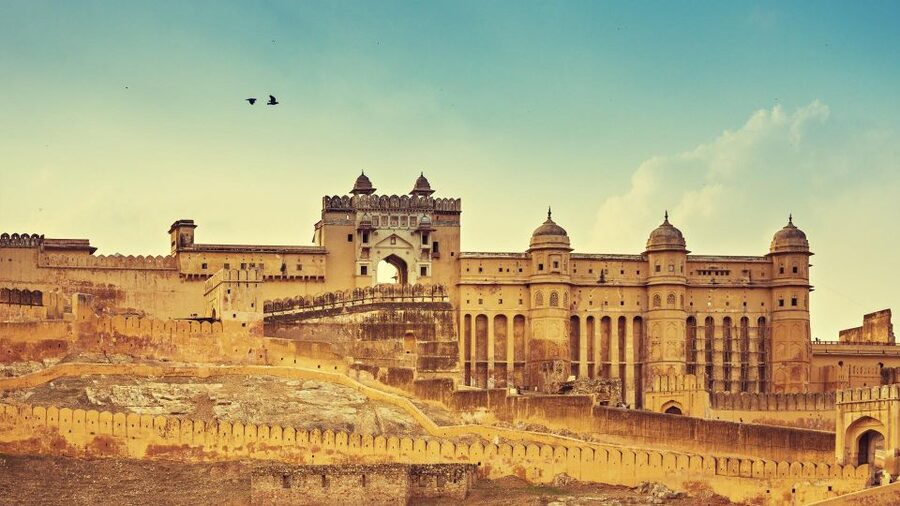
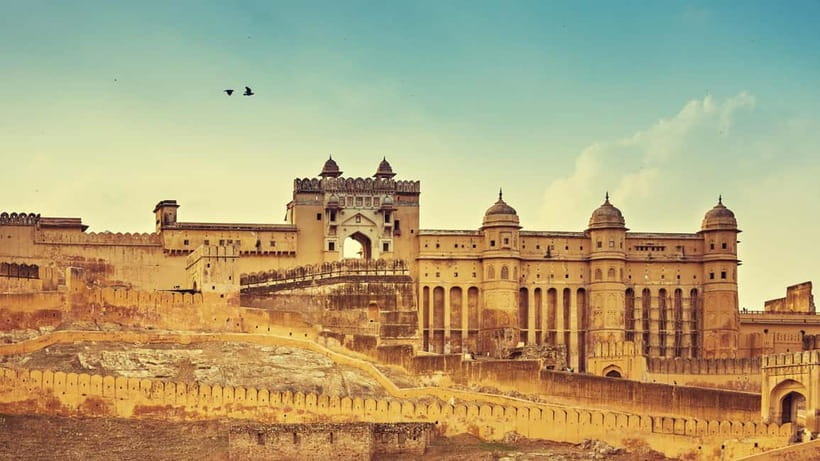
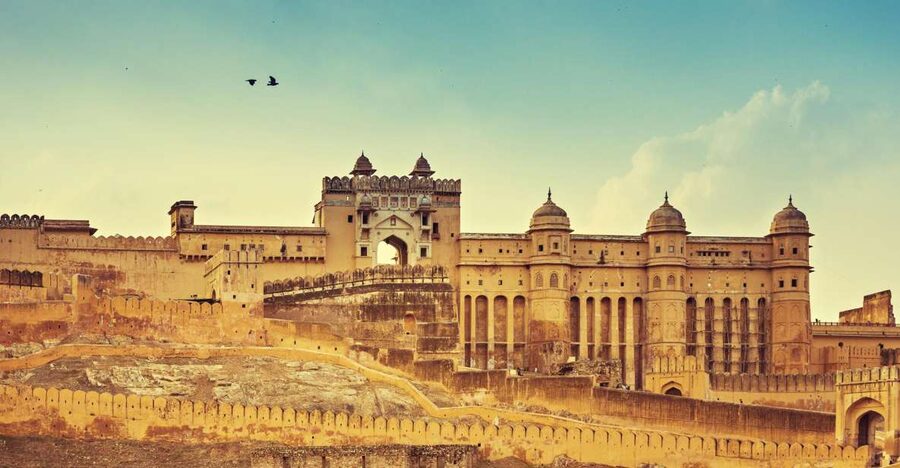
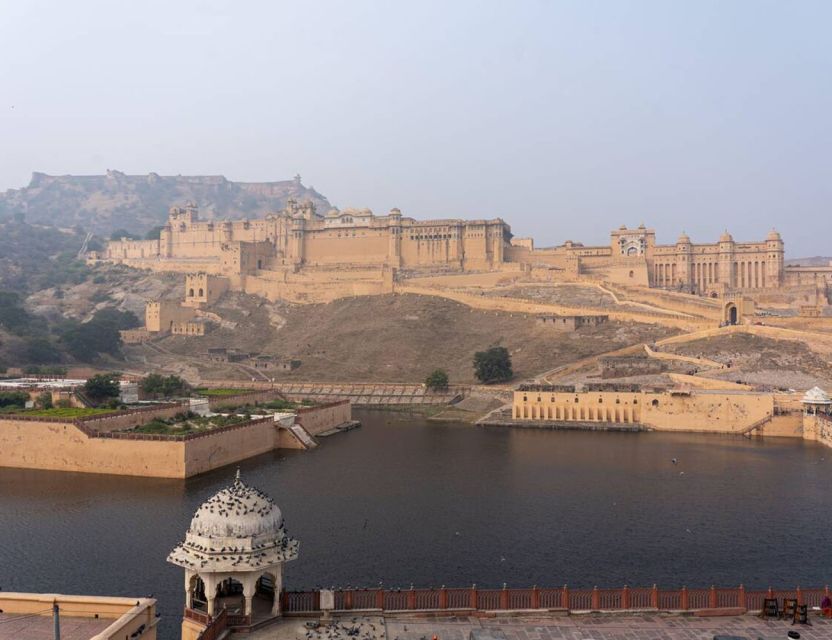
Then it’s Amber Fort, one of Jaipur’s biggest drawcards. The fort sits on the Aravalli hills just outside the city. The mix of Hindu and Mughal architectural styles is part of what makes it feel so layered, and the materials stand out, red sandstone paired with white marble.
You usually get around 1.5 hours here, with a guided visit and sightseeing time. That’s a workable window. You can see the main parts, get oriented, and still have time for photos without turning the whole fort into a marathon.
This stop is also where you feel the physical side of sightseeing. Forts are rarely flat, and there can be stairs and uneven ground. Comfortable shoes matter, and sports shoes are the right call. If you’re traveling with mobility concerns, this tour is not listed as suitable for wheelchair users, so plan accordingly.
What you gain from having a guide is context. Without guidance, you might see impressive rooms and walls but miss why the choices were made, how the design reflected royal life, and how the different influences show up in the architecture.
Jal Mahal at Man Sagar Lake: the quick pause with big atmosphere
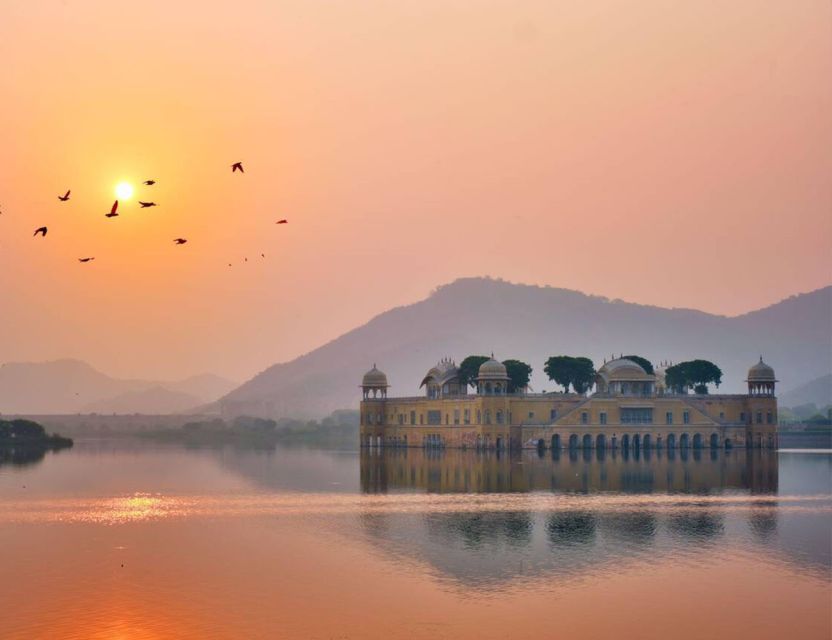
After Amber Fort, you usually stop at Jal Mahal, the “Water Palace.” It looks like it floats on Man Sagar Lake because of its position in the water.
Your time here is about 30 minutes, including a guided view and photo-friendly breaks. This stop is less about walking through buildings and more about appreciating the effect. From the right angles, it becomes a calm contrast to the fort energy.
The red sandstone design is part of why the palace works visually. It blends with the colors of the lake and the surrounding hills, and it looks especially good from viewpoints across the water. Your guide can point out where to stand for the best perspective.
If you are traveling on a tight schedule, this is a good “reset stop.” It helps break up the day so your brain does not only switch between forts, palaces, and structured sites.
Lunch and shopping time: use the window, don’t waste it
Midday you get lunch time for about 1 hour. Meals are not included, so come prepared to either buy food on your own or use the guide’s suggestions. The upside is flexibility. If you have dietary restrictions, you can choose a place that fits you.
You also get about 1 hour for shopping. This is where your guide can turn a generic tourist stop into something more useful. Some guides have steered guests toward shops outside the most obvious tourist lanes and helped keep sales pressure under control. One example from the guide feedback: a guide made sure people were not dealing with pushy sales behavior and focused on helping visitors find jewelry and textiles. Another mentioned a stop connected to textiles and cottage industries.
Here’s the practical tip: treat shopping time like an appointment. Decide what you want before you arrive (textiles, jewelry, souvenirs), set a rough budget, and ask your guide to recommend a shop. That keeps the hour from turning into aimless browsing.
City Palace: the royal complex that connects Rajasthani and Mughal style
Next up is City Palace, where Jaipur’s royal heritage lives in layers. This complex was built by Maharaja Jai Singh II and it combines Rajasthani and Mughal architectural styles.
You get about 1.5 hours at City Palace, guided. This is one of the stops where a guide really helps because the palace is not just one building. It’s a complex, with courtyards and museum spaces, plus it relates to the former royal family’s residence.
What I like about City Palace as part of this route is that it ties the whole day together. Amber Fort shows strength in the hills. Hawa Mahal shows privacy and status in public space. City Palace explains how the royal system actually worked as a living base, with architecture shaped by both local tradition and outside influence.
One watch-out: if you are tired from earlier walking, slow down here. Courtyards and interior spaces can make the day feel longer. Take water breaks, and lean on your guide to point you to the most important areas first.
Jantar Mantar: ancient astronomy made practical and visible
Then comes Jantar Mantar, an astronomical observatory built by Maharaja Sawai Jai Singh II. This site is UNESCO-listed, and it’s a different kind of landmark than the palaces.
The big highlight is the world’s largest stone sundial. But you also get a collection of unique instruments used to study celestial bodies. That matters, because it is not just a single object. It’s a whole system.
You usually spend about 1 hour here. That’s just enough time to see the instruments, understand how they relate to time and sky observations, and take in the main pieces without rushing through. Without explanation, you might not know where to look. With a guide, you’ll get a framework for what you’re seeing and why it was built as stone engineering.
This is also where the day feels rewarding because it shows Jaipur thinking beyond war and royalty. It connects science to culture, and it gives you something memorable even if you skipped the “fort rooms” style experience.
Royal Gaitor Tombs: the quiet ending that helps the day land
To close, you visit Royal Gaitor Tombs (Gaitor Ki Chhatriyan). This is an 18th-century burial site for Jaipur’s royals. The setting is peaceful, and the tombs include delicate carvings and domed pavilions.
You typically get around 1 hour here, but the schedule also includes a photo stop and guided walk at Gaitor Ki Chhatriyan. This ending is smart because it gives your legs a break from intense walking while still delivering architecture and story.
By the time you reach the tombs, you’ve had forts, palaces, and science. The tone shifts to calm. That makes it easier to absorb what you learned earlier instead of just collecting more sights until you feel mentally overloaded.
If you like photography, this is a solid place for it, but do not treat it as a quick snapshot and run. The value here is the mood and details in the carving and domed shapes.
Price and value: $8 a person, but plan for entry tickets and lunch
The price is listed at $8 per person for a full day, including hotel pickup and drop-off, a private air-conditioned car, an authorized guide, parking fees, fuel, and bottled water. That combination is usually the real cost drivers in India sightseeing. Transport plus guide time plus waiting time while you tour sites is often what makes a day expensive.
The trade-off is that entry tickets and meals are not included. So you should budget separately for monument fees and lunch. The exact amount will depend on current ticket pricing, which can change. Practically, you should assume you will need extra cash for those add-ons.
So is it good value? For most first-time visitors, yes, because you are getting a structured route with guide context. You are not just being dropped off. The repeated praise for punctual pickup and safe, attentive driving also signals you’re paying for reliability, not just sightseeing access.
Transport and timing: why an 8-hour plan is both efficient and intense
This tour is about efficiency. You see a lot of Jaipur in one day, with stops like Hawa Mahal, Panna Meena ka Kund, Amber Fort, Jal Mahal, City Palace, Jantar Mantar, and Royal Gaitor Tombs.
Efficiency has a cost: the day can feel tight. Each stop gives you a defined window, like 30 minutes for Hawa Mahal and Panna Meena ka Kund, 1.5 hours for Amber Fort and City Palace, about 1 hour for Jantar Mantar, and about an hour for the tombs. That’s a lot of transitions.
If you want to linger at one place, you will need to plan trade-offs. The helpful part is that many guides have shown flexibility, adjusting pacing and keeping time for photos. Use your guide to manage your priorities. Ask where you can spend an extra 10 minutes and where you should move on quickly.
Also, the route includes outdoor viewpoints and walking. Bring sunglasses and sunscreen, and wear sports shoes. Those are not suggestions for fun, they are how you keep the day comfortable.
What to pack, what not to bring, and who this tour fits
You’re advised to bring a passport or ID card, sunglasses, sunscreen, and sports shoes. You should also think about comfort items like a refillable water bottle if you like, though bottled water is included.
Not allowed items include luggage or large bags, alcohol and drugs, glass objects, and fireworks. That matters if you are a light packer, but if you’re carrying extra gear, the best approach is to keep your day bag small.
In terms of suitability, this tour is not suitable for pregnant women and not suitable for wheelchair users. That likely ties to the walking and access at forts and heritage areas. If you are unsure about mobility limits, I’d treat that as a hard constraint, not a suggestion.
Who should book? This is a great match if you want the main Jaipur landmarks in a single day and you like having a guide translate what you’re seeing. It also fits solo travelers, and the guide feedback includes examples of solo guests having a smooth experience with patience and careful pacing.
Who should skip or modify? If you hate structured schedules, or if you need very frequent breaks, this may feel too intense. In that case, consider a slower plan focused on fewer sites.
Should you book this Jaipur full-day sightseeing tour?
Yes, if your top goal is to see the big Jaipur names with a guide and a private AC car, without spending your day hunting transport or figuring out sequencing. The strongest reasons to book are the practical comfort, the authorized guide, and the fact that you get major architectural styles and even astronomy instruments in one run.
Don’t book if you want a slow, lingering day or if mobility is a concern. Also, remember entry tickets and meals are not included, so plan money for those.
If you do book, do one thing that makes the day better: tell your guide what you care about most when you meet them. Based on past guide behavior, the team is set up to handle different needs and keep the experience workable, not rigid. Then you can focus on the real payoff, those Jaipur details, from Hawa Mahal’s windows to the stone tools at Jantar Mantar.
FAQ
How long is the Jaipur full-day sightseeing tour by car?
The tour duration is 8 hours.
What is included in the price?
The tour includes hotel pickup and drop-off, transportation in an air-conditioned sedan or SUV, a professional authorized guide, parking fees, fuel, and bottled water.
Are entry tickets included?
No. Entry tickets are not included.
Are meals included?
No. Meals are not included. Lunch time is part of the schedule, but you will need to handle your meal during that period.
What sites will I visit during the day?
You will visit Hawa Mahal, Panna Meena ka Kund, Amber Fort, Jal Mahal, City Palace, Jantar Mantar, and Royal Gaitor Tombs.
What languages are available for the live tour guide?
The guide is available in English, French, German, Hindi, Italian, Japanese, Portuguese, Russian, and Spanish.
Is the tour suitable for wheelchair users or pregnant women?
No. It is not suitable for wheelchair users, and it is not suitable for pregnant women.
Latest reviews in from Jaipur
- Jaipur Full-Day Tour by Car with Govt Guide★ 5.0 · 43 reviews
- Taj Mahal Tour from Jaipur by Car – Private Day Trip★ 5.0 · 43 reviews
- Jaipur Car tour with English driver★ 5.0 · 44 reviews
- Pushkar Day Trip from Jaipur – Private Car, Safari, Guide & Lunch★ 4.5 · 45 reviews
- Jaipur Private Full Day Tour w/ AC Car & Guide (Eng, Esp, Fr, It)★ 5.0 · 47 reviews
- Golden Triangle Tours★ 5.0 · 47 reviews
- Jaipur Day Tour★ 5.0 · 47 reviews
- Same Day Jaipur Tour By Car★ 5.0 · 47 reviews
Full-Day, compared.
Old & New Delhi City Tour – Half or Full Day Options Available
Read our review →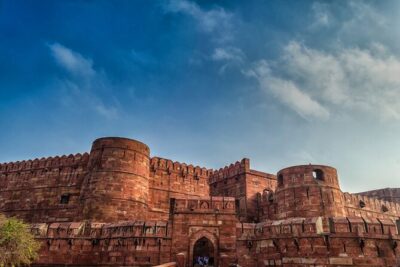
Full Day Taj Mahal, Agra Fort & Baby Taj Tour from Delhi by Car
Read our review →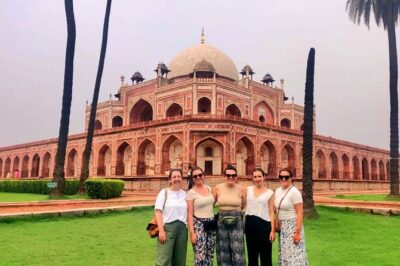
Old & New Delhi Private Tour – Half or Full Day (Rated Excellent)
Read our review →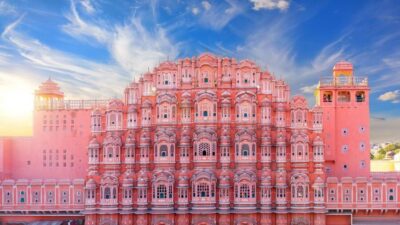
Private Full Day Sightseeing Tour By Car with Guide
Read our review →



Full-Day Private Udaipur Sightseeing Tour with optional Guide
Read our review →Browse the lists this tour appears in