
Reviewed · COOKING CLASSES
Jaipur: Cooking Class with a Local Family
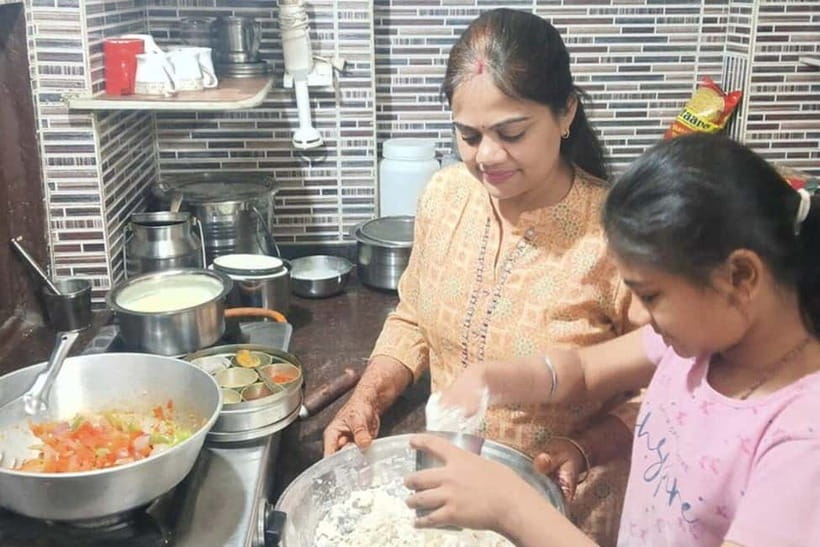
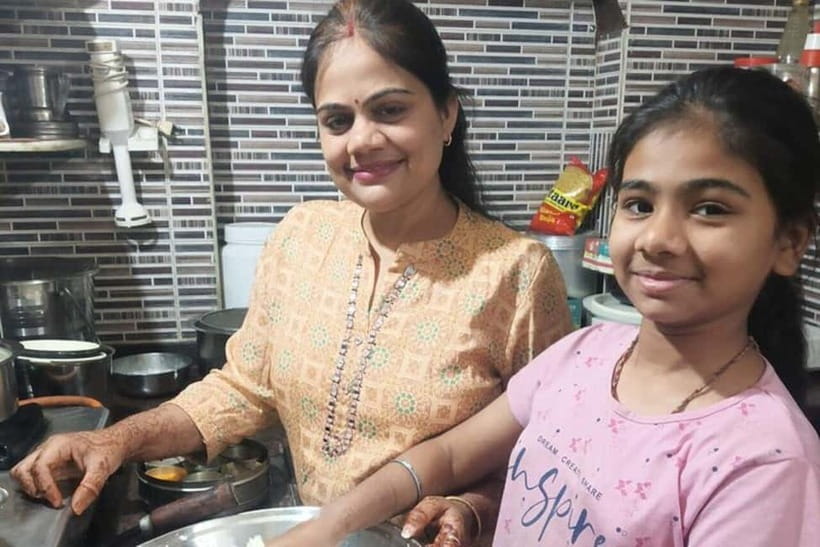
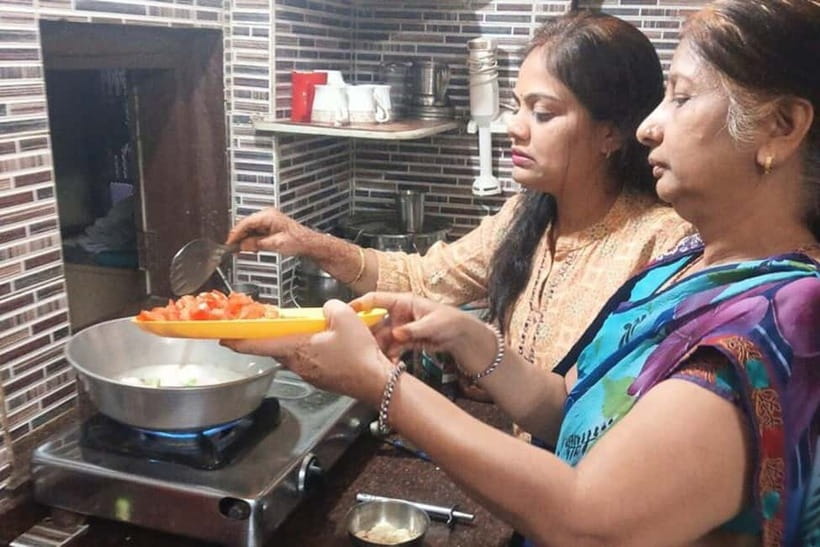
What makes this Jaipur cooking class interesting is the setting. You are not watching a performance in a studio. You are learning in Swati’s home kitchen in the Pink City, with her family pitching in like you belong there.
Two things I really like. First, you get real conversation and hospitality, not a rushed script. Second, you do the cooking yourself, including hands-on basics like chapatis and vegetable curries, then branching into Rajasthan specialties.
One consideration: this is a real home experience, so you are responsible for getting yourself to the meeting point. Also, the menu and pacing can feel more casual and family-driven than a strict tour itinerary.
Key Highlights You’ll Notice Fast
- Small group, max 6, so Swati can answer questions as you cook
- A local home setup with family members helping, so it feels personal
- Rajasthan dishes + ingredient stories, including classics like dal baati churma and ker sangri
- Hands-on chapatis and vegetable curries, not just watching demos
- Dietary needs can be handled, including gluten-free menus in past classes
- E-recipes sent after class, so you can recreate it at home
Where to Meet and How This 3-Hour Class Flows
This experience is based in Jaipur, Rajasthan. You meet at 3664, motisingh bhomiyon ka rasta, fourth crossing, Johari Bazar, Jaipur 302003. Transportation to and from the activity is not included, so plan your timing around that.
Once you arrive, the flow is simple and friendly. You start with welcome drinks and a casual setup, then you move into spice and ingredient explanations. After that, you cook. The last part is eating what you made, plus dessert, and then you leave with e-recipes for the dishes you cooked.
The class runs for 3 hours, and the small group format matters. With only up to 6 people, it stays interactive. If you want to ask why something works a certain way, you can.
More Cooking Classes in Jaipur
- Pink City Cooking Class
★ 5.0 · 452 reviews - Jaipur Market Tour & Vegetarian Rajasthani Home Cooking Class
★ 5.0 · 113 reviews - Cooking Class in Jaipur – Family Experience with Meal & Transport
★ 5.0 · 101 reviews
Chai, Spices, and Ingredient Stories You Can Use Later
The best part of this class is that it teaches technique through everyday ingredients. You do not just get a list of spices. You get the purpose behind them, and that makes the recipes easier to repeat later.
You often begin with chai. In past classes, people have made masala chai right away, then sat together and chatted while it cooled enough to drink comfortably. That sounds small, but it sets the tone. You are not trying to learn 10 things in 60 minutes. You settle in.
Then Swati walks you through spices and ingredients in practical terms. You learn what to toast, what to grind, and how spices behave once heat hits. Even if you are a confident cook, this helps you move beyond guessing and toward consistency. And if you are brand new to Indian cooking, it turns the process into something you can actually follow.
From Chapati to Vegetable Curry, Then Rajasthan Classics
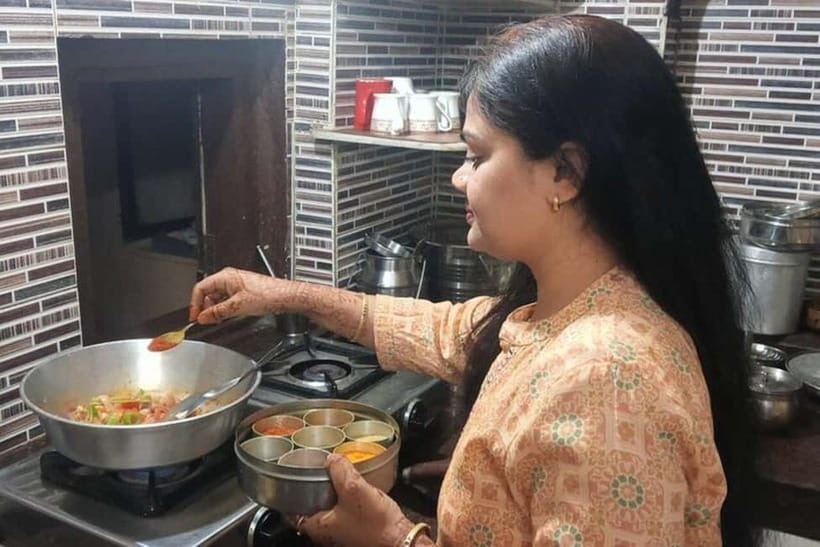
The core hands-on skills are chapatis and vegetable curries. You are not just prepping ingredients and hovering. You make it, you adjust it, and you learn what “right” looks like.
Here is the typical arc:
- Start with dough and the basics of chapati making
- Move into vegetable curry components, usually including sautéing spice mixes and building sauce
- Cook your sides and accompaniments, depending on the day’s menu
- Taste and finish with dessert
In some classes, people have made additional items like parathas and cumin rice, and then built a fuller meal around them. You may also see dishes like palak paneer, aloo ghobi, dal tadka, vegetable biryani, or veg pakora as options. The point is that you are cooking a meal, not collecting random samples.
The highlights say you will learn traditional Rajasthan dishes like dal baati churma and ker sangri. Even when class menus vary, these are the kinds of flavors and methods they anchor around.
Dal Baati Churma and Ker Sangri, Explained Like a Local
Let’s talk about the Rajasthan classics, because they are not just “special dishes.” They are snapshots of how people cook in arid regions and how meals are structured around grains, legumes, and long-lasting ingredients.
A different shape of Jaipur day:
- Jaipur: Private Full Day Sightseeing Tour By Car with Guide
★ 4.9 · 1,839 reviews - 3-Hour Morning Bike Tour of Jaipur
★ 5.0 · 1,253 reviews - Jaipur: Private Full-Day Sightseeing Tour by Tuk-Tuk
★ 4.8 · 573 reviews - Jaipur: Full-Day City Tour with Car, Guide & Skip-the-Line
★ 4.8 · 512 reviews
Dal Baati Churma
Dal baati churma is built around three parts: baati (baked or roasted wheat balls), dal (lentil curry), and churma (a sweet, crumb-like wheat component, usually sweetened and spiced). The magic is in balance. The wheat side needs texture, the dal needs the right thickness, and the spices need to taste warm rather than harsh.
In your class, you should expect technique coaching for the bread element and the dal. If you are learning it for the first time, focus on how the dal is layered with spices, because that is where most restaurant-style versions go wrong when you try to recreate them later.
Ker Sangri
Ker sangri is a more regional ingredient pairing. Sangri refers to a dried berry (often from a desert shrub). Ker usually points to dried pods or related desert produce. The final dish typically has a spiced, savory profile that feels like Rajasthan in a bowl.
Even if you have had “spicy vegetable curry” before, ker sangri is different. The ingredient itself brings its own chew and depth, and the spice blend should cling rather than sit on top. If this is on your menu, treat it as the ingredient lesson of the day.
The Table Moment: Eating Together After You Cook
One of the underrated joys of this class is the way you eat. You do not just cook and escape. You sit, taste, and compare notes with Swati and her family. That is when the spice explanations start to click.
People have mentioned that the food from this class can taste better than restaurant meals in Jaipur. I think that makes sense because you are cooking to taste, not following a timer at a busy kitchen. When you add the next pinch, stir until it changes, and adjust heat yourself, the end result usually lands closer to what you expect.
Depending on the day, the table might include extra snacks or sides. Past participants have also mentioned tasting homemade lemon pickle and sweets like gulab jamun. You are not guaranteed those exact items every time, but they are the kind of home-style additions that make the meal feel complete.
Dessert and Going Home With E-Recipes
Dessert is part of the included experience. In past classes, people have made or served items like gulab jamun. The dessert part matters because it ties the spice story together. Indian cooking often swings between savory spice and sweet spice, and this class covers both.
After the meal, you get the practical reward: e-recipes of the dishes you cooked. Many participants have said they receive recipes through WhatsApp and that they are easy to follow. That is a big value point because the class ends, but the recipe cards keep working for you later.
If you cook at home even occasionally, these notes are what turn a great day out into a repeatable skill. Take photos of your finished dishes too. Not for social media. For your own reference when you recreate it and need to remember what “done” looks like.
Dietary Needs, Safety, and How Swati Runs the Kitchen
Food hygiene and comfort are not afterthoughts here. Past classes have included examples of careful handling, including using mineral water for cooking. That detail may sound tiny, but it is the difference between being able to relax and constantly second-guess what you are eating.
Dietary accommodation has been a standout. One participant described a 100% gluten-free menu, and others noted that allergies and intolerances were handled thoughtfully. Swati also appears flexible about menu choices when preferences change, even if schedules shift due to travel delays.
This is another reason the small group matters. When you are one of a few people, the host can adjust ingredients without turning the kitchen into chaos.
Price of $19, What You Really Get, and Value in Jaipur
At $19 per person for about 3 hours, you are paying for a home-cooked meal plus instruction plus take-home recipes. That is a fair deal, especially because this is not just a one-dish workshop.
Here is what is included:
- Welcome drinks
- Cooking class with a local family
- Introduction to Indian spices and ingredients
- Hands-on chapati and vegetable curry cooking
- Indian dessert
- E-recipes of all cooked dishes
And what is not included:
- Transportation to and from the activity
- Personal cooking equipment
So the real value equation is simple. If you want to learn techniques you can reproduce, plus a meal you actually cook and eat, this is strong. If you only care about tasting a few bites with zero cooking, you might feel it is more work than you expected. But if you like food you can learn from, it is a good spend.
Also, you get something you do not get with most restaurant meals: context. The “why” behind spices and ingredient choices turns Jaipur eating into understanding, not just consumption.
Practical Tips Before You Go
A few things will make your experience smoother.
- Plan to arrive on time for a home kitchen. The meeting point is in the Johari Bazar area, and the address is specific.
- Bring a curious attitude. This class works best when you ask questions while you cook.
- If you have allergies or intolerances, tell them ahead of time. The class has shown flexibility for gluten-free and other needs.
- Wear comfortable clothing you can move in. You are kneading, stirring, and standing near active cooking surfaces.
Also note: pets are not allowed. If that affects you, you will need alternative arrangements.
Who Should Book This Jaipur Cooking Class
You should book if you want an authentic, human-scale food experience. This is ideal for:
- Food lovers who want technique, not just recipes
- Solo travelers who enjoy meeting local families
- Couples and small groups who like interactive activities
- People who want Rajasthan flavor beyond what you can easily order in a restaurant
It might not be ideal if you expect a large, structured, clockwork tour style. This feels more like joining a household for a few hours, and the menu can reflect what the host and family cook and what you want to learn.
Should You Book This Jaipur Cooking Class?
Yes, you probably should, especially if your goal is to go beyond Jaipur sightseeing and leave with a skill. The combo of hands-on cooking, a genuinely welcoming family setting, and e-recipes is exactly what makes this kind of class worth doing.
Book it if:
- you want to cook chapatis and curries yourself
- you want spice explanations that help you cook later
- you care about dietary accommodation and clear communication
Skip it only if you cannot manage a bit of extra effort getting yourself to the meeting point, or you only want a quick snack rather than a full meal you cook.
If you are visiting Jaipur and you enjoy learning through food, this is one of the most practical “do it once, use it forever” experiences you can choose.
FAQ
How long is the cooking class in Jaipur?
The class lasts 3 hours.
How much does it cost?
It is priced at $19 per person.
What’s included in the price?
The experience includes welcome drinks, a cooking class with a local family, an introduction to Indian spices and ingredients, hands-on chapati and vegetable curry cooking, Indian dessert, and e-recipes of all cooked dishes.
Do I need to bring any cooking equipment?
No. Personal cooking equipment is not included, so you should not plan to bring your own unless the activity asks you to.
Is transportation to and from the activity included?
No. Transportation to and from the activity is not included.
What dishes will I learn to cook?
You can expect hands-on chapatis and vegetable curries, and traditional Rajasthan dishes such as dal baati churma and ker sangri. The exact menu may vary.
Are dietary restrictions or allergies accommodated?
Yes. The class has accommodated allergy and intolerance requests, including a 100% gluten-free menu in at least one past class.
What languages are used during the class?
The instructor supports English and Hindi.
Is the class wheelchair accessible?
Yes, it is listed as wheelchair accessible.
What is the cancellation policy?
Free cancellation is available up to 24 hours in advance for a full refund.
Latest reviews in from Jaipur
- Jaipur Full-Day Tour by Car with Govt Guide★ 5.0 · 43 reviews
- Taj Mahal Tour from Jaipur by Car – Private Day Trip★ 5.0 · 43 reviews
- Jaipur Car tour with English driver★ 5.0 · 44 reviews
- Pushkar Day Trip from Jaipur – Private Car, Safari, Guide & Lunch★ 4.5 · 45 reviews
- Jaipur Private Full Day Tour w/ AC Car & Guide (Eng, Esp, Fr, It)★ 5.0 · 47 reviews
- Golden Triangle Tours★ 5.0 · 47 reviews
- Jaipur Day Tour★ 5.0 · 47 reviews
- Same Day Jaipur Tour By Car★ 5.0 · 47 reviews
Cooking Classes, compared.


Veg and Non veg : Private Cooking Class in Delhi home (7 meal)
Read our review →
Indian Cooking Class in an Authentic Local Home – Learn 6 Dishes
Read our review →
Private Guided Cooking Workshop Experience in Jodhphur
Read our review →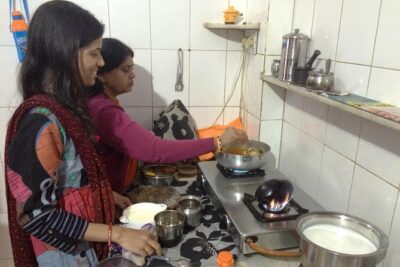
Jaipur Market Tour & Vegetarian Rajasthani Home Cooking Class
Read our review →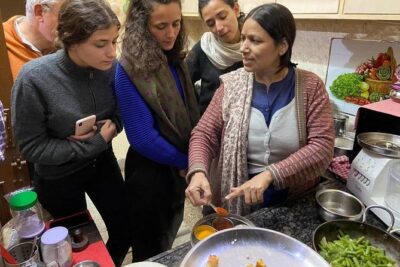
Cooking Class in Jaipur – Family Experience with Meal & Transport
Read our review →Browse the lists this tour appears in