
Reviewed · TUK-TUK & RICKSHAW TOURS
Guided Morning E-Rickshaw Ride with Food Tasting at Jaipur
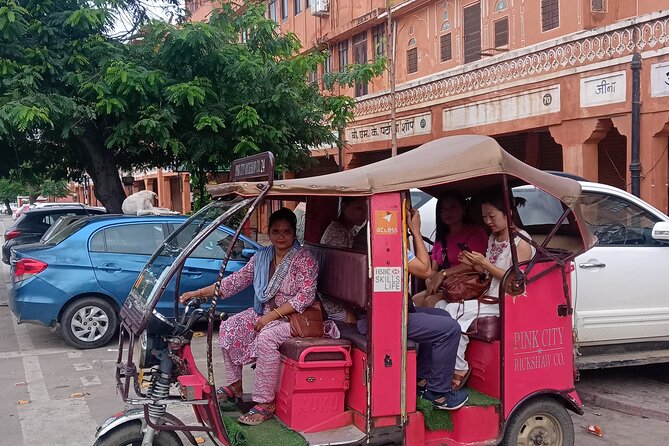
Jaipur looks different in the morning. This guided e-rickshaw ride lets you see the city when streets are quieter, light is softer, and you can actually take in the architecture. I love the slow pace too, because you’re not rushing between stops, and you’re less worn out by walking.
Two standouts for me are the food tasting stops along the route and the artisan moment on Thatheron ka rasta, where you get a real look at how brass utensils are made without machines. The only drawback to plan for is that some major sights are quick photo stops, and admission tickets are not included for certain places.
Key things I’d prioritize on this tour
- Sunrise-style timing so you get calmer streets and better photo light
- Small group size (max 10) keeps the guide interaction personal
- Flower and vegetable markets with lots of choices and strong morning energy
- Govind Devji Temple visit with a chance to join in temple garden activities like laughing yoga
- Thatheron ka rasta craft street, including a hands-on try-making moment if you like
- Multiple traditional food outlets known for long-running recipes and snacks
Why an early e-rickshaw circuit works in Jaipur’s Pink City
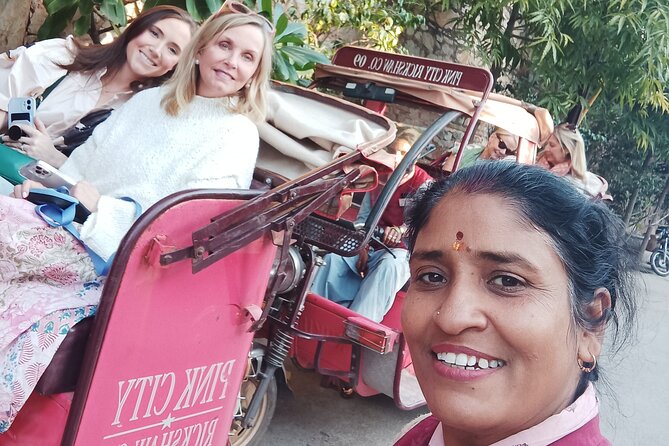
Jaipur is famous for color, but morning is where the city really makes sense. When you ride early, the streets feel less chaotic. And with an e-rickshaw, you spend your energy on looking, tasting, and asking questions instead of doing long stretches of walking.
This is also a smart format for first-timers. You get a tight route that hits the big visual landmarks people come to see, plus the “everyday Jaipur” pieces, like markets and craft work. The guide keeps the stops moving, but not in a frantic way.
One more practical advantage: you’re out before the day heats up and before the crowds fully stack up around the most famous views. That matters in Jaipur. Even just being comfortable enough to enjoy photos and snacks makes the whole trip feel smoother.
More Food Tours in Jaipur
- Jaipur Bazaar & Food Walking Tour
★ 5.0 · 281 reviews - Heritage Walk & Street Food Tasting in Jaipur
★ 5.0 · 158 reviews - Cultural Walk and Food Tasting In Jaipur
★ 5.0 · 118 reviews
Meeting at Raj Mandir Cinema and setting your bearings fast
You start at Raj Mandir Cinema on Bhagwan Das Road, near Panch Batti in C Scheme. It’s an easy landmark to find, and it’s a good first stop because it instantly signals you’re in the heart of Jaipur’s city life.
Raj Mandir Cinema is known for its opulent, decorative interior style. You’ll only spend a short time here, about 10 minutes, and admission isn’t included. That means the focus is on exterior atmosphere and quick orientation rather than a full venue visit.
I like starting here because it breaks the day into two halves right away. First, you get connected to the city core. Then you roll into the older lanes and monuments, where the morning calm helps you notice details that you might miss later.
If you care about photography, arrive ready to point your camera. This is a “get oriented, then get serious” moment.
Ajmeri Gate: your entry point to Jaipur’s walled-city mindset
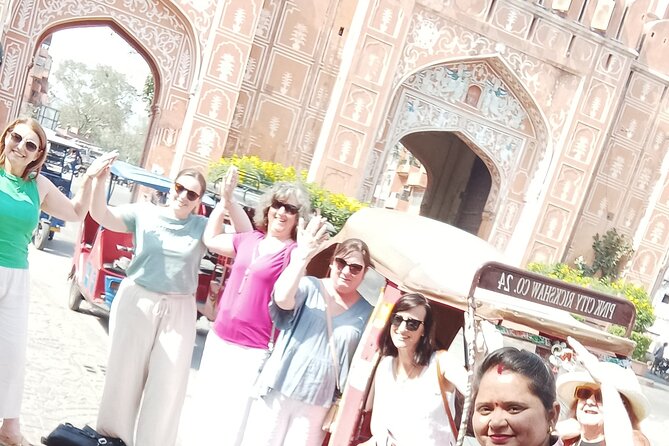
Ajmeri Gate is next, and it’s a great shift in mood. You get good views of Jaipuri art on walls and the huge doorways that historically protected the localities from foreign invaders. In other words, this is where Jaipur’s defense story becomes visible.
You’ll spend about 10 minutes here, and admission is listed as free. That’s perfect for a quick stop, because you can take photos and still keep the morning momentum going.
What I appreciate is how this stop explains the city’s layout without turning into a lecture. When you see the scale of those doorways, you understand why the rest of the old city feels like a “contained world.” The gate isn’t just a photo background. It’s a clue for how Jaipur grew and guarded itself.
Ram Niwas Garden and Albert Hall views without the traffic stress
Ram Niwas Garden is where your ride gets visually greener and calmer. You’ll enjoy the morning scenic beauty, with the Albert Hall Museum area as a key landmark nearby, and you’re in the Anglo-Indian architectural orbit around that space.
A big plus here is timing. Traffic is restricted in the morning hours, so the area feels more peaceful than you’d expect from a major city. The tour uses that window well, giving you an easy, comfortable pace under cooler conditions.
You have about 20 minutes in this area. Admission isn’t included, so think of it as a guided sightseeing stop and photo pause rather than a full museum day.
If you like architecture and garden space, this is one of the more relaxing parts of the route. You also get a breather after gate and road-side sights, so your eyes and feet both stay fresh for what comes next.
More Tuk-Tuk Tours in Jaipur
- Jaipur: Private Full-Day Sightseeing Tour by Tuk-Tuk
★ 4.8 · 573 reviews - Private Full Day Jaipur Sightseeing Tour By Tuk Tuk
★ 5.0 · 382 reviews - Jaipur: Full-Day Private Sightseeing Tour by Tuk Tuk
★ 4.9 · 166 reviews - Jaipur Sightseeing by Tuk-Tuk
★ 5.0 · 145 reviews
Chardiwari and Hawa Mahal: photo points at the scale of 953 windows
After the garden calm, the tour moves back into the “pink city” visual drama. You’ll pass through Chardiwari and see the broader context of the old palace fortification wall concept. Chardiwari served as outer walls to protect the Jaipur Maharajas’ palace area, and it’s a strong reminder that Jaipur’s architecture was designed for both power and protection.
Expect another quick stop here, about 20 minutes, with admission marked as free. The value is in how it frames the rest of your sightseeing. You start connecting the city’s monuments to the way the royal area sat inside walls and boundaries.
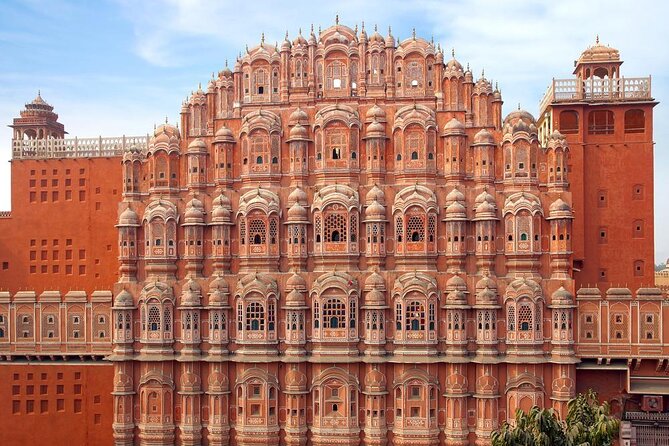
Then comes the star for many people: Hawa Mahal, the Palace of Wind. The exterior is designed by Lal Chand Ustad, and the famous detail is the honeycomb-like façade with 953 small windows called jharokhas, decorated with intricate latticework. The original idea of the lattice style was to help ladies inside observe life from behind without being seen directly.
You get about 20 minutes here, and admission isn’t included. That works well because Hawa Mahal is mostly about what you can see from the outside. You’re here for the photo angle and the architectural feel.
Here’s the practical win: since you’re early, you spend more time looking at the building and less time stuck in a crowd shuffle. If you want clean pictures of the façade, this timing is your friend.
Govind Devji Temple: markets, morning atmosphere, and laughing yoga
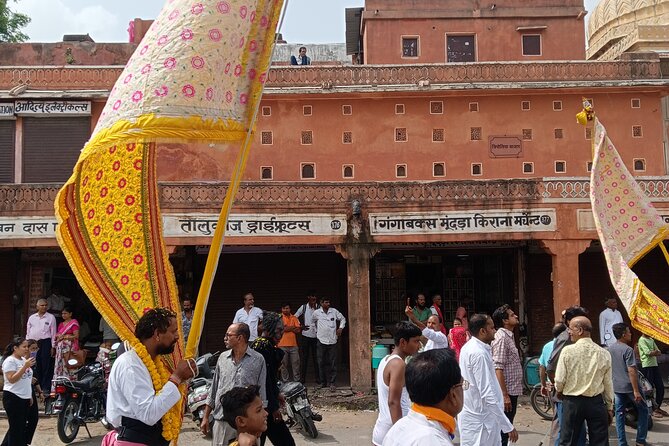
Govind Devji Temple is where the tour starts feeling like a lived-in morning, not just a monument tour. You’ll meet the folk and local food markets, including special food streets plus vegetable and flower markets. The day is sensory here: smells, sounds, and movement all come together.
The temple visit includes time in the garden and an activity called laughing yoga. Even if you’re not someone who does yoga, it’s a light, fun way to break the formality of sightseeing and join the morning routine in a respectful way. You’ll also have a far view of City Palace from this point, which is a nice bonus if you want a glimpse of the Maharaja family residence from a different angle.
This stop lasts about 1 hour, and admission is listed as free. That longer timing makes sense because there’s more going on here than at a typical “photo stop.”
One small detail I really like from the experience overall is that the guide uses the temple area as a reset. Markets earlier in the route can be visually busy, and the temple timing slows you back down. In at least one morning experience, there were even marigold petals involved during temple moments, so keep your hands free for photos.
Dress for comfort. You may be in and around temple areas and market zones, so choose breathable layers, and expect you’ll want to stay present.
Thatheron ka rasta: brass utensil makers, craft skill, and a hands-on try
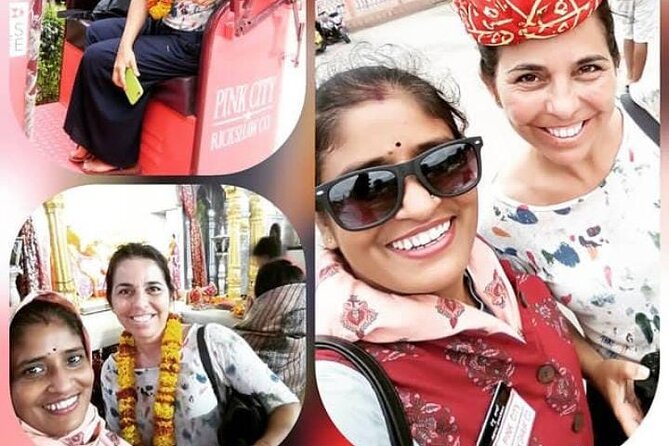
Thatheron ka rasta is the craft street stop, and it’s one of the most memorable parts of the whole morning because it’s not staged. You see artisans making utensils without machines in an old-style process.
You’ll spend about 20 minutes here, and admission is free. The guide also offers a try-it moment if you like, so you can experience how difficult the process is. That hands-on element is small, but it changes how you see the craft. Suddenly it’s not just “nice metal objects.” It’s labor, precision, and patience.
I like this stop because it balances the earlier architecture with something you can hold onto in your mind later. Markets show you variety in food and ingredients. Craft street shows you variety in skill and technique.
And since the tour is built around a morning loop, it’s a good time to learn a bit of context without getting exhausted. Your brain is still fresh enough to notice details like tool use, shaping steps, and how artisans move through their work.
Food tasting in Jaipur: how the snacks fit the route
Food is the main reason this tour feels more complete than a quick monument ride. You’ll enjoy traditional dishes and snacks from famous food outlets that have been running for more than 100 years. That long-running detail matters. It usually means consistent recipes, proven techniques, and a menu that locals actually rely on.
You’ll also stop for street-style tasting during the morning, with moments like chai mentioned in the experience. The market area near Govind Devji is a natural setting for this because vendors are already selling what people eat that morning. You’re tasting within the context of where the food lives.
Because tastings are spread out across the route, you’re not waiting until the end to eat. You get fuel at the right times, so you can keep enjoying the sights. That’s also why this works for people who might want to manage comfort better, including older visitors. One of the best practical stories from the experience is that an e-rickshaw morning format helped people with limited mobility still experience Jaipur without being forced into long walks.
The only consideration is that “food tasting” can vary in how much you get, based on what’s available and how the morning flows. If you have strong dietary restrictions, you’ll want to tell your guide what to avoid before you start eating.
Practical tips: how long it takes, how much walking, and what to wear
The tour runs about 3 hours. That’s a comfortable length for a morning outing, especially in Jaipur when midday heat can be real. The group size is kept small, up to 10 travelers, which usually means you can ask questions and get quick help when needed.
You start and end back at the meeting point near Raj Mandir Cinema. The activity includes a mobile ticket, and it’s near public transportation, so it’s not a tricky location to reach.
In terms of walking, this is built around an e-rickshaw ride with sightseeing stops. Some sights are short outside visits, and not every monument includes an admission ticket. So you can expect movement, but not a “hard core walking day.”
What I’d wear and bring:
- Comfortable footwear you can stand in during outdoor stops
- A light layer for morning to midday temperature shifts
- Water, because you’ll be out for about 3 hours and eating snacks can make you thirsty
- A hat or sunscreen, even early, because the sun still hits strong
If you’re sensitive to crowds, the early timing is a big help. If you’re sensitive to walking, the e-rickshaw structure is the big advantage.
Price and value at about $30.09 for a guided morning loop
At $30.09 per person for roughly 3 hours, this is priced like a well-structured small-group morning activity. You’re paying for three things at once: guided routing, e-rickshaw transportation, and a curated set of food tasting moments.
The value comes from the mix. It’s not only monuments. You get markets, artisans, and food from long-running outlets. That combination saves you from doing separate trips or figuring out where to go first on your own.
The one line item to understand is admissions. Some stops list admission as free, and some list it as not included. For example, Raj Mandir Cinema is noted as admission ticket not included, and Hawa Mahal is also not included. Ram Niwas Garden is also listed as not included. The temple and some gate and craft street elements are marked free.
So your best expectation is this: you’ll see a lot from the outside and in guided time blocks, and you’ll taste your way through the city’s morning culture.
Should you book this Jaipur morning e-rickshaw and food tasting tour?
If you want a first-pass orientation to Jaipur plus real morning culture, I think this is a strong choice. The early timing, small group, and food-and-craft focus make it feel more meaningful than just a sightseeing loop.
Book it if:
- You like markets and street food as much as monuments
- You want Hawa Mahal and the pink-city sights with less stress
- You’d rather sit on an e-rickshaw than do long walking stretches
- You enjoy hands-on craft moments like trying to make something on Thatheron ka rasta
Skip it if:
- You only care about paid monument interiors, since several major stops list admission as not included
- You have very strict dietary restrictions and aren’t comfortable confirming choices with your guide
If you do book, bring a curious attitude and save room in your stomach. This is the kind of morning where the city feels like it’s waking up with you.
FAQ
How long is the guided morning e-rickshaw ride with food tasting?
It lasts about 3 hours.
What does the tour cost?
The price is listed as $30.09 per person.
How many people are in the group?
The tour has a maximum of 10 travelers.
Where does the tour start and end?
It starts at Raj Mandir Cinema (C-16, Bhagwan Das Rd, Panch Batti, C Scheme, Ashok Nagar, Jaipur) and ends back at the meeting point.
Is a mobile ticket included?
Yes, the tour uses a mobile ticket.
Is admission included for all stops?
No. Raj Mandir Cinema and places like Ram Niwas Garden and Hawa Mahal are listed as admission not included, while some stops are marked free such as Ajmeri Gate, Pink City, Govind Devji Temple, and Thatheron ka rasta.
What’s included in the food part of the tour?
You’ll enjoy traditional Jaipur dishes and snacks from famous food outlets that have been running for more than 100 years, plus tasting moments at local markets.
Does the tour include a temple activity?
Yes. The itinerary includes a visit to Govind Devji Temple and laughing yoga in the temple garden.
Is the tour near public transportation?
Yes, it is listed as near public transportation.
What happens if the weather is bad?
The experience requires good weather. If it is canceled due to poor weather, you’ll be offered a different date or a full refund.
Latest reviews in from Jaipur
- Private Rajasthan Heritage Triangle Tour – Jaipur Jodhpur Udaipur★ 5.0 · 16 reviews
- Jaipur to Agra Day Tour Including Taj Mahal and Fatehpur Sikri★ 5.0 · 16 reviews
- Jaipur to Jhalana Leopard reserve Private Day Trip All Inclusive★ 5.0 · 16 reviews
- Day Trip to The Taj Mahal and Agra from Jaipur★ 4.5 · 16 reviews
- Yoga in Jaipur with Amit (Yogi on Travel)★ 5.0 · 17 reviews
- Namaste Bollywood | Dance Like a Bollywood Star★ 5.0 · 17 reviews
- Kitchen is Yours Cooking class in Jaipur with Pickup & Drop★ 5.0 · 17 reviews
- Jaipur Private Sightseeing Tour with Car and Guide★ 5.0 · 17 reviews
Tuk-Tuk & Rickshaw Tours, compared.
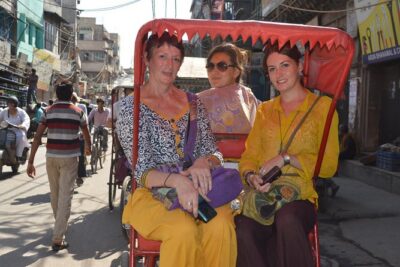
Old Delhi Food, Heritage&Cultural Walk with Rickshaw ride to Masterji Kee Haveli
Read our review →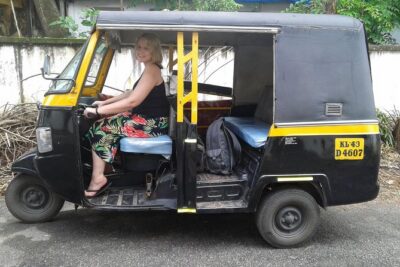
Adventure Tuk Tuk Tour in kochi – A Private Guided Tour with Hotel Pick up
Read our review →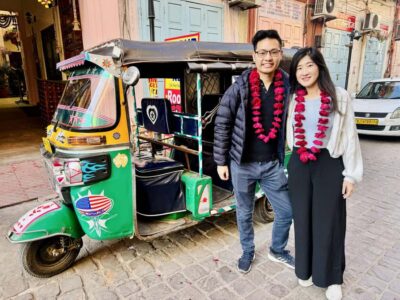

Delhi Food Walk: Rickshaw Ride, Street Eats & Market Tour
Read our review →
Private Full Day Jaipur Sightseeing Tour By Tuk Tuk
Read our review →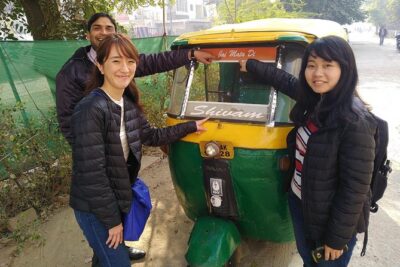
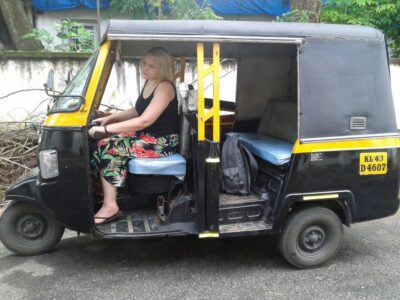

Half Day Tuk Tuk Tour in Kochi – Private Tour with Hotel Pick up
Read our review →Browse the lists this tour appears in