
Reviewed · HISTORICAL TOURS
Fort Cochin Heritage Tour by The Kochi Heritage Project
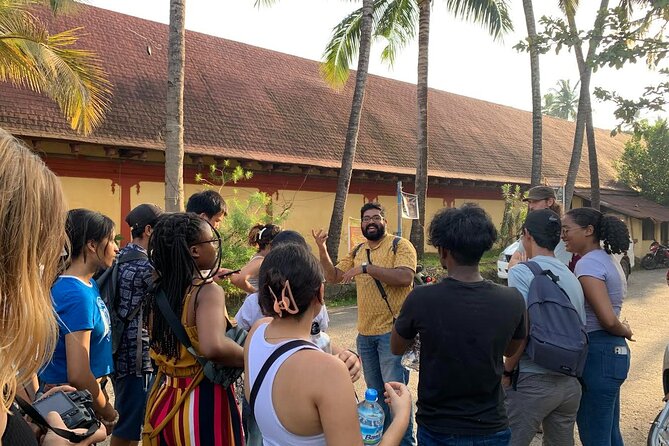
Fort Kochi has plenty of photo stops, but what makes this walk interesting is how it connects the city’s street corners to 3000 years of change. You follow the remnants of the old European fort town and learn how Kochi earned the titles Emporium of the World and later Queen of the Arabian Sea, then what that meant for real people and real buildings.
I especially love the way the tour turns history into something you can point to. You’ll hear the thread of Portuguese, Dutch, and British influence while standing in the places where those stories still show up. I also like the personal, research-led storytelling, with local storyteller Johann guiding a small group (max 8).
One possible drawback: this is an outdoor walking experience and it needs good weather. The tour does not provide umbrellas or rain gear, so plan accordingly if rain is common while you’re there.
Key highlights I’d mark on my map
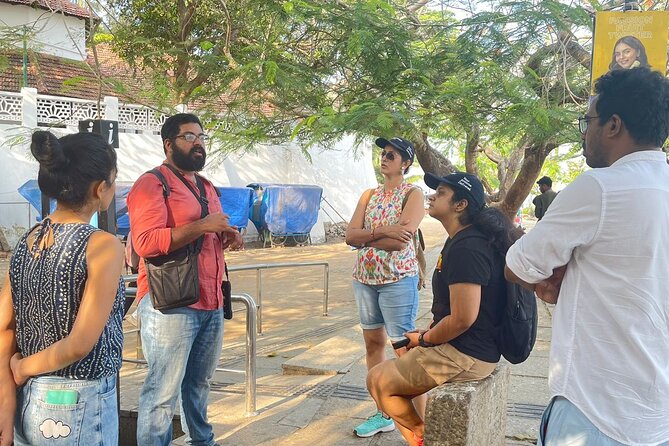
- Max 8 people, easy pacing so you can ask questions and actually hear the details.
- Street-level “why it matters” history linked to architecture, culture, food, and language.
- Chinese Fishing Nets and Vasco da Gama Square early stops that set up the European-Maritime story fast.
- Portuguese influence beyond buildings including cuisine, language, and tales tied to protective spirits and the Portuguese slave trade.
- Dutch architecture at David Hall Gallery & Cafe plus a connection to a 17th-century treatise still relevant in Ayurveda.
- Walk ending on Princess Street where colonial-era structures mix with modern cafes and art shops.
Why Fort Kochi’s Indo-European streets still feel like a storybook
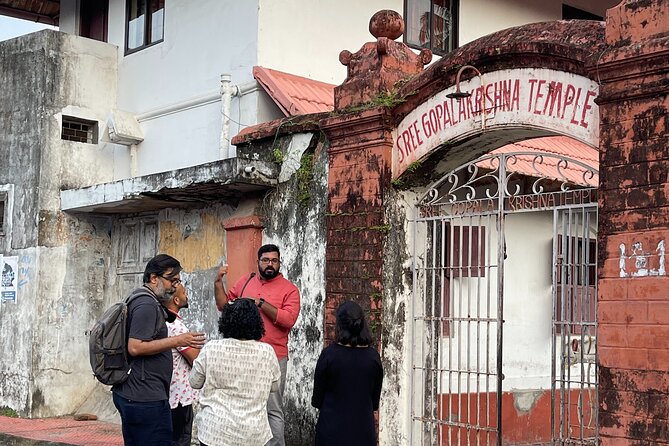
This tour is designed for people who want more than a quick “what you’re seeing” explanation. It’s built around the idea that Kochi changed under pressure from sea trade and European competition, and the city absorbed those layers in very visible ways.
You’ll start with iconography that anchors the whole theme. The Chinese Fishing Nets are not just a landmark, they’re a springboard for stories about Chinese sailors and their links to Malabar. Then you move to a square tied to Portuguese ambition, with the hunt for pepper and Christians in India. The tour doesn’t treat those as separate trivia. It shows you how maritime trade, religion, and power all moved together.
What makes this work for me is the “basics first” approach. You get the big picture of Kochi’s reputation as a world trading hub, then you zoom in on neighborhoods, structures, and street scenes that explain how that reputation played out locally. By the time you reach the end on Princess Street, the colonial-era feel makes practical sense, not just aesthetic sense.
More Historical Tours in Kochi
- Kochi Tour Guide -A Heritage walking tour in Fort kochi and Mattancherry !
★ 5.0 · 143 reviews - Stories of Jew Town: Guided Heritage Walk in Kochi
★ 4.7 · 30 reviews - Fort Kochi Heritage Day Cycling Tour
★ 4.2 · 26 reviews
The walk plan, timing, and how to enjoy 2 to 3 hours without rushing
This is a 2 to 3 hour walking tour with a maximum group size of 8. That matters more than you might think. Small groups make it easier for the guide to adjust pace and keep the conversation flowing, instead of speed-walking everyone between stops.
You’ll also get a mobile ticket, so you’re not fumbling with paper. The meeting point is clear too: start at the Folklore Cultural Theatre bus stand building in Fort Kochi. The tour ends at Princess Street, so you can continue your day without backtracking.
Expect multiple short stops, usually around 15 to 30 minutes each. That keeps energy up, but it also means you’ll see plenty of exterior views and learn through narration rather than long museum-style time. If you’re hoping for lots of indoor monument time, you may find the format more “street story” than “sit and read.”
Stop 1: Chinese Fishing Nets, a landmark with a long maritime backstory
You begin at the Chinese Fishing Nets, with a short stop of about 15 minutes. Since admission is free here, the value is in what you learn while you look. The nets are an icon of Cochin, and the guide uses them to explain Chinese sailor stories and their connection to Malabar.
Here’s the takeaway I’d want you to remember: this is not just about how the nets look. It’s about why foreign seafarers became part of local life and local economy. In a city shaped by the sea, even a visual tradition can carry a record of contact, trade, and adaptation.
One practical note: the stop is brief. If you want longer photo time, plan for that either before the tour starts or after the tour ends.
Stop 2: Vasco da Gama Square and the Portuguese mission mindset
Next you head to Vasco da Gama Square for around 20 minutes. Admission is listed as free, so again, the value is what you hear, not what you pay.
The theme here is Portuguese ambition. You learn how Portuguese explorers set out to find pepper and Christians in India. That short sentence packs a lot of history: spices drove wealth and competition, while religious goals shaped early encounters and long-term influence.
I like that the tour positions this moment as a starting point for what follows later. It helps you understand why Portuguese influence isn’t only about a few buildings. It stretches into language, food, and local culture, and later into darker chapters too.
A different shape of Kochi day:
- Adventure Tuk Tuk Tour in kochi – A Private Guided Tour with Hotel Pick up
★ 5.0 · 579 reviews - Cochin: Backwater Village Eco Boat Cruise with Lunch
★ 4.8 · 502 reviews - Full Day Backwater Village Punting Boat Cruise
★ 5.0 · 393 reviews - Kochi: Private Tuk-Tuk City Tour with Hotel Pickup
★ 4.8 · 292 reviews
The Fort and Santa Cruz chapter: Portuguese influence, slave trade, and protective spirits
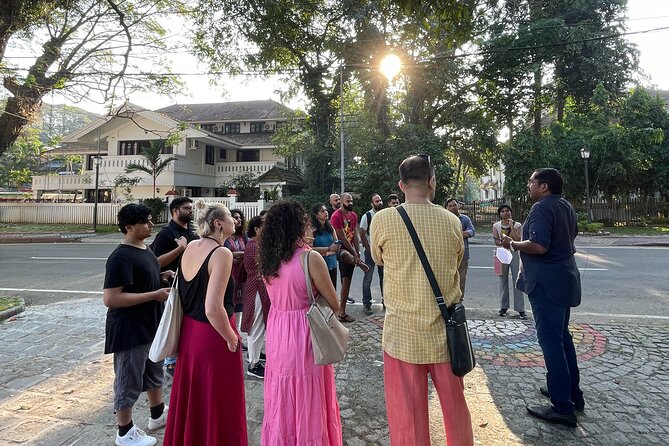
From there, the tour moves into the heart of the old European fort town story, focused on the beginnings of a European city in India, including Fort and the city of Santa Cruz. The pacing stays walking and storytelling based, rather than big indoor museum time.
What I find most compelling in this section is the range of Portuguese influence you’re taught to look for. The guide connects Portuguese influence in Kerala across culture to cuisine and language. That’s a practical way to read the city. Instead of treating Portuguese presence as a label, you start noticing the human side of it.
Then the tour includes difficult material: Portuguese slave trade and tales of protective spirits passed down for generations. Those parts are not “history as entertainment.” They’re part of the real social footprint left behind when power shifted hands.
Possible drawback for some people: because this segment includes heavier topics, it may feel more serious than the lighter, postcard-friendly parts of Fort Kochi. If you prefer only upbeat stories, you might want to mentally brace a bit and treat it as a meaningful part of understanding place.
Stop 3: David Hall Gallery & Cafe, Dutch architecture and Ayurveda roots
You spend about 30 minutes at David Hall Gallery & Cafe. Again, admission is listed as free at this stop, so you’re paying for the guide’s explanation and the time in the area, not for extra tickets.
This is where the tour shifts from Portuguese themes to Dutch influence. You learn what Dutch architecture influence looks like in Cochin, and you also get a fascinating connection to Ayurveda.
The key detail here is the story of how a 17th-century treatise is still relevant in Ayurveda. That could sound like a random academic aside, but it’s presented in the context of knowledge sharing. It’s a reminder that colonial-era contact wasn’t only about trade routes and control. It also carried ideas, texts, and medical thinking that kept circulating and mattered long after political dominance changed.
I also like the practical design of using a gallery and cafe setting for this stop. It gives you a breather point where you can reset, look around, and listen without feeling like you’re constantly standing in the sun.
Coffee and snacks: the Dutch-themed break that keeps the pace humane
The tour includes coffee and/or tea plus snacks. You stop for refreshments and you’ll have them at a Dutch themed hotel.
This is more than a perk. After a couple of hours of walking and listening, a break prevents the common “story fatigue” that happens on heritage tours. It also gives you a natural moment to process what you just heard, especially if the Portuguese section turned intense.
One thing to plan: the tour does not mention alcoholic beverages being included. If you want a drink later, you’ll need to handle that on your own.
Stop 4: Parade Ground and local culture through tea, cricket, and art festivals
The Parade Ground stop is about 15 minutes and keeps the tour’s attention on cultural life rather than only European power shifts. You hear stories of tea, cricket, and art festivals.
This part helps you see the “modern Kochi” angle without jumping straight into shopping mode. Tea and cricket are easy to associate with British influence, but the guide frames them as lived cultural change, not just imported pastimes. Art festivals connect history to what people do now.
Because the stop is short, you’ll get the highlights, not a deep lecture. Still, it’s a nice reset if you’re starting to feel like every stop is about European empires.
Stop 5: Fort Kochi Beach, British supremacy stories and the push for control
You end the main coastal storytelling at Fort Kochi Beach for about 30 minutes. Admission is free for this stop as well, so the value is in the narrative tied to place.
This section focuses on British involvement and their fight for supremacy in the Indian subcontinent. In other words, the tour doesn’t treat European arrival as a single wave. It shows a sequence of contests, with different powers taking turns and leaving layers behind.
If you like thinking in cause and effect, this is a satisfying stop. You can connect what you heard earlier about pepper ambitions and Portuguese reach to the broader competition that later shifted toward British dominance.
Practical note: beaches can get windy and bright. Since the tour does not provide hats or umbrellas, wear what you need for your comfort and bring your own sun or rain protection.
Wrap-up at Princess Street: colonial charm meets today’s art and cafes
As the tour winds down, you finish at Princess Street, where colonial charm blends with modern-day Fort Kochi. The street is lined with Portuguese- and Dutch-era buildings, plus colorful cafes, art boutiques, and independent stores.
This ending is genuinely useful. It gives you an easy next step, lunch, coffee, or a quick browse, without needing a separate transportation plan. It’s also where the tour’s earlier storytelling pays off visually. After learning what to look for, the street stops being generic colonial nostalgia and starts feeling like a living patchwork.
In terms of your own day planning, this is a good place to break off if you want to explore further. The tour ends there, so you’re not constrained by a return route.
Price and value: $27.96 for a guided story walk that feeds you
At $27.96 per person, this tour is positioned as an accessible, guided introduction to Fort Kochi’s European heritage layers. For the time on your feet, you also get meaningful inclusions.
Here’s what you’re actually paying for:
- A tour led by a local storyteller who uses researched narratives, not generic facts.
- Coffee and/or tea plus snacks at a Dutch themed hotel.
- A guided visit to Indo-European heritage structures and establishments, including how they are adapted today.
That combination is what makes the price feel fair. You get a short “education session” plus a tangible comfort break. And because each listed stop has free admission, you’re not hit with additional entry fees during the walk.
If you already plan to spend time around Fort Kochi anyway, this is a smart way to convert “walking around” into understanding. If you hate walking tours, or if you want ticketed museum time only, it may feel too light on physical attractions and too heavy on narration.
Who this tour suits best, and who might want a different style
I think this tour fits you well if you want:
- History that you can see, meaning architecture, streets, and cultural remnants, not just dates.
- A guided focus on Portuguese, Dutch, and British threads through Kochi’s old European fort town.
- Storytelling led by a local expert who makes connections clear and human.
The strongest reviews highlight that the guide, Johann, is passionate and authentic and that the stories feel curated to match the theme. That’s exactly what you should want on a heritage walk.
You might look elsewhere if:
- You want mostly indoor sites or museum-style visits.
- You prefer only upbeat stories with no darker historical chapters.
Should you book Fort Cochin Heritage Tour by The Kochi Heritage Project?
Yes, if you want a guided walk that turns Fort Kochi into an understandable map. The price is reasonable for what’s included, the group size keeps it conversational, and the storytelling approach helps you connect Portuguese, Dutch, and British influence to the real streets you’re standing on.
Book it especially if you like learning that you can point to. You’ll leave with a better read on landmarks like the Chinese Fishing Nets and the squares and streets tied to Santa Cruz and the fort town. And because the tour ends on Princess Street, you’re set up for an easy, low-stress continuation of your day.
If weather is questionable during your dates, have a plan to dress and protect yourself, since umbrellas and rain gear aren’t provided.
FAQ
How long is the Fort Cochin Heritage Tour?
The tour is listed as approximately 2 to 3 hours.
Where does the tour start and end?
It starts at the Folklore Cultural Theatre bus stand building, Fort Kochi, and ends at Princess Street, Fort Nagar, Fort Kochi.
What is included in the ticket price?
Coffee and/or tea, snacks, and a tour led by a local storyteller are included. The tour also includes visits to Indo-European heritage structures and establishments, including modern-day adaptations.
Is private transportation included?
No. Private transportation is not included.
Do I need an admission ticket for the stops?
For the listed stops, admission is shown as free, and the tour does not provide entry into heritage monuments except what is mentioned in the inclusions.
What should I bring since the tour is outdoors?
The tour notes that it does not provide umbrellas, raincoats, hats/caps, face-masks, or sanitizers, and it requires good weather.
How big is the group?
The tour has a maximum of 8 travelers.
Are alcoholic beverages included?
No, alcohol is not included.
What happens if it’s bad weather or you need to cancel?
You can cancel for a full refund if you cancel up to 24 hours in advance. The tour requires good weather, and if it’s canceled due to poor weather, you’ll be offered a different date or a full refund.
Latest reviews in from Kochi
- Cochin Shore Excursions from Cruise Terminal★ 4.5 · 42 reviews
- Enjoy the best Food tour in kochi with a local !★ 5.0 · 45 reviews
- LITTLE KOCHI TUK-TUK TOURS With Pickup from Cruise Ships★ 5.0 · 45 reviews
- Private Day Trip to Munnar from Kochi (Cochin)★ 5.0 · 46 reviews
- Solo Kerala Private Tour Package ( 5 Nights) – Munnar, Thekkady, Houseboat★ 5.0 · 46 reviews
- Neo Travel Mart Kerala Honeymoons Packages★ 5.0 · 49 reviews
- Kochi Tuk-Tuk Tour with Pickup From Cruise Ships★ 5.0 · 51 reviews
- Kochi Sightseeing Tuk-Tuk Tour With Pickup From Cruise Ships★ 5.0 · 51 reviews
Historical Tours, compared.

The Great Indian Food Tour: Old Delhi Food and Heritage Walk
Read our review →
Old Delhi Food, Heritage&Cultural Walk with Rickshaw ride to Masterji Kee Haveli
Read our review →
Fontainhas Heritage Walk At Latin Quarters of Goa
Read our review →
Blue City Heritage Private Walking Tour With Pickup and Drop-Off
Read our review →

Private Heritage Walking Tour in Jaisalmer Fort and Old Bazaar
Read our review →Browse the lists this tour appears in