
Reviewed · 5-DAY EXPERIENCES
Five days Golden Triangle India Tour From Delhi
India’s Golden Triangle works because it moves fast, but not randomly. In five days you hit the big icons in Delhi, Agra, and Jaipur, plus a few stops that feel calmer and more local than the postcard rush. I like the way the day-by-day plan is built around major sights, and I also like that the trip includes an English-speaking guide and an A/C vehicle for the long drives. One possible drawback is the extra cost and time you should plan for, since monument entrances are not included.
This is also a private setup, so you are not stuck with a random crowd. Pickup is offered, and the tour runs with a guide and car through the itinerary, including hotel check-ins on the way. If your schedule lines up wrong, watch for Swaminarayan Akshardham being closed on Mondays, because that stop is on Day 1.
Key highlights worth planning around
- Sunrise Taj Mahal visit on Day 3, before the worst crowds
- Two Taj experiences: a sunset viewpoint on Day 2 and the main Taj visit at sunrise
- Chand Baori (step well) in Abhaneri, a special detour that many shortcuts skip
- Jaipur’s big hitters packed into one full day, from Amber to Hawa Mahal
- Guide support that makes ticket logistics easier, including help managing entry lines
- Monday closure risk for Swaminarayan Akshardham on Day 1
Why this Delhi, Agra, Jaipur route is such a good fit
The Golden Triangle is famous for a reason. Delhi gives you the layers of empires, Agra is pure Mughal grandeur, and Jaipur brings you Rajasthan architecture and royal design. Doing all three in one trip is efficient, and it helps you see the theme of India’s history without needing weeks.
For you, the real value is how the schedule balances “must-see” icons with stops that add texture. Delhi is mostly monuments and viewpoints that make sense at different times of day. Agra is structured around the Taj Mahal light, which is a big deal there. Jaipur then turns into a walk through palaces, courtyards, and forts.
The trip also has a practical advantage for first timers. You are not coordinating rides between cities or figuring out how to stitch together Delhi sightseeing, Agra fort visits, and Jaipur viewpoints. You get the car, you get the guide, and you get dropped at your hotel and final drop-off in Delhi.
More Golden Triangle circuits:
- 3-Days Private Golden Triangle Tour: Delhi, Agra & Jaipur by Car
★ 5.0 · 1,107 reviews - 3-Days Private Golden Triangle Tour: Delhi, Agra & Jaipur by Car
★ 5.0 · 1,098 reviews - 3-Day Delhi, Agra and Jaipur Private Tour – India Golden Triangle
★ 5.0 · 812 reviews
Day 1 in Delhi: Qutub Minar, Old Delhi, and the quiet memorial stops
Day 1 is packed, but it’s packed in a smart order: a UNESCO tower first, then Old Delhi’s main mosque, then a mix of calmer sites before ending with government buildings and major temples.
Qutub Minar is a 73-metre tall minaret in the Qutub complex. It’s visually dramatic from a distance, and up close you can appreciate the tapered, stacked design. This stop is a good opener because it sets the tone for Delhi’s historic skyline.
Then you head to Jama Masjid, Old Delhi’s largest mosque. It holds up to 25,000 people, and the scale is the first thing you feel. The marble and red-sandstone look, plus the sheer size of the prayer space, makes this stop more than just a quick photo stop.
Next is Lotus Temple, a Bahá’í House of Worship that is free to enter and open to everyone. The flowerlike shape is recognizable from far away, and inside you get a calmer vibe than the surrounding city intensity. If you want a break from the big-ticket monuments, this is the palate cleanser.
After that, the tone shifts to remembrance with Raj Ghat on the Yamuna River. It’s a well-kept park with a simple black-marble platform marking where Mahatma Gandhi was cremated. It’s short, but it gives your trip a grounded moment.
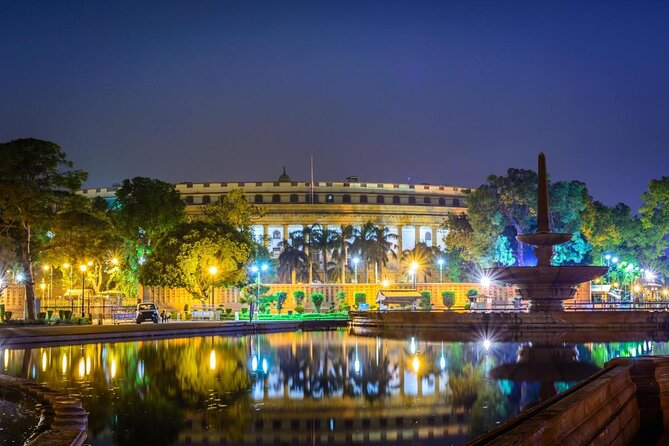
Then come civic sights: Rashtrapati Bhavan (President’s House) and Parliament House. The route is designed for the experience of seeing the architecture and the historical transition from British rule to independent India, even if you are not going deep inside. India Gate follows, a 42-metre stone memorial arch for soldiers from WWI and related conflicts. It’s a strong stop if you like memorial design and city history.
Finally, there’s Swaminarayan Akshardham, Delhi’s large temple complex. It was built in 2005 and is known for highly detailed sandstone carvings. One practical caution: it is closed on Mondays, so if your Day 1 falls on a Monday, ask your operator what replacement timing or route they use.
Quick reality check: Day 1 has many “30 to 60 minute” blocks. That is great for coverage, but it also means you should keep your pace steady and plan to move efficiently between stops.
Day 2: Agra drive, Itimad-ud-Daulah, and a Taj viewpoint timed for sunset
Day 2 includes a longer travel piece: you drive from Delhi to Agra (about 3 hours). The route takes you through countryside, and then you check into the pre-booked hotel when you arrive. That check-in matters because Agra sightseeing is hard work if you are still dealing with luggage.
Once in Agra, you visit the Tomb of Itimad-ud-Daulah, often called the Baby Taj. It’s a Mughal mausoleum, and it’s frequently described as a smaller, earlier model that hints at the design logic of the Taj Mahal. If you find yourself wanting to understand the Taj instead of just staring at it, this stop helps. You get to study the look, the layout, and the craftsmanship before the big finale.
Later you go to a Taj Mahal View Point for sunset. This is one of the clever parts of the plan because it gives you time to see the Taj across the river, away from the tight crowds you can run into at the main monument. Sunset also helps you enjoy the Taj’s white marble tones as the light shifts.
What to watch for: sunset timing can be sensitive to weather and traffic. This is exactly the kind of moment where having the guide and car ready pays off, because you are not trying to navigate distances on your own while also timing light.
Day 3: The sunrise Taj Mahal, Agra Fort, then Chand Baori to Jaipur
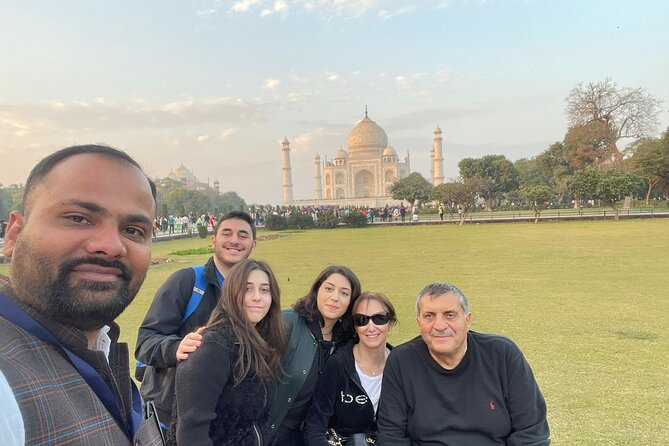
Day 3 is the day you came for, and the schedule treats it like that. The plan is built around a sunrise visit to the Taj Mahal. That early start matters because you get softer light, less congestion, and a calmer first encounter with the building.
The Taj Mahal is UNESCO-listed and is described here as the highlight of the tour. It was built by Shah Jahan as a memorial for Mumtaz Mahal, and the guide focus on construction history and design details is one of the most praised parts of this experience in the stories I read. Even if you already know the background, sunrise helps you feel the building’s scale and symmetry in a different way than midday visits.
After the Taj, you return to the hotel for breakfast, then you check out. That is a practical touch, because you are not forcing breakfast on the go right after an early start.
Next is Agra Fort, another UNESCO World Heritage site and a former main residence of Mughal emperors. The fort is useful for your understanding of the era because it’s not just one monument. It’s palaces, balconies, and gardens within a fortified complex. If the Taj feels too perfect for you, Agra Fort is the more human, power-focused side of the same story.
Then comes a regional detour that many itineraries skip: Chand Baori (step well) in Abhaneri. This is one of Rajasthan’s most impressive step wells, described as one of the deepest and largest. You also get the nearby Harshat Mata Temple context. The carvings and geometry do something special. You stop thinking of it as a tourist stop and start thinking of it as engineering and community design.
Finally, you drive to Jaipur, check in, and rest. That sequencing is smart. Jaipur is a full day on Day 4, so Day 3 ends with your body intact.
Line these New Delhi options up side by side
- Old & New Delhi City Tour – Half or Full Day Options Available
★ 5.0 · 4,811 reviews - Half Day Private Delhi City Tour
★ 5.0 · 4,474 reviews - Same Day Taj Mahal, Agra Fort & Baby Taj Tour from Delhi by Car
★ 5.0 · 4,304 reviews - Taj Mahal Day Tour from Delhi by Superfast Train – TOP RATED TOUR
★ 5.0 · 4,166 reviews
Day 4 in Jaipur: Amber Palace, City Palace, Jantar Mantar, and Hawa Mahal
Day 4 is Jaipur at full speed. It’s not a slow, meandering day. It’s a “see the important things” day, with a few photo-friendly moments that help you capture the look of Rajasthan’s architecture.
First up is Amber Palace (Amer Fort), located about 11 kilometres from Jaipur. It’s set high on a hill, so even before you get into the details, you feel the fort’s dominance over the landscape. If you like fort design, courtyards, and palace power, this is the anchor stop.
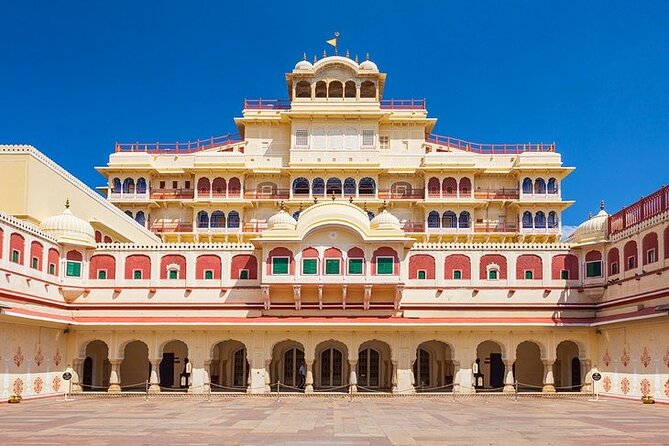
Then you move to the City Palace of Jaipur, the seat of the Maharaja of Jaipur and a complex that includes Chandra Mahal and Mubarak Mahal. This stop is where you see royal space organized into official buildings. It’s also a good contrast to Amber, because Amber leans fort-like, while City Palace reads as administration and ceremony.
You also get Jal Mahal, the palace in the middle of Man Sagar Lake, used here as a photo opportunity. It’s a short moment, but it’s one of those sights people remember because it looks like it belongs to a different world than the roads around it.
After lunch time, the plan continues with Jantar Mantar, a UNESCO World Heritage site built in 1734. The key idea is that it includes nineteen astronomical instruments designed for naked-eye observation. It’s a fun stop if you like how science looked before modern electronics. If you usually skip “instrument” exhibits, this one is still worth it because it reads as architecture.
Then there’s Hawa Mahal (Palace of Wind), a five-storey pyramidal facade built in 1799. Even if you don’t spend all day inside, the exterior design and the window-style structure make it feel like Jaipur’s signature. The schedule includes time for lunch at a local restaurant before heading back to your hotel, which helps keep the day realistic.
Consideration: with so many sites in one day, you will want comfortable walking shoes and a light layer. Even if the car saves you time, Jaipur day can still feel like a marathon.
Day 5: Jaipur to Delhi, with time for checkout and a smooth drop-off
Day 5 is your return day. You check out after breakfast, then it is a drive from Jaipur back to Delhi, about 5 hours, with a drop at the Delhi Airport or your location.
This day is straightforward, but it’s worth planning your energy for. If you have a late flight, you might want to pack snacks and keep your essentials accessible. The tour ends cleanly, and you are not stuck with more sightseeing when your legs are tired.
Price and value: what $210 per person really buys you
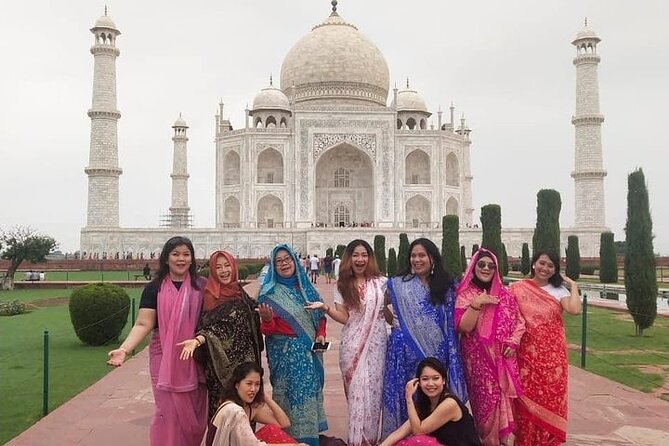
At $210 per person for 5 days, the biggest value piece is that you are paying for the machine behind the sightseeing. You get an English-speaking city tour guide, air-conditioned transportation, 4 nights accommodation, breakfast (4), and all tolls and taxes. For many independent trips, those costs add up fast, and you also lose the time you would spend researching routes and ticket steps.
The trade-off is the monument entries. The tour clearly states monuments entrances are not included. That means you should budget extra for site tickets like Qutub Minar, Jama Masjid, Tomb of Itimad-ud-Daulah, Taj Mahal, Agra Fort, Amber Palace, and the rest. Some stops are listed as free in the plan, like Lotus Temple, Raj Ghat, India Gate, and others. Still, because the big-ticket sites are not included, your total trip cost depends on how many paid entries you go for and how your guide handles entry timing.
So who wins with this price?
- You win if you want less coordination and more guided context.
- You win if A/C car comfort and hotel organization matter to you.
- You win if you care about timing for Taj Mahal sunrise, not just walking in whenever.
You might pause if you already prefer to DIY everything and you enjoy handling traffic, ticket queues, and city navigation on your own. In that case, a self-guided plan could be cheaper, but it will cost time and effort.
What the included guide and private format means for your day
This is a private tour/activity, only your group participates. That usually makes a big difference in how your day feels. You can keep a steady pace without waiting for the slowest person in a large group, and you are less likely to feel rushed into a photo spot before you are ready.
You also get a professional English-speaking city tour guide and an A/C vehicle throughout. That matters on two fronts. First, it makes transitions between Delhi, Agra, and Jaipur less stressful. Second, it turns those monuments into something more than a checklist, because your guide can explain what you are looking at while you are standing right there.
In the stories I reviewed, the strongest praise patterns were about guide organization at busy sites and helpful ticket management, plus comfort in customizing within the overall flow. Guide names like Praveen, Rajiv Gupta, and Umesh appear in the feedback, and the common thread is smooth communication and practical help.
Should you book this 5-day Golden Triangle tour?
Book it if you want a focused route, strong logistics, and the big sights done in a way that respects timing. The sunrise Taj Mahal and the built-in Agra and Jaipur coverage make this a solid first-timer plan. Also, if you like the idea of having a guide who can help you get entry steps under control, this is exactly the sort of tour that makes those days feel easier.
Skip it or compare options if you know you will be doing a lot of paid-entry sites anyway and you want to strictly minimize costs. Since monument entrances are not included, you need to budget for tickets on top of the tour price. And if your Day 1 lands on a Monday, confirm what happens with Swaminarayan Akshardham, since it is closed that day.
If you want a straightforward Golden Triangle with guided context and minimal chaos, this one makes a lot of sense.
FAQ
What cities are included in the 5-day Golden Triangle tour from Delhi?
The tour covers Delhi, Agra, and Jaipur. You also spend multiple days sightseeing in those cities, with transportation between them included.
How long is the tour?
It is listed as 5 days (approx.), with 4 nights of accommodation included.
What is included in the price?
The tour includes a professional English-speaking city tour guide, an air-conditioned vehicle throughout the tour, 4 nights accommodation, breakfast for 4 days, and all tolls and taxes. It also includes a mobile ticket, and pickup is offered.
Are monument entrance fees included?
No. Monument entrances are not included, even though some stops are listed as free in the itinerary.
Is the Taj Mahal visit time scheduled?
Yes. You visit the Taj Mahal at sunrise on Day 3.
Is this tour private?
Yes, it is listed as a private tour/activity, meaning only your group will participate.
Latest reviews in from New Delhi
- Private Day Trip to Taj Mahal by Car from Delhi★ 5.0 · 16 reviews
- New Delhi to Agra Airport/Hotel – One-Way Cab Private Transfers★ 4.5 · 16 reviews
- “Overnight Taj Mahal Tour from Delhi by Private AC Car”★ 5.0 · 16 reviews
- 10 Day Private Luxury Golden Triangle with Khajuraho and Varanasi★ 5.0 · 16 reviews
- Private One Day Tour of Taj Mahal, Agra Fort & Fatehpur Sikri from New Delhi★ 5.0 · 16 reviews
- All Inclusive : 5 Days Golden Triangle Tour : Delhi, Agra, Jaipur★ 5.0 · 16 reviews
- Delhi & Taj Mahal Private Day Tour with Lunch and Tickets★ 5.0 · 16 reviews
- From Delhi: Taj Mahal Sunrise Tour with Elephant Conservation★ 5.0 · 16 reviews
5-Day Experiences, compared.

5 Days Luxury Kerala Tour with Houseboat Experience
Read our review →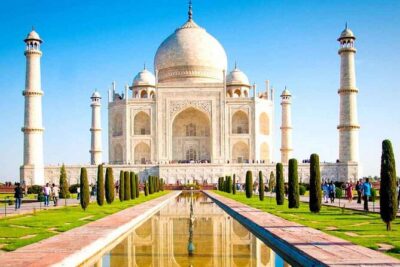
5 Day Private Luxury Golden Triangle trip Agra &Jaipur from Delhi
Read our review →
Private 5-Day Ranthambhore Tiger Tour from Delhi including the Taj Mahal, Agra and Jaipur
Read our review →Private 5-Day Kashmir Package Tour from Srinagar
Read our review →
5-Day Private Luxury Golden Triangle Tour to Agra and Jaipur From New Delhi
Read our review →
Private 5-Day Charming Kashmir Package Tour from Srinagar
Read our review →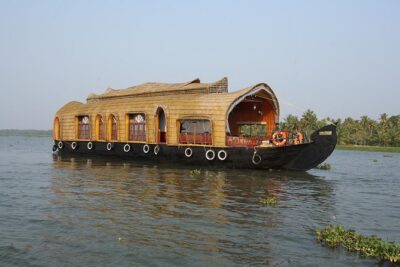
5 Days Private Kerala Tour with Houseboat by Sanguine Holidays
Read our review →Browse the lists this tour appears in