
Reviewed · ELEPHANTA CAVES TRIPS
Elephanta Caves & Island Guided Tour
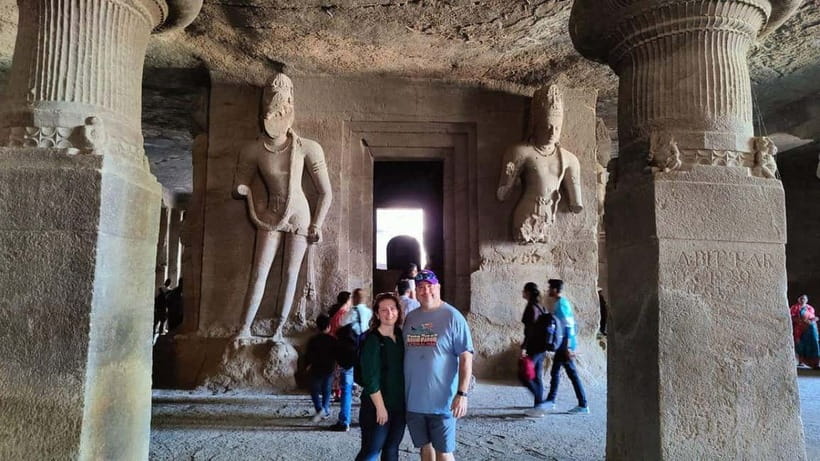
Elephanta Caves are interesting because you trade Mumbai noise for a short ferry crossing and a UNESCO site carved into rock for centuries of worship. You’ll step into Elephanta Island, also called Gharapuri, and walk into stone halls where the faces of Shiva still dominate the room.
I love the guided interpretation here. On island, guides like Rajat and Sam explain what you’re looking at in plain language, and they also point out the best angles for photos inside the caves. I also like how the tour keeps the focus on the site itself, not endless sightseeing stops.
One drawback to plan for is physical effort. The caves involve walking and uneven stone stairs, and the ferry schedule means you should be ready for a longer day than you might expect.
Key highlights I think you’ll care about
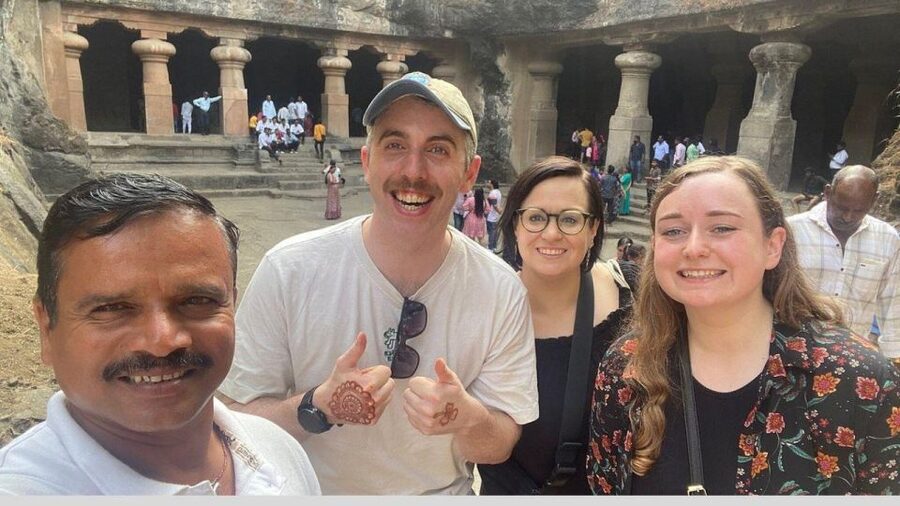
- Guides who help you read the carvings and explain how Cave 1 is laid out in a way that makes sense once you know what to look for
- Ferry time is built in, about an hour each way, plus a short Gateway of India photo stop
- Cave 1 is the main event, with a vast central chamber roughly 27 meters square and a long, dramatic view back into the rock
- More than just caves, since the island also has older archaeological traces and Portuguese-era elements like stupas on the hill
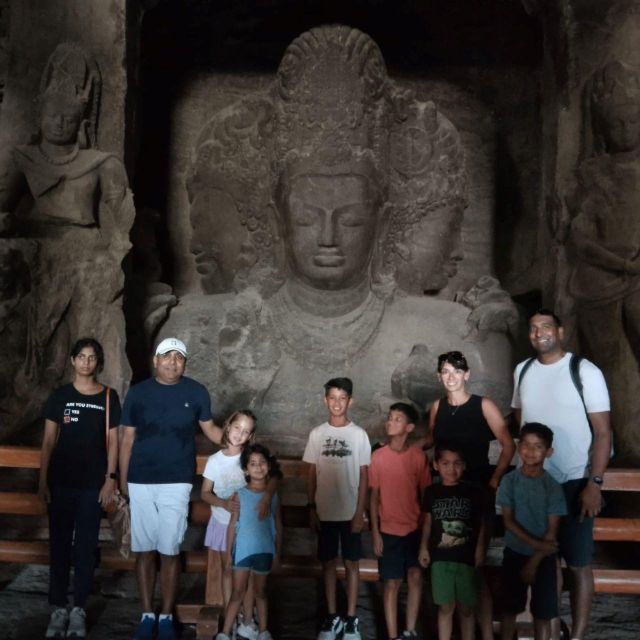
- Photo coaching is part of the service, with guides helping you position for the symbolic Shiva-head views
- You get a smooth day package, including entrance, ferry tickets, hotel pickup or meet-up support, and mineral water
Why Elephanta Caves Still Feel Special From the Start
Elephanta is one of those places where the approach matters. The island sits in Mumbai Harbor, about 10 kilometers east of the city, and the only way in is by boat. That alone slows you down.
Once you reach the caves, you’re not looking at a modern museum display. You’re inside stone architecture that was carved in a period roughly from the mid-5th to 6th centuries AD, with evidence of occupation on the island going back much earlier, to at least the 2nd century BC. If you like sites where history feels physical, this one lands.
The UNESCO label also matters because it comes with ongoing conservation efforts. The caves and related structures have been maintained since their listing, and the long-term plan includes careful work on salt movement and weathering of the stone surfaces, plus protection from nearby modern development.
More Elephanta Caves trips:
- Elephanta Caves & Island Guided Private Tour
★ 5.0 · 1,327 reviews - Mumbai: Elephanta Caves Half-Day Guided Tour with Expert
★ 4.8 · 1,032 reviews - Private Elephanta Caves & Mumbai Sightseeing Tour with AC Car
★ 5.0 · 389 reviews
The real value of a guided trip, not just a boat ride
You could technically do this on your own. But for many people, the “value” is what you don’t have to figure out on the fly: timing, where to queue, how long to spend, and what to notice once you’re inside the caves.
A big reason this works is the guide focus. Guides such as Rajat and Manoj are repeatedly praised for turning carvings and proportions into something you can actually understand, not just stare at. If you care about symmetry, design, and meaning, having someone point it out in context saves you time and makes the visit feel complete.
There’s also practical support during the day. Some guides have helped guests with logistics like where to stand for better ferry views, and even where to find the right cave photo spots. That’s the kind of detail that makes the difference between a good day and a smooth one.
Getting from Mumbai to the island, step by step
Most itineraries start with pickup or meet-up support, and the meeting point can vary by option. One fixed detail you should not ignore: the designated meeting point is Regal Cinema, and you’re asked to arrive at least 10 minutes early.
From there, you pass the Gateway of India area quickly, then head toward the ferry. Expect the “Mumbai factor” here. Traffic can be unpredictable, but the tour format keeps you on a schedule that gets you onto the boat with enough buffer.
After the island time, you return by ferry and go back to Mumbai with another short Gateway of India photo stop. You’ll also have drop-offs in several areas, including Dadar, Mumbai, Regal Cinema, and toward Ballard Pier, Alexandra Dock, or Green Gate, depending on your option.
The ferry crossing: what it does for your day
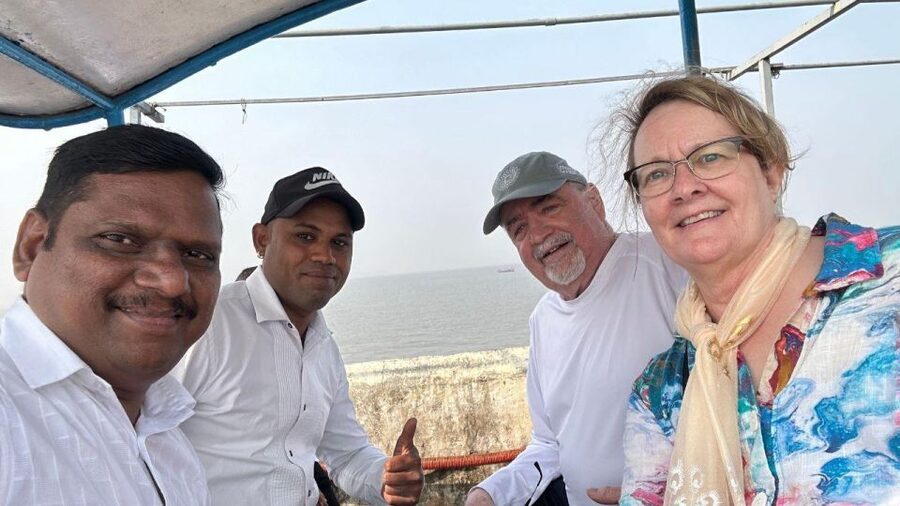
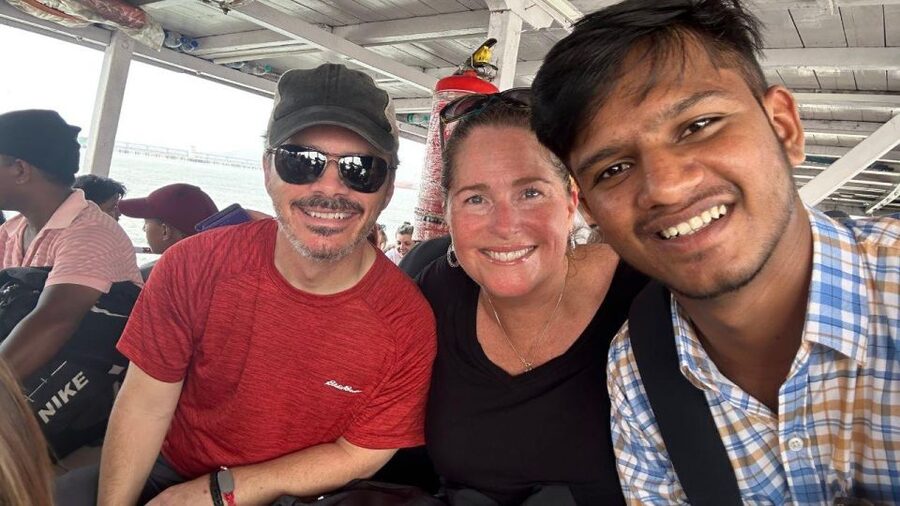
The ferry part takes about an hour each way. It’s not just transport, though. The water ride is often when your brain switches modes from city to island.
I like that it’s long enough to slow down, but not so long you get restless. You may also spot seabirds around the boat, and the mood tends to stay relaxed compared with hectic city tours.
Still, keep it real: the crossing can feel long if you’re expecting a quick hop. If you tend to get uncomfortable on boats, wear comfortable clothes and be ready for some waiting to board. The good news is that this part is predictable, because the tour has set ferry times.
Line these Mumbai options up side by side
- Dharavi slum tour in Mumbai by Female tour guides of the slum
★ 5.0 · 1,976 reviews - Mumbai: Full-Day Sightseeing Tour of Mumbai
★ 4.9 · 1,822 reviews - Private Mumbai Sightseeing Tour (Traveller’s Choice Award Winner)
★ 5.0 · 1,565 reviews - Group Guided Walking Tour in Fort and Colaba
★ 5.0 · 1,073 reviews
Elephanta Island walk time: where you’ll spend your energy
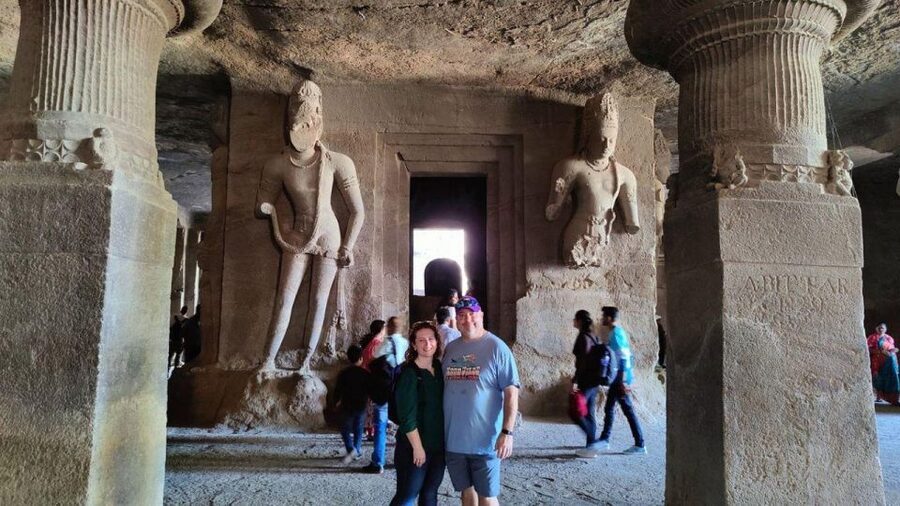
Once you arrive, the island portion includes a guided walk and tour time of about 1.5 hours, plus the time you need for stairs and moving between viewpoints.
You’ll go up uneven stone steps. Some sections can feel slippery, especially if the stones are worn smooth. So, bring grippy shoes, not slick soles, and assume you’ll be paying attention to your footing.
The good side of this is that the cave approach helps you build anticipation. As you climb, you start to get oriented. Then, once you’re inside, the guide can connect what you just walked past with what you see in the chambers.
Cave 1, Shiva carvings, and what to look for
Cave 1 is the headline. It’s estimated about 39 meters from the front entrance to the back, so it feels more like a hall than a small shrine room. The main chamber, excluding side porches and the back passageway, is roughly 27 meters square, and it’s supported by a structured arrangement of pillars in sections.
Here’s how the guidance helps you enjoy it more. If you walk in cold, you might notice the faces and big sculptural forms, then stop there. With a guide like Rajat or Manoj, you get a map in your head: how the space is composed, how the views line up, and why certain parts of the sculpture placement feel intentional rather than random.
The cave layout is also interesting because it has resemblances in planning to other famous rock-cut cave sites. In particular, Cave 1’s west-slope impression has been compared to the Dumar Lena cave at Ellora. That kind of comparison gives your brain something to hold onto.
One more detail I appreciate: the cave isn’t just one room. You move between areas, and the guide helps you notice how open porches and passages change the lighting and sightlines. That’s where the photos get better, too.
Beyond the caves: older traces and Portuguese-era elements
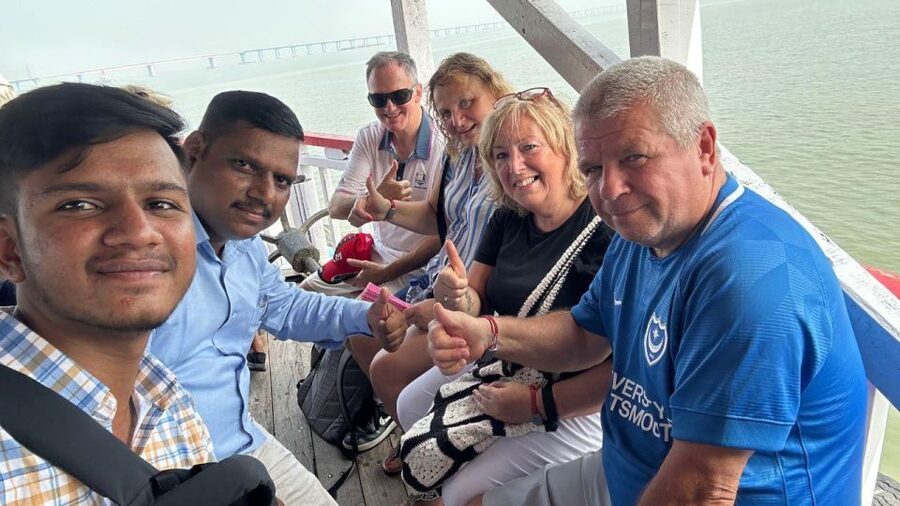
Elephanta Island is more than one set of carvings. The island has archaeological remains going back to at least the 2nd century BC, plus later layers you can see in features like stupas.
There are Portuguese-era elements on the island, including stupas covered toward the eastern side of the hillock and a group situated at the top. Even if you only get a limited look during the guided portion, the guide usually explains how these features fit the island’s long timeline.
You may also notice signs that the site has been worked on over time. There are references to pathways development, protection of fallen or broken support points, preservation of fallen or imploded veneers, and steps leading up from the island pier. Some of these efforts help you understand why the site can show both ancient stone and modern-looking repair edges.
UNESCO conservation work, explained in visitor terms
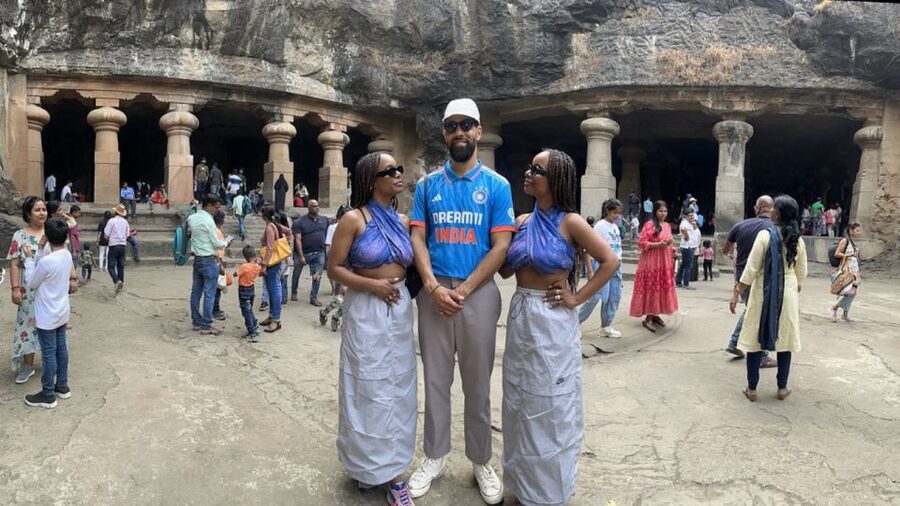
UNESCO World Heritage status can feel abstract when you’re just trying to take pictures. Here, it’s worth thinking about it differently. Conservation is ongoing, and the goal is to slow deterioration while protecting original carving details.
The plan references challenges like saline movement and decay of stone surfaces, plus the need to shield the property from neighboring modern development. It also mentions conservation work meant to address repairs done in the 1960s, because parts of support points from that era were later found to create breaks.
What does that mean for you? It means you should treat the site like something still being cared for, not a “permanent, untouchable” object. Follow the guide’s directions, stay where you’re allowed to stand, and don’t try to test railings or boundaries for your own angle.
Photo help that actually matters
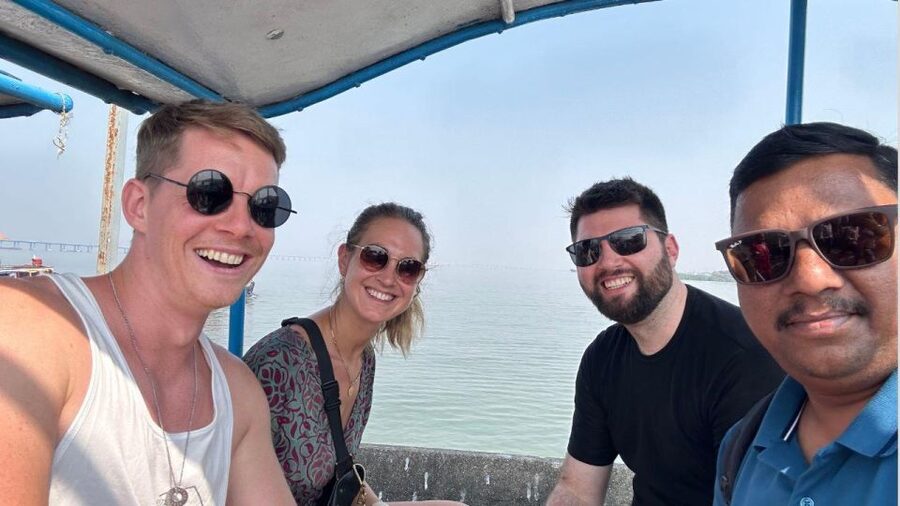
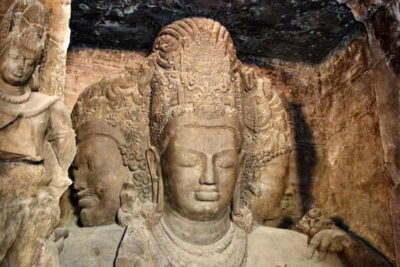
If you care about photos, this tour is built with that reality in mind. Several guides are known for photography coaching inside the cave, including pointing out spots for symbolic views of Shiva’s three heads.
The trick is simple. Cave interiors can make people stand in the wrong spot because they assume the best angle is the front view you naturally gravitate toward. A guide can show you where to stand so the composition looks balanced, and where to position your camera so you don’t lose faces to the wrong line of sight.
Also, plan for time inside. You get about 1.5 hours for the island guided portion, so you don’t want to spend 45 minutes searching for a single photo spot. Let the guide get you to the best viewpoints first, then you can take your time once you’ve got the shots that actually capture the space.
How long is the full day, and how to pace it
The overall duration is listed as 4 to 9 hours, depending on the pickup option. On the ground, you’ll feel the structure: a short ride to the ferry area, about an hour on the boat, about 1.5 hours on the island, then about an hour back, with a short photo stop near Gateway of India on the way through.
That structure is why the day works. It prevents the classic problem where you show up and then lose your whole schedule waiting around. Still, it’s not a quick stop. Treat it like a proper half-day to full-day commitment.
Pacing tip: don’t over-plan your eating. Meals and drinks are not included, and you’ll want water during stairs and cave time. Since a mineral water bottle is included, start by using it for the island portion, then decide what you want to buy later in the city.
Price and value: what $39 covers, and what it does not
At about $39 per person, this feels like decent value for a guided UNESCO site day trip from Mumbai. You’re not paying just for a ticket. The package includes an English-language guide, hotel pickup and drop-off (depending on option), entrance fee to the Elephanta Caves, ferry tickets, and a mineral water bottle.
Where you have to manage your own expectations is food and drink. Meals and drinks are not included. So, plan to eat before or after, or bring your own snacks if you prefer, as long as you follow the tour’s rules on what’s allowed.
Also, you’re skipping the ticket line. That sounds small, but in places where lines can slow everything down, it saves energy for the parts you actually want, like the cave interior.
Who should book this tour
This tour fits best if you want clarity, not guesswork. If it’s your first time in Mumbai and you only have so many day trips, guided Elephanta is a smart use of time.
It’s also a good match if you care about spiritual art and want the religious meaning explained in accessible terms. The caves are dedicated mainly to the Hindu god Shiva, and when you understand the space and symbolism, the visit feels more grounded.
If you’re traveling solo, you may prefer private or small-group options, since the tour setup supports a more personal guide experience. Many people appreciate having help with stair pace and photo positioning when they’re not sharing the experience with a huge crowd.
If you’re very sensitive to walking and stairs, you should think twice before booking. The physical demands are not extreme, but they are real. You’ll be on uneven stone steps for part of the day.
Should you book the Elephanta Caves & Island guided tour with Linda Tour Mumbai?
If you want a smooth day trip with an English guide who can explain what you’re seeing, I think this is a solid choice. The combination of ferry logistics, entrance included, and guided time inside the caves makes it easier to get value out of your hours in Mumbai.
I’d book it if you want help with both interpretation and photos, especially at Cave 1 where angles matter. And I’d skip it, or at least reconsider, if you know stairs and uneven walking will slow you down or if you dislike boat days.
FAQ
Where do I meet for the Elephanta Caves tour?
The meeting point may vary by option, but the designated meeting point is Regal Cinema. Arrive at least 10 minutes before the scheduled time.
How long is the Elephanta Caves & Island guided tour?
The duration is listed as 4 to 9 hours, depending on the selected starting times and pickup option.
What is included in the tour price?
The tour includes an English language guide, hotel pickup and drop-off, entrance fee to the Elephanta Caves, ferry tickets, and a mineral water bottle. Ticket line skipping is also included.
Are meals or drinks included?
No. Meals and drinks are not included.
What should I bring, and what rules do I need to follow?
Bring comfortable shoes for the walking and stairs. Alcohol and drugs are not allowed, and nudity is also not allowed.
Is the guide available in English, and can I cancel for a refund?
Yes, the guide is provided in English. The tour also offers free cancellation up to 24 hours in advance for a full refund.
Latest reviews in from Mumbai
- Mumbai Spice Markets and Bazaars Tour with Guide and Transport★ 5.0 · 42 reviews
- Mumbai Dharavi Slum, Dhobi Ghat & Dabbawala Lunchbox Tour★ 5.0 · 43 reviews
- Private Dharavi Slum Tour with Mumbai Sightseeing★ 5.0 · 43 reviews
- Private Guided Tour in Kanheri Cave with Transfers★ 5.0 · 44 reviews
- Private Guided Walking Tour in Dharavi Slums★ 5.0 · 44 reviews
- Bollywood Tour with Original founder★ 4.5 · 44 reviews
- Mumbai Private Cultural Tour with Lunch and Transport★ 5.0 · 44 reviews
- Unveiling Bollywood: Grand Tour of Iconic Real Sets & Their Story★ 4.5 · 44 reviews
Elephanta Caves Trips, compared.

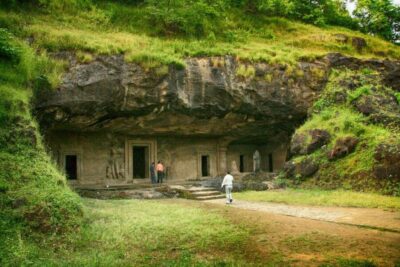
Elephanta Caves Half-Day Guided Tour with Expert
Read our review →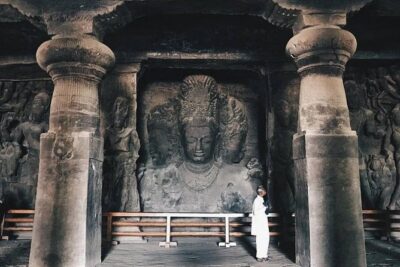
Private Elephanta Caves & Mumbai Sightseeing Tour with AC Car
Read our review →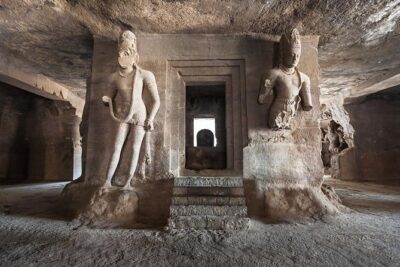
City Tour, Elephanta Caves, Dharavi Slum W/Options
Read our review →Elephanta Caves Exploration: Guided Tour with Ferry Experience
Read our review →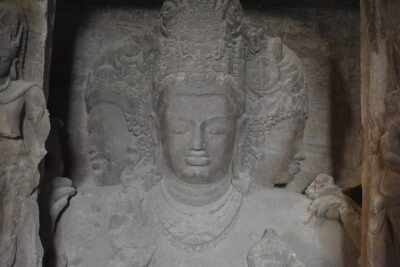
Elephanta Caves & Island Tour with Multiple Options
Read our review →Browse the lists this tour appears in