
Reviewed · CITY TOURS
Agra, The City through Poetry
Agra is often sold through big monuments, but this experience is interesting because it treats the city like a living book. You walk through Agra’s old lanes and learn how poets turned everyday street life into literature. I like that it focuses on Urdu poetry and Mughal-era culture, not just sightseeing checklists.
Two other things I really like: you get a private guide who can slow down or speed up to your pace, and you end with a printed handout of poetry verses plus photos you can actually take home. One possible drawback is that it’s a walking tour in the old city, so you’ll want moderate fitness and comfortable shoes.
If you’re curious how people in Agra talk about art, language, and place, this is the kind of tour that helps it all click. It’s timed for the afternoon/early evening start, so you’ll likely find the streets feel active without being rushed. Just know you’ll spend most of the time on foot, so plan accordingly.
Key things to know before you go
- Start from Jama Masjid and move through old-city spots tied to literature, language, and community life
- Poetry is the organizing theme, with poets like Mir Taqi Mir, Ghalib, Nazir Akbarabadi, and newer talents woven into the walk
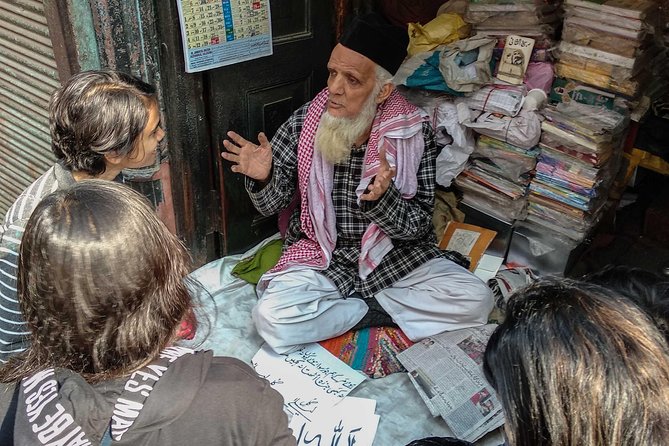
- A calligraphy workshop stop gives you the practical side of Urdu’s script and how language developed under Mughal rule
- A 16th-century shopping street connects verses to the city’s role on the silk route
- Photos are encouraged, and your guide helps with photo timing and angles as you go
- You get a take-home handout with poetry verses and photographs for review after the walk
Agra beyond the Taj Mahal, through poetry and street-level culture
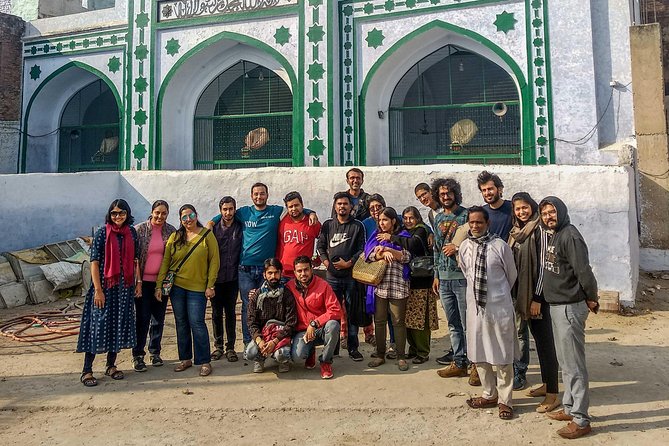
When people visit Agra, they usually orbit the same famous sights. This walk pulls you away from that route, into the old city where names of poets feel less like school facts and more like part of daily Agra.
The core idea is simple: poetry is how the city remembers itself. Urdu literature, Mughal patronage, and the marketplace life that surrounded scholars and artisans all shaped what got written, copied, and recited. As you walk, you’re not just hearing dates. You’re learning what poets noticed, how they shaped themes, and why language mattered.
I also like that you don’t have to decode everything alone. A private guide keeps the story moving and ties details together so it stays understandable, even if Urdu poetry is new to you. And if you ask questions, you can. That’s one of the biggest advantages of a private format.
More City Tours in Agra
- Taj Mahal, Agra Fort, Baby Taj & Mehtab Bagh Private City Tour
★ 5.0 · 391 reviews - Agra : Private Sunrise Taj Mahal & Agra City Tour
★ 5.0 · 367 reviews - Taj Mahal, Fort, Baby Taj & Mehtab Bagh Private City Tour
★ 4.8 · 159 reviews
Price and value: why $44.28 can make sense for 2 to 3 hours
At about $44.28 per person for a 2 to 3 hour private walking experience, the price is less about transport and more about guidance and focus. You’re paying for someone to connect sites, poetry, and context in a way that you probably would not do on your own, especially in a neighborhood full of lived-in lanes.
Here’s how I think about value for a tour like this:
- You’re getting a guided route that includes multiple cultural stops instead of only one monument area.
- You’re getting interpretation, like how Urdu poetry emerged in the late Mughal period and what that meant for daily life.
- You’re getting a calligraphy workshop visit, which is more interactive than a standard street walk.
- You’re leaving with a handout of verses and photos, so the experience doesn’t vanish when you close your camera roll.
If you want a quick Instagram stroll, this won’t be that. If you want a meaningful walk that gives you something to take home mentally and in print, the math starts to work.
Meeting at Jama Masjid: setting the tone for an old-city stroll
The walk starts at Jama Masjid Agra. The meeting point is in the older part of town, around Subash Bazar, Kinari Bazar, and Hing ki Mandi, with Mantola nearby. It’s also listed as near public transportation, which matters because you’ll be walking after you arrive.
Starting from Jama Masjid is smart for two reasons. First, it places you in a major landmark zone, where you can orient fast. Second, it signals that this tour isn’t only about poetry books. It’s about how culture shows up in real spaces where people pray, trade, meet, and gather.
The tour then moves on foot at your preferred pace. Since it’s private, you can take extra time for photos without feeling like you’re holding up a big group.
Stop-by-stop: what each part of the walk is really for
Line these Agra options up side by side
- From Delhi: Taj Mahal Sunrise, Baby Taj & Agra Fort Day Tour
★ 4.9 · 2,020 reviews - Agra: Skip-the-Line Taj Mahal & Agra Fort Private Tour
★ 4.9 · 1,546 reviews - Agra: Taj Mahal Express Entry Tickets
★ 4.8 · 684 reviews - Agra: Taj Mahal and Mausoleum Guided Tour with Skip-the-Line
★ 4.8 · 631 reviews
Mirza Ghalib’s birthplace, and the late Mughal poetry shift
Right after you begin, you head to Mirza Ghalib’s birthplace. This is where the tour gives you a literary anchor. You get a brief look at Ghalib’s writing genre and how Urdu poetry emerged in the late Mughal period.
What I like about this kind of stop is that it turns a famous name into a sense of place. You’re not just learning that Ghalib wrote in Urdu. You learn how and why the writing fit into a changing historical moment.
Even if you know only a few lines, the guide’s explanation can help you understand what kinds of ideas poets were developing during Mughal rule and the cultural environment that shaped those voices.
A calligraphy workshop: seeing Urdu as a visual art
Next comes the calligraphy workshop stop. Urdu is known for its distinctive calligraphic script, and here you get a more practical lens on language.
Instead of treating letters like a technical detail, the guide uses the workshop to explain how language and literature developed during Mughal rule. You also get a sense for why calligraphy matters in Urdu culture: it’s not only writing, it’s style, identity, and sometimes even status.
For you, this is one of the most valuable parts because it adds a second way to engage with poetry. You can hear verses, but you can also see how the script itself expresses mood and rhythm.
If you’re the kind of traveler who likes to look closely at materials and techniques, don’t skip this. It’s the stop most likely to make the whole tour feel tangible.
The 16th-century shopping street and Nazir Akbarabadi’s city detail
Then you walk down a 16th-century shopping street that once formed an important part of the silk route. This is where the tour connects commerce to literature.
You read verses connected to Nazir Akbarabadi, who documented the city’s socio-economical life. That focus can be surprising at first, because people often think poetry is only about love or longing. Here, poetry is also a record of work, streets, and everyday people.
For practical travel reasons, this section also helps you understand the physical geography of old Agra. You’ll be moving through spaces that feel like a living market, not a museum display. Even when you don’t speak the language, you can often feel how trade and craft shaped local culture.
Khankhana Katra and Abdur Rahim Khankhana’s presence in the route
The walk includes a stop at Khankhana Katra, where you connect to Abdur Rahim Khankhana. The format is similar to earlier stops: a place tied to a poet, paired with a short reading tied to his writing.
This part matters because it expands the scope beyond the single superstar names. Ghalib is big, and Akbarabadi is well loved, but Khankhana helps you see that poetry and patronage had many voices and roles during the Mughal period.
If you’re taking photos, this is a good zone to slow down. Katra-style lanes often reward careful framing, because architecture and street activity give your images context.
The poetry handout: how to keep the tour alive after you leave
You take home a handout with poetry verses and photographs. For me, that’s a quiet but important value add.
A lot of tours give you stories you enjoy in the moment, then forget when the trip gets busy. A printed handout lets you review lines later, show them to friends, and compare what the guide explained to what you remember.
It also makes the tour friendlier if you don’t read Urdu fluently. Even if you only understand fragments, seeing how verses are paired with images and place names can help you connect emotion with location.
Photography and pace: how a private walk changes your experience
Since it’s private, the walk is flexible. Your guide can help you take photos and adjust timing based on what you want to stop for.
That matters in old cities. If you’re moving with a group that feels rushed, you’ll end up with a few decent shots and a vague feeling of coverage. With a private guide, you can pause when a doorway or lane feels interesting, or when you want to frame a shot without people rushing through the frame.
Also, because the tour includes multiple religions and different cultural spaces, your guide’s explanations help you photograph respectfully. You’ll get context for what you’re seeing, rather than just shooting first and asking questions later.
Weather, walking, and timing: practical planning that prevents stress
The tour starts at 5:00 pm and runs roughly 2 to 3 hours. I like that timing because it’s often easier on the body than peak midday heat, and old-city streets can feel more comfortable in late afternoon.
Two practical notes from the tour setup:
- It requires good weather. If conditions are poor, you’ll be offered another date or a full refund.
- You should have moderate physical fitness because it’s a walking experience through older streets.
Bring comfortable shoes. Bring water if you’re the type who drinks often. And plan on a bit of uneven walking, because “old city” routes are rarely flat and uniform.
Who this Agra poetry walk is best for
This is the right fit if you:
- Want Agra culture beyond monuments
- Like Urdu poetry or want an accessible way to start learning
- Appreciate walking through neighborhoods rather than staying in a single tourist bubble
- Enjoy photos and want guidance on timing and framing
- Prefer a private format where you can ask questions freely
It might not be ideal if you hate walking, want a purely visual tour with no reading, or only want a quick highlights circuit.
The best way to get the most out of it
Here are a few simple moves that help:
- Come with one or two poet names you actually know, even if it’s just Ghalib. That gives you an easy reference point while the guide expands the story.
- Ask about what poetry meant in the late Mughal period and how everyday life got reflected in verses. That’s the tour’s core bridge.
- Treat the calligraphy workshop as more than a stop. It’s one of the places where you’ll understand why Urdu works the way it does visually, not just verbally.
- Plan to use the handout afterward. If you take 10 minutes after the walk to read through it, the tour sticks much longer.
Should you book Agra, The City through Poetry?
Yes, if you want Agra to feel human and specific. This walk is built around names of poets and language, but it’s grounded in real places like Jama Masjid and old market lanes. You’ll come away with a better sense of why Agra became a center for Urdu expression and how markets, patronage, and everyday life fed the literature.
I’d especially recommend it for first-timers who are already seeing the big monuments and want a second, more local perspective. It’s also a strong option for travelers who like depth without academic homework, because the guide’s job is to connect the dots as you walk.
Skip it only if walking for 2 to 3 hours through older streets feels like a strain, or if you want a tour that focuses purely on landmarks with minimal cultural context.
FAQ
How long is the Agra poetry walk?
The experience lasts about 2 to 3 hours.
What time does it start?
The tour starts at 5:00 pm.
Where does the tour begin?
The meeting point is Jama Masjid Agra, in the Subash Bazar, Kinari Bazar, Hing ki Mandi, Mantola area of Agra.
Is this tour private?
Yes. It’s a private tour, so only your group participates.
What sites and themes do you cover?
You start at Jama Masjid, visit Mirza Ghalib’s birthplace, stop for a calligraphy workshop, walk through a 16th-century shopping street linked to the silk route, and visit Khankhana Katra, with poetry readings tied to poets such as Ghalib, Nazir Akbarabadi, and others.
Do you get anything to take home?
Yes. You get a handout with poetry verses and photographs.
Is there a mobile ticket?
Yes, the tour offers a mobile ticket.
Is the price per person?
Yes. The listed price is $44.28 per person.
What about weather and cancellation?
The experience requires good weather. If it’s canceled due to poor weather, you’ll be offered a different date or a full refund. There is free cancellation up to 24 hours before the start time.
What fitness level do I need?
The tour notes a moderate physical fitness level because it is a walking experience.
Latest reviews in from Agra
- From Agra Private Transfers to Wildlife SOS Elephant Conservation★ 5.0 · 49 reviews
- Same Day tour from delhi Agra private cab★ 5.0 · 127 reviews
- Taj Mahal Skip-the-Line Guided Tour with Multiple Options★ 5.0 · 212 reviews
- Taj Mahal: Express Entry Ticket For Sunrise Tour with guide★ 4.9 · 299 reviews
- Agra: Skip-the-Line Taj Mahal & Agra Fort Private Tour★ 5.0 · 124 reviews
- Taj Mahal Half Day Tour by Tuk Tuk★ 5.0 · 16 reviews
- Day Trip Delhi to Agra by Express Train in 90 Min★ 5.0 · 43 reviews
- Private Transfer From Agra To Jaipur with Fatehpur Sikri★ 5.0 · 117 reviews
City Tours, compared.
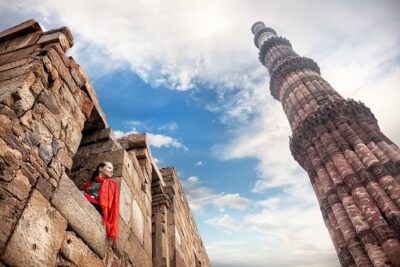
Old & New Delhi City Tour – Half or Full Day Options Available
Read our review →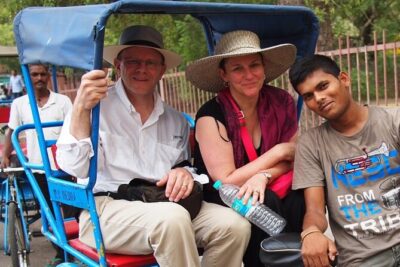
Top Highlights of Delhi: All-Inclusive Private City Tour
Read our review →
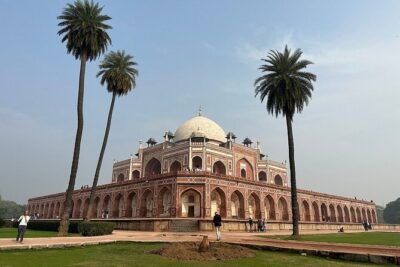
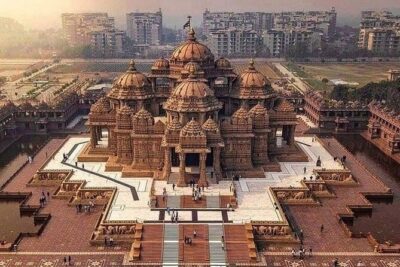
Old & New Delhi Private City Tour – Traveler’s Choice (Top Rated)
Read our review →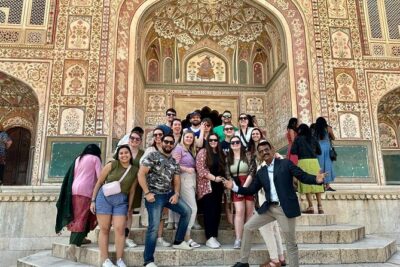
Jaipur City Private Day Tour from Delhi by Car – All Inclusive
Read our review →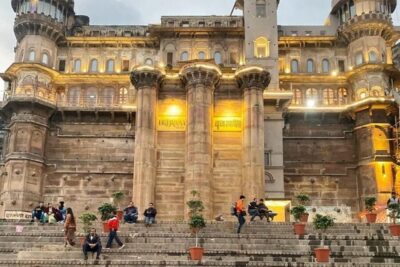
Full Day City Highlights Day Tour & Ganges Cruise
Read our review →Browse the lists this tour appears in