
Reviewed · HISTORICAL TOURS
Agra Heritage & Cultural Walk
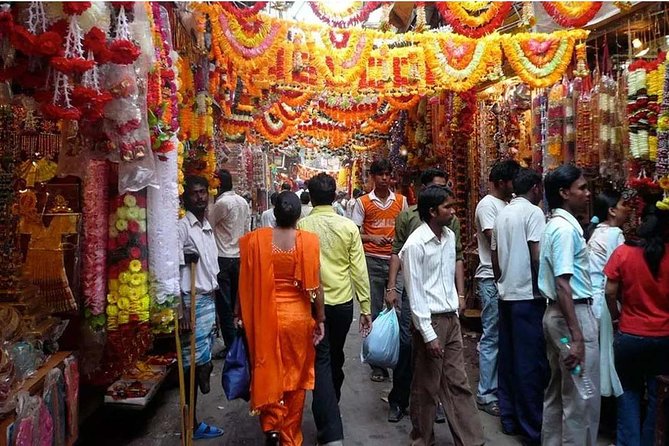
Agra is usually sold as a Taj Mahal trip. This one is more interesting because it strings together the city’s everyday places, from Agra Fort Railway Station to religious lanes and working markets, and then closes with a Taj photo stop. I love how the pacing keeps you moving without feeling rushed, and I also love the chance to taste old-school Agra at Chimmanlal Poori Wale.
One consideration: the route includes a couple of religious monuments where admission is not included, so plan for extra spending on the spot. Also, a few stops are short, so if you want long hangs at any single place, you may need to add extra time of your own.
Key highlights to know before you go
- Electric rickshaws in the old bazaar area, so you do not waste energy on slow traffic
- Food tasting built into the market rhythm, not tacked on as an afterthought
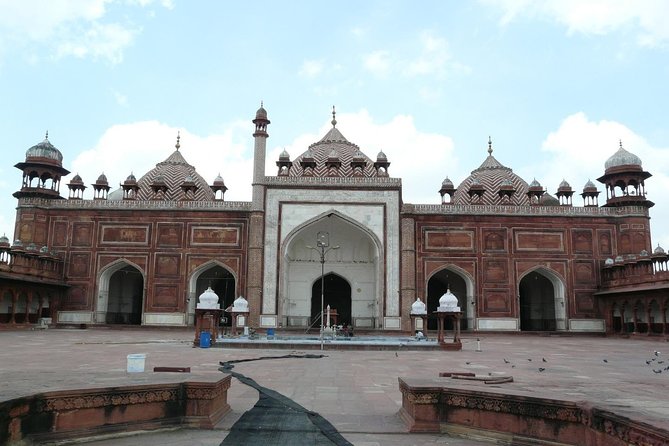
- Shahi Jama Masjid, tied to Shah Jahan and Jahanara Begum, giving the Mughal story a clear thread
- Temple stops with specific details, like the silver-covered shivlinga at Mankameshwar
- Gyarah Sidi and Humayun’s observatory remains, a fascinating detour that many visitors skip
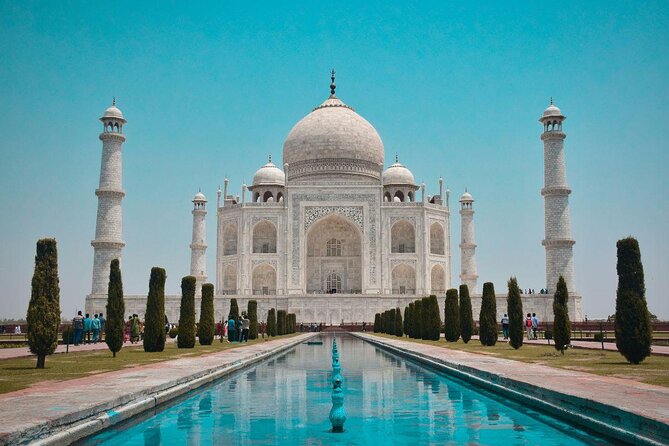
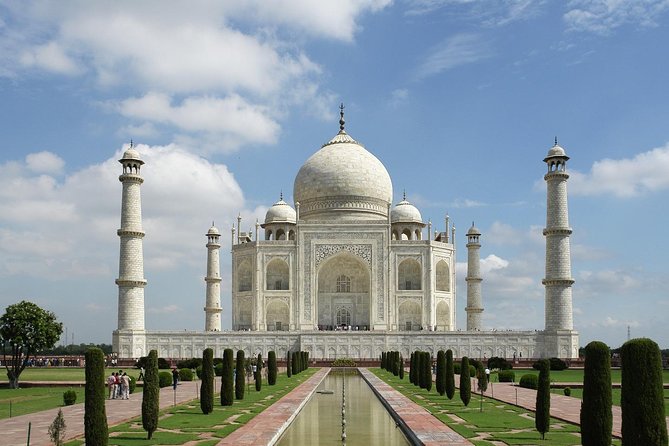
- Taj Mahal viewpoint finale, timed to offer good city framing for photos
A fast, smart way to see Agra without losing your evening
This is a 3-hour, guided heritage walk that focuses on getting you oriented fast. You are not just hopping between big sights. You are also learning how Agra’s religious life, trading streets, and Mughal-era planning connect to what you see at the end of the day.
The timing is part of the plan. In summer, the tour runs 5 to 7 pm. In winter, it runs 4 to 6 pm. That matters because late afternoon and early evening are when the city feels less harsh and photography gets easier, especially at the Taj viewpoint at the end.
More Walking Tours in Agra
- Agra Walking Tour
★ 5.0 · 109 reviews - Agra: Street Food Walking Tour, Spice Market, & Tuk-tuk Ride
★ 4.9 · 102 reviews - Flavours of Agra Food walk
★ 5.0 · 25 reviews
How the tour handles transport and pacing (electric rickshaws help a lot)
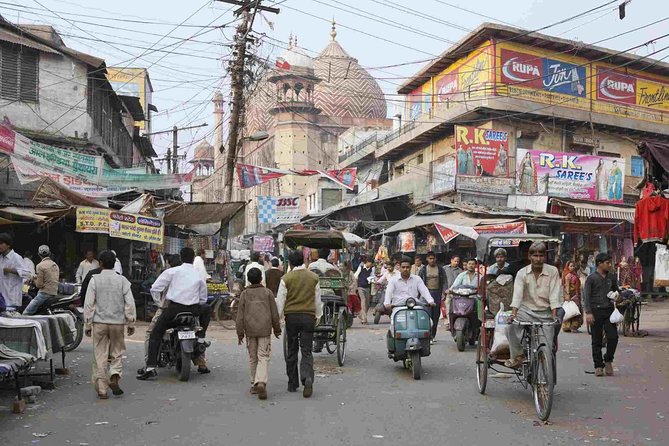
The flow uses a mix of walking and rides, which is exactly what you want in Agra’s tighter areas. You start near Agra Fort Railway Station, then the tour switches into electric rickshaw mode when moving between the fort-area parking area and the old bazaar zone.
You also get a rickshaw ride included in the price, and the walk portion ends at Lohar Gali before you return to the parking area by electric rickshaw. That last detail is more practical than it sounds. It keeps you from getting stuck in a long, stop-and-go walk when your legs start to feel it.
Because you are with a guide the whole time, you are not left guessing what each street or building is doing in the bigger story. One of the best things about this kind of guided circuit is that it saves you time on context, so your photos and souvenir buying both feel more intentional.
Stop 1: Agra Fort Railway Station, Mughal-influenced city architecture as your warm-up

You begin at Agra Fort Railway Station, described as one of the busiest stations and one of the first electrified railway stations in India. Even if you are not into rail history, the building itself is a great opener.
The distinctive red and white façade, with intricate arches and domes, gives you an immediate visual bridge to Mughal-era architecture in Agra. It sets expectations for what you will see later in the day: stonework, arches, and design details that look deliberate, not random.
This first stop is also useful because it anchors the tour in real Agra life. You are not starting in a staged tourist bubble.
Stop 2: Shahi Jama Masjid in the old bazaar, a mosque with a personal Mughal link
After the initial start, you head into old Agra bazaar by electric rickshaw for your first major monument: Shahi Jama Masjid. The tour frames it as a royal mosque built by Mughal emperor Shah Jahan as a dedication to his favourite daughter, Jahanara Begum.
It is also one of the places where you start noticing how Agra’s religious spaces fit into daily movement. Jama Masjid is not isolated. It sits within the bazaar area logic, which is why this tour pairing, bazaar plus mosque, works better than the typical monument-only route.
Admission here is listed as not included. So if you want to avoid surprises, keep a little extra money ready for any on-site entry costs.
A different shape of Agra day:
- From Delhi: Taj Mahal Sunrise, Baby Taj & Agra Fort Day Tour
★ 4.9 · 2,020 reviews - Agra: Skip-the-Line Taj Mahal & Agra Fort Private Tour
★ 4.9 · 1,546 reviews - Agra: Taj Mahal Express Entry Tickets
★ 4.8 · 684 reviews - Agra: Taj Mahal and Mausoleum Guided Tour with Skip-the-Line
★ 4.8 · 631 reviews
Stop 3: Chimmanlal Poori Wale, an old family shop that sells a sense of place
Then you hit one of the most enjoyable stops on the walk: Chimmanlal Poori Wale. The shop is described as around 180 years old and run by the sixth generation of the same family.
This is the kind of place where history is not in a plaque. It is in continuity. You get a sense of how Agra Fort travelers and locals feed the same street economy year after year.
This is also where your included food tasting most naturally fits. The shop is described as a favourite stop for travellers coming out of Agra Fort Railway Station, which means the timing lines up with the flow of your tour.
Stop 4: Betel leaf and paan culture, including the paan auction idea
Next up is the betel leaf stop, built around paan, a preparation combining betel leaf with areca nut. The tour explains that it is chewed for stimulating, psychoactive effects.
You also get a very specific cultural detail here: the old bazaar is famous for its paan leave auction since the time of the Mughals. That detail is valuable because it explains why the paan trade feels like more than a snack. It has the structure of a long-running marketplace tradition.
This stop is listed as free for admission, which is helpful when you are budgeting for what is included versus not included. If you are curious about trying paan, this is the moment where you will learn what you are actually looking at, not just grab a quick bite.
Stop 5: Shri Mankameshwar Mandir, a Shiva temple with silver-covered details
Your next religious stop is Shri Mankameshwar Mandir, described as one of the most ancient temples devoted to Lord Shiva. The shivlinga is said to be covered by silver metal, and the tour description adds that it was founded by Lord Shiva himself.
The tour also mentions akhand jyoti lit every day. Whether you focus on the spiritual angle or just enjoy the atmosphere, these specifics make the visit feel grounded instead of generic.
Admission is listed as not included here too. So again, keep a little buffer for entry costs at monuments.
The stop is short, about 20 minutes, which means your visit is more like a focused look than a long sit-down. If you like to take your time in temples, you may want to return later on your own with extra hours.
Stop 6: Radha Mohan temple and the ornate musicians’ balcony
Another temple stop brings you to the Radha Mohan temple, known here for an ornately carved balcony often referred to as the musicians’ balcony. The tour also notes it was built by Mohan Lal in 1880.
This is a great stop if you enjoy architecture details you can actually spot. A balcony like this is the kind of feature you can zoom in on for photos, and it gives you a different visual mood compared with the big mosque shapes earlier in the walk.
Like some other religious stops, admission is not listed as included for this one in the same way it is for free areas. So treat it as a possible extra cost, not a guaranteed freebie.
Stop 7: Rawatpara spice market, Mughal-era trading that still feels functional
Now you shift into a food and trading lane with Rawatpara spice market, described as a 400-year-old spice market setup by the Mughal emperors to cater to the spice needs of the fort.
This is where the tour earns its name heritage and cultural walk. Spices are part of how Agra connected to power and provisioning, not just how people season food. By framing the market with the Mughal fort supply idea, the guide helps you read the street like a historical document.
Admission is listed as free for this stop. You get to explore without needing to pay entry fees for every lane you walk into.
If you like to buy spices, this is usually a better time than after your Taj photos, because you are already in the right mood for shopping and comparison.
Stop 8: Lohar Gali, bangles and the kind of street noise you cannot fake
Lohar Gali is a busy street with vendors selling all kinds of items, and it is most famous here for bangles. It is one of the easiest stops to browse because bangles are visually specific. You can compare styles quickly, and you get that immediate sense of price range and craftsmanship.
The walking part of the tour ends here. Then you return to the parking lot by electric rickshaw. That design is practical. You see the busy part and then exit before fatigue turns your shopping into a chore.
Admission is listed as free for this area too, so you can focus on what you want to look at without keeping an eye on entry.
Stop 9: Gyarah Sidi and the Taj view point finale
Once you head back from the bazaar walk, the tour moves you toward Gyarah Sidi (eleven steps) by car. The tour explains that this area shows the remains of the astrological observatory of Mughal emperor Humayun.
This is a smart inclusion because it is not the standard Taj loop. Observatories might sound niche, but it adds variety to the day. You get a different side of Mughal priorities: the marriage of astronomy, power, and timekeeping.
From there, the tour ends at the Taj view point, described as one of the best vantage points in the city to view and photograph the Taj Mahal. Admission at the viewpoint is listed as not included, so if any fee applies, you pay it directly.
If your main goal is Taj photos, the best advice is to go in with realistic expectations. A viewpoint is still subject to distance, city angles, and light. But as a finale after markets and temples, it feels like a payoff, not a random last stop.
Price and value: what $89 gets you, and what you still need to budget
At $89 per person for about 3 hours, this is priced like a mid-range, guided city experience. The big value pieces are the essentials that actually save time: guide throughout the tour, pickup and drop from Agra city hotels only, food tasting, two mineral waters per person, and a rickshaw ride.
There are also taxes included, and you get a mobile ticket. Those are the practical comforts that matter when you are trying to keep logistics simple.
What is not included is equally important. Entrance fees for monuments are listed as not included, including specific stops like Jama Masjid, Mankameshwar Mandir, and the Taj view point. In other words, your final cost can move up a bit depending on what you pay on-site.
If you hate extra costs, bring some flexibility. If you prefer guided value and you do not mind small on-the-spot fees, this price can feel fair.
A note on service style and how to avoid a disappointing day
Most parts of the tour sound well-managed: guide-led history, a clear sequence of stops, and a routing plan that mixes short sights with market time. People also highlight stress-free organization and professional guidance when it clicks.
Still, there is a pattern you should watch for anytime you book a local operator. If you care most about monuments, ask yourself whether you are okay with multiple market stops. This walk includes food and trading areas on purpose, including spice and bangles lanes. So it is not a quiet, single-sight experience.
Before you go, confirm what is included in your pickup zone, since pickup is only from Agra city hotels. If you are staying outside that zone or starting from the airport or railway station, the tour says there is an additional charge you pay directly.
Who this walk suits best
This is a good fit if you want a focused introduction to Agra in one evening. It suits solo travelers who want a guided structure, couples who like strolling with a plan, and small groups who want a private setting rather than joining a crowded shared bus experience.
You will also enjoy it if you like market culture. The itinerary is not just stone monuments. It includes paan culture, spices, and bangles, which makes Agra feel like a living city.
If you want long, in-depth monument time, this might feel tight. The stops are short, and the pace is designed to cover a lot of different themes.
Should you book this Agra Heritage & Cultural Walk?
Book it if you want the best kind of first day in Agra: guided, varied, and time-smart, with a Taj Mahal photo finale that does not require you to plan every angle yourself.
Skip it or add extra time on your own if your priority is maximum time at a single site, or if you strongly dislike market lanes and shopping stops. The route is built around everyday Agra, not only monuments.
If you do book, bring a little cash for on-site monument fees at stops marked as not included, and wear shoes that handle short but frequent walking. With that, this tour can turn an evening into a real snapshot of how Agra works, not just how it looks.
FAQ
How long is the Agra Heritage & Cultural Walk?
It lasts about 3 hours.
Is pickup and drop included?
Yes, pickup and drop are included for Agra city hotels only.
What is included in the tour price?
The guide throughout, 2 mineral water bottles (500 ml) per person, rickshaw ride, food tasting, and all applicable taxes are included.
Are entrance fees to monuments included?
No. Entrance fees of monuments are not included (and some specific stops are marked as not included).
What time does the tour run in summer and winter?
In summer it runs 5 to 7 pm. In winter it runs 4 to 6 pm.
Is this a private tour?
Yes. Only your group participates.
What ticket type do I receive?
You get a mobile ticket.
Is there an extra fee if I get picked up outside Agra city hotels?
Yes. Pickup from outside city hotels, including airport or railway station, has an additional charge payable directly.
More Historical Tours in Agra
- Fontainhas Heritage Walk by Make It Happen
★ 5.0 · 2,834 reviews - The Great Indian Food Tour: Old Delhi Food and Heritage Walk
★ 5.0 · 1,698 reviews - Old Goa Heritage Walk by Make It Happen
★ 5.0 · 797 reviews - Old Delhi Food, Heritage&Cultural Walk with Rickshaw ride to Masterji Kee Haveli
★ 5.0 · 742 reviews
Latest reviews in from Agra
- From Agra Private Transfers to Wildlife SOS Elephant Conservation★ 5.0 · 49 reviews
- Same Day tour from delhi Agra private cab★ 5.0 · 127 reviews
- Taj Mahal Skip-the-Line Guided Tour with Multiple Options★ 5.0 · 212 reviews
- Taj Mahal: Express Entry Ticket For Sunrise Tour with guide★ 4.9 · 299 reviews
- Agra: Skip-the-Line Taj Mahal & Agra Fort Private Tour★ 5.0 · 124 reviews
- Taj Mahal Half Day Tour by Tuk Tuk★ 5.0 · 16 reviews
- Day Trip Delhi to Agra by Express Train in 90 Min★ 5.0 · 43 reviews
- Private Transfer From Agra To Jaipur with Fatehpur Sikri★ 5.0 · 117 reviews
Historical Tours, compared.


The Great Indian Food Tour: Old Delhi Food and Heritage Walk
Read our review →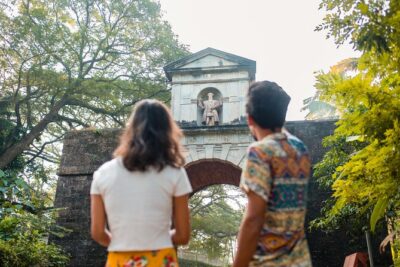
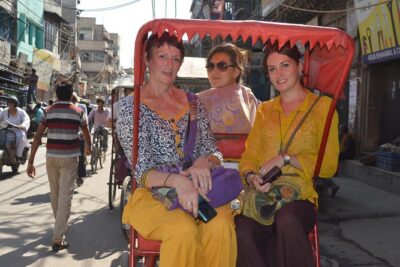
Old Delhi Food, Heritage&Cultural Walk with Rickshaw ride to Masterji Kee Haveli
Read our review →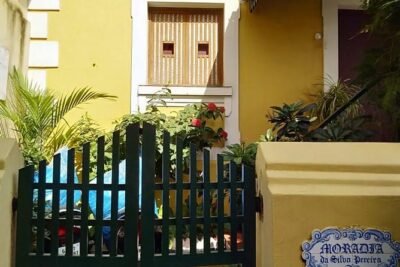
Fontainhas Heritage Walk At Latin Quarters of Goa
Read our review →
Blue City Heritage Private Walking Tour With Pickup and Drop-Off
Read our review →
Private Heritage Walking Tour in Jaisalmer Fort and Old Bazaar
Read our review →Browse the lists this tour appears in