
Reviewed · HERITAGE WALKS
Mumbai: South Mumbai Heritage Walking Guided Tour
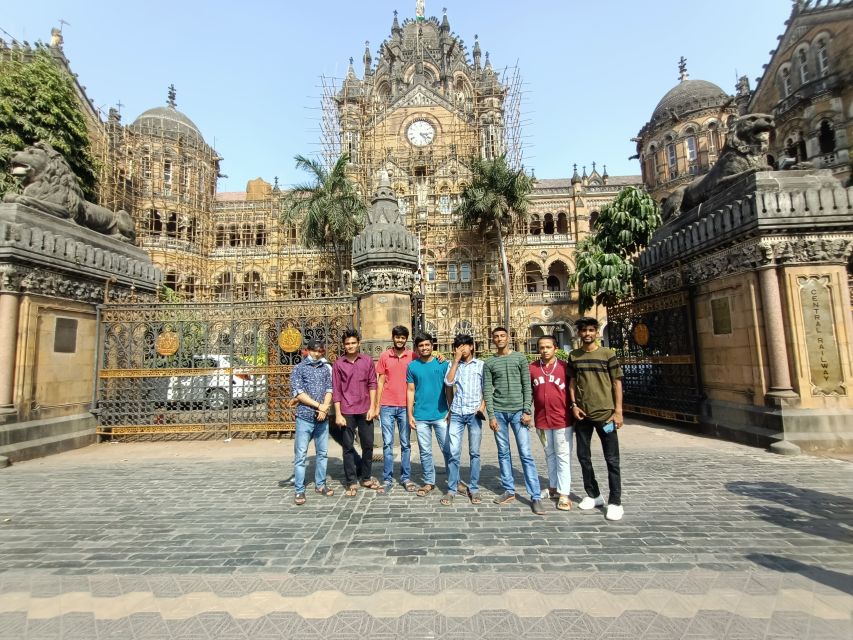
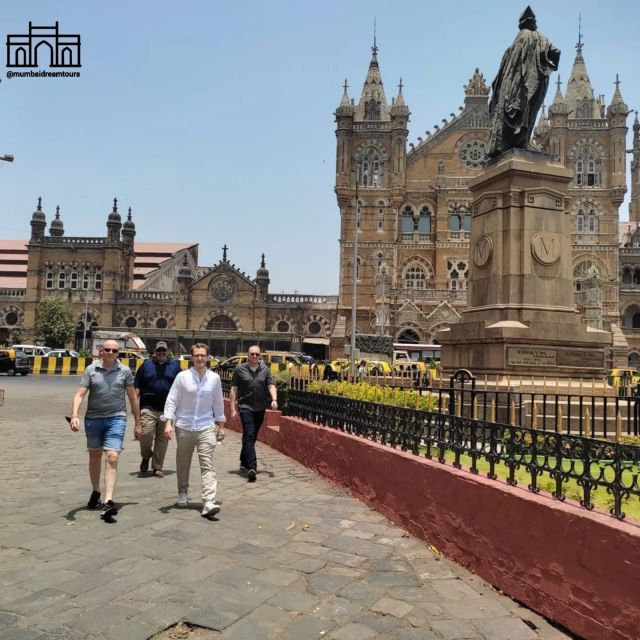
South Mumbai is the kind of place where the details do the talking, and this walking tour is built to get you noticing those details. You start at Chhatrapati Shivaji Terminus, a UNESCO site, and the guide helps you read the building like a history lesson you can actually follow on a sidewalk.
Two things I especially like about this experience are the stop choices and the guiding style. First, you move through landmark after landmark that many people casually walk past, like St. Thomas’ Cathedral and Marine Drive, without realizing how much thought went into each one. Second, the guides are consistently described as friendly, energetic, and willing to answer questions, with names like Krishna, Sanika, Ketan, and Alan showing up again and again in customer notes.
One possible drawback to plan for: this is a walking tour, so you should be ready for about three hours on foot and a route that moves at a comfortable walking pace, not a slow sightseeing bus crawl.
Key Highlights
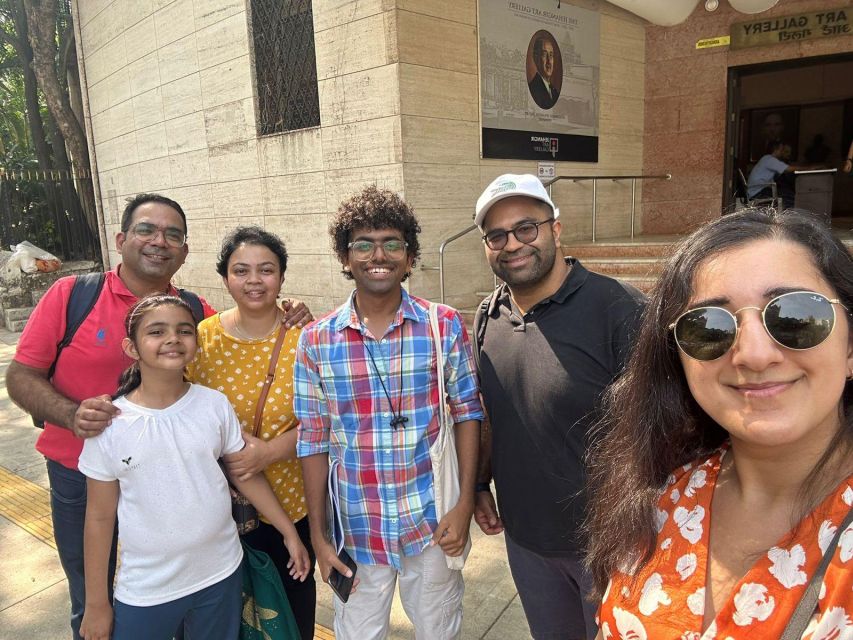
- Chhatrapati Shivaji Terminus (UNESCO), including why it is considered one of the most beautiful train stations in India
- Asiatic Society Library (Town Hall), a colonial-era library stop that feels unusually human in a big city
- St. Thomas’ Cathedral, a 300-year-old church connected to the Diocese of Mumbai
- Watson’s Hotel, famous as the earliest surviving example of cast-iron architecture in India
- Flora Fountain (1864), a small detour with Roman goddess symbolism that sets the tone for the walk
- Gateway of India and Taj Mahal Palace, where early 20th-century monument meets luxury heritage
Why South Mumbai Works Best on a Guided Walk
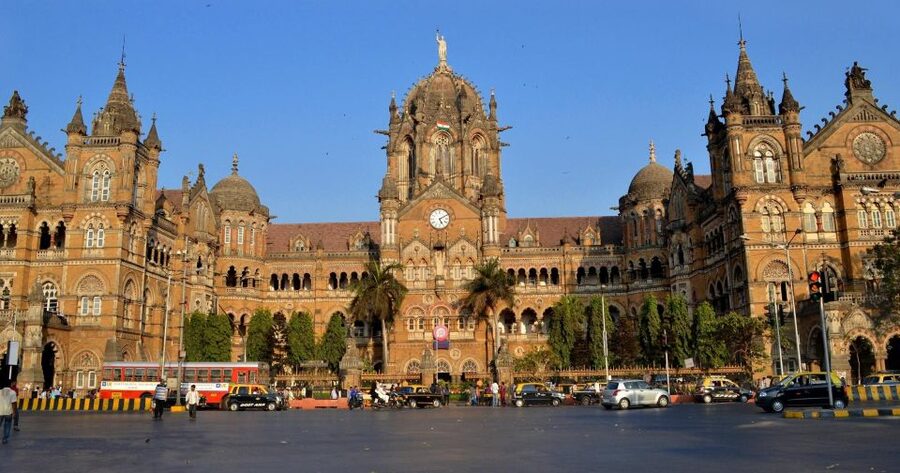
South Mumbai is packed with architecture that spans eras, but it is also a working city. The streets, buildings, and institutions sit right next to daily life. On your own, you can do a photo blitz, but you will probably miss the why behind what you are seeing.
This tour gives you a simple rhythm: walk a short stretch, stop for context, then move again. That matters because most of the value here is not one big monument, it is the way the buildings connect. You start to see how British-era civic power, Portuguese and early Christian presence, and Indian education and law all share the same narrow geographic stage.
I also like the tone the guides bring. Multiple guides are described as warm and conversational, with real enthusiasm. If you want a tour where you can ask questions and get direct answers, this format fits that better than a headset-driven audio loop.
More Historical Tours in Mumbai
- Heritage Walk: Recommended by Gigi Hadid as a must-do in Mumbai
★ 5.0 · 122 reviews - Best South Mumbai Heritage Walk
★ 5.0 · 122 reviews - Hill-station & Heritage: Lonavala & Karla Caves Tour from Mumbai
★ 5.0 · 60 reviews
Getting Oriented at Chhatrapati Shivaji Terminus (CSMT)
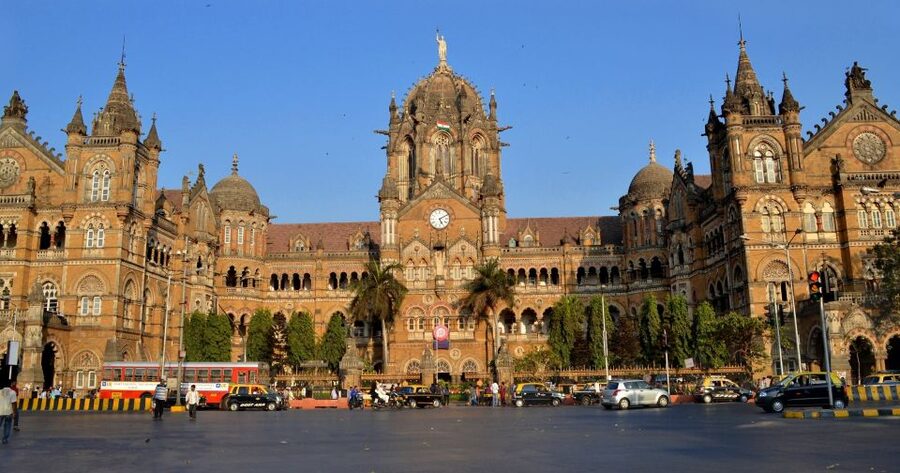
Your walk’s launch point, Chhatrapati Shivaji Terminus, is a UNESCO-listed train station and the tour frames it as a perfect opening: you see how transport, empire, and local identity all get built into the same structure.
Here is what you should watch for. The station is not just a place to catch a train, it is an architectural statement. The guide helps you notice design choices that people often overlook when they are focused on platforms and schedules. You will also get a clearer picture of why CSMT is repeatedly called one of the most beautiful train stations in India.
Practical note: this is a busy area. Take your time with photos, but also be ready to pause quickly when the group moves. If you want sharp photos, go early in the day when possible, and do not wait for the rest of the group to stop permanently.
Town Hall and the Asiatic Society Library, Colonial Power with a Quiet Vibe
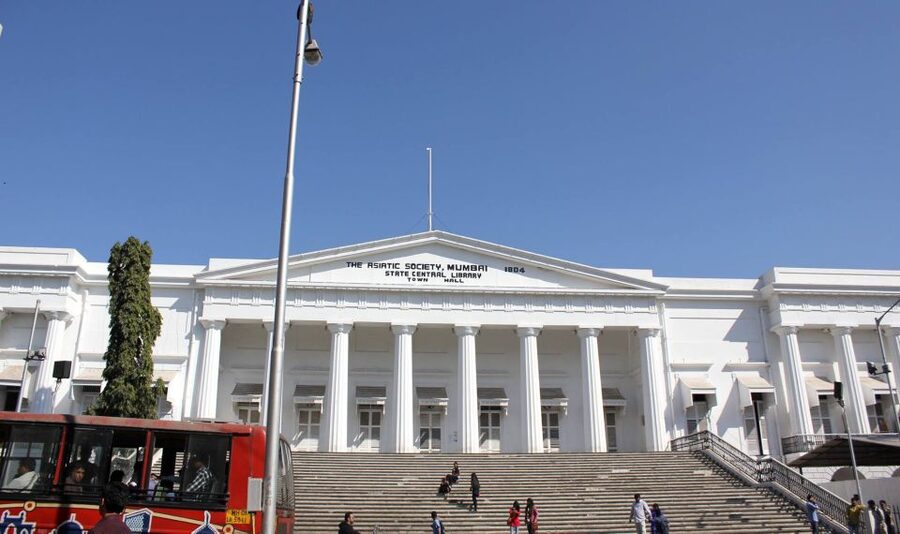
Next comes a colonial-era stop that feels more cerebral than you might expect: the Town Hall (Asiatic Society Library). You get an easy win here, because libraries are naturally easier to respect than government offices or courthouses. The tour highlights that it is one of the oldest libraries in town, and that detail changes how you look at it.
Instead of just seeing an old building, you start asking questions like: who used this space, what did it represent, and why would a city invest in knowledge infrastructure so early? That is the kind of context that makes a walking tour feel worth it, even if you are not an architecture fanatic.
If you prefer lively street scenes over indoor or subdued stops, this one might feel slower. But it is exactly the kind of pause that helps the rest of the heritage sites land better.
St. Thomas’ Cathedral, 300 Years of Faith and Continuity
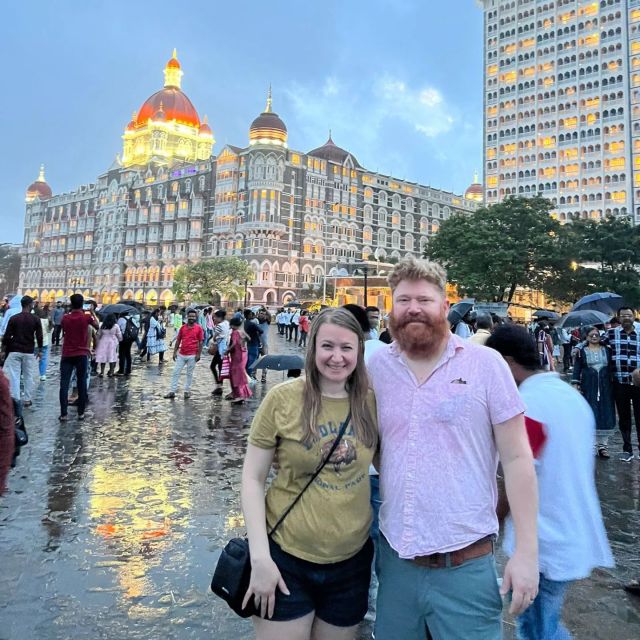
Then you reach St. Thomas’ Cathedral, Mumbai, framed as a 300-year-old cathedral church tied to the Diocese of Mumbai of the Church of North India. This stop works because it is specific. It is not just a generic church photo. You get a clear time reference and a direct connection to the local religious history.
What I like about including a cathedral in an architecture walk is that it changes your ears as much as your eyes. Even from outside, you begin to recognize how buildings of faith become part of the neighborhood rhythm. The guide’s context helps you connect that rhythm to the bigger story of the city.
Tip for the walk: this is a good place to ask a question. If your guide is someone like Krishna or Ketan, you are likely to get thoughtful answers that connect the site to broader patterns in Mumbai.
More Walking Tours in Mumbai
- Group Guided Walking Tour in Fort and Colaba
★ 5.0 · 1,073 reviews - Private Guided Walking Tour in Fort & Colaba
★ 5.0 · 895 reviews - Private Guided Walking Tour in Bandra Queen of Suburbs
★ 5.0 · 383 reviews - Private Guided Spiritual Walk in Banganga Hindu Temples
★ 5.0 · 271 reviews
Flora Fountain (1864) and the Myth in the Middle of the Street
A classic shortcut in many heritage walks is skipping the smaller decorative stops. This one doesn’t. You will stop at Flora Fountain, built in 1864 and depicting the Roman goddess Flora.
Why does this matter? Because it shows how European classical symbolism was used in everyday public space. It is not just a pretty feature. It is a clue about what the city wanted to project at the time: education, culture, and a sense of formal beauty in shared streets.
When you see this after the early colonial and Christian landmarks, the fountain reads like a bridge. It is both decorative and informative. You start noticing how symbols sit right alongside civic buildings.
University of Mumbai and Bombay High Court, Where Civic Systems Take Shape
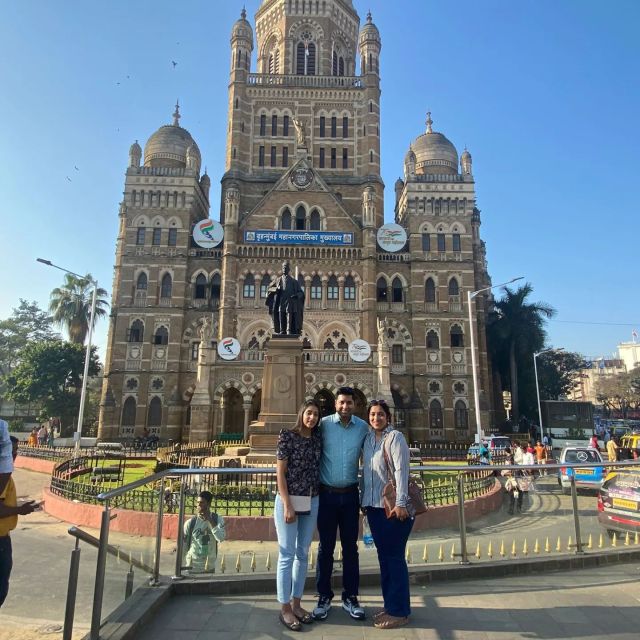
The tour keeps moving through major institutions, including the University of Mumbai and the Bombay High Court.
The University of Mumbai stop is significant because the tour frames it as one of India’s oldest and premier universities. That is the kind of statement that can sound abstract until a guide connects it to the city’s layout and how education is anchored in public life.
Then comes the Bombay High Court, described as one of the oldest high courts in India. Law can feel dry on paper, but in a guided walk it becomes a tool for understanding who ran daily life and how power was expressed through architecture.
If you are thinking, I just came to see buildings, not institutions, this part may still surprise you. It helps you see Mumbai as a city of systems, not just skylines. And that makes the next art and luxury stops easier to interpret.
Kala Ghoda: The Art District with Heritage Buildings in the Same Arc
You also visit Kala Ghoda, described as a crescent-shaped art district with heritage buildings. This stop is useful because it gives the walk a softer landing after the heavier institutional sites.
Kala Ghoda makes it easier to understand how heritage is not trapped in museums. It lives in living streets. Art districts tend to attract attention, and that is part of the point. The guide’s context helps you see why the buildings around you matter even if galleries are the headline.
If you enjoy street-level texture, this is a good moment to slow down. Take a few minutes, but keep moving with the group so you do not lose the guide’s thread through the next stops.
Watson’s Hotel: The Cast-Iron Moment That Changes How You See Materials
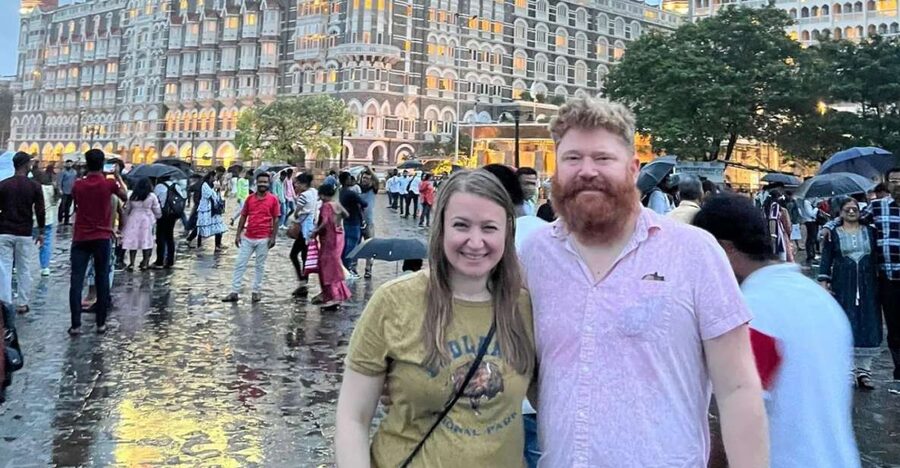
One of the standout included stops is Watson’s Hotel, described as the earliest surviving example of cast-iron architecture in India.
This is the type of stop that flips your brain from looking at buildings as static shapes to seeing them as engineering decisions. Cast iron was practical, and practical can still be beautiful. The tour helps you understand why the material matters to the story of the city’s development.
Also, the stop gives you a visual break from larger institutional façades. You get to focus on detail and design logic. If you like architecture that feels physically constructed rather than just decorative, you will enjoy this one.
Hotel Taj Mahal Palace and the Gateway of India Finish Strong
The walk then heads into Colaba area heritage icons, including Hotel Taj Mahal Palace and the Gateway of India.
Hotel Taj Mahal Palace is described as a heritage five-star luxury hotel in the Colaba area. On a heritage walk, it is interesting because luxury heritage can be a form of public memory. The guide’s framing helps you separate the hotel’s glamour from the city’s timeline, so you see it as part of the same broader architecture story rather than a separate tourist bubble.
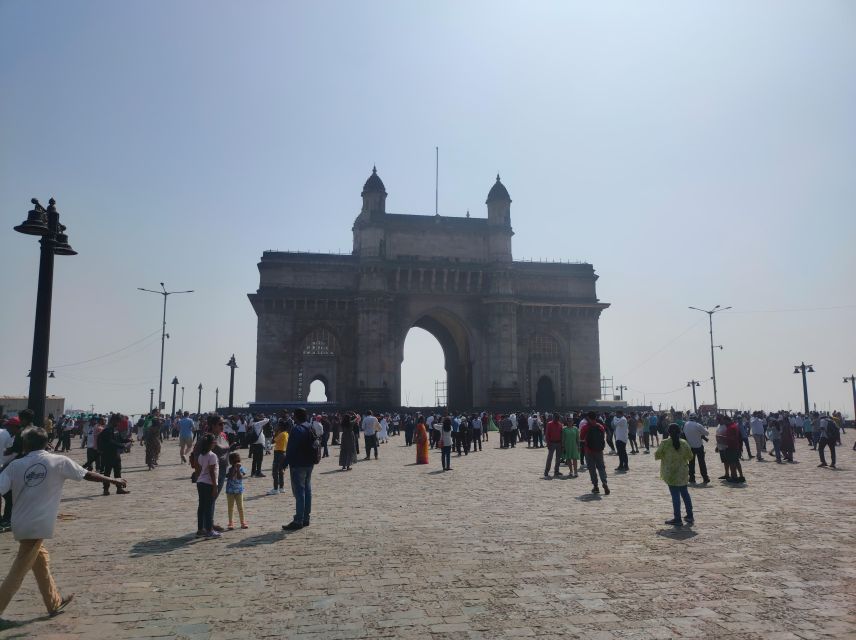
Then you reach Gateway of India, framed as an arch-monument built in the early 20th century in Mumbai. The guide gives context that helps you understand what kind of monument it is and why it matters in the mental map of South Mumbai.
This is also where you may start to notice something important about the tour’s structure. It builds from institutions and faith spaces into public monuments. By the time you stand at the end point, the walk feels like a complete arc, not a random list of stops.
Marine Drive: The Beauty Stop That Helps the Story Feel Complete
The tour highlights Marine Drive as well. That makes sense, because Marine Drive is not only a famous view, it is a mood.
Even if you know the place from photos, seeing it within the context of colonial-era buildings and Indian civic institutions changes the experience. Instead of treating Marine Drive as a single pretty promenade, you feel it as part of the city’s spatial logic, where major landmarks line up with open stretches and sea views.
This is also a good mental reset. After courthouses, cathedrals, and fountains, you get a calmer, scenic moment.
Price and Time on Your Feet, Is $28 Fair Value?
At $28 per person, you are paying for guided context across multiple major landmarks, including UNESCO CSMT, St. Thomas’ Cathedral, the Asiatic Society Library, Watson’s Hotel, and the Gateway of India.
For me, the value comes from two places. First, the number of recognized stops is strong for the price. You are not just getting one big highlight and then free time. Second, the guides appear to put real energy into their explanations, and that matters because many of these sites are easy to walk by without understanding what you are looking at.
The tour also runs about three hours, which is a practical sweet spot. You get a meaningful slice of South Mumbai without losing an entire day.
If you are watching costs, this is an affordable entry point. If you are trying to see everything, this won’t replace a full-day neighborhood exploration. But as an introduction that makes the rest of your Mumbai days easier, it is a smart use of time.
What Makes the Guides So Important Here
This tour’s biggest differentiator is not the city, it is the human connection. The notes on guides repeatedly mention friendly, helpful attitudes and a willingness to answer questions.
You will also notice that several guides are described by name, including Krishna, Sanika, Ketan, Abhi, Alan, and Alkama. One guide is even described as studying Indian literature and archaeology, which explains why the explanations can feel connected rather than just fact dumps.
What that means for you: you can go in with curiosity and expect your guide to meet you there. If you care about architecture, you get the building details. If you care about culture, you get connections to social and cultural context. If you care about the city’s identity, you get a guided way to read it.
Who Should Book This Walk, and Who Might Skip It
This tour is a great match if you are:
- In South Mumbai for the first time and want quick orientation
- Interested in architecture and how it reflects systems like education, law, and faith
- Short on time, but willing to do about three hours on foot
You might skip it if:
- You want a purely modern-city focus, because the walk centers on heritage monuments and institutions
- You dislike walking tours, because the format depends on steady movement from stop to stop
Should You Book Mumbai Dream Tours’ Heritage Walk?
If your goal is to make South Mumbai click, I think this is a strong book. The combination of major landmarks and guide-led context is exactly what turns a city visit from postcard watching into real understanding.
My advice: book it early in your trip. After that, you will start seeing the city with better instincts, like you will notice architectural patterns on your own and ask smarter questions as you go.
If you are on the fence, choose it if you want an easy, structured way to experience the essentials of Old Mumbai, without spending hours piecing it together yourself.
FAQ
What is the price for the Mumbai South Mumbai Heritage Walking Guided Tour?
The price is $28 per person.
How long is the tour and what language is it in?
The tour is about 3 hours, and it is conducted in English.
Which major attractions are included on the walk?
Stops include Chhatrapati Shivaji Terminus, Town Hall (Asiatic Society Library), St. Thomas’ Cathedral, Flora Fountain, University of Mumbai, Bombay High Court, Kala Ghoda, Watson’s Hotel, Hotel Taj Mahal Palace, and Gateway of India.
Who provides the tour?
The experience provider is Mumbai Dream Tours.
Is it possible to reserve first and pay later?
Yes. You can reserve your spot and pay nothing today.
What is the cancellation policy?
You can cancel up to 24 hours in advance for a full refund.
More Heritage Walks in Mumbai
- South Mumbai: Cultural Heritage Walking Tour
★ 4.8 · 45 reviews - Fontainhas Heritage Walk by Make It Happen
★ 5.0 · 2,834 reviews - The Great Indian Food Tour: Old Delhi Food and Heritage Walk
★ 5.0 · 1,698 reviews - Old Goa Heritage Walk by Make It Happen
★ 5.0 · 797 reviews
Latest reviews in from Mumbai
- Mumbai Spice Markets and Bazaars Tour with Guide and Transport★ 5.0 · 42 reviews
- Mumbai Dharavi Slum, Dhobi Ghat & Dabbawala Lunchbox Tour★ 5.0 · 43 reviews
- Private Dharavi Slum Tour with Mumbai Sightseeing★ 5.0 · 43 reviews
- Private Guided Tour in Kanheri Cave with Transfers★ 5.0 · 44 reviews
- Private Guided Walking Tour in Dharavi Slums★ 5.0 · 44 reviews
- Bollywood Tour with Original founder★ 4.5 · 44 reviews
- Mumbai Private Cultural Tour with Lunch and Transport★ 5.0 · 44 reviews
- Unveiling Bollywood: Grand Tour of Iconic Real Sets & Their Story★ 4.5 · 44 reviews
Heritage Walks, compared.
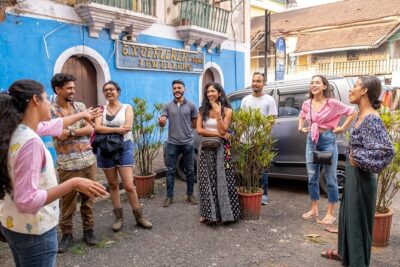
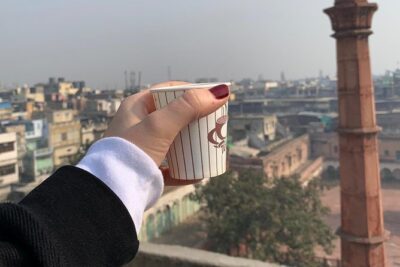
The Great Indian Food Tour: Old Delhi Food and Heritage Walk
Read our review →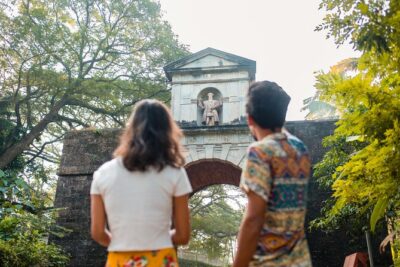
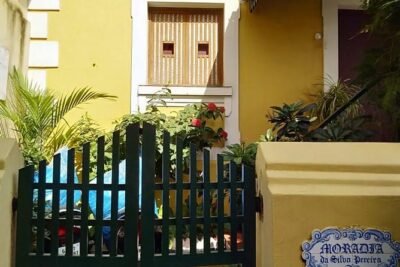
Fontainhas Heritage Walk At Latin Quarters of Goa
Read our review →
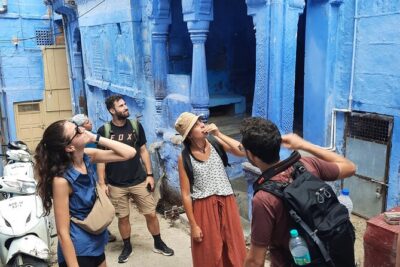
Private Heritage Walking Tour in Jaisalmer Fort and Old Bazaar
Read our review →
Browse the lists this tour appears in