
Reviewed · CRUISES & BOAT TOURS
Full-day private Varanasi tour with AC car, boat & Sarnath
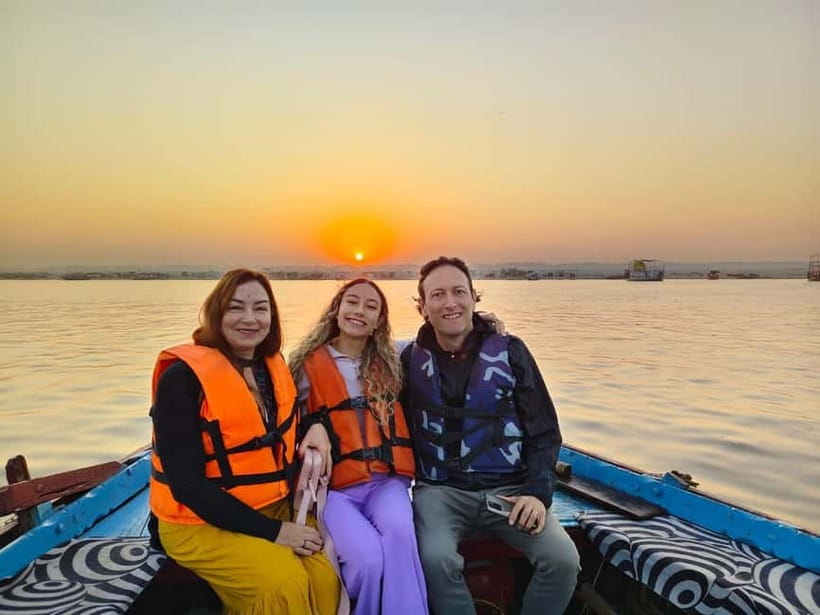
This tour feels different because it starts before most people have even sat up, with a 5:30am pickup and a sunrise Ganges boat ride. I like that you get a proper guide to explain what you’re seeing, not just a drive-by checklist. I also like the mix of big-ticket religious sights and smaller, more local stops spread through the day, with AC time built in. One consideration: it is a long full day (about 10 hours) and it involves walking, so plan for a steady pace.
I’ve seen how guides can make or break Varanasi tours, and here you’ll likely be in capable hands like Anmol or Saurabh Rajbhar, with a calm driver such as Aman mentioned in past experiences. The payoff is clarity, like when you learn how to interpret daily rituals along the ghats with more context than you’d get on your own. The possible drawback is simple: monument fees are not included, and some sites can be closed on specific days, so you’ll want to stay flexible.
Key things that make this tour worth your time
- Sunrise boat on the Ganges for first-hand views of morning rituals along the ghats
- A guide who explains the meaning behind temples and ceremonies, not just names and dates
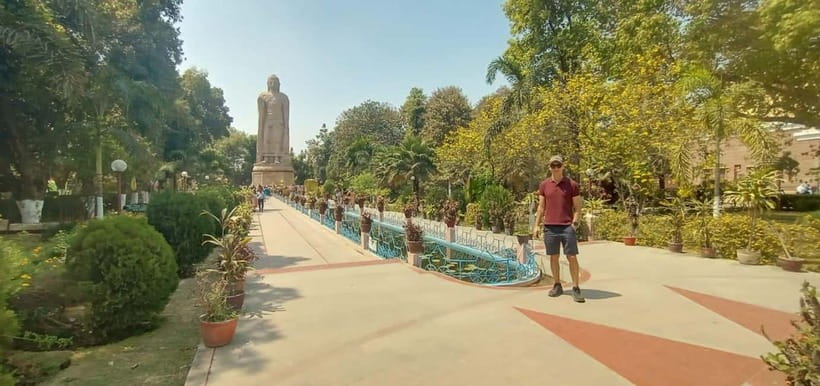
- Sarnath in the same day so you connect Varanasi’s Hindu life with Buddha’s first sermon setting
- Air-conditioned transport to reset between stops, especially later in the day
- Evening Ganga Aarti at Dashashwamedh Ghat for the river’s night-time spectacle
- Sarnath Archaeological Museum closed Fridays, so plan your expectations around the day you go
Why a 5:30am start makes sense in Varanasi
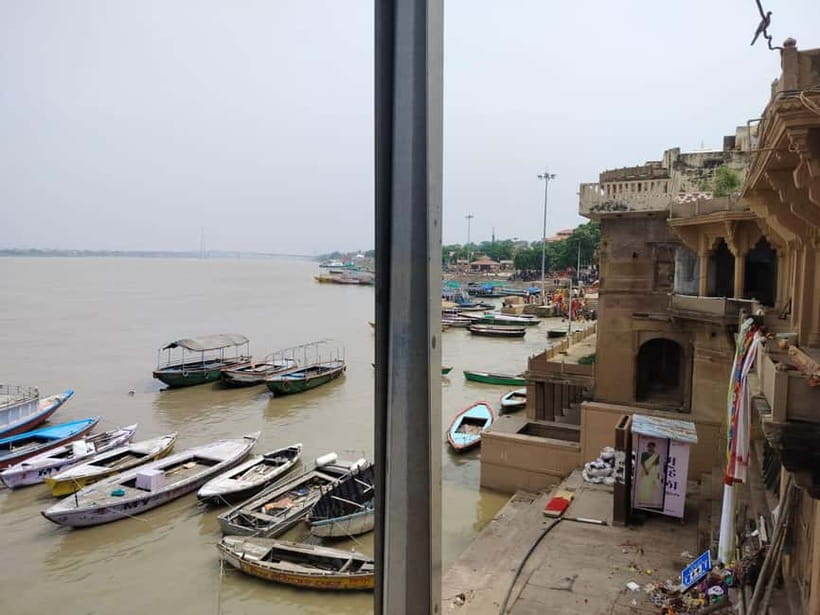
Varanasi is one of those places where timing changes everything. Starting early lets you beat the heat and catch the city in its quieter, more devotional mood. You’ll be picked up from your hotel at about 5:30am, then head toward the river before the day gets loud.
This early rhythm also helps you understand the place. Morning on the ghats is not a “tour photo moment,” it’s when daily life, faith, and tradition overlap. If you only come later, you miss the way Varanasi wakes up.
More Boat Trips in Varanasi
- Varanasi : Full Day City Highlights Day Tour & Ganges Cruise
★ 4.8 · 520 reviews - Varanasi: Sunrise Boat Tour with Arti Ceremony
★ 5.0 · 375 reviews - Marigold Boat Tour in Varanasi
★ 5.0 · 122 reviews
Sunrise on the Ganges, from ghats to rituals
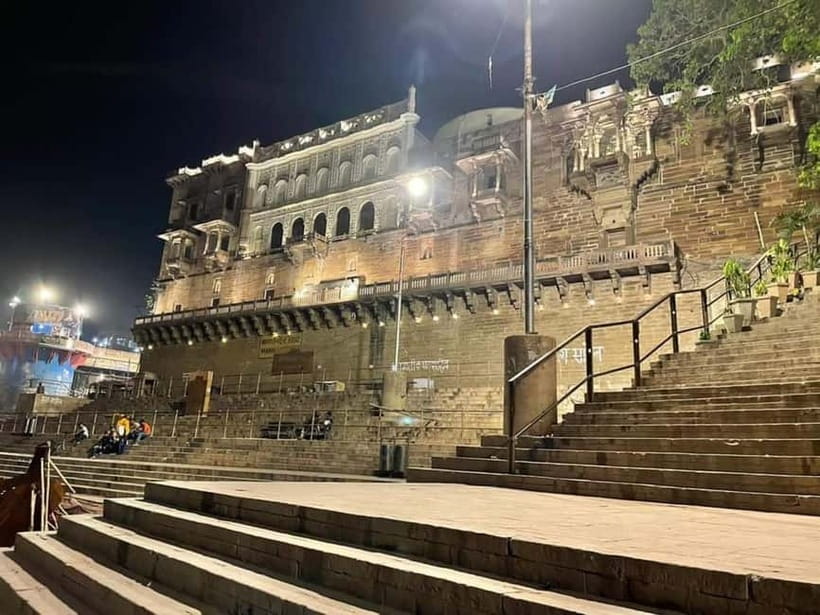
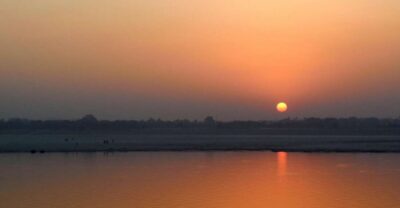
The tour’s first major highlight is a private boat trip on the Ganges timed for sunrise. You’ll see the water as the city sees it: a working religious space where people gather, pray, and perform rituals. You’ll also spend time around the Assi Ghat area with a guided orientation, including a stop that fits into the flow of morning activity.
What I like about this part of the day is how it changes your perspective. From the river, the ghats look less like random steps and more like a whole system, each stretch with its own role in daily Varanasi life. It’s also a calmer introduction than trying to learn the city’s layout right away on foot.
If you’re sensitive to the sight and sounds of cremation along the river, go in with eyes open and a respectful mindset. The tour includes time that can bring you close to those realities, but it does so while giving context, which helps a lot.
Old town walking: Kashi Vishwanath and the art of getting oriented
After the river time, you’ll switch gears from the waterfront to the older city. You’ll follow your guide through tight alleyways where it’s easy to get turned around without help. This is the kind of place where a guide saves you time and stress, and also helps you see details you’d otherwise miss.
A big anchor stop is the Shri Kashi Vishwanath Temple, one of the holiest Hindu temples in the city. What matters here is not only the architecture, but the explanation you get about why this temple has so much draw. When a guide ties the temple to the larger meaning of Varanasi as a sacred place, you start to connect the dots.
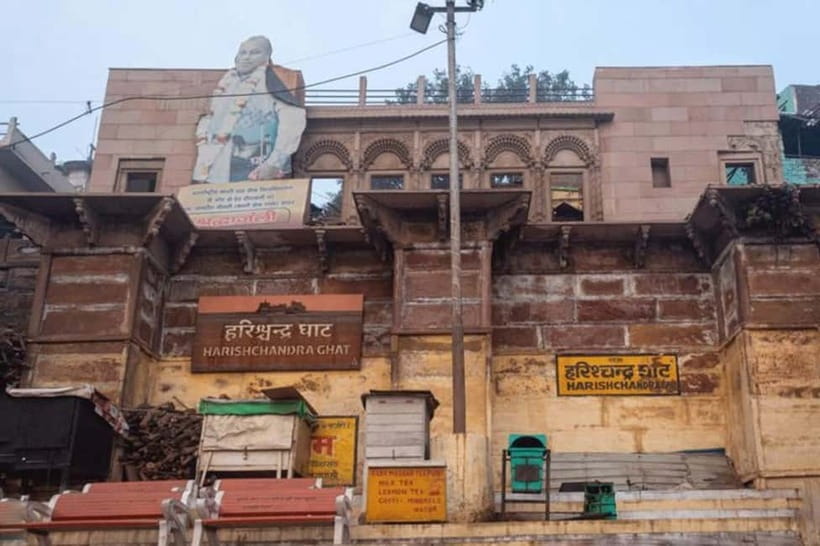
You’ll also pass by Manikarnika Ghat, another important riverside location tied to the city’s cremation tradition. This is not a casual “see and move on” moment. The value is in learning what you’re looking at and how locals interpret it as part of life and faith.
BHU and Durga Mandir: big names, short breaks
Mid-morning includes a practical pause for breakfast, but breakfast is your own expense. That matters because it lets you eat on your schedule instead of forcing a one-size-fits-all meal plan.
Then you head to Banaras Hindu University (BHU) around 10:00am. The campus is a major stop, and you’ll tour the area plus the new Vishwanath Temple (Birla Temple), described as an exact replica of the original Vishwanath Temple. This is a good change of pace if your day has felt mostly religious intensity. You get space to breathe, plus a clearer view of how Varanasi holds both tradition and modern institutions.
Around Durga Mandir time, you’ll visit Durga Kund Mandir, also known as Durga Temple, a widely recognized temple in Varanasi. The tour keeps moving, but it doesn’t feel like nonstop sprinting. You’ll learn the setting and significance, then keep rolling.
There’s also a silk weaving tradition learning moment in the early afternoon, around 12:30pm. This is where Varanasi shows its everyday skills, not only its temples. If you want souvenirs, it’s also a useful time to get oriented to what the city is known for beyond rituals.
A different shape of Varanasi day:
- Hidden Secrets of Varanasi: lively Tradition (Guided Tour)
★ 5.0 · 429 reviews - Banaras Wala Tours
★ 5.0 · 329 reviews - The Ultimate 1 Day in Varanasi – How to Spend 13 Hours – Private Guided Tour
★ 5.0 · 295 reviews - A Journey of A lifetime
★ 5.0 · 272 reviews
Temples plus a smart lunch window
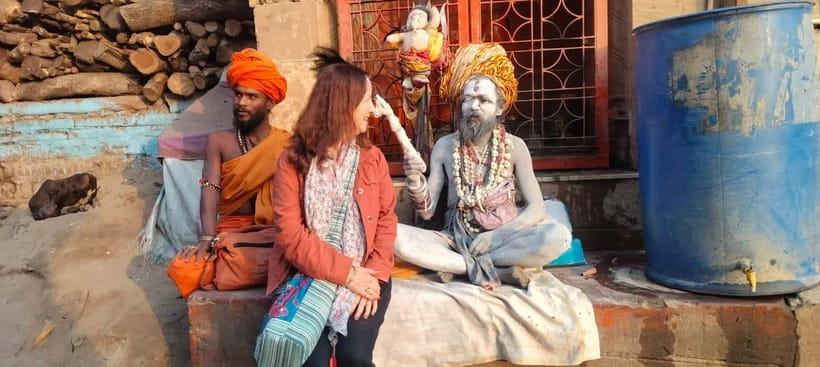
By early afternoon, you’ll take a break for lunch (own expense). That choice to separate lunch from the included portions is actually useful for travelers, because it gives you control over what you eat and how long you rest. Given the full-day structure, that reset is what keeps the day manageable.
After lunch time, you’ll ride about 8 miles (13 km) to Sarnath, so the tour stops feeling like one continuous string of temples in the same environment. You’re leaving the Varanasi ghats behind and heading to a calmer Buddhist setting.
Sarnath: Dhamekh Stupa and the first sermon setting
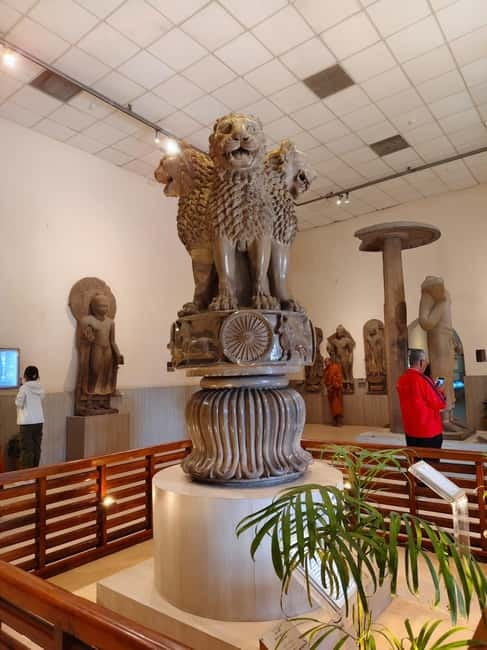
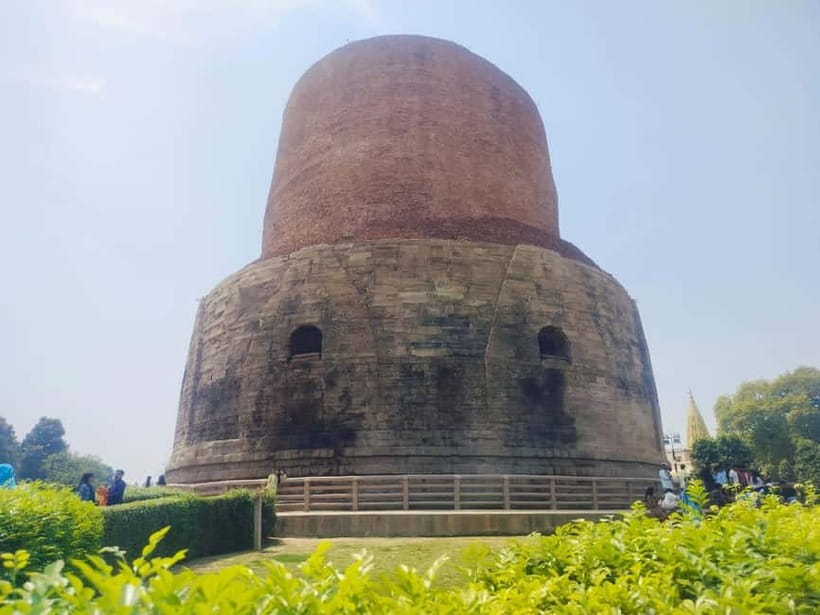
Sarnath is one of the most meaningful places to visit if you want to understand the Buddhist story in a physical way. The tour focuses on Dhamekh Stupa, known as the place where the Buddha delivered his first sermon. You’ll also visit the Archaeological Museum, which has treasures dating back to the 3rd-century BC. One catch: the museum is closed on Fridays, so if your travel dates fall on a Friday, your stops may be slightly different.
This is also where the day benefits from earlier context. After spending morning focused on Varanasi’s Hindu rituals, moving to Sarnath gives you a different lens on Indian spirituality. It’s not random switching, it’s connecting two major religious threads of the region.
Sarnath itself is described as about 10 kilometres north-east of Varanasi, near where the Ganges and Varuna rivers meet. Even if you’re not an archaeology specialist, knowing the geography helps you understand why this place mattered.
Bharat Mata Mandir: history shown as a map, not an idol
One of the most distinctive stops on this tour is Bharat Mata Mandir. The idea here is simple but unusual: it’s dedicated to “Mother India,” not to a deity in the traditional idol sense. Instead, it houses a large relief marble map of undivided India, carved in Makrana marble.
What I like about this stop is how it broadens your day. You still get a sacred space, but the focus becomes national identity rather than a single god form. It’s a good counterpoint if you’ve spent hours around temples and ceremonies. It also tends to be memorable because the structure is visually different from the typical worship space.
Evening return to the ghats: Dashashwamedh and Ganga Aarti
As late afternoon shifts toward evening, the tour returns to the river world. Around 5:00pm, you’ll head to the Ganges to view the cremation grounds, then go back to Dashashwamedh Ghat for the night ritual: Ganga Aarti.
Ganga Aarti is a powerful ritual of lights, chants, and reverence to the river, with priests swinging glowing lamps and offering flowers. The tour frames this as a daily ceremony around sunset with a large gathering.
This part is worth planning for. If you rush through it, you’ll miss why people travel from far away to see it. The best way to enjoy it is to let your guide explain what’s happening as it happens, then you can watch with more meaning instead of just watching the motions.
Driver and guide: why the private format matters here
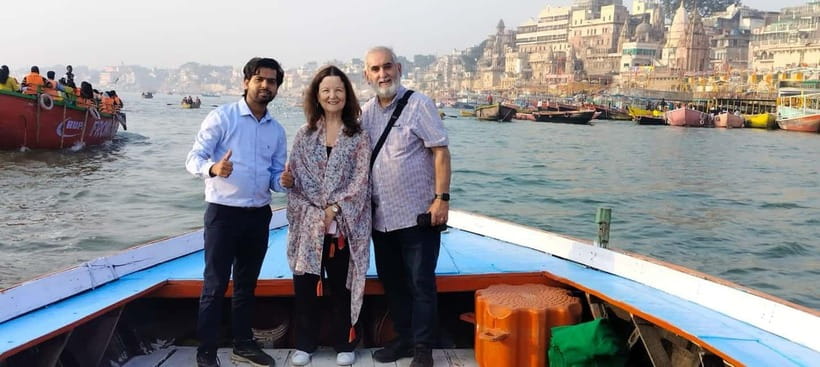
This is a private group tour with a local guide and a private vehicle with air conditioning. In a city like Varanasi, private transportation is not a luxury add-on, it’s practical. You’re bouncing between river edges, temple zones, and Sarnath, and the AC time helps you keep your energy steady.
The guide side matters even more than the car. Past experiences highlight patient, professional explanations and a guide who adjusts to your pace. Names that came up in prior bookings include Anmol and Saurabh Rajbhar, and drivers like Aman were described as calm and on time.
If you want to understand why the ghats look the way they do and how rituals fit into everyday life, this format is built for that. It’s harder to get that context when you’re moving on your own.
Timing and pace: how to make a 10-hour day feel doable
A 10-hour tour sounds like a lot until you realize it’s paced with breaks and topic changes. You get:
- A major sunrise moment early
- Guided walking and temple time in the old city
- A BHU change of pace
- A lunch and reset window
- A quieter shift to Sarnath
- A final evening ceremony at the ghats
There are also moments designed around realism. Breakfast and lunch are not forced inside the included time. You’ll have a chance to eat on your own and recover between big segments.
One more reality check: the tour is listed as not suitable for people over 70 and also says it is not suitable for wheelchair users, even though “wheelchair accessible” appears in the details. If you have mobility needs, ask directly how the walking portions are handled and what support is practical for your situation.
Price and value: what $61 per person is really buying
At about $61 per person for a 10-hour private tour, you’re paying for more than transport. You’re paying for:
- A private guide who can translate meaning, not just provide directions
- Hotel pickup and drop-off
- Air-conditioned travel across multiple zones
- A private boat ride on the Ganges
- Time in both Varanasi and Sarnath in a single day
- Bottle water and a cup of tea included
The boat alone is often the part that makes these tours feel worth it, because it gives you access to river views that don’t come from walking. The guide also reduces friction, especially in the old city where navigating can be tiring.
The main extra cost to plan for is monument fees, since they are not included. Breakfast and lunch are also own expense. If you budget modestly for those items, the rest is straightforward.
What to bring and how to prep for this kind of day
This tour specifically asks you to bring:
- A passport or ID card
- A towel
The towel can actually be useful because your day starts near water and continues with walking, temples, and evening rituals.
Also plan your clothes for a long day with sun and possible humidity. You’ll be outside for major segments, even with AC travel between them.
Who this tour is best for, and who should skip it
This is a great match if you:
- Want one-day coverage of both Varanasi highlights and Sarnath
- Prefer a private format over group hopping
- Care about understanding rituals and temple meaning, not just seeing sights
- Like a steady plan that still includes breaks
You might want to reconsider if:
- You need a very low walking day
- You’re traveling with limited tolerance for long hours
- You want a purely light, casual itinerary with no proximity to cremation areas
Should you book this full-day private Varanasi plus Sarnath tour?
I’d book it if your goal is a guided, structured introduction to Varanasi that ends with the iconic Ganga Aarti and still gives you Sarnath’s Buddhist context. The private boat, the AC transport, and the guide-led explanations are the three things that make it feel like more than a basic sightseeing day.
Before you confirm, do two quick checks:
- Make sure you’re comfortable with a long day, and you plan for walking.
- If your dates include a Friday, remember the Sarnath Archaeological Museum is closed, and adjust expectations accordingly.
If those fit your trip style, this is a strong value way to see the city with context, not confusion.
Latest reviews in from Varanasi
- Private Day Tour in Varanasi★ 5.0 · 44 reviews
- Group Yoga Class with Siddharth from Beginner to Advance★ 5.0 · 45 reviews
- Pilgrimage Varanasi★ 5.0 · 50 reviews
- Experience Varanasi Tour: 3 Days Private Guided Tour★ 5.0 · 51 reviews
- Complete tour of varanasi with official guide★ 5.0 · 51 reviews
- Varanasi Street Food Crawl (2 Hours Guided Food Tasting Tour)★ 4.5 · 69 reviews
- 3 Days Admirable Tour in Varanasi with private tour guided★ 5.0 · 72 reviews
- Photo Tour In Holy Varanasi★ 5.0 · 73 reviews
Cruises & Boat Tours, compared.
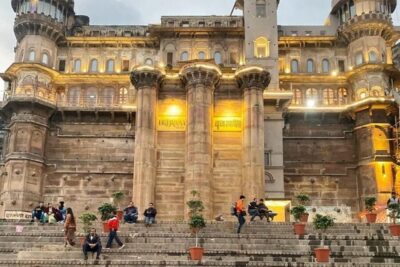
Full Day City Highlights Day Tour & Ganges Cruise
Read our review →
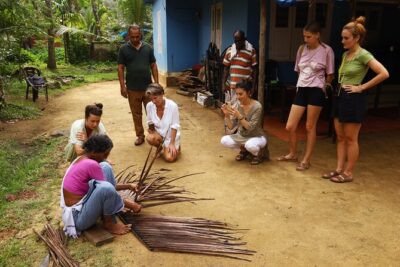
Kochi Sightseeing Tuk-Tuk Tour with Pickup From Cruise Ships
Read our review →
Kochi Tuk-Tuk Sightseeing Tour with Cruise Ship Pickup
Read our review →
Kochi Tuk-Tuk Private Tours with Pickup from Cruise Ships
Read our review →
Kochi Tuk-Tuk Tour with Pickup From Cruise Ships
Read our review →Browse the lists this tour appears in