
Reviewed · SAFARI
Jaipur: Jhalana Amagarh Leopard Reserve 4×4 Jeep Safari
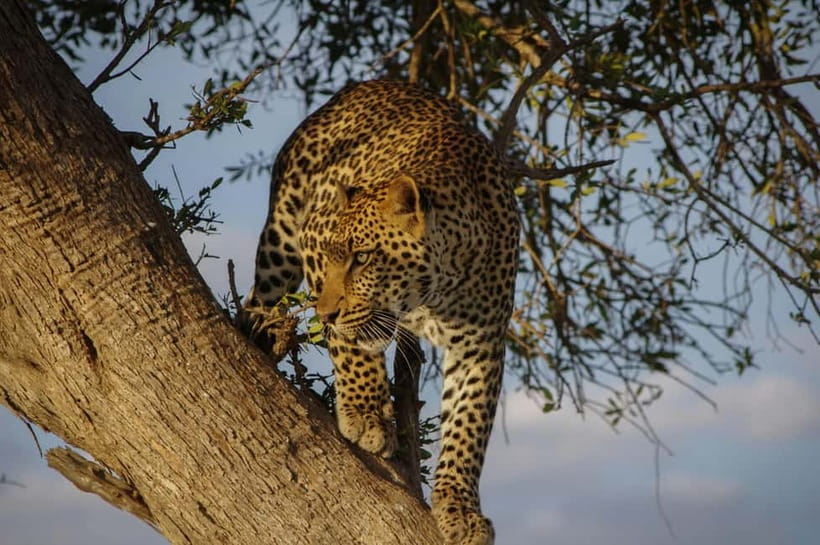
The Jhalana and Amagarh Leopard Reserve is what you want when you want wildlife without leaving Jaipur behind. It sits in the Aravali Hills close to town, and you go looking for big cats in habitat, not cages. You also get a classic off-road jeep day, with the added bonus that you might trade desert heat haze for real jungle scrub atmosphere.
I especially like that the tour handles the hard parts: air-conditioned hotel pickup and drop-off plus a timed safari inside the reserve. I also love that the wildlife list goes way beyond leopards, so even a cat-less day can still feel full. Your photos also get a real boost from good spotters who know where to stop and where to scan.
The main drawback is simple: leopard sightings are not guaranteed, and you will not get money back if you don’t see one. That matters if you’re planning this as your one big wildlife goal.
Key highlights that make this safari worth your time
- Jhalana-Amagarh is a true leopard reserve inside Jaipur reach, with more than 70 leopards and cubs reported
- 4×4 jeep drives you off-road on rugged terrain for better wildlife viewing and more natural stalking-like moments
- Private transport pickup and drop-off in an air-conditioned vehicle keeps your day low-stress
- Guides work hard on sightings, and many hunts end with hyenas, deer, foxes, birds, and surprise cat moments
- Photo-friendly positioning happens when leopards show up, especially around watering spots
- Optional stops like Elephant Village Park can add time, but elephant-related add-ons are not automatically included
Why the Jhalana-Amagarh Leopard Reserve feels different from a Jaipur zoo
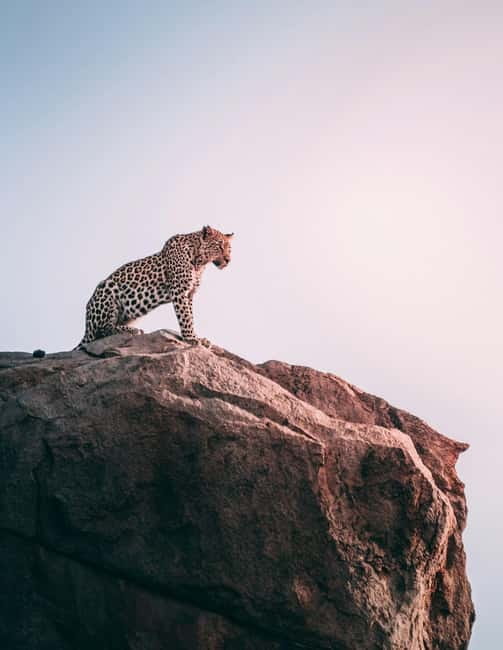
If you picture Jaipur wildlife as mostly elephants, forts, and camels, this safari changes the tone fast. The reserve is India’s first leopard reserve located in Jaipur city, wrapped by the Aravali Hills, one of the oldest mountain ranges in India. You are essentially stepping into a living ecosystem that feels closer to nature than to a performance.
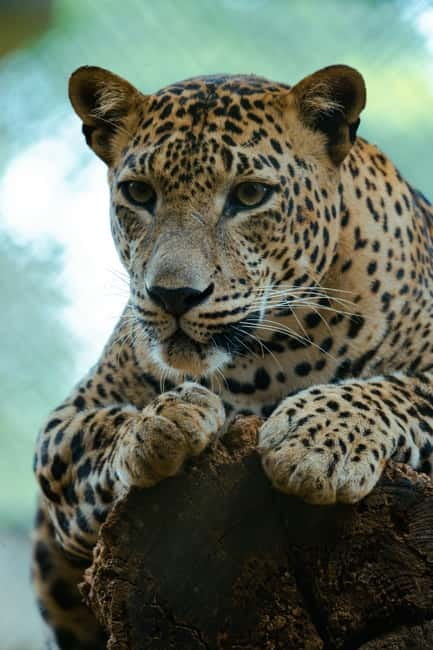
The reserve is reported to host 70+ leopards and 5 cubs, which is exactly why this outing exists. And it is not only about leopards. You can realistically spot other species such as striped hyenas, Indian civets, desert cats and jungle cats, desert foxes, jackals, porcupines, monitor lizards, mongooses, and lots of smaller life that comes with healthy habitat.
That mix is what makes the day work even when the big cat slot goes quiet. You get a chance to watch the smaller dramas, the dart-and-freeze moments, and the birds that signal where animals have been moving. I like that this safari rewards patience, not just luck.
Line these Jaipur options up side by side
- Jhalana Panther Safari Park Tour in Jaipur
★ 4.5 · 127 reviews - Ranthambore Tiger Safari from Jaipur – 1 or 2 Days
★ 5.0 · 88 reviews - Ranthambore Tiger Safari Day trip from Jaipur – All Inclusive
★ 4.5 · 87 reviews
Getting there in comfort: pickup, jeep safari, and the rhythm of the day
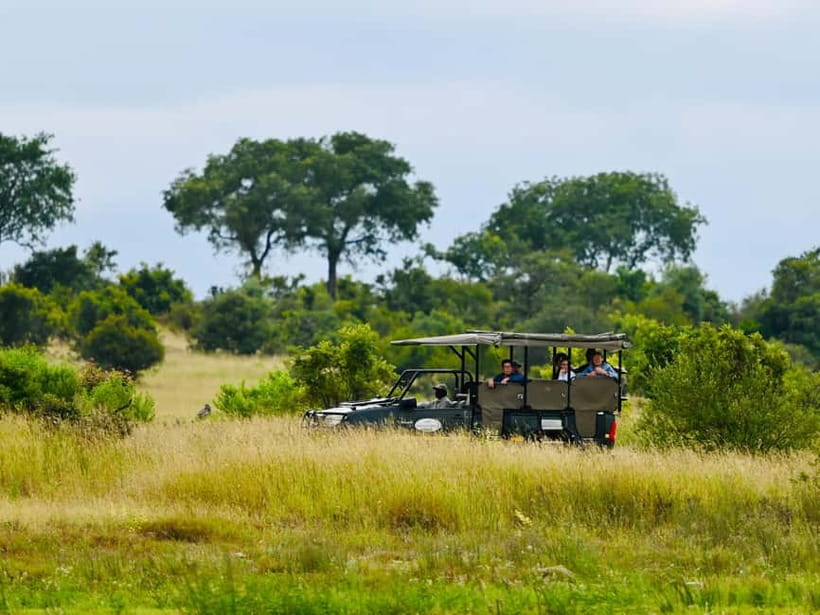
The tour is built around convenience. You get pickup from your hotel or any location in Jaipur in an air-conditioned vehicle, then you return the same way after the safari. It is private, so you are not stuck sharing the stress of meeting points with strangers who arrive late.
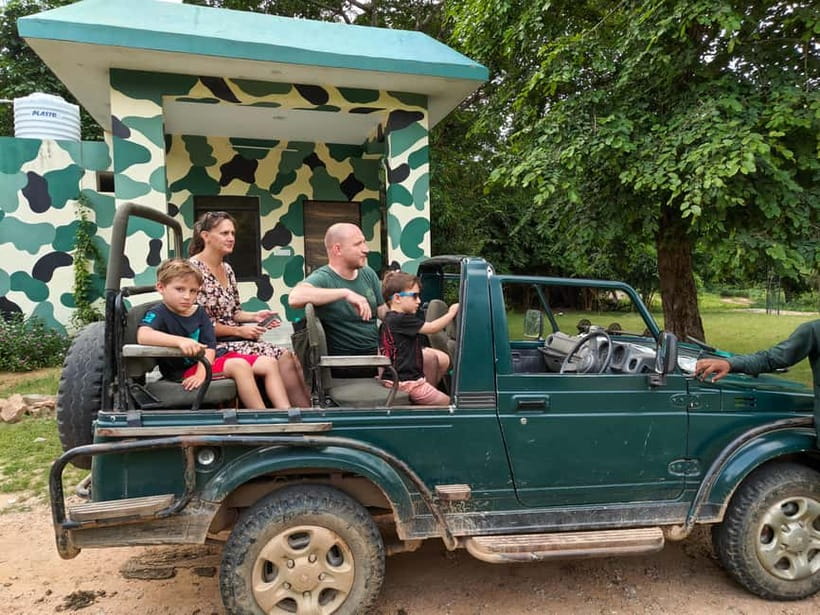
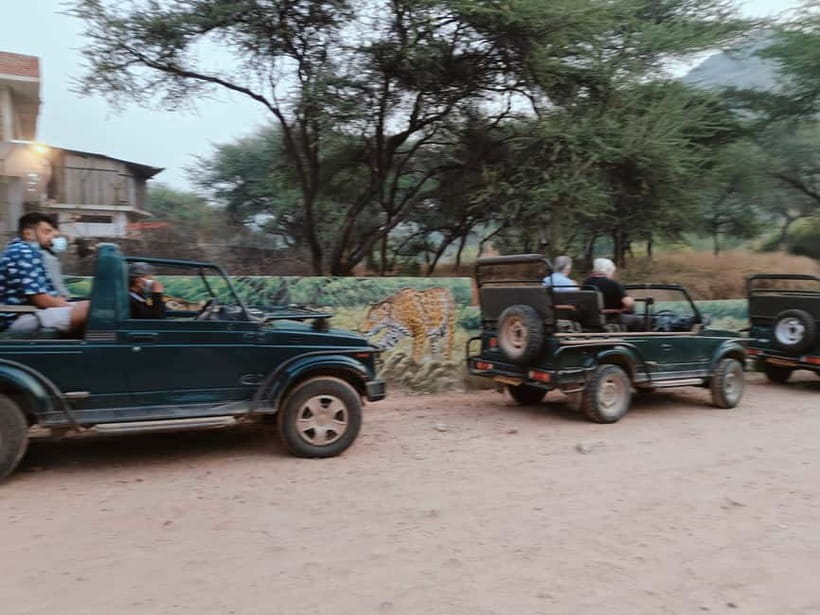
Inside the reserve, the safari is done in a 4×4 jeep, often a Gypsy-style vehicle if you choose that option. The total safari time is about 2:15 to 2:45 hours, and that window is long enough to drive, stop, scan, and circle when sightings pop up. You are also given entrance charges and tolls covered, plus a water bottle, which keeps small expenses from sneaking in.
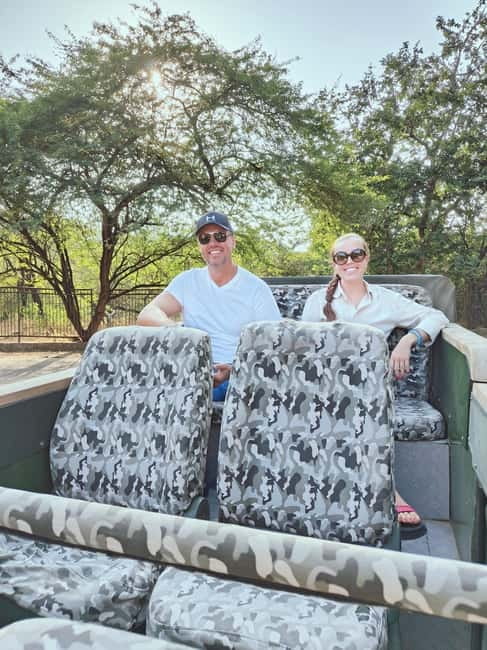
Two practical notes I would watch for. First, jeep space can be tight. One review flagged limited room with SUV seating for three people per row, which can matter if you are tall or packed with camera gear. Second, timing choices change the feel of the day. Multiple safari-goers found that early morning can be very cold in winter, even if Jaipur feels warm in the city.
If you want a smoother day overall, pick a start time that matches your comfort level with cold mornings or longer waiting in the late afternoon light. This is a wildlife safari, so “rush” is not really the style. It is more about showing up, staying flexible, and giving the guide time to work.
What you can spot besides leopards in Jhalana-Amagarh
Let’s be honest, leopards are the headline. But the reserve is also packed with other mammals, reptiles, and birds, and that is a big part of the value. The tour information lists a strong range, including sambar deer, chital (spotted deer), blue bull (nilgai), striped hyenas, desert foxes, jackals, porcupines, and mongooses.
The reviews back up how “real” the day can be without a guaranteed big cat. People reported seeing hyenas, peacocks, spotted deer, antelope, wild boar, and multiple bird species. One highlight that stood out is striped hyena, which is a rare and special sighting when it happens. Another common theme is that even when leopards do not show, you still get plenty of motion and wildlife activity around the reserve.
You should also expect to notice smaller reptiles and life. The tour notes include monitor lizards and snakes. That matters because it changes how you watch. You start scanning not only for “big cat shapes,” but also for movement in brush, rustling near water, and quick streaks across open ground.
If you enjoy wildlife photography or birding style watching, you are set up to have fun no matter what the leopard outcome is. If leopards are your only acceptable outcome, then plan your mindset accordingly, because the reserve itself controls what you see.
The safari hunt: how a 4×4 works when cats are hiding
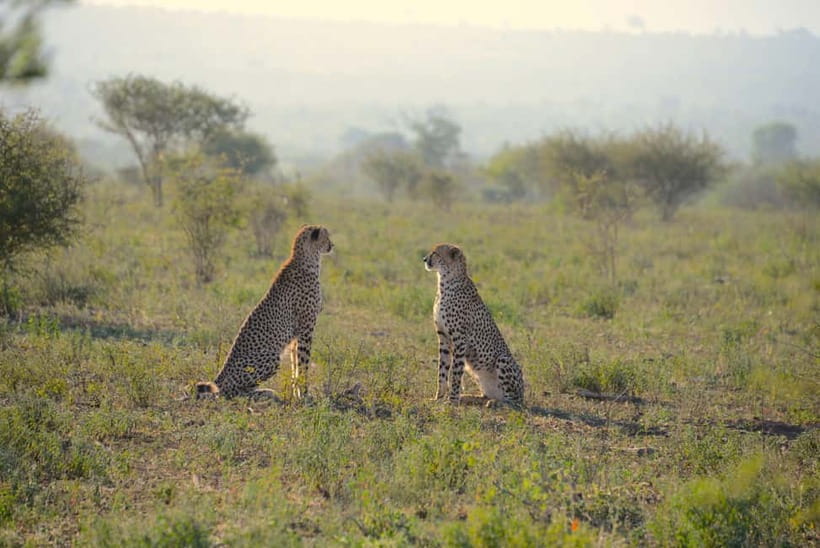
A leopard safari is a patience game. The reserve experience here runs on scanning plus quick repositioning. Guides and drivers look for signs, then they drive to likely zones, stop, and wait for the animal to decide it is time to appear.
In several accounts, the guide actively tried hard to locate leopards even when sightings had been slow. Names that came up include Vinay, Yogesh, Ashok, Ganesh, Bhusan, Uday, and Mr Singh, with drivers like Rajendra and others also mentioned. What I take from that pattern is that the best days are usually about teamwork: a driver who can read the terrain and a guide who can spot through scrub.
How you will feel during the safari depends on the animal tempo. Sometimes it is steady wildlife viewing for the whole drive. Other times you might spend a longer stretch at one spot waiting for a cat to move. One sunset-focused outing described long waiting, followed by the surprise of leopards when the group moved again. That’s not a promise, but it shows the logic: when animals are active, timing and repositioning can matter.
If leopards show up, positioning becomes everything. Multiple safari-goers talked about being placed where they could see clearly, and in some cases, even get close enough for memorable phone photos. If you go, give your guide the space and attention to do the job, then you will benefit from better viewing angles.
A different shape of Jaipur day:
- Jaipur: Private Full Day Sightseeing Tour By Car with Guide
★ 4.9 · 1,839 reviews - 3-Hour Morning Bike Tour of Jaipur
★ 5.0 · 1,253 reviews - Jaipur: Private Full-Day Sightseeing Tour by Tuk-Tuk
★ 4.8 · 573 reviews - Jaipur: Full-Day City Tour with Car, Guide & Skip-the-Line
★ 4.8 · 512 reviews
Photo tips that actually help in scrub country
You do not need fancy gear to get good wildlife photos here, but you do need the right habits. First, bring a camera and binoculars, because you will likely spot the “maybe” animals before you can confirm them. Binoculars help you read distance and movement, which saves you time from chasing what turns out to be just a bush shadow.
Second, expect waiting. Waiting means your hands get cold, your patience gets tested, and your shots improve if you stay ready. One tip repeatedly mentioned: in late February and winter starts, you can be surprised by how cold it gets on the safari even if the city feels warmer. Bring jumpers or jackets, and if you have a hat, pack it. It will keep you comfortable through the long scan-and-wait rhythm.
Third, plan for uneven light. The reserve is dry scrub and open pockets, so animals may appear suddenly in shade or harsh sun. If you shoot on your phone, switch to the best available camera mode you have, then use your eyes to frame first. When leopards appear near watering holes, you can get cleaner, more stable shots if you stand still and let the guide position the vehicle.
Finally, do not ignore birds. Peacocks and other birds were repeatedly mentioned, and birds can be easier “wins” that keep the day satisfying when big cats stay out of view.
Optional Elephant Village Park: how to add time without disappointment
This safari can include an Elephant Village Park visit if you select that option. It is listed as included in the tour options, but the important note is that activities with elephants are not included. In practice, that means you might be able to visit the area and choose activities separately, depending on what the on-site setup offers.
Some people described the elephant add-on experience as overpriced and frustrating when they wanted only a lighter walk-around. Others seemed to like the idea and enjoyed the stop. I would treat this part like a menu, not a fixed benefit.
Here is my practical advice: if you choose the Elephant Village Park option, ask what is included before you pay any extras on site. If you want interaction or specific activities, confirm the costs and the exact format. If you prefer simply seeing and walking around, make that clear early so you do not get pushed into expensive upgrades you did not plan for.
Timing in Jaipur: why mornings can be cold and sunsets can pay off
The tour duration varies from 3.5 to 8 hours, so your start time really matters. One clear pattern from winter outings is that early morning tours can be very cold, especially once you are out on the reserve drive. That cold also affects animal behavior in a way you will feel during the hunt, because leopards might not be as active at certain hours.
Sunset and late-afternoon outings showed up with strong leopard memories for some people. One highlight described seeing a leopard at sunset at a watering hole after patience and careful watching. Another person recommended the afternoon in winter because mornings had hardly any sightings among their jeep group.
You should not read this as a guarantee, but it is a useful rule of thumb. If you hate cold and do not want to bundle up, you may be happier in a later start that still gives you good light. If you can handle cold, early driving can be calm and productive, and your guide may still find other wildlife even if leopards are elusive.
Price and value around $60: what you are really paying for
At about $60 per person, the price can feel reasonable or slightly high depending on how you travel. Here is what you actually get for that cost based on what is included.
You pay for hotel pickup and drop-off in a private air-conditioned vehicle, plus the reserve entrance charges. You also get the 4×4 safari in a jeep, toll and parking charges, taxes, and a water bottle. There is also a separate entrance for skipping lines, which saves time and friction.
What you do not get is food and drinks, and any personal expenses. Elephant-related activities also are not included. That means you should budget for a drink and a snack, or at least plan your meal timing.
Is it cheaper to DIY? One comment shared that entrance fees at the reserve could be low and a taxi might be an option if you are on a budget. That could work if you are comfortable organizing transport and a jeep experience yourself. But the value of this tour is that it removes the “who books what” uncertainty and adds on-the-ground help during the search, including repositioning and photo-friendly stopping.
If your goal is wildlife time with minimal hassle, the $60 often makes sense. If your goal is maximum savings and you already know how to arrange jeep safari logistics, you might compare costs.
Who should book this safari, and who should skip it
This experience is best for people who want a real wildlife day from Jaipur and you are okay with the reality of animal sightings. If you love photography, bird watching, and scanning scrub terrain, you will probably enjoy the day even when the leopard does not show.
It also fits solo travelers. One person specifically said they felt safe on the outing. That is not a guarantee for everyone, but the fact that many pickups and safaris run smoothly suggests the logistics are solid.
Who should consider skipping? If you have animal allergies, this is not suitable. Also, if you are the kind of traveler who gets upset when a reserve animal does not appear, you should rethink the leopard-first mindset, because the tour itself states leopard sightings cannot be guaranteed and no refund applies if you do not see one.
Final call: should you book the Jaipur Jhalana-Amagarh leopard jeep safari?
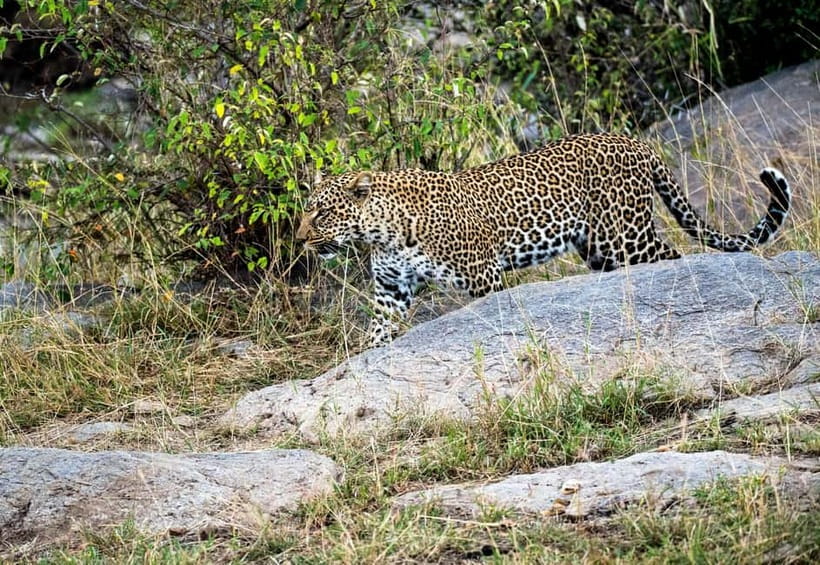
I think you should book this if you want a practical, city-close wildlife day with strong odds of seeing something interesting. The best-case scenario includes leopard sightings, and the common-case scenario still includes hyenas, deer, birds, and lots of wildlife activity that makes the drive feel like more than a checklist.
Book it with the right expectations. The reserve is alive, and leopards are not a vending machine. If you want comfort, the pickup and jeep setup is a big plus. If you want photos, bring your camera and binoculars and plan on waiting, not sprinting.
If you are considering the Elephant Village Park option, treat it like add-on spending you should question before you say yes. And if leopards are the only thing you care about, keep a backup activity in mind for the day, so you leave Jaipur happy even on a cat-less safari.
FAQ
How long is the safari inside the Jhalana/Amagarh reserve?
The total safari time is about 2:15 to 2:45 hours, with the overall tour lasting 3.5 to 8 hours depending on the start time and options.
Do I get hotel pickup and drop-off?
Yes. The tour includes hotel pickup and drop-off by private vehicle in an air-conditioned vehicle, and they can also pick you up from any location in Jaipur and drop you back at the same place after the safari.
Is a leopard sighting guaranteed?
No. Leopard sightings cannot be guaranteed, and money is not refunded if leopards are not seen.
What animals can I expect to see?
Besides leopards and leopard cubs, you may see striped hyenas, Indian civets, desert cats and jungle cats, desert foxes, jackals, porcupines, monitor lizards, mongooses, sambar deer, chital (spotted deer), blue bull (nilgai), and various snakes and birds.
Are elephant activities included?
No. Elephant Village Park visit is optional and may be included, but activity with elephants is not included.
What do I need to send after booking?
After booking, you need to send your passport details via WhatsApp or email to obtain entry into the park.
What should I bring, and what is not allowed?
Bring a camera, water, comfortable clothes, and binoculars. Smoking is not allowed.
Latest reviews in from Jaipur
- Jaipur Full-Day Tour by Car with Govt Guide★ 5.0 · 43 reviews
- Taj Mahal Tour from Jaipur by Car – Private Day Trip★ 5.0 · 43 reviews
- Jaipur Car tour with English driver★ 5.0 · 44 reviews
- Pushkar Day Trip from Jaipur – Private Car, Safari, Guide & Lunch★ 4.5 · 45 reviews
- Jaipur Private Full Day Tour w/ AC Car & Guide (Eng, Esp, Fr, It)★ 5.0 · 47 reviews
- Golden Triangle Tours★ 5.0 · 47 reviews
- Jaipur Day Tour★ 5.0 · 47 reviews
- Same Day Jaipur Tour By Car★ 5.0 · 47 reviews
Safari, compared.
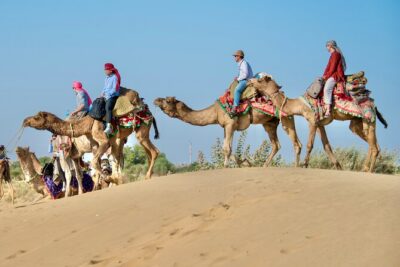
Overnight Camel Safari – Sleeping under the Stars
Read our review →
Pleasant Non-Touristic Overnight Camel Safari (From 2:00 PM to Approx. 10:30AM)
Read our review →Browse the lists this tour appears in