
Reviewed · MUMBAI TOURS
“Private Mumbai Kanheri Caves Tour : A Buddhist Settlement”
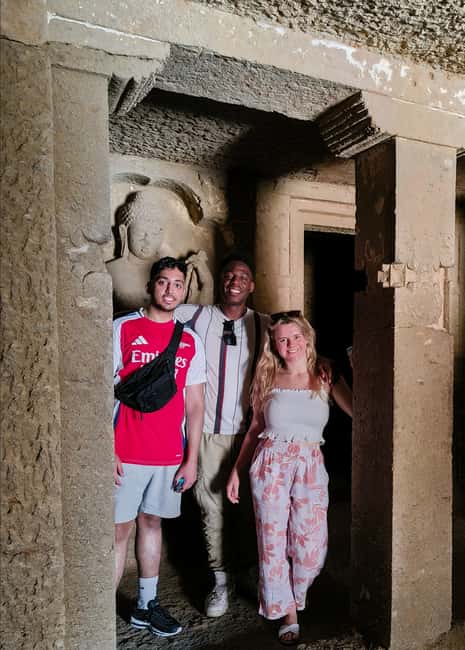
What makes the private Kanheri Caves tour special is the chance to walk through a Buddhist rock-cut settlement tucked inside Mumbai’s biggest green space, Sanjay Gandhi National Park. I especially like the Kanheri Caves for their sculptures, reliefs, paintings, and inscriptions that span centuries, and I like the way the guide, often Ravi, turns the carvings into real stories. One catch: meals are not included, so plan a snack or plan to eat after you return to the park gate.
The route is half the fun. After you meet at the park entrance gate, you ride a local bus about 8 km toward the cave area, with deer, monkeys, and other park wildlife possible along the way. If the day is clear, you’ll also get a panoramic view of the city from the top of the mountain near the caves.
This is a private tour format with an English or Hindi guide, so you can ask questions and move at a comfortable pace through the cave complex. Just note that it is not suitable for pregnant women, and you’ll want sturdy shoes for the uneven rock paths.
Key highlights you should care about
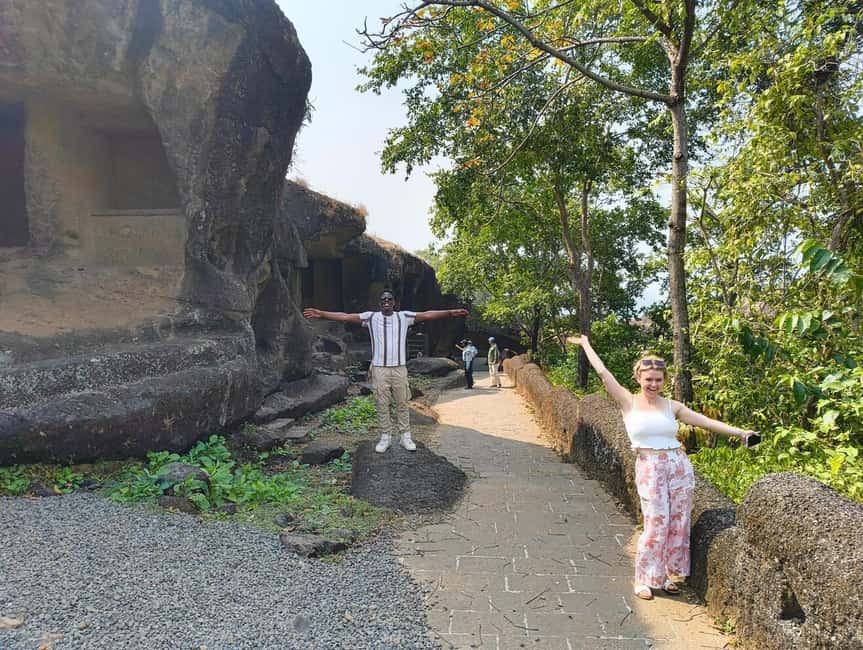
- Buddhist art across many centuries, with carvings, sculptures, paintings, and inscriptions you can actually read in context
- A guide who manages the details, like keeping the pace steady and answering questions patiently, often led by Ravi or Kavita
- Sanjay Gandhi National Park wildlife moments, with animals you may spot on the way into the caves
- Rock-cut caves used for real daily needs, including meditation, shelter, learning, and meeting spaces
- A city view from up high, so the experience is not only history, it’s also scenery
Kanheri Caves in Sanjay Gandhi National Park: a real Buddhist settlement
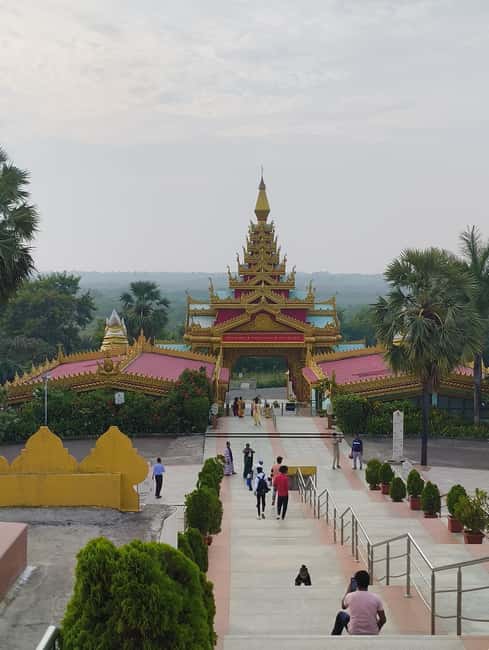
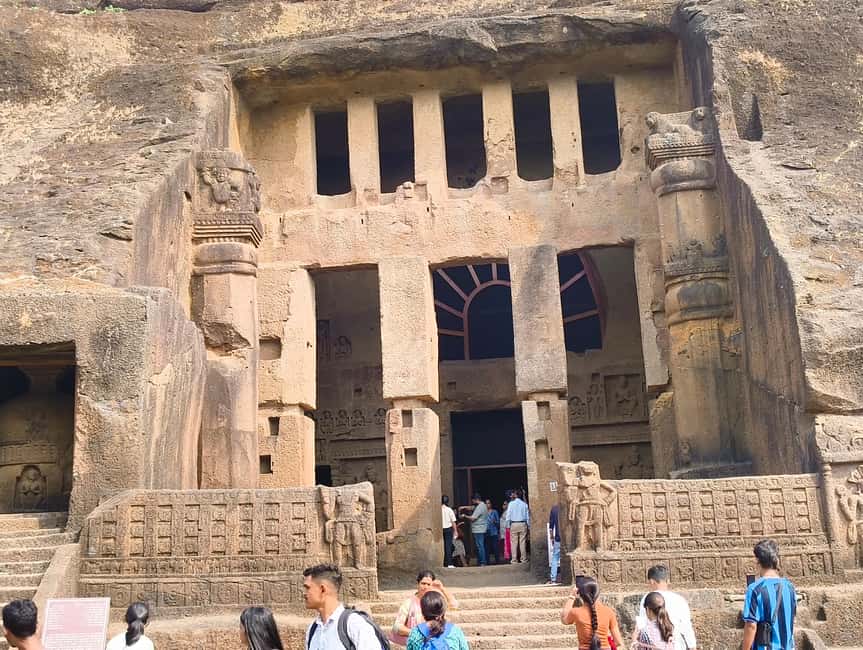
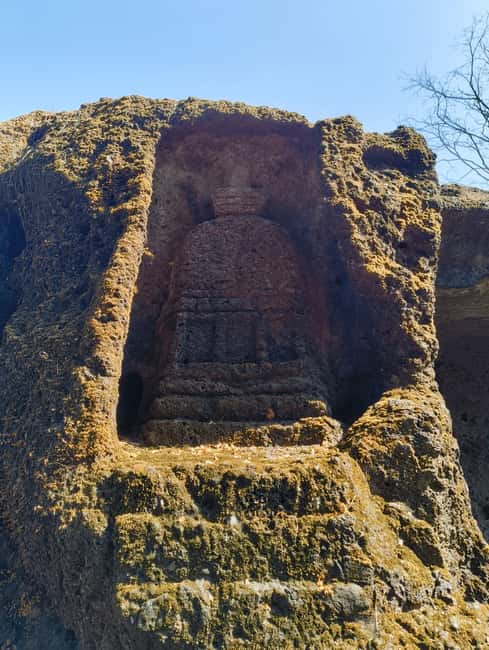
Kanheri Caves are not a single church-in-a-movie set. They are a whole rock-cut complex built by Buddhist monks over long stretches of time. The result is a place where you can move from one carved room to the next and feel how spiritual practice, study, and daily routine all happened in the same setting.
What I like most is how the caves are presented as lived spaces, not museum props. You’re walking through areas tied to meditation and reflection, plus spots connected to shelter, meetings, and learning. That makes the sculptures and wall art feel less like decoration and more like communication, a way to teach beliefs and preserve memory across generations.
And because these caves sit inside a functioning national park, the setting does something practical for you. It slows you down. Even if Mumbai is roaring outside, you’re moving through shade, greenery, and the kind of quiet that makes ancient carvings easier to appreciate.
Line these Mumbai options up side by side
- Dharavi slum tour in Mumbai by Female tour guides of the slum
★ 5.0 · 1,976 reviews - Mumbai: Full-Day Sightseeing Tour of Mumbai
★ 4.9 · 1,822 reviews - Private Mumbai Sightseeing Tour (Traveller’s Choice Award Winner)
★ 5.0 · 1,565 reviews
Meeting at the park entrance gate and getting to the caves
Your tour starts at the entrance gate of the national park and ends back there. That matters because you are not guessing logistics or stitching together separate tickets and transport.
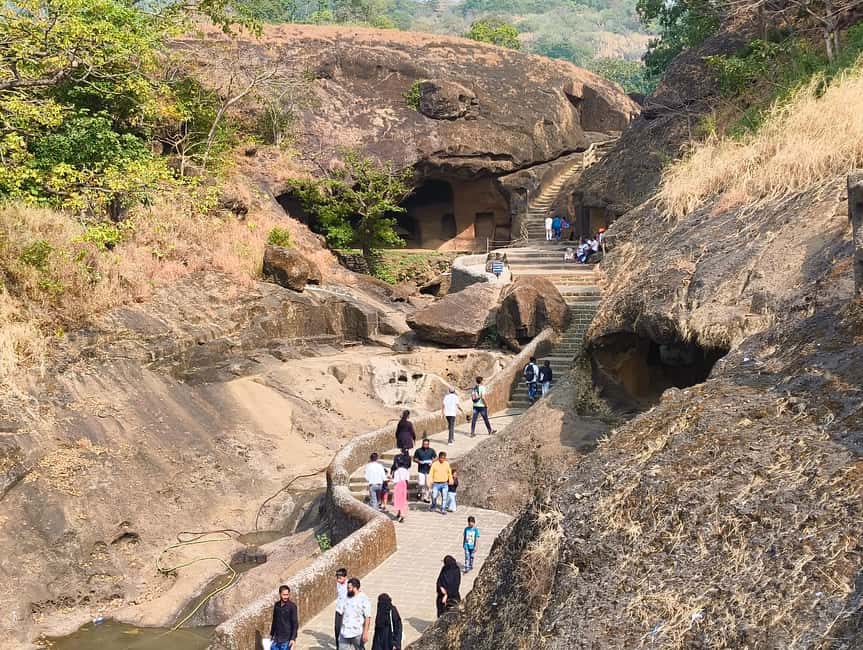
From the gate, the guide takes you into the park and then you travel to the caves area, about 8 km from the main gate. The ride is by local bus. I like this setup because it keeps the experience focused. You spend less time figuring out the route and more time actually reaching the caves before the hottest part of the day.
Once you reach the cave entrance, the guide leads you through the cave complex. You’re not wandering alone, trying to interpret symbols and carvings on your own. In the best visits, the guide’s pacing also helps you avoid that common problem of spending too little time at the most important panels.
For a planning tip: treat this as a half-day style experience. Wear shoes you can trust, because even when the route is guided, the stone can be uneven.
Rock-cut Buddhist art: sculptures, relief carvings, paintings, and inscriptions
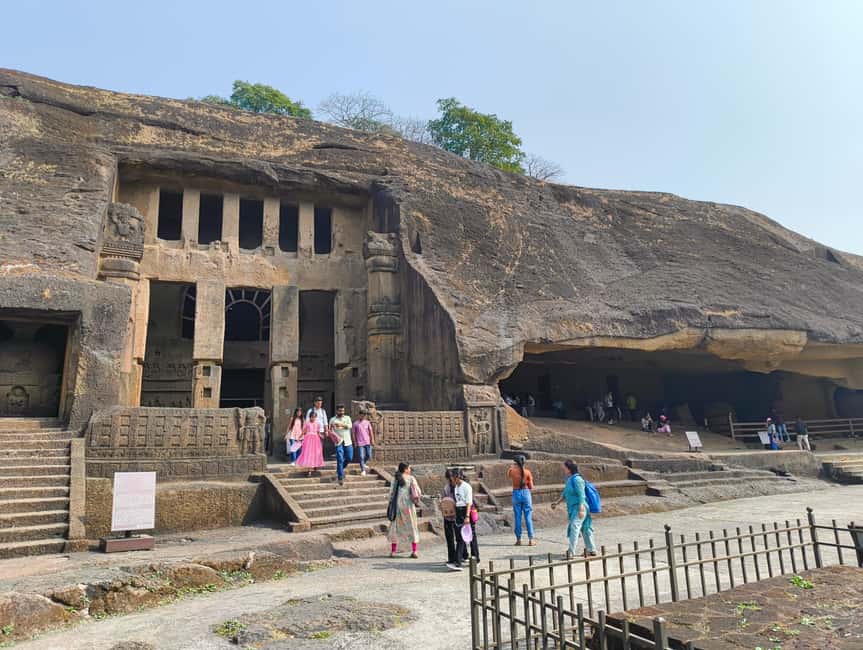
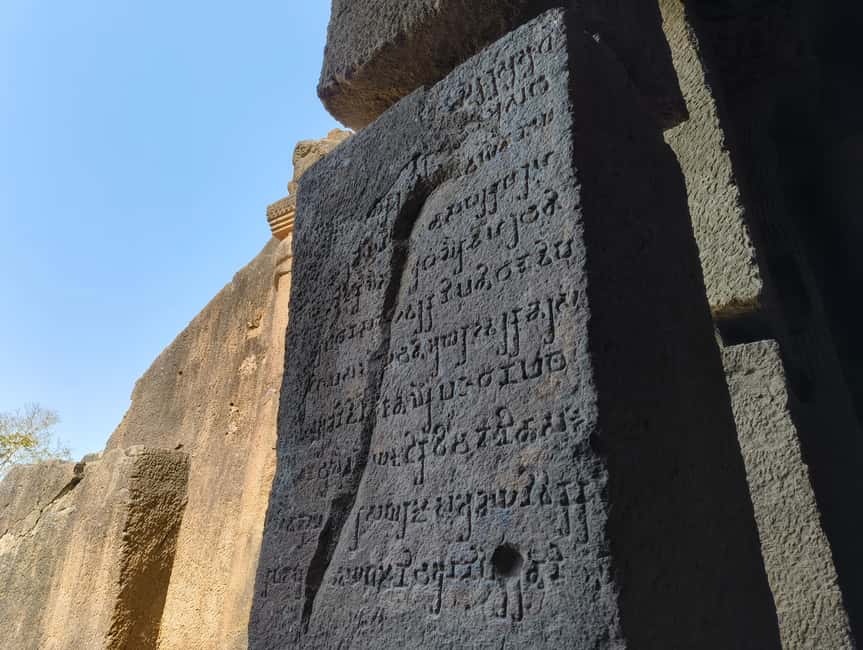
Kanheri is famous for rock-cut work that survived for centuries, and this tour keeps you close to what makes it special: the art. You’ll see Buddhist sculptures, relief carvings, paintings, and inscriptions, with the cave art presented as spanning roughly 100 BCE to 1000 CE.
Here’s what that means for you in practical terms. You’re not just looking at one era’s style. You’re seeing how artistic techniques and religious messaging evolved over time. The guide helps connect what you see to the idea of Buddhism as practiced daily, not just studied in textbooks.
The best part is how the tour invites you to do more than a quick visual scan. The guide shares lots of fascinating facts and keeps answering questions. That is how the carvings become readable. When you know what to look for, a relief panel can turn into a mini story, and a series of wall marks can start to feel like an organized teaching message.
If you plan to take photos, do it with intention. Spend an extra minute at the panels the guide points out most clearly. Some details can be subtle, and the right lighting from the cave openings can make a difference.
Inside the caves: meditation, shelter, learning, and meetings
One of the stronger values of this tour is the way the cave complex is explained as a functional Buddhist settlement. The caves were used for meditation and shelter, but also for learning and meeting. That mix is important, because it changes the tone of your visit.
Instead of treating the caves as isolated “rooms of art,” you experience them as connected spaces. You might see how one area could fit reflection and quiet, while another could support instruction or gatherings. That framing makes the carvings and inscriptions feel purposeful, like part of an organized community.
It also helps you appreciate why multiple sections exist within the same overall site. When a place is built for many types of activities, you tend to get clusters of similar spaces, plus variations that match evolving needs. Even if you don’t know the symbols by heart, the guide’s explanations help you see the logic.
If you care about culture and spirituality, this part is the payoff. It’s not just sightseeing. You leave with a clearer idea of how these caves functioned as a community over a long span of time.
A different shape of Mumbai day:
- Elephanta Caves & Island Guided Private Tour
★ 5.0 · 1,327 reviews - Group Guided Walking Tour in Fort and Colaba
★ 5.0 · 1,073 reviews - Mumbai: Elephanta Caves Half-Day Guided Tour with Expert
★ 4.8 · 1,032 reviews - Highlights of Mumbai Sightseeing Tour: TRAVELLERS CHOICE AWARDED
★ 5.0 · 915 reviews
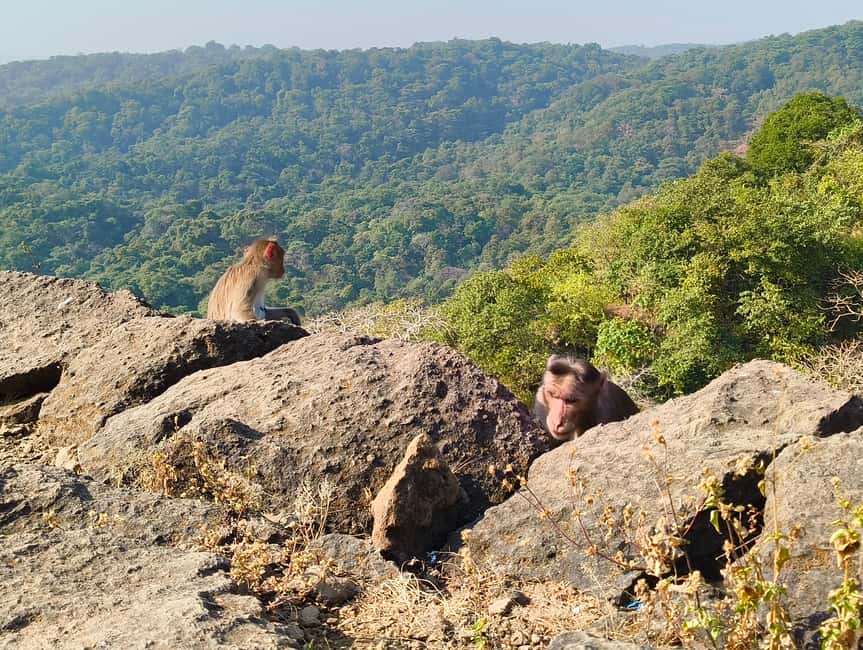
Sanjay Gandhi National Park on the way in: deer, monkeys, and flying foxes
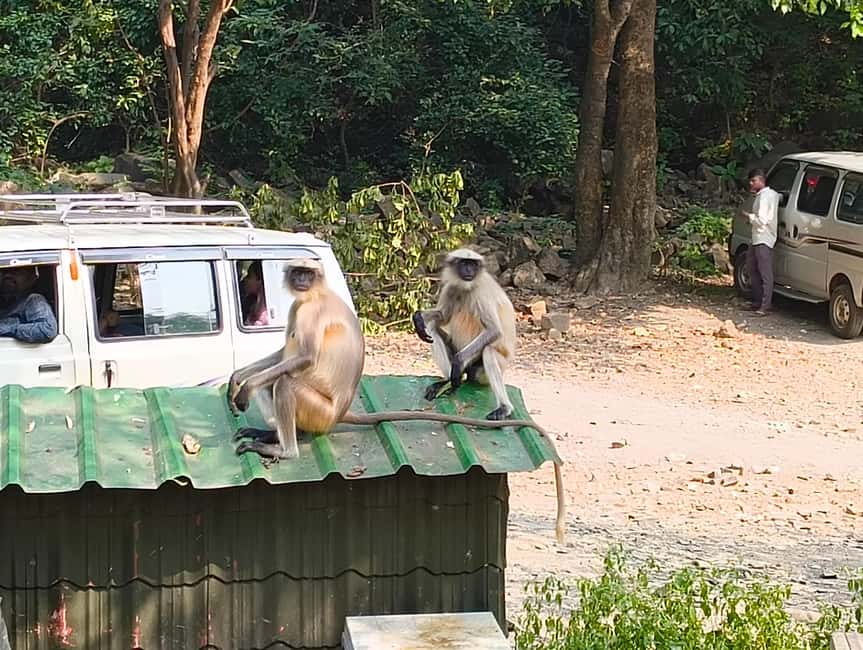
This is not only a cave tour. It’s also a national park walk-and-ride experience. From the park entrance, you go toward the caves by local bus, and along the way you encounter the environment, plus opportunities to spot wildlife.
The tour information and wildlife list point to animals such as deer, monkeys, flying foxes, and even lions. Important note: you cannot count on seeing a specific species. But you can count on the chance. Even if wildlife is light, the park setting still gives you a welcome break from the city.
Why it matters for your trip decision: it makes the day more interesting for people who might feel caves are “just stone.” The wildlife possibility adds a layer of movement and surprise, and it supports the calm, nature-forward feel of the overall experience.
If you like photography, watch for quick moments near the road or shaded edges as the bus moves. Keep your expectations realistic, stay respectful around animals, and let your guide handle any safety considerations.
Panoramic city views from the mountain top
A highlight built into this experience is the panoramic view of the city from the top of the mountain near the caves. That’s a smart design choice for your day, because it gives you contrast.
First you’re in the cool, detailed world of carvings and inscriptions. Then you climb to a viewpoint and see the wider Mumbai setting. That helps you mentally map where you are, and it gives the trip more emotional variety than a straight history stop.
If the weather is humid or hazy, the view may feel softer. That said, even on less-than-perfect days, the viewpoint is worth it because it helps you understand the caves’ location inside the park and how close the city is.
Bring your phone or camera, but also take a moment to look without framing it. The goal here is perspective, not just pixels.
What the private guide adds, especially Ravi and Kavita
The tour’s quality is tightly linked to the guide. The strongest praise centers on how much information the guide shares and how easy it is to ask questions.
Ravi is repeatedly highlighted as excellent, friendly, and very skilled at explaining cave history with patience. In hot weather, he’s also noted for taking care of basic needs, like ensuring you have plenty of drink water. That kind of practical attentiveness matters more than people think, because it keeps the visit comfortable and focused.
Kavita also receives standout mentions for charm, strong knowledge, and a terrific pace, plus accommodating when someone is late. That tells me the tour works even when your schedule shifts slightly, as long as you’re communicating.
The private format is the real advantage here. You’re not stuck with a rigid script. You can ask about what you’re seeing, and you can adjust your pace based on interest, energy, or time.
If you want the caves to feel meaningful, not overwhelming, choose the guide who matches your style, question-heavy or more laid-back. In this setup, both ways should work.
Comfort, what to bring, and what to avoid
You only need a few things to have a smoother visit. The main recommendation is comfortable shoes. You’ll be walking through the cave area, and the ground is stone, uneven, and sometimes slippery depending on conditions.
Water is handled for you with packaged bottled water included. That helps, especially because the park can be warm, and caves are not always cool in the middle of the day.
Other rules to plan around: pets are not allowed. And the tour is not suitable for pregnant women. If either of those points applies to you, it’s worth rethinking this specific outing.
For photos and enjoyment, wear breathable clothing. You can’t control the weather, but you can control comfort. If you’re prone to getting tired on uneven paths, go slower than you think you need. The guide can keep you on track without rushing.
Price at $45 per person: where the value really comes from
At $45 per person, the price is fairly reasonable for a private, guided experience in a major Mumbai natural area. The value comes from three places:
1) All entry tickets and transport fees are included, so you are not doing a late-night math puzzle or dealing with multiple separate payments.
2) A guide is included, and the guide time is the difference between “I saw caves” and “I understand what I saw.” The repeated praise for Ravi and Kavita shows that the explanations are not generic.
3) You get pick-up and drop-off if you choose that option, plus bottled water. Those small services reduce friction and let you focus on the actual site.
Meals are not included, so you should treat this as a plan-ahead moment. Eat beforehand or plan food after you return to the park entrance gate. If you’re hungry and you didn’t plan, the day can feel longer than it needs to.
Also, the tour supports a flexible booking approach. Reserve and pay later is available, which is helpful if you’re still finalizing your Mumbai schedule.
Timing and pacing: how to plan your day around the caves
Because the tour ends back at the park entrance gate, it fits nicely into a day with other Mumbai sights. The cave complex is the main event, but the bus ride and potential wildlife sightings add movement, so you’re not stuck in a single spot for hours.
Pace is a big deal in cave sites. Too fast and you miss the art. Too slow and it becomes exhausting. The guide role here is to keep you moving while letting you stop at the most important carvings and inscriptions. That’s why the consistent praise about good pacing matters. It means the visit should feel balanced rather than rushed.
If you’re going with kids, this kind of structured guide-led route often works well, because someone is always explaining what you’re looking at and keeping the group together.
My practical advice: schedule this earlier or later in your day based on heat. The tour information flags warmth, and water is included, but comfort still depends on the time you choose. Bring a light layer for sun and shade shifts, and keep your camera ready for the mountain view.
Who should book this private Kanheri Caves tour
This tour is a strong fit if you want a guided, culturally focused visit with real context. It’s especially good for:
- Anyone who enjoys Buddhist art and wants help interpreting sculptures, reliefs, paintings, and inscriptions
- People who like nature added to history, thanks to Sanjay Gandhi National Park and the wildlife possibility
- Visitors who prefer not to manage transport and tickets on their own
- Travelers who value a guide who can answer questions and keep a steady pace
It may not be the best choice if you are looking for a totally low-walking, fully accessible outing. The walking through cave areas and the uneven ground make sturdy shoes essential, and pregnant women are explicitly not suitable.
Should you book it? The decision checklist
Book this tour if you want a guided Kanheri experience that balances Buddhist art, practical cave context, and a park setting with wildlife chances and city views. With guides like Ravi and Kavita, the big selling point is the human part, the way the explanations and pace shape how much you get out of the carvings.
Skip it or reconsider if meals are a deal-breaker for you, since none are included. Also reconsider if your group includes someone who cannot do uneven stone paths, or if pregnancy applies.
If you’re visiting Mumbai and you want one experience that connects culture to place, this is a solid choice. It’s not just old rocks. With the right guide, it becomes a clear story you can walk through.
FAQ
Where does the private Kanheri Caves tour start and end?
The tour starts at the entrance gate of the national park and ends back at the same meeting point.
What’s included in the tour price?
You get an English speaking guide, all entry tickets and transport fees, and packaged bottled water. Pick-up and drop-off are included if you select that option.
Is meals included?
No. Meals are not included in the tour.
How do you get from the park gate to the caves?
You travel from the park entrance toward the caves area by local bus, since the caves are about 8 km from the main gate.
What do I see at the Kanheri Caves?
You explore Buddhist rock-cut caves with sculptures, relief carvings, paintings, and inscriptions. The artworks are presented as dating from roughly 100 BCE to 1000 CE.
What should I bring and wear?
Wear comfortable shoes. That’s the main item recommended for the cave walking.
Is the tour suitable for everyone?
The tour is not suitable for pregnant women. Pets are also not allowed.
Latest reviews in from Mumbai
- Mumbai Spice Markets and Bazaars Tour with Guide and Transport★ 5.0 · 42 reviews
- Mumbai Dharavi Slum, Dhobi Ghat & Dabbawala Lunchbox Tour★ 5.0 · 43 reviews
- Private Dharavi Slum Tour with Mumbai Sightseeing★ 5.0 · 43 reviews
- Private Guided Tour in Kanheri Cave with Transfers★ 5.0 · 44 reviews
- Private Guided Walking Tour in Dharavi Slums★ 5.0 · 44 reviews
- Bollywood Tour with Original founder★ 4.5 · 44 reviews
- Mumbai Private Cultural Tour with Lunch and Transport★ 5.0 · 44 reviews
- Unveiling Bollywood: Grand Tour of Iconic Real Sets & Their Story★ 4.5 · 44 reviews
Mumbai Tours, compared.

Dharavi slum tour in Mumbai by Female tour guides of the slum
Read our review →
Private Mumbai Sightseeing Tour (Traveller’s Choice Award Winner)
Read our review →
Elephanta Caves Half-Day Guided Tour with Expert
Read our review →
Highlights of Mumbai Sightseeing Tour: TRAVELLERS CHOICE AWARDED
Read our review →
Browse the lists this tour appears in