

Reviewed · GOLDEN TRIANGLE TOURS
10 Days Private Golden Triangle Tour with Amritsar and Rishikesh
This tour is interesting because it mixes two very different parts of North India in one trip: Mughal landmarks on the Golden Triangle route, then Sikh and Ganga-focused experiences in Amritsar and Rishikesh. You get a private setup with a driver and local guides, so the day feels like a planned route, not a stressful hop-scotch.
I especially like the way it schedules Taj Mahal twice, sunrise one day and a sunset viewpoint another day. I also like the balance of big-name sights with lighter, visual stops, like the stepwell at Chand Baori and the photo-focused moments around Jaipur. The one drawback to think about: many monument entries are not included, so you’ll want to budget for separate ticket costs as the days stack up.
Key route highlights and what they mean for you
- Taj Mahal at both sunrise and sunset so you see more than one face of the same monument
- UNESCO World Heritage stops you can plan around, including Agra Fort, Qutub Minar, and Jantar Mantar
- Golden Temple plus Wagah timing, including a planned mid-afternoon start for the flag down ceremony
- Rishikesh bridge and ghat time, with multiple viewpoints along the Ganges
- Private driving that scales with your group size, from a 4-seater sedan up to a 10-seater minivan
- Battery bus included at Taj, which saves hassle at one of the busiest areas in India
Why This Route Works: Delhi, Agra, Jaipur, then Amritsar and Rishikesh
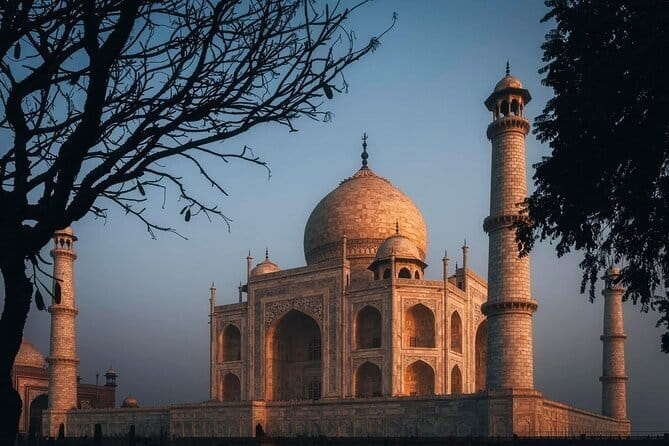
This is basically two trips sewn together. Days 1 to 5 cover the Golden Triangle cities, the classic sweep of palaces, forts, and city monuments. Days 6 to 10 shift the vibe toward faith and river life, with Amritsar’s Golden Temple and Rishikesh’s Ganges views.
If you’re a first-time visitor, I like that you’re not stuck trying to stitch together tickets, guides, and transport on your own. You’ll also have built-in rest blocks, like free time in Agra after you check in, so you don’t feel like your entire trip is one long queue.
Just know the pacing is “full days,” even if the tour is designed to feel comfortable. You’ll be out seeing stuff for several hours most days, and some sites are marked as admission not included, which can make your daily budget feel jumpy.
First Night in Agra: Forts, Baby Taj, and a Sunset Viewpoint Plan
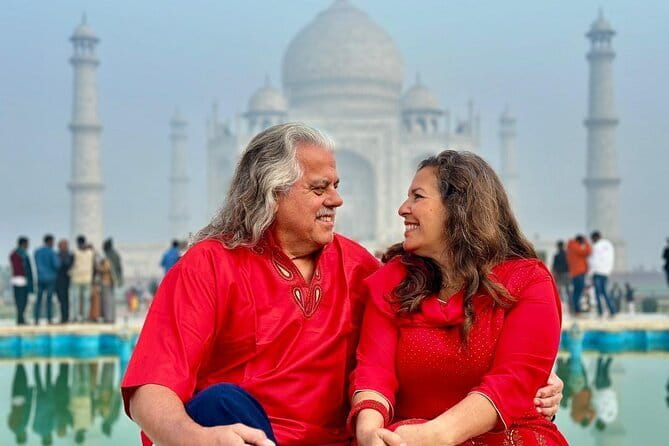
Agra is where the tour starts to earn its reputation fast. On day 1, after lunch time at a local restaurant, you drive through the expressway to your Agra hotel. Then you get check-in, a breather, and a sightseeing set that covers major Mughal-era landmarks close together.
Agra Fort is your heavy-hitter stop here, labeled as a UNESCO World Heritage Site. It’s not just a monument, it’s a whole fortress story tied to Mughal emperors like Akbar and Shah Jahan. The way the stop is timed (about an hour) works well because the fort is large, and you don’t want to spend the entire evening inside waiting for the perfect photo.
Then you move to Itmad-ud-Daula, often called the Baby Taj, and described as a jewel-box style mausoleum. This is one of those sites that’s smaller than Taj Mahal but hits hard visually, especially for close-up details in the architecture.
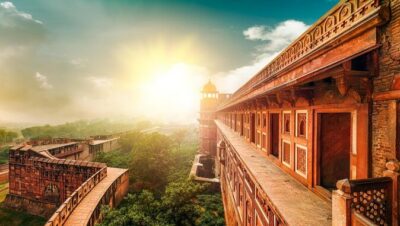
Finally, the day ends with Taj Mahal at a sunset viewpoint across the river, chosen specifically to help you see it away from the densest crowd areas. There’s also Mehtab Bagh, a garden viewpoint you get about 30 minutes for, which is perfect if you want those water-and-garden compositions without turning it into a half-day detour.
The consideration here is practical: Taj and several other sights on day 1 are marked as admission not included. So if you hate budget surprises, set aside money early rather than waiting until you’re already standing at the counter.
More Golden Triangle circuits:
- 3-Days Private Golden Triangle Tour: Delhi, Agra & Jaipur by Car
★ 5.0 · 1,107 reviews - 3-Days Private Golden Triangle Tour: Delhi, Agra & Jaipur by Car
★ 5.0 · 1,098 reviews - 3-Day Delhi, Agra and Jaipur Private Tour – India Golden Triangle
★ 5.0 · 812 reviews
Sunrise Taj Mahal and Fatehpur Sikri, plus Chand Baori Stepwell
Day 2 is where you get the “two-tone Taj Mahal” effect. You have Taj Mahal sunrise time with a dedicated visit window, about two hours. Sunrise matters because the lighting changes the white marble, and the air is often calmer than later in the day.
On top of that, the tour includes a battery bus ride from the Taj Mahal parking area up to the monument. That one detail is genuinely useful because it cuts down walking time at a site where everything tends to be slow, hot, or crowded. It also makes the whole sunrise plan feel more doable, even if you start early.
Next is Fatehpur Sikri, labeled City of Victory and built under Emperor Akbar. You get around an hour here, which is a smart slice because the complex is spread out and you don’t want to rush but also don’t want to burn your afternoon.
Then you head to Chand Baori, a stepwell in the village of Abhaneri. It’s described as one of the largest and deepest stepwells in India, and that’s exactly why this is a good “visual break” after palace and monument intensity. Even with only about 30 minutes, it’s the kind of place where the geometry does the storytelling for you.
If you’re sensitive to long drives, this day is structured but still travel-heavy. The payoff is that you end with the movement toward Jaipur, arriving and checking in for the night.
Jaipur Without the Rush: Amber, Jal Mahal Shots, City Palace, Jantar Mantar, Hawa Mahal
Jaipur is where the tour shifts from “one big monument at a time” into a dense sightseeing day. You’re seeing a lot of different styles in a single stretch, so the order matters.
You start with Panna Meena ka Kund, a stepwell near Amber Fort, then you travel up to Amber Palace for about two hours. Amber Palace is described as the capital of Rajasthan until 1728 and tied to Raja Man Singh I. In practical terms, it’s the kind of stop that rewards a guide who can point out what you’re looking at, because otherwise you just get the surfaces and miss the logic behind them.
After Amber, you get Jal Mahal, the palace in the lake, with a short photo opportunity time. The key here is that it’s brief, which keeps the day from turning into endless waiting around for one perfect shot.
Then you spend time at Maharaja’s City Palace, and move on to Jantar Mantar, a UNESCO World Heritage site with astronomical instruments built in 1734 by Sawai Jai Singh II. I like this stop because it turns “India monuments” into something more brainy, not only decorative.
Hawa Mahal is next, the Palace of Breeze, timed about 30 minutes. It’s easy to see why it’s famous just from the outside shape, but the stop length is right if you want photos and a quick understanding without dragging the day down.
You also include Albert Hall Museum as a short stop. In many itineraries, museums get skipped. Here you at least get a taste, which is helpful if you want a little context to go with all the architecture you’re seeing.
Day 3’s only real drawback is stamina. You’ll likely do a lot of walking, and the tour has enough “not included” admission stops that you’ll want to keep your wallet organized.
Day 4 in Jaipur, then 5 Hours to Delhi: Temples, Monkey Temple, and a City Reset
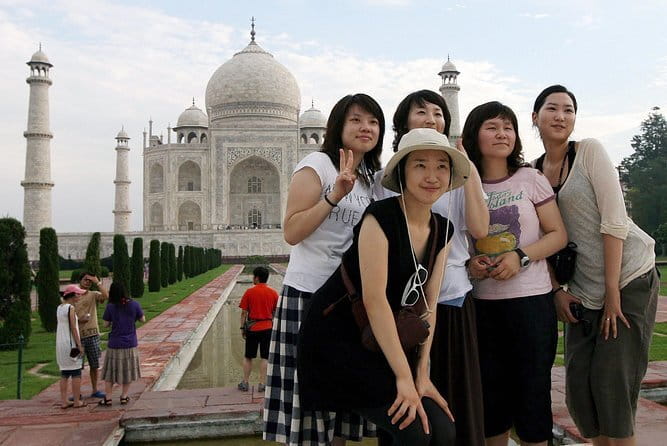
Day 4 opens with Birla Mandir Temple, dedicated to Lord Vishnu, and noted for intricate latticework in white marble. You get about 30 minutes, which keeps it calm and not rushed.
Next is Galtaji Temple, also called the Abode of Monkeys. You’re told it has three sacred pools and a more active, tourist-ready setting. This is one of those spots where you can watch people moving between pools and structures, and that gives it a lively feel even when the visit time is short.
Then you transfer to New Delhi, about a five-hour drive, and check in for the night. The itinerary treats this as a reset day, and I think that’s smart. After a full Jaipur day, you get at least a smooth transition rather than stuffing in more sights on the road.
If you’re choosing between hotel comfort and squeezing in extra stuff, this is a good day to go for comfort.
Line these New Delhi options up side by side
- Old & New Delhi City Tour – Half or Full Day Options Available
★ 5.0 · 4,811 reviews - Half Day Private Delhi City Tour
★ 5.0 · 4,474 reviews - Same Day Taj Mahal, Agra Fort & Baby Taj Tour from Delhi by Car
★ 5.0 · 4,304 reviews - Taj Mahal Day Tour from Delhi by Superfast Train – TOP RATED TOUR
★ 5.0 · 4,166 reviews
Delhi Highlights Done in a Practical Order: Qutub Minar, Lotus Temple, Jama Masjid, Chandni Chowk
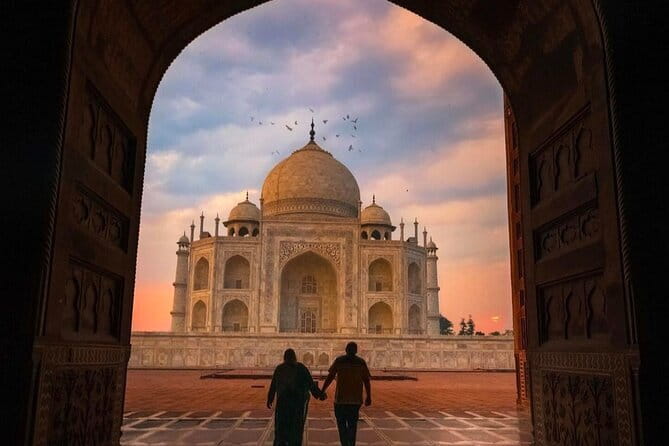
Delhi here is a mix of monumental and street-level energy. You start with Qutub Minar, UNESCO World Heritage Site and a tall 73-metre tower built in 1193. It’s about a one-hour stop, and the admission is marked as not included, so budget for it.
Then you visit Lotus Temple, described as flower-like and open to everyone regardless of religion, timed around 30 minutes. This is a nice change of pace because it’s visually clean and easy to understand without needing a lot of background.
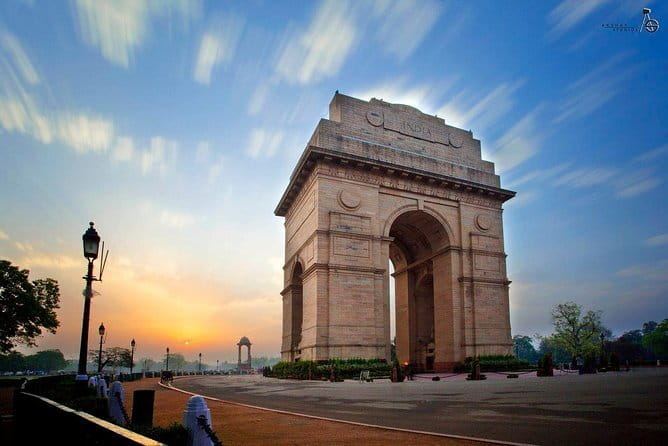
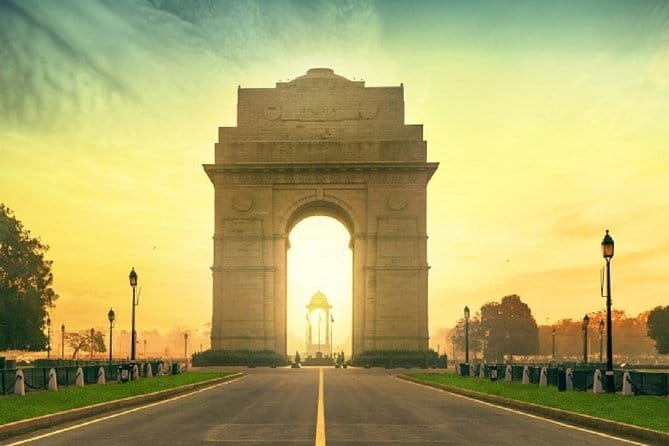
India Gate comes next, a war memorial near Rajpath, timed about 30 minutes. After the morning’s major monuments, this stop feels like a breather where you can just take in the scale.
You’ll also see Parliament House from outside as part of the route, and the itinerary’s note connects it to a design based on Ashoka Chakra. After that, you head into Old Delhi for Jama Masjid, built by Shah Jahan between 1650 and 1656, with about 30 minutes.
Agrasen Ki Baoli is a short 15-minute stepwell stop. You’re also guided through Humayun’s Tomb for about an hour, then finish with Chandni Chowk shopping lanes for about an hour. Chandni Chowk is described as markets full of spices, dried fruit, silver jewelry, saris, and essential oil shops.
The main consideration in Delhi is mental bandwidth. You’ll go from big formal architecture to crowded markets in one day. If you get overwhelmed easily, wear comfortable shoes and plan to take mini pauses, even if the tour schedule keeps moving.
Amritsar’s Two-Part Day: Golden Temple Time, then Wagah Border at the Right Moment
Amritsar is your arrival day 6, with check-in and an overnight stay. The next day is built around two big experiences that feel like two sides of one coin: spirituality and national ritual.
Golden Temple is scheduled for about three hours. It’s described as the central religious place of the Sikhs, and a symbol of human brotherhood and equality regardless of caste or creed. The tour gives you enough time to take in the setting without feeling like you have to sprint to “see the main thing.”
Then you head to Wagah Border. The tour specifically notes a 3:00 pm start to prepare for the flag down ceremony, with the ceremony starting at 5:00 pm. That timing is important because border events are strict and you don’t want to be late or underdressed.
Also, note the admission at Wagah is marked as not included. So just treat it as a planned add-on, not something you forgot.
In the notes from people who have done this trip, the driving experience and local guidance in Amritsar often get praised, including mention of a guide named Vijay. That kind of local storytelling matters here, because it helps you understand what you’re watching while you’re watching it.
Rishikesh on the Ganges: Bridges, Ashram Calm, and Ghat Watching
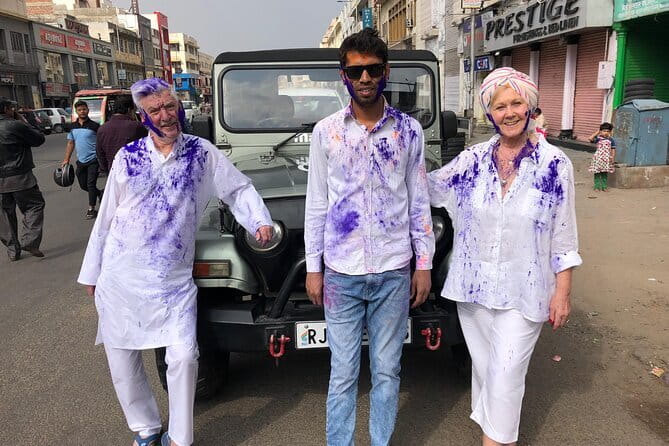
Rishikesh is day 8 arrival with check-in and overnight. Day 9 is a “see the key viewpoints” plan, with each stop timed about 30 minutes. That structure is useful because the town can feel busy, and you still want time to absorb what each place is doing spiritually and visually.
You start with Ram Jhula, an iron suspension bridge across the Ganges, located a few kilometers from town. Then you visit Parmarth Niketan Ashram, founded in 1942 and located along the banks of the Ganges at the foot of the Himalayas.
Triveni Ghat is next, described as the biggest and most famous ghat, and the itinerary notes it can be overcrowded with devotees for ritual baths to cleanse sins. Then you end with Lakshman Jhula Bridge, another suspension bridge connecting Tapovan and Jonk areas.
I like this arrangement because you get different angles of the river and river culture without one long lecture or one exhausting climb. The main consideration is etiquette and comfort. Ghat areas can be crowded, and you’ll likely be standing around near water, so keep your clothes and footwear practical.
Price and Logistics: What $588.46 Covers, and What You Still Budget For
At $588.46 per person for a 10-day private tour, value depends on what you already planned to pay on your own. The tour includes private transport in an air-conditioned vehicle with a driver, hotel or airport pickup and drop-off, and sightseeing with private local guides.
It also includes nine nights of accommodation if you book with the hotel option, plus daily hotel breakfast. It lists bottled mineral water during journeys, and battery bus transport up to Taj Mahal.
What you should budget for separately is monument entry. The itinerary has many stops marked admission not included, including major sites like Agra Fort, Taj Mahal, Amber Palace, Qutub Minar, Humayun’s Tomb, and Wagah Border. Some stops are marked admission free, like Fatehpur Sikri, Golden Temple, Lotus Temple, and several Rishikesh viewpoints, but you still need a realistic plan for paying for the big ticket monuments.
Room sharing is also something to understand up front. Rooms are generally twin-sharing, and if you book for 3 people, it notes triple-sharing by default unless you pay an additional charge for two rooms. That matters for families and friend groups where privacy matters.
The transport setup is another value point. This is a private tour, only your group participates, and the vehicle size scales from a 4-seater sedan for 1 to 2 people to a 10-seater minivan for 5 to 10. If your group is small, that means less time waiting around and more time actually moving with purpose.
Who Should Book This Tour (and Who Might Want a Different Pace)
You’ll likely love this if you want an efficient, guided route for first-time North India. It’s built for people who want highlights, like Taj Mahal sunrise and sunset viewpoints, and Golden Temple plus Wagah, without having to manage every ticket and transfer.
It’s also a strong match if you prefer private guides. Having local explanations helps a lot for sites like Jantar Mantar and the Mughal-era complexes where the visuals alone might not tell the full story.
This may not be the best fit if you dislike structured days. Your schedule is packed, and several days include multiple major sites in one stretch. Also, if you want to minimize extra spending on monument entry, you’ll have to plan for that since many key admissions are not included.
Should You Book This 10-Day Private Tour?
I’d book this tour if you want a smart route that mixes India’s iconic monuments with a real change of mood in Amritsar and Rishikesh. The double Taj Mahal approach is a standout, and the private guides plus battery bus detail make the biggest day feel easier to manage.
Skip it if you’re budget-maximizing for monument fees or if you prefer slow travel with long unplanned afternoons. This is a “you’ll see a lot” trip, and it’s best when you’re ready to go from site to site with comfortable logistics.
FAQ
Where does the tour start?
The tour start point is Indira Gandhi Intl Airport, New Delhi, New Delhi 110037 India. Hotel or airport pickup and drop-off is included.
Is this tour private or shared with other travelers?
This is a private tour/activity, and only your group will participate.
Are monument entry tickets included?
No. Monument entry, and camera, still movie, and video fees or charges are not included. Some specific stops are listed as admission ticket free, but many major sites are marked as not included.
Does the itinerary include Taj Mahal sunrise and sunset?
Yes. You have Taj Mahal at sunrise on one day and a Taj Mahal sunset viewpoint stop on another day.
Do you ride a battery bus at Taj Mahal?
Yes. A battery bus ride is included to and from the Taj Mahal parking lot up to the Taj Mahal monument.
What kind of vehicle will I ride in?
Transportation is in a 4-seater sedan for groups of 1 or 2 people, a 6-seater wagon for groups of 3 or 4 people, and a 10-seater minivan for groups of 5 to 10 people.
What is included for meals?
Daily hotel breakfast is included if you book the option including hotels. The day 1 plan also includes time for lunch at a local restaurant.
Is Wagah Border included, and when is it scheduled?
Yes. The schedule calls for arriving around 3:00 pm to prepare for the flag down ceremony, with the ceremony starting at 5:00 pm.
What is the cancellation policy?
You can cancel for free up to 24 hours in advance for a full refund. If you cancel less than 24 hours before the start time, the amount you paid will not be refunded.
Latest reviews in from New Delhi
- New Delhi to Agra Airport/Hotel – One-Way Cab Private Transfers★ 4.5 · 16 reviews
- “Overnight Taj Mahal Tour from Delhi by Private AC Car”★ 5.0 · 16 reviews
- Private Day Trip to Taj Mahal by Car from Delhi★ 5.0 · 16 reviews
- Private One Day Tour of Taj Mahal, Agra Fort & Fatehpur Sikri from New Delhi★ 5.0 · 16 reviews
- 10 Day Private Luxury Golden Triangle with Khajuraho and Varanasi★ 5.0 · 16 reviews
- All Inclusive : 5 Days Golden Triangle Tour : Delhi, Agra, Jaipur★ 5.0 · 16 reviews
- Delhi & Taj Mahal Private Day Tour with Lunch and Tickets★ 5.0 · 16 reviews
- Full day Private tour from Delhi to Agra★ 5.0 · 16 reviews
Golden Triangle Tours, compared.
3-Days Private Golden Triangle Tour: Delhi, Agra & Jaipur by Car
Read our review →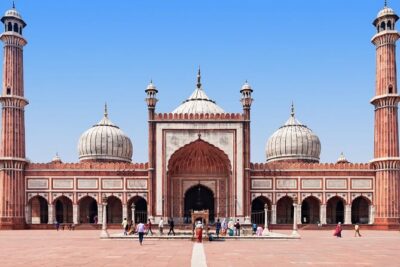
3-Day Delhi, Agra and Jaipur Private Tour – India Golden Triangle
Read our review →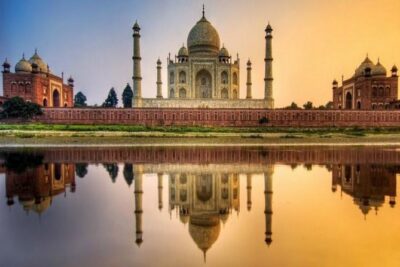
Four-Day Private Luxury Golden Triangle Tour to Agra and Jaipur From New Delhi
Read our review →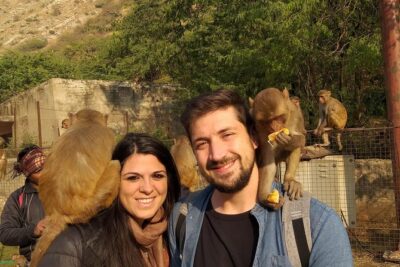
5 Nights 6 Days Private Golden Triangle Tour – Delhi Agra Jaipur
Read our review →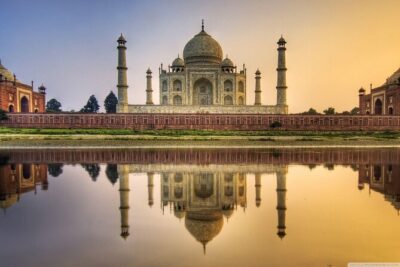

Private Car and Drive for Golden Triangle (4N/5D)
Read our review →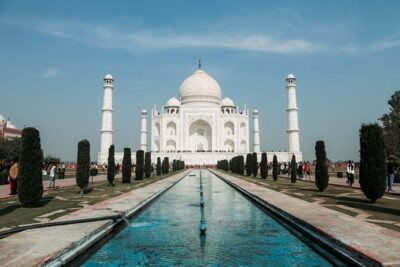
Private Golden Triangle Tour Delhi Agra Jaipur ( Top Rated )
Read our review →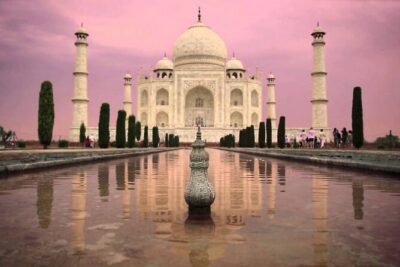
3-Day Private Luxury Golden Triangle Tour to Agra and Jaipur From New Delhi
Read our review →Browse the lists this tour appears in