
Reviewed · HERITAGE WALKS
Bombay Fort Heritage Walking Tour
South Mumbai has a way of mixing eras without asking permission. This Bombay Fort Heritage Walking Tour threads through Colaba and key landmarks where you can still read the city’s shifts in power, trade, religion, and architecture, all at walking speed.
I especially love how the pace is built for questions, not just photos. With a guide like Chetan (mentioned in a top review as friendly and seriously prepared), you get real explanations of what you are looking at, plus frequent pauses to look closely at details.
One thing to consider is that you are on your feet for about 3 hours, including temple stops. You will want comfortable shoes and modest dress for when the route turns toward places of worship.
Key things to know before you go
- Start in Colaba at 9:00am, right near Regal Cinema, and the tour returns to the same spot.
- A local guide is included for the full 3-hour walk, plus water or a cold drink.
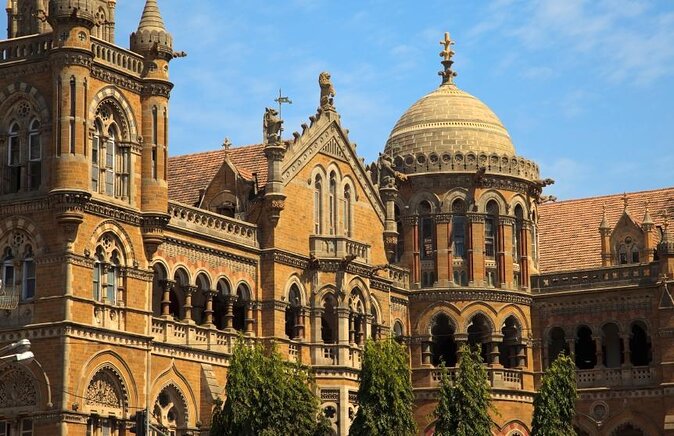
- Landmarks are tied to stories, from the waterfront arrival point at the Gateway of India to the major rail architecture at Chhatrapati Shivaji Terminus.
- Temples and local markets are part of the route, with time for alleyways and everyday neighborhood life.
- Group size caps at 25, and in quieter moments you may get a small-group feel.
- Food is not included, even though there is time for a snack and a casual brunch-like break.
Planning Your South Mumbai Walk (Colaba to Key Fort-Era Stops)
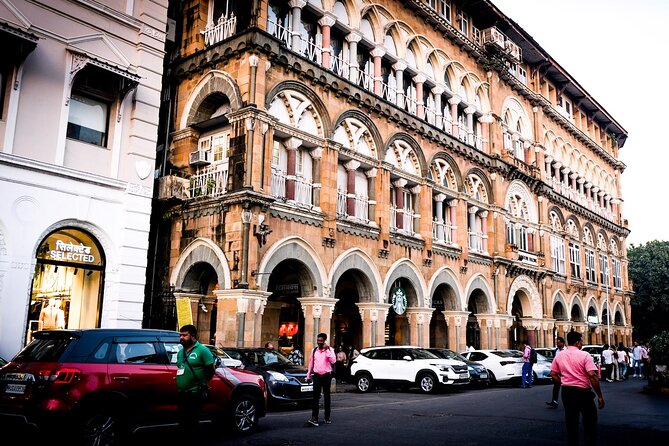
This is a straightforward, morning walk through one of Mumbai’s most storied sections. You meet in Colaba at Regal Cinema, Colaba Causeway, across from the Chhatrapati Shivaji Maharaj Vastu Sangrahalaya (Apollo Bandar area). The departure is 9:00am, and the tour ends back near the same meeting point.
The price is $29.21 per person for about 3 hours with a guide and a drink included. For Mumbai, that is the kind of cost that makes sense because the value is mostly in interpretation, direction, and “what am I looking at?” help. If you try to do this solo, you can cover the same spots, but you will miss the connections between buildings, religious communities, colonial-era layouts, and the daily rhythm around them.
Group size is capped at 25 travelers, and the tour can run as small as just a couple of people in slower periods, which one reviewer highlighted. That matters because in a big crowd you tend to rush. In a smaller group, you can ask more follow-ups and linger a bit longer.
Two practical tips from the reality of the route. First, wear shoes you can walk in comfortably for a few hours. Second, dress modestly for temple stops. Mumbai is usually flexible, but the tour is not a rooftop-and-photos only kind of experience.
More Historical Tours in Mumbai
- Heritage Walk: Recommended by Gigi Hadid as a must-do in Mumbai
★ 5.0 · 122 reviews - Best South Mumbai Heritage Walk
★ 5.0 · 122 reviews - Mumbai: South Mumbai Heritage Walking Guided Tour
★ 4.5 · 69 reviews
Stop 1: Gateway of India and the Waterfront Arrival Story
The first big landmark is the Gateway of India, which sits on the waterfront in southern Mumbai. This gateway blends Hindu and Islamic architectural styles, and the guide frames it as the first major thing visitors saw when arriving by boat starting in 1924.
This is a smart opening stop. You start where the city used to “announce” itself to arrivals, so your guide can connect architecture to trade, empire, travel, and public life. Even if you have seen photos before, standing near it is different because you can feel the scale, the setting, and the way the waterfront has shaped movement.
Time here is about 20 minutes, and that is enough to get oriented without turning it into a long sightseeing detour. Admission tickets are listed as free for the stop, so you are not waiting around for entry logistics.
A note on your photo expectations. This is one of those places where you can get great pictures, but you will likely be sharing space with others at the start of the tour. If you want the cleanest shots, listen to your guide, then step slightly to the side during the quieter moments.
Stop 2: Fort and Kala Ghoda Architecture Basics (Without the Headache)
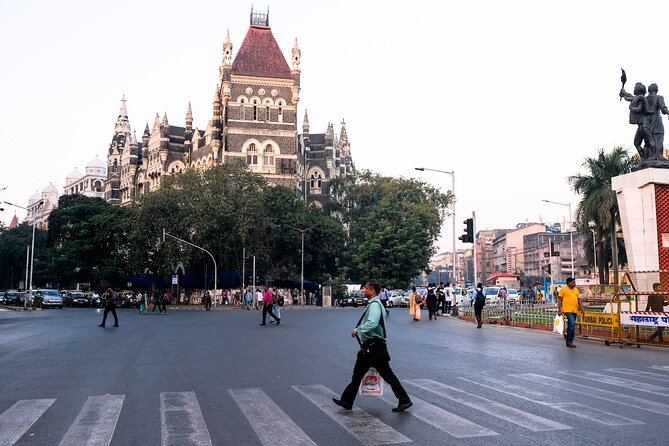
Next you head toward Fort/Kala Ghoda. The tour focuses on historic architecture, including some of Mumbai’s oldest and finest buildings. The area name alone helps you understand the intent: you are not just walking streets, you are walking through layers of built heritage.
This stop works because you do not need special background knowledge. Your guide connects visible design choices to the city’s timeline, and you are given a framework for noticing things like façade styles, street layout, and how buildings “face” the public realm.
There is another quiet benefit here, especially if your trip includes multiple markets later. You get a break from constant consumption of sights, and you learn how to look at architecture in a way that makes the rest of the walk click. Time is about 20 minutes, with free admission noted.
If you are prone to getting “architecturally bored,” this stop still helps because the guide approach is practical. You are learning why these buildings matter, not just what year they were built.
Stop 3: Oval Maidan, Cricket Life, and Big-City Views
The route then reaches Oval Maidan, a large park where cricket is a constant. Even if you are not into the sport, this stop is a window into Mumbai as a living city rather than a museum.
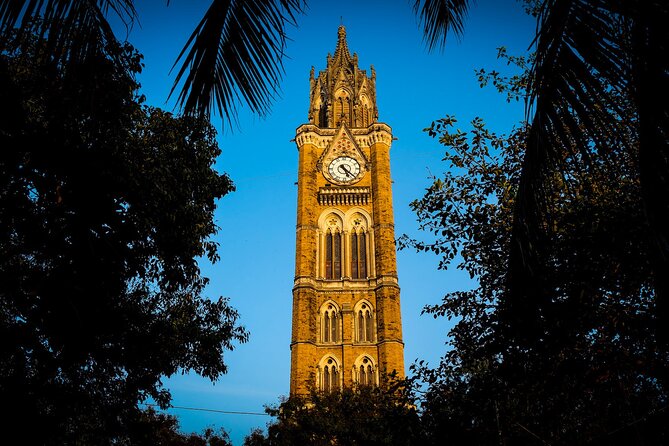
You also get views that act like a visual map. From here, you can look toward landmarks such as Mumbai University and its clock tower, the Rajabai area, and the Mumbai High Court. Your guide’s job is to help you see the relationship between green space, institutional buildings, and the urban grid.
Time is about 20 minutes, which is perfect for a short rest. The guide can point out what to look for, then you can take a breath and reset before the religious and heritage-heavy stops that follow.
If you want a less hectic moment, parks can be calmer earlier in the day. Since this tour starts at 9:00am, you are often in the better part of the morning to enjoy the scene without as much heat or crowd intensity.
More Walking Tours in Mumbai
- Group Guided Walking Tour in Fort and Colaba
★ 5.0 · 1,073 reviews - Private Guided Walking Tour in Fort & Colaba
★ 5.0 · 895 reviews - Private Guided Walking Tour in Bandra Queen of Suburbs
★ 5.0 · 383 reviews - Private Guided Spiritual Walk in Banganga Hindu Temples
★ 5.0 · 271 reviews
Stop 4: St. Thomas Cathedral, Lassi Break, and Modest-Place Etiquette
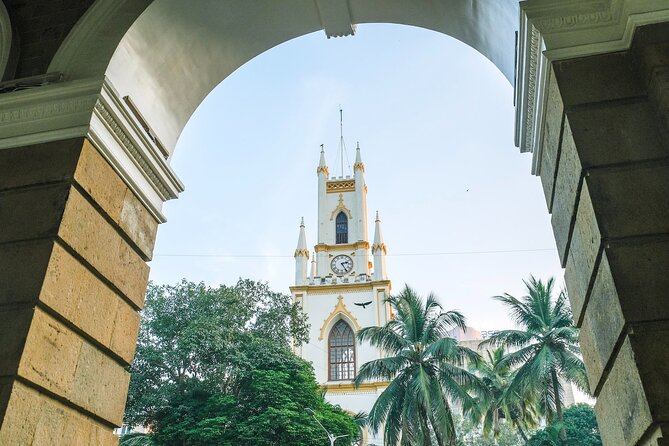
The next major stop is St. Thomas Cathedral Mumbai, an Anglican church that has been in use since 1718. The tour also highlights it as a UNESCO Heritage Award Winning site, and one of the oldest churches in Mumbai.
This is the moment where the tour asks a little more from you. Dress modestly because you will be inside or near a place of worship. Also, keep your posture respectful. Your guide will set the tone.
The cathedral stop is scheduled for 20 minutes, and the tour notes a refreshing lassi nearby. Water and cold drink are included for the tour overall, but this is a chance to add something local to your break. One reviewer even mentioned enjoying fresh sugar cane juice during their walk, which suggests the guide is attentive to tasty regional options when the moment fits.
A good way to use this stop is simple: listen first, then look. Religious architecture rewards patience. If you rush to take photos, you miss the explanation that makes the carvings and structure feel connected to the city’s story.
Stop 5: Chhatrapati Shivaji Maharaj Terminus, Slumdog Fame, and a Dark Reminder
The final highlight is Chhatrapati Shivaji Maharaj Terminus, a major railway station with standout architecture. The tour connects it to film recognition, noting it was featured in Slumdog Millionaire.
It also does not shy away from the painful part of recent history. The itinerary mentions the 2008 Mumbai attacks, where two terrorists opened fire. That context matters, because it frames the station not just as beautiful infrastructure, but as a real public space tied to safety, identity, and collective memory.
Time here is again about 20 minutes, and admission is listed as free for the stop. The tour description includes a comparison in the style of European station grandeur, and the overall point is clear: this is a building that people notice for its design as well as its significance.
When your tour ends, it concludes back near the original meeting point. That’s convenient, and it means you can continue exploring afterward without having to figure out a complicated return.
The Parts Between the Big Stops (Markets, Temples, Cricket Maidan, and Local Life)
This tour is not just a checklist of famous places. The route includes local markets and neighborhood temples, plus time in smaller lanes and back alleys where the city feels more like how people actually live.
You also have the chance to see everyday Mumbai life in motion, including residents relaxing or hanging around at the cricket maidan, and stopping in for food and chat at neighborhood spots as the tour goes.
One of the most intriguing parts is the possibility of a visit to a family home. That is the kind of moment you cannot replicate with guidebook research alone. Since it is described as a possibility, treat it as a bonus, not a guarantee.
The tour also includes frequent pauses to see landmarks and learn the story behind them. This is one of the biggest reasons it works for value. You are not just getting directions, you are getting context that makes a second, independent visit more satisfying later.
There is also a note about pausing for snacks, then sitting down for a laid-back brunch-like break and using that time to chat about what you just passed. Food is listed as not included, so you should plan to pay for what you eat during that break, but the time set aside can still be worth it, because it turns the walk from pure sightseeing into a conversation.
What You Get for the Money (and Why It Feels Worth It)
Let’s talk value in real terms. You are paying $29.21 for a guided 3-hour walk in South Mumbai. You get a local guide for the entire tour plus water or a cold drink.
What you are buying is not transportation, and it is not included meals. What you are buying is smarter use of time. In a city as layered as Mumbai, a good guide can connect what looks like random street scenery into a coherent story of the city.
The reviews back that up. One of the standout comments is that the guide was knowledgeable and friendly and took time to discuss history and buildings while walking. Another mentioned they were only two people on the tour and still got a helpful, history-and-culture-focused experience, with a guide who handled questions well.
And there is a subtle value bonus if you care about community impact. One reviewer specifically noted that the guide works for Reality Tours and Travel, which gives back to the community. Even if your personal priorities are purely sightseeing, that kind of provider detail can matter, because it often reflects how the tour is run and trained.
If you are debating between self-guided wandering and booking a guide, ask yourself what you want most. If you want maximum flexibility, you can always walk Colaba on your own. But if you want the city to make sense as you go, this is the kind of guided route that helps you get it faster.
Who Should Book This Walking Tour
This is ideal if you fit one of these profiles:
- You want history and architecture explained in plain language.
- You enjoy walking tours more than sitting in a vehicle.
- You want a guided look at places like Gateway of India, Oval Maidan, St. Thomas Cathedral, and Chhatrapati Shivaji Maharaj Terminus without spending hours researching.
- You like the idea of a local guide shaping your understanding of daily life, not just monuments.
It is also a good choice if you are short on time. Three hours is long enough to feel like you did something substantial, but short enough to still handle the rest of your day.
Kids can join from age 3, and the tour requires at least 1 person, so it is not restricted to big groups. Still, it is a walking route, so plan for kids’ stamina and comfort.
Final Call: Should You Book the Bombay Fort Heritage Walk?
I think you should book this tour if you want a guided path through South Mumbai that connects architecture, religion, and public life into a story you can actually follow. The local guide, the included water or cold drink, and the tight set of stops make it a strong value for a morning plan.
You might skip it only if you strongly dislike walking, or if you do not want to visit religious sites where modest dress and respectful behavior matter. Also note that food is not included, so if you expect the brunch to be covered, it is not.
If you do book it, come ready with comfortable shoes, and show up early. Starting around 9:00am in Colaba makes the whole route feel easier, and it gives you time to enjoy the final landmarks before your day pulls you elsewhere.
More Heritage Walks in Mumbai
- South Mumbai: Cultural Heritage Walking Tour
★ 4.8 · 45 reviews - Mumbai heritage walk- Story of Gothic and Art Deco buildings
★ 5.0 · 33 reviews - Fontainhas Heritage Walk by Make It Happen
★ 5.0 · 2,834 reviews - The Great Indian Food Tour: Old Delhi Food and Heritage Walk
★ 5.0 · 1,698 reviews
Latest reviews in from Mumbai
- Premium Mumbai Sightseeing Tour★ 5.0 · 16 reviews
- Small-Group Bike Tour of Mumbai★ 5.0 · 16 reviews
- Cruise to Mumbai Historical Tour★ 5.0 · 16 reviews
- 3 Hours Early Morning in South Mumbai Heritage Bicycle Tour★ 4.5 · 16 reviews
- Bollywood Studio Tour with Guide and Transport★ 5.0 · 16 reviews
- Bollywood Sightseeing and Celebrity Homes Tour by Private Car★ 5.0 · 16 reviews
- Private Slum tour With Bollywood and Stars Home★ 5.0 · 16 reviews
- Same Day Taj Mahal and Agra Tour from Mumbai with Return Flights★ 4.5 · 16 reviews
Heritage Walks, compared.

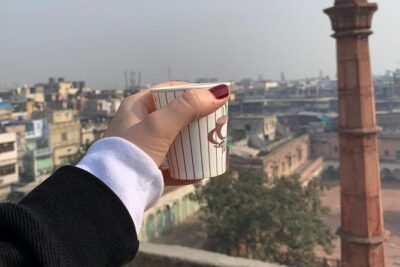
The Great Indian Food Tour: Old Delhi Food and Heritage Walk
Read our review →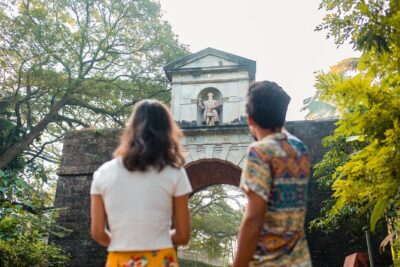
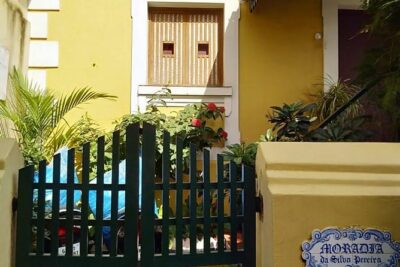
Fontainhas Heritage Walk At Latin Quarters of Goa
Read our review →
Private Heritage Walking Tour in Jaisalmer Fort and Old Bazaar
Read our review →
Browse the lists this tour appears in